

Have you ever noticed how a tank can seem to sparkle even on a cloudy day? Platy fish, with their bright colors and easy care, add a little burst of energy to your home aquarium.
These graceful swimmers come from clear, gentle lakes, enchanting fish lovers everywhere with their cheerful dance. In this piece, I’ll share some simple, friendly tips for looking after and even breeding these vibrant fish to help you create your own lively, freshwater retreat.
Now, let’s dive in and see how these delightful fish can bring a wave of happiness to your tank.
platy fish 101: Species Overview and Common Traits
Platy fish, with their fancy names Xiphophorus maculatus and X. variatus, come from the clear lakes of Central America. They swim in friendly schools, which makes them a popular pick for anyone setting up an aquarium. Many fish lovers start with a small setup, like a 10-gallon tank, that fits these lively little swimmers perfectly.
As adults, platys grow to about 1.5 to 2 inches long. They have a round, compact body with tiny dorsal and anal fins and graceful, fan-shaped tails. Their colors burst like a gentle rainbow, ranging from soft pastels to bold, bright hues that light up any tank. This splash of color not only delights the eyes but also shows how well they adapt to different water settings.
Beloved for their hardiness and warm, gentle nature, platys work great for both beginners and seasoned aquarists. They breed often, filling the water with tiny fry, and are easy to care for in community tanks. With their playful behavior and vivid color variations, these fish bring a joyful vibrancy that makes any freshwater aquarium feel like a lively underwater haven.
platy fish Aquarium Setup Essentials and Water Parameters
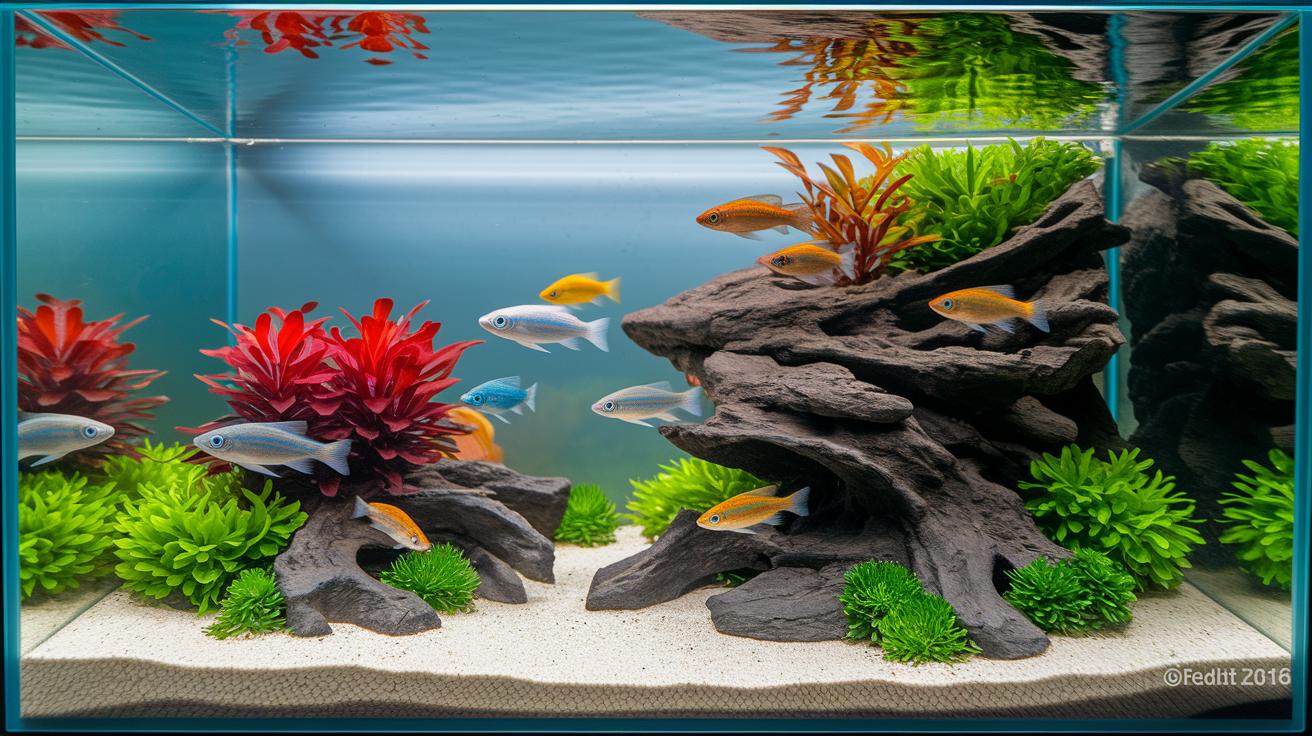
When setting up a tank for your platys, it's all about choosing the right home and gear. A well-planned tank keeps your fish lively and stops waste from clouding the water. For a small group, a 10-gallon tank can work just fine, but if your fish community is bustling, a 20-gallon tank gives them plenty of room to swim. A sturdy heater helps keep the water between 72°F and 78°F, and a trusty thermometer makes sure the temperature stays just right. Picking a filter that suits your tank, be it a sponge or canister filter, is important too, since regular water checks catch any changes early. I once met a fish keeper who always double-checked his thermometer to maintain a steady 75°F, and it really paid off.
Choosing the right substrate and plants can really bring personality and care into your tank. A smooth substrate not only protects your platys from tiny injuries but also makes cleaning a breeze. Live plants add vibrant color and help filter the water naturally by absorbing waste. Soft, moderate lighting sets a gentle scene that works well for both plants and fish. Every little detail comes together to create a cozy, natural space for your aquatic friends.
- Choose an aquarium size from 10 to 20 gallons or more.
- Install a heater and a thermometer to keep temperatures cozy.
- Select a filter that fits your tank’s size.
- Opt for a smooth substrate to protect your fish.
- Add live plants to boost natural filtration and color.
- Provide moderate lighting for a balanced, soothing look.
| Parameter | Ideal Range |
|---|---|
| Temperature | 72–78 °F |
| pH Level | 6.8–8.0 |
| Water Hardness | Moderate |
platy fish Feeding and Nutrition Guide
Platys are lively little fish that love a mix of foods, much like we enjoy switching up our snacks. In their natural habitat, they nibble on algae, plant bits, and tiny creatures like invertebrates and larvae. Giving them high-quality flake food is like laying a strong, healthy base, and adding frozen or live treats such as brine shrimp or daphnia is like sprinkling a bit of magic into their day. One keeper even said, "Mixing different foods makes meal time feel like a mini celebration," showing that a varied diet keeps everyone cheerfully engaged.
Here are some friendly tips to keep your platys happy and healthy:
- Use high-quality flake food to cover their daily vitamin needs.
- Add live or frozen brine shrimp for a protein boost.
- Sprinkle in some daphnia every now and then to tap into their natural foraging instincts.
- Mix in vegetable pellets to complete their diet.
- Be mindful of portion sizes to prevent waste buildup.
- Rotate food types so every meal feels fresh and exciting.
Feeding your platys once or twice a day works best. Offering small, measured amounts lets them nibble happily without leaving too much behind. Keep an eye out for signs of overfeeding, like long, stringy droppings, and if you notice them, try cutting back a little. Adjusting the portions slowly can help maintain their energy and support regular breeding, keeping your platys as lively and charming as ever.
platy fish Breeding Behavior and Fry Care
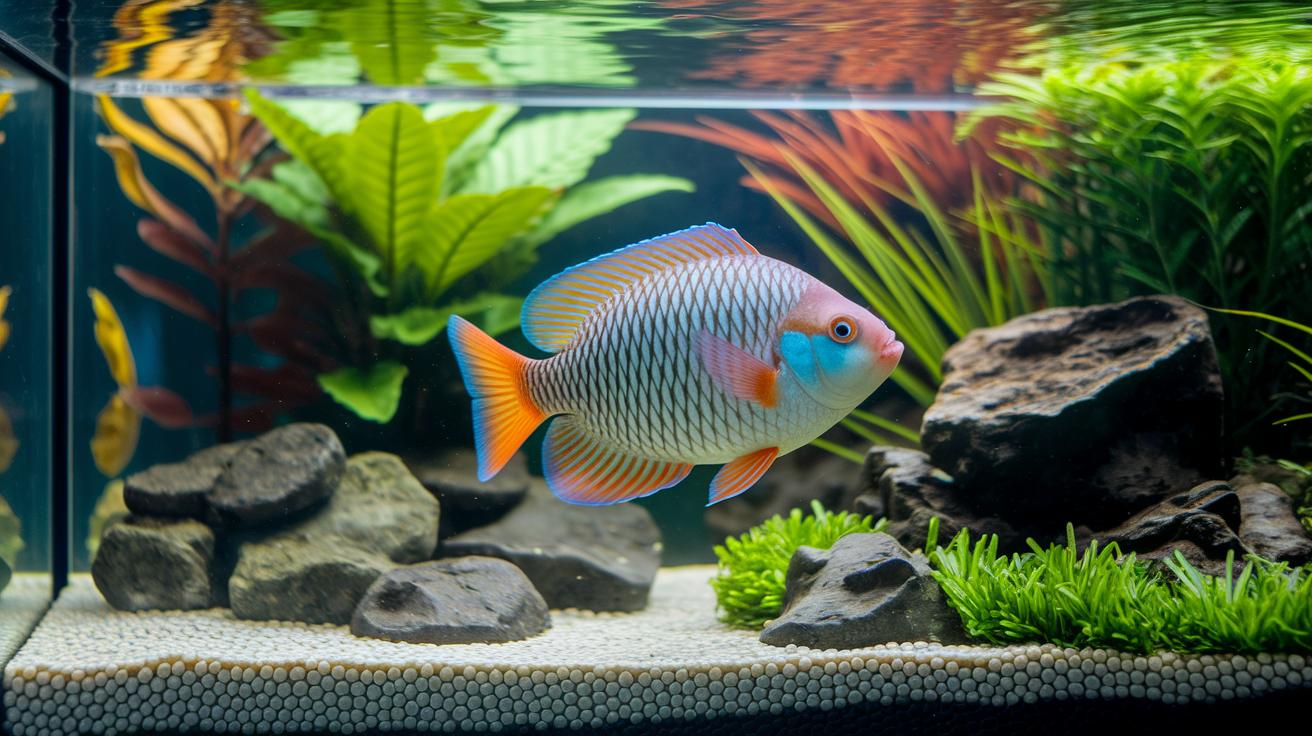
Platys are special fish that give birth to live young, making their reproduction process a real treat to watch. They carry their babies for about 24 to 35 days. While pregnant, a platy shows off a swollen belly and a little dark spot near the back, clear signs that new life is on the way.
These natural signals tell you that the time for little fish to arrive is near. Some friendly aquarists even move a pregnant platy into a separate tank to keep her calm, which usually helps her fry turn out healthier.
When it’s time, a female platy can deliver between 20 and 50 tiny fry at once. Under just the right conditions, they might even breed every month! The birthing process is really gentle. Although platys don’t care for their fry after birth, a peaceful and well-set-up tank helps the little ones settle in nicely. Knowing the gestation time makes it easier for hobbyists to plan ahead for these exciting new arrivals.
Caring for the fry does take a bit of extra attention. It’s best to provide a spot in the tank with gentle water flow or use a breeder box to shield the tiny fish from strong currents. Once they are free-swimming, feeding them simple foods like infusoria or microworms works great. A tank filled with live plants or decorative hiding spots offers a secure home for the new fish. Regular check-ups really make a big difference. With the right care, many hobbyists watch these active little fry grow into healthy, colorful platys.
platy fish Tank Mates and Community Compatibility
Platy fish really like to stick together, so it's smart to keep them in a group of about 3 to 6. They feel safe and happy when they swim with their buddies, almost like a little school of friends. Plus, when the water's temperature and pH are just right for everyone, it makes the home feel calm and safe for your fish.
When picking tank mates, try adding friendly fish such as tetras, guppies, mollies, and calm rasboras. These species share a similar size and a loving vibe, which helps create a cheerful and lively community. But steer clear of any bigger or nippy fish like cichlids, barbs, or fin-nippers, since they can stress out your gentle platys. In short, keeping a balanced group of calm neighbors makes your aquatic home a happy place for all its residents.
platy fish Health Indicators and Tank Maintenance

When your platys are feeling good, you'll see it in their dazzling colors, lively swimming, bright eyes, and strong appetite. But if you catch them moving slowly, showing faded colors, or sporting cloudy eyes, it could mean the water isn’t as clean as it should be. These little hints are like a friendly whisper telling you to check your tank's water quality, since even a tiny change might be the start of something bigger like fin rot or ich.
Keeping a tank healthy is all about a steady routine. Many fish keepers change about 20–25% of the water each week to stop nasty nitrate buildups. Testing the water for ammonia, nitrite, and nitrate is another smart move so you can spot problems early. And don’t forget to clean your filters on time, they work best when they're in tip-top shape. Taking a moment to gently sift through the substrate and remove any decaying plants creates a cozy, stable home for your fish. These small, regular efforts really add up, leaving your platys happier and more vibrant every day.
Final Words
In the action, the post explored how to create a safe and vibrant home, from tank setup and water parameters to feeding, breeding, and health care for your platy fish. We touched on choosing the right tank mates and keeping up with routine cleaning to build a balanced aquatic space.
Your care and attention go a long way in making your tank a lively, comfortable haven. Enjoy watching your aquatic community thrive every day!
FAQ
What is the price of platy fish and where can I buy them?
The platy fish for sale question suggests these fish are affordable and widely available. You can purchase them from pet stores, online vendors, and local breeders, with prices varying by color and species.
What is the lifespan of a platy fish?
The platy fish lifespan question indicates that these livebearers typically live for about 2 to 3 years when cared for properly in a well-maintained aquarium.
How big do platy fish grow?
The platy fish size query shows that adult platys usually reach between 1.5 and 2 inches in length, making them a great choice for smaller tanks.
How do platy fish breed and what does pregnancy look like?
The platy fish breeding and pregnant question reveals that these livebearers give birth every 24 to 35 days. Pregnant females display a swollen belly with a darkened spot near the tail.
What species of platy fish are available?
The platy fish species inquiry highlights two main species: Xiphophorus maculatus and Xiphophorus variatus, known for their hardiness and vibrant color variations.
How can I tell the difference between male and female platy fish?
The platy fish male and female question shows that females tend to be larger and rounder, while males are smaller with a modified anal fin (gonopodium) used for reproduction.
How many platies should be kept together in a tank?
The grouping question indicates that platys feel most at home when kept in small groups of 3 to 6, which helps mimic their natural schooling behavior.
Is it better to keep molly or platy fish?
The comparison between molly and platy fish suggests that both species are hardy and peaceful community choices, with the decision depending on your tank’s style and your personal care preferences.
What are good tank mates for platy fish?
The fish compatibility question shows that peaceful species like tetras, guppies, mollies, and rasboras make excellent companions in a community tank with platys.
Are platy fish aggressive?
The platy fish aggression question reveals that these fish are known for their calm and peaceful nature, making them excellent additions to community aquariums where harmony is key.