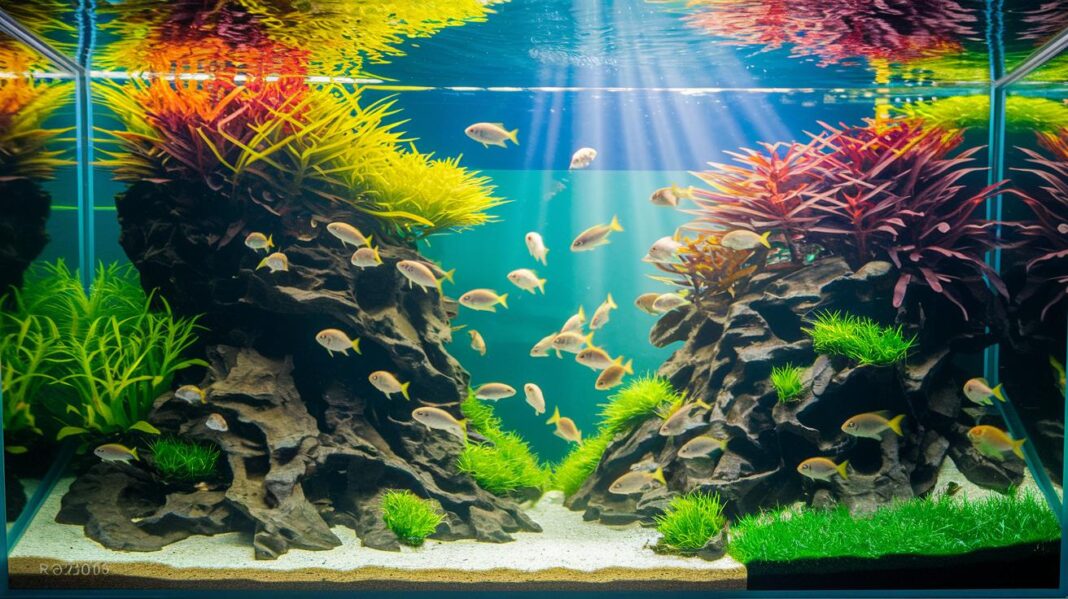

Have you ever thought that your tank’s lighting might be upsetting its natural balance? You might be surprised by just how much the right light can do beyond simply brightening your view.
Studies tell us that giving your aquarium between 8 and 12 hours of full-spectrum light each day, light that mimics natural sunlight, helps your plants make energy, soothes your fish, and even keeps algae from taking over.
Imagine setting up your tank like creating a gentle dance of light and water. With a thoughtful lighting plan, every ripple becomes a burst of color and life, transforming your space into a lively, healthy underwater scene.
Lighting Influence on Aquarium Ecosystem Health: Causes and Effects
Lighting is the pulse that keeps your aquarium thriving. It supports the plants in making energy through photosynthesis, helps guide your fish's behavior, and brings out the true beauty of your underwater world. Research suggests that letting your tank bask in 8-12 hours of full-spectrum light each day not only keeps your fish relaxed and active but also gives your plants the boost they need to produce oxygen and flourish. Picture a tank where the glow from full-spectrum LED lights makes every fish color burst like a vivid painting at sunrise.
Good lighting does more than just brighten up your tank, it plays a big part in keeping the whole ecosystem in balance. If your aquarium doesn’t get enough light, plants might struggle, leaves can turn yellow, or you could even lose some greenery. On the flip side, too much intense light can encourage a pesky algae bloom that disrupts the natural order of your tank.
Studies show that a well-set photoperiod, meaning the right amount of light at the right times, helps fish follow their natural feeding and breeding rhythms. Other research highlights how full-spectrum lighting not only boosts plant health but also brings out the lively colors in your fish. Plus, when the light is just right, it helps keep algae growth in check and supports the tiny organisms that are so essential to your aquarium’s balance.
Choosing the perfect light spectrum and intensity is like conducting a gentle dance in your tank. When every part of your aquarium, from the swaying plants to the playful fish, gets the right amount of light, your tank becomes a vibrant, balanced underwater scene that is as pleasing to the eye as it is healthy.
Spectrum and Intensity Effects on Aquarium Plants and Algae Photosynthesis
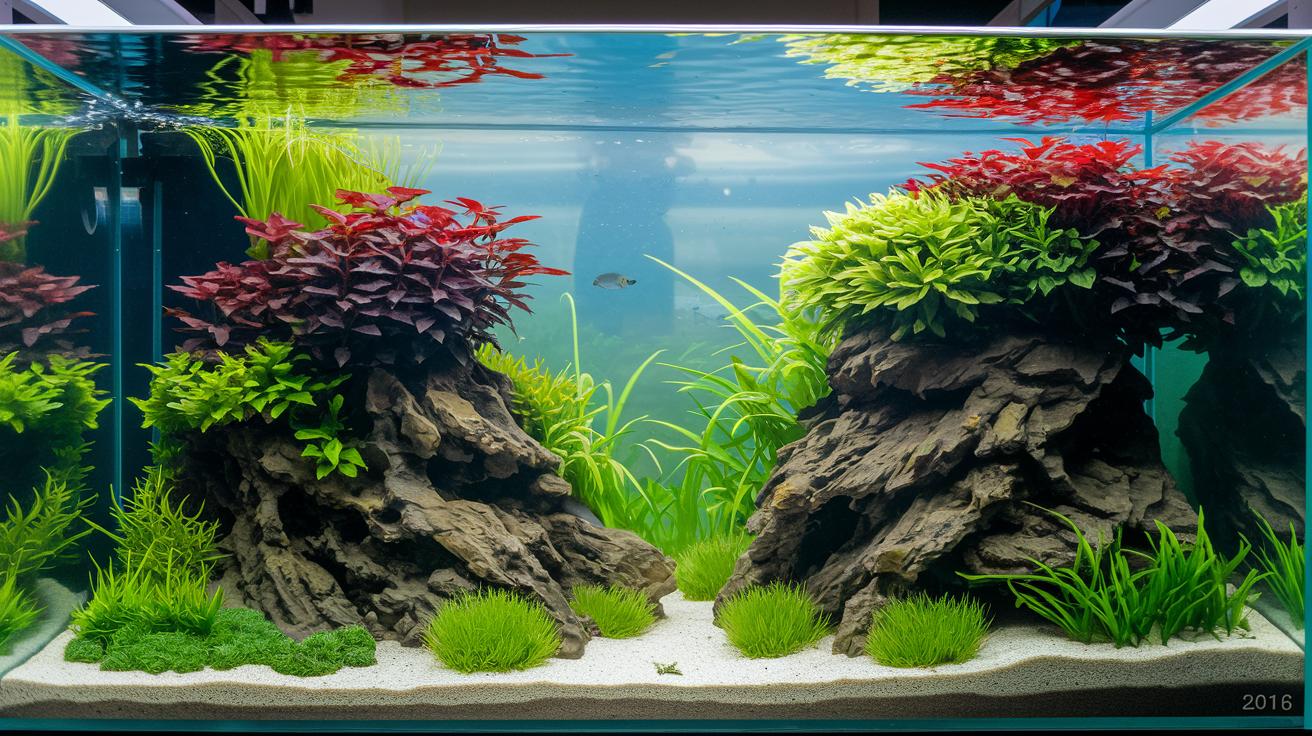
Aquarium plants need light between 400 and 700 nm to create energy and grow, much like how a garden needs sunshine to flourish. When the light is too weak, the leaves may turn yellow and the plants might not grow as well, they're like a little garden trying to bloom in a dim room.
When your tank’s light is too strong, with a Photosynthetically Active Radiation (PAR) above 100 µmol·m⁻²·s⁻¹, algae can take advantage if your nutrients aren’t properly managed. A light that feels natural, ranging from 5000 to 7000 K, helps your plants to thrive while keeping unwanted algae at bay. Adjustable timers make it even easier to mimic the patterns of day and night, just like nature intended.
Getting the right Kelvin rating is important because chlorophyll in the plants soaks up light best around 430 nm and 660 nm. This is like matching the gentle glow of dawn or dusk, it makes your plants feel right at home. Think of it as setting the scene so your aquarium lights gently wake your plants each morning.
By combining a balanced light spectrum with timers, you give your plants and even the algae an environment that feels natural and easy to control.
Lighting Cycles and Their Impact on Fish Behavior and Stress
A steady 8–12 hours of light each day is like nature’s gentle reminder for your fish. It helps them settle into their natural routines for eating, resting, and even breeding, much like the soft ripple of water on smooth stones. When the light changes gradually, your fish can keep their internal clock ticking just right.
Imagine waking up to a sudden, harsh light instead of a warm, gradual sunrise. That abrupt shift can feel shocking, and fish are no different. Using programmable LED lights that slowly brighten at dawn and dim at dusk helps your fish ease into the day. This gentle transition calms them and cuts down on stress, so you see fewer signs like erratic movements or bursts of aggression.
Using timers to guide these light changes is like giving your aquatic friends a friendly nudge each day. They can focus on natural behaviors, searching for food and relaxing, when their light changes are smooth and consistent. In truth, these small changes make a big difference, keeping your tank peaceful and your fish feeling secure.
So, next time you set up your aquarium, think about how a natural light cycle can work wonders for your finned buddies. It’s a little effort that brings a lot of calm, just like the soothing flow of water in your favorite stream.
Balancing Aquarium Lighting to Prevent Algae Overgrowth
Too much light, around 0.5 to 1 watt per liter, can spark algae growth much like overwatering a garden invites weeds. Try keeping your tank lit for only 8 to 10 hours each day. It’s like giving your aquarium a gentle wake-up call, with a soft glow of sunrise instead of a harsh burst of light.
Using covers that diffuse the light spreads it evenly across your tank, which helps avoid dull spots that algae love. Pair this with careful nutrient care to support healthy plant growth and maintain a balanced, peaceful aquatic home.
Specialized Lighting Requirements for Coral and Marine Tanks
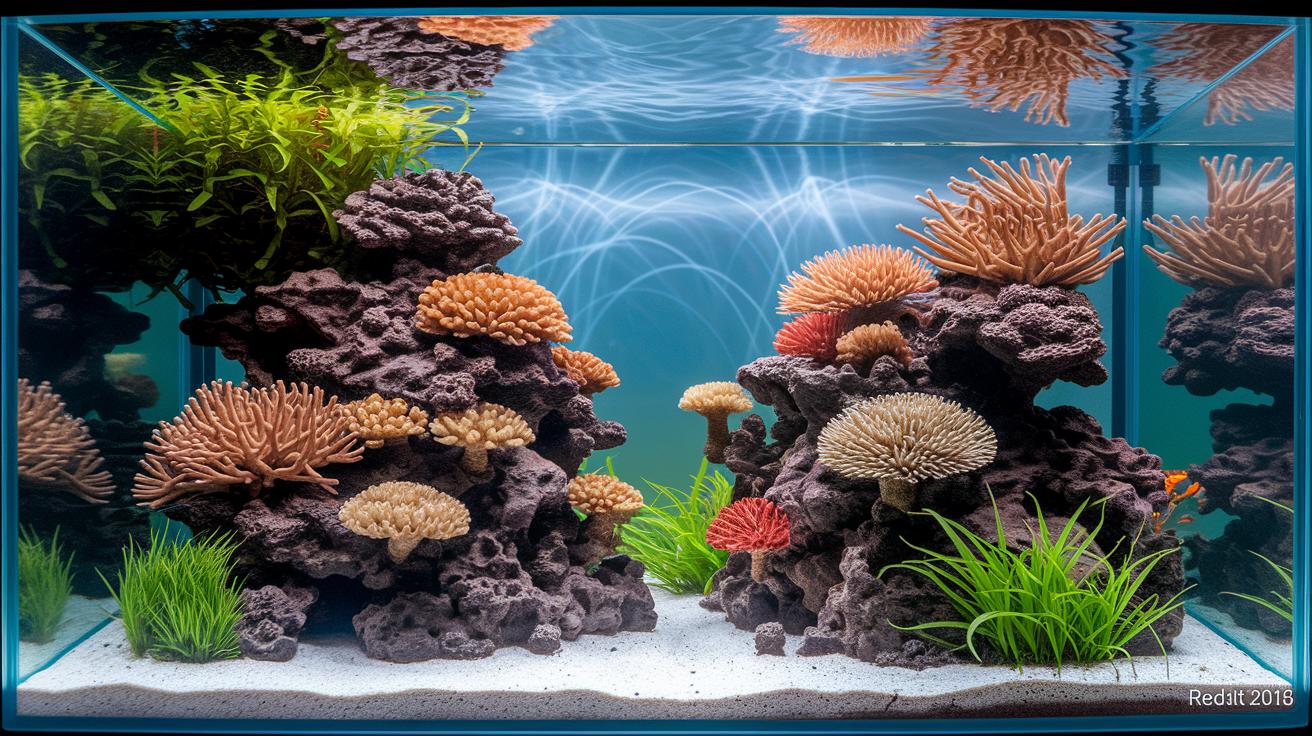
Reef corals rely on a special blue light, between 420 and 460 nm, to help the tiny algae inside them do their food-making process. This simple process gives the corals the energy they need to shine. Soft corals feel happiest with about 50 to 100 µmol·m⁻²·s⁻¹ of light, while LPS do best with 100 to 150. SPS really thrive when they get between 150 and 200 µmol·m⁻²·s⁻¹. Think of it like tuning a musical instrument; each coral type sings its own tune when the light is just right.
High-quality LED lights with adjustable color channels and dimming features help you control both the hues and overall brightness. This means your corals can show off their natural colors and keep a strong, friendly bond with their algae. Picture this: slowly increasing the light at dawn and gently dimming it at dusk, just like the natural rhythm of the ocean.
Using these adaptable lights not only supports coral growth but also creates a cozy, balanced underwater world for every living creature in your tank. The right lighting helps maintain a calm and healthy environment, so your aquatic friends stay happy and stress-free.
For more tips on choosing the best lighting for your reef tank, visit the reef aquarium supplies at https://sweetfysh.com?p=230.
Best Practices for Aquarium Lighting Setup and Maintenance
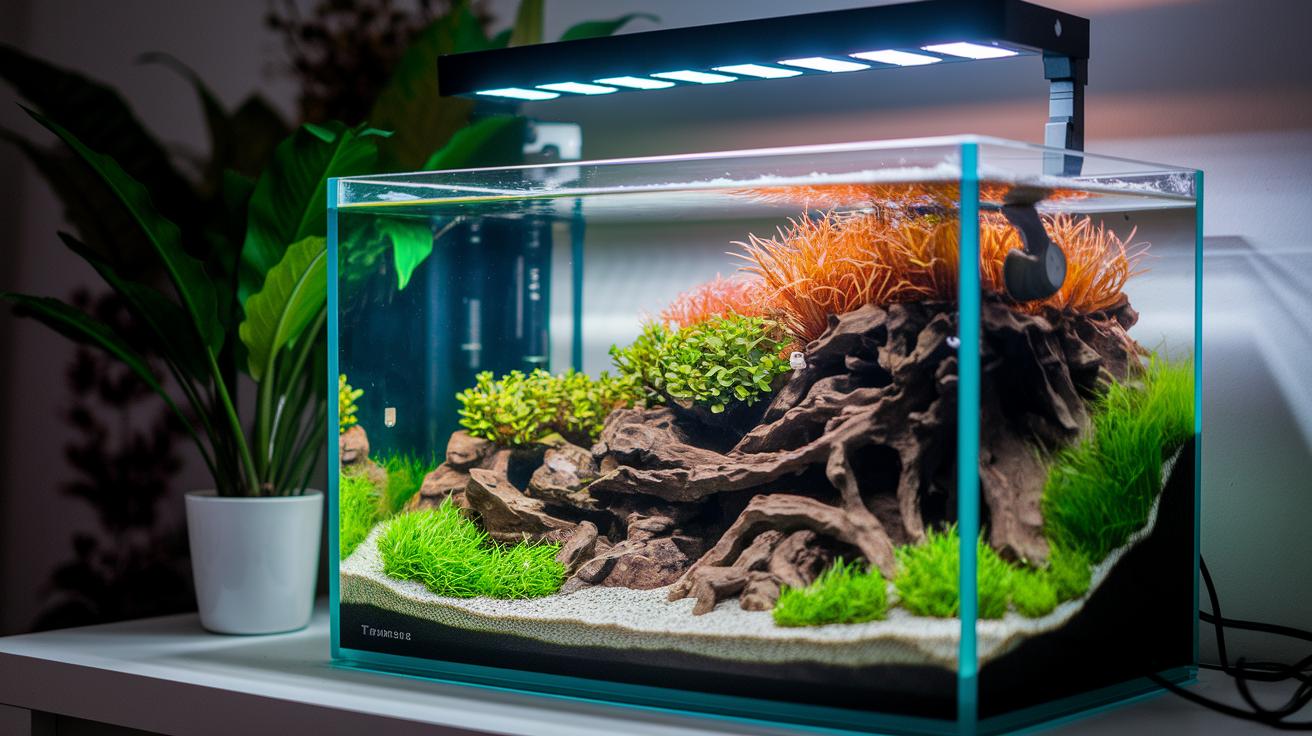
Start by using digital timers to create an 8 to 12 hour light cycle with smooth, gentle transitions as the lights increase and decrease in brightness. This slow change feels a bit like a soft sunrise and a mellow sunset, giving your fish and plants a natural rhythm to follow. Ever notice how the calm energy of early morning light can set the tone for your day?
Keeping your light covers clean is really important. Each month, take a moment to wipe away dust and salt buildup. It’s much like cleaning your car’s windshield to keep the view clear, this way, your plants get the right amount of light, and your aquatic friends enjoy a healthy environment.
Using a PAR meter is a smart way to check that your lights are providing just the right energy. A PAR meter measures how strong the light is, which is key for plant growth and keeping algae in check. Just like tweaking a recipe, you adjust the light’s height or settings until it feels just right for your tank.
Don’t forget to swap out your light sources when they start to dim. Fluorescent tubes tend to lose their glow every 6 to 12 months, while LED modules might lessen in brightness by about 20% after a few years. Upgrading your lights at the right time helps keep your aquarium looking vibrant and healthy.
Also, remember to check your tank’s temperature as you work with the lights. Some lighting options can produce extra heat, and keeping an eye on the temperature makes sure your fish don’t get stressed from sudden spikes.
| Task | Frequency |
|---|---|
| Clean light covers | Monthly |
| Check PAR output | Occasionally |
| Replace fluorescent tubes | 6–12 months |
| Monitor tank temperature | Continuously |
Final Words
In the action, the article showed how controlling lighting helps keep plants vigorous and fish calm. We explored how light spectrum, intensity, and carefully timed photoperiods set the stage for a lively aquatic world.
Each section stressed methods to prevent algae and boost plant growth while maintaining fish well-being. The influence of lighting on aquarium ecosystem health is clear, small tweaks can brighten every corner of your underwater space. Enjoy making your setup a true haven for your aquatic friends.
FAQ
How does proper lighting influence aquarium ecosystem health?
The aquarium lighting supports live plant growth, steers healthy fish behavior, and boosts visual appeal. It helps plants perform photosynthesis and keeps fish from feeling stressed by mimicking natural light cycles.
What spectrum and intensity do aquarium plants need for photosynthesis?
The plants depend on light between 400–700 nm for photosynthesis. Using a balanced spectrum and proper intensity helps the plants thrive while reducing risks like unwanted algae growth.
How do lighting cycles affect fish behavior and stress levels?
The light cycles guide fish daily routines such as feeding and resting. An 8–12 hour cycle with smooth dawn and dusk transitions helps reduce stress and keeps behavior natural.
How can I balance aquarium lighting to prevent algae overgrowth?
Balancing the light by limiting exposure to 8–10 hours daily and pairing it with proper nutrient management keeps algae in check. Light diffusers and timers are great tools for a balanced setup.
What are the specialized lighting needs for coral and marine tanks?
Corals thrive under actinic and blue light spectrums that support their algae partners. Adjustable LED fixtures with proper PAR values match coral needs, enhancing their color and overall health.
What are best practices for setting up and maintaining aquarium lighting?
Use digital timers for an 8–12 hour cycle with gradual light changes, clean the covers monthly, calibrate with a PAR meter, and replace bulbs as needed to sustain a stable and healthy environment.