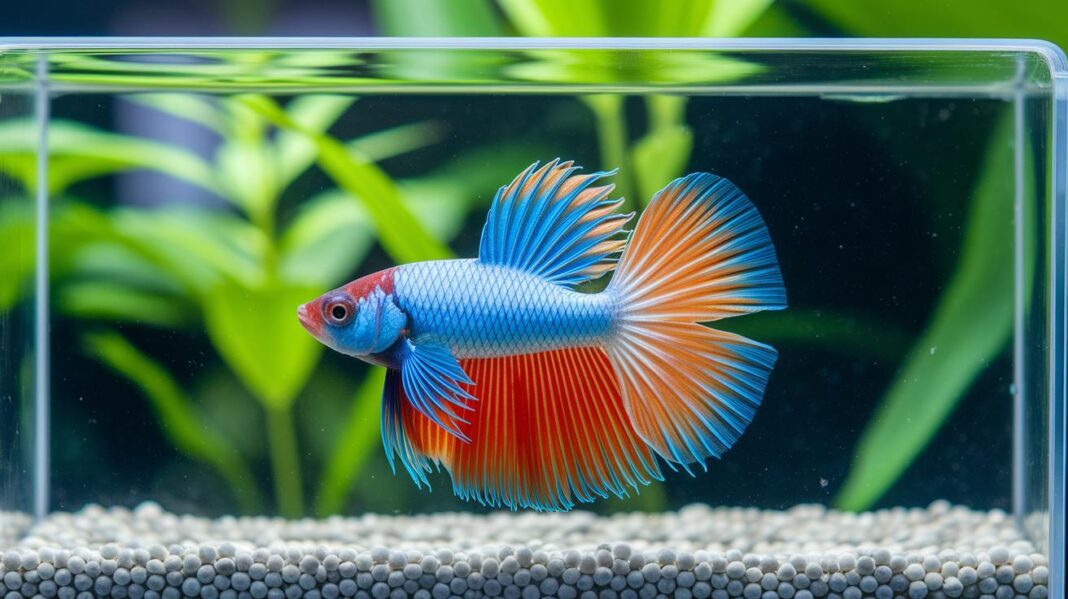

Have you ever thought about turning your aquarium into a living work of art?
Bright freshwater fish add splashes of color and fun movements, like tiny underwater parties.
We explore their cool features, care hints, and all they need to keep your tank happy and healthy.
Whether you’re just starting out or you’re an old friend of fish, these lively companions might surprise you in more ways than one.
So, let’s dive in together and discover the magic of these vibrant aquatic wonders.
Exotic Freshwater Fish: Key Insights on Species, Behavior & Aquarium Care
Exotic freshwater fish are like little underwater gems that light up your tank with bright colors and cool behaviors. These tropical swim buddies come from warm, lively waters where soft currents and lush plants create a natural stage for their colorful show. Neon Tetras and GloFish Danios, for example, are friendly and simple to care for, usually living around three to four years. Meanwhile, the Glass Catfish, with its graceful, almost see-through body, needs a bit more attention but can stick around for up to eight years. Each fish not only brings a burst of color but also enjoys hanging out with its friends, making your aquarium a peaceful, community-like space.
Other special fish like the Kuhli Loach and Flowerhorn Cichlid bring their own unique flair and care challenges. The Kuhli Loach can be a lasting friend, thriving for up to 14 years if you give it the care it needs. On the other hand, the Flowerhorn Cichlid, admired for its vibrant markings, might require a bit more effort even though it can shine for up to 12 years. Also, remember that many of these cool freshwater species need plenty of room. For example, fish such as the Indian Glassfish, Bolivian Ram, Agassiz’s Dwarf Cichlid, and Koi Angelfish do best in a tank of at least 30 gallons, while the Royal Whiptail Catfish prefers around 50 gallons to swim happily.
In-Depth Profiles of Top Exotic Freshwater Fish Species
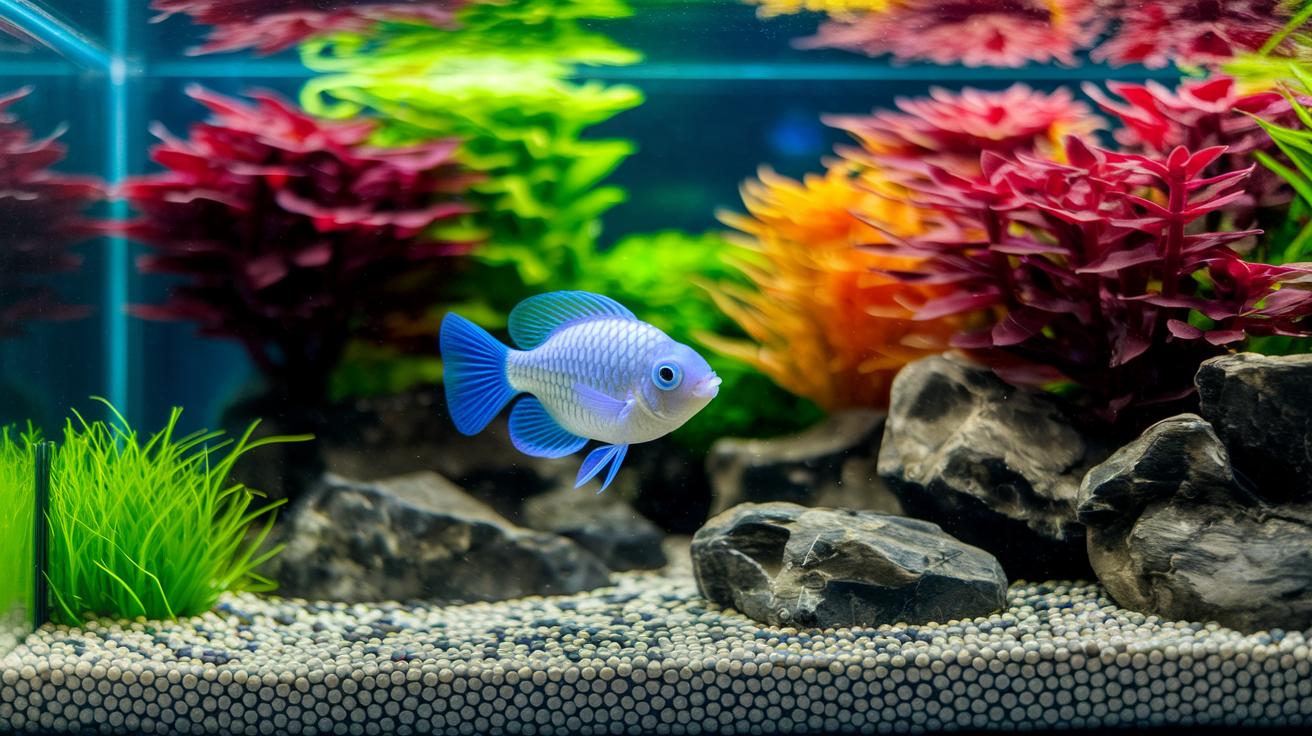
Picking out the right fish for your aquarium is an exciting choice. Color, rarity, and how easy they are to care for all come into play. We’ve put together profiles of different species, from simple, friendly swimmers to those that are a little trickier but truly eye-catching. Each row in the table shows a fish’s life span, the minimum tank size it needs, and its grown-up size. Imagine a GloFish Danio lighting up a cozy tank with its vibrant glow or a big Bichir making a bold statement in a larger setup.
| Species | Life Expectancy | Min Tank Size | Adult Size |
|---|---|---|---|
| GloFish Danio | 3–4 years | 20 gal | 2 inches |
| Neon Tetra | 3–4 years | 20 gal | 1.5 inches |
| Kuhli Loach | Up to 14 years | 30 gal | 4 inches |
| Glass Catfish | Up to 8 years | 30 gal | 4 inches |
| Flowerhorn Cichlid | Up to 12 years | 50 gal | 10 inches |
| Bichir | Varies | 100 gal | 23 inches |
These profiles help you plan your aquarium with confidence. By looking at each fish’s life span, needed tank space, and size as an adult, you can choose the ones that fit your care style and available space. It’s like mixing a burst of color with smart planning. Think of your Neon Tetra as a lively splash of blue that brings gentle energy to your tank.
Aquarium Setup Essentials for Exotic Freshwater Fish
Planning your aquarium is like setting the stage for an amazing underwater world. Start by choosing a tank that fits your space and suits your fish’s needs. Many exotic species do best in tanks holding between 30 and 50 gallons, so checking out ideas for a 30-gallon tank might spark some inspiration. Investing in quality aquarium supplies helps keep your water as clear as a mountain stream and your fish as happy as can be. Getting your setup right means choosing a good filter, the right kind of substrate (that’s the gravel or sand at the bottom), and lighting that all work together, much like a school of fish swimming in sync.
- Pick a tank size that meets your fish’s needs (usually 30–50 gallons for many species).
- Use a filter that circulates 4–5 times your tank’s volume every hour to keep the water steady.
- Let your tank settle for 4–6 weeks so healthy bacteria can grow and take care of the water naturally.
- Choose a pH-neutral substrate that supports the friendly bacteria.
- Add lighting that makes your fish and plants really pop with color.
- Include decor and safe hideaways that let your fish act naturally and feel secure.
By following these simple tips, you'll create a safe and inviting home for your exotic freshwater fish. Enjoy watching your little underwater world come to life, like a gentle ripple brightening your day.
Exotic Freshwater Fish: Vivid Aquatic Wonders

Keeping your tank at a steady, comfortable temperature is like giving your fish a warm, inviting nest. Most tropical fish thrive when the water stays between 74 and 82°F; it’s like their personal, cozy paradise. If the temperature swings too high or drops too low, your fish can get stressed, so a good heater and regular checks are key to keeping that balance just right.
Equally important is getting the pH and water hardness spot on. Think of it like setting the perfect stage for a beautiful underwater ballet. Many tropical fish feel at home when the pH is between 6.5 and 7.5 and the water hardness is around 5 to 12 dGH. For instance, the Black Ghost Knifefish needs a steady, neutral pH, while the Kuhli Loach does best in slightly acidic water. Keeping these levels steady helps your fish remain healthy and happy.
Regular water testing is like taking care of your tank’s daily health check. By checking for ammonia, nitrites, and nitrates, making sure ammonia and nitrites are at 0 ppm and nitrates stay below 20 ppm, you give your aquatic friends the best chance to shine and swim joyfully.
Compatibility and Community for Exotic Freshwater Fish
When setting up an aquarium, choosing fish that get along is key. Imagine a school of Neon Tetras or GloFish Danios, when you have six or more swimming together, they create a sparkling dance in your tank. They bring life and light, much like the gentle ripple of water on a sunny morning. Similarly, quiet bottom dwellers like Kuhli Loaches and Glass Catfish love a soft, flowing environment, adding a soothing touch to your underwater world. These peaceful swimmers blend well together, making your tank feel calm and harmonious.
On the other hand, some fish have stronger personalities. Predatory or very territorial species such as Flowerhorns and Bichirs usually do better on their own or in a much larger, mixed group. Giving these fish a little extra space helps keep the tank peaceful and stress-free. With a bit of thoughtful planning, like deciding which fish go where, you can create a balanced setting where every fish, from the busy Neon Tetras to the more independent types, feels right at home.
Specialized Nutrition & Feeding Regimes for Exotic Freshwater Fish

When you care for your exotic freshwater fish, it’s important to dish out the right kind of food for each one. For instance, friendly omnivores like Swordtail and Platy enjoy high-quality flakes and veggie-based pellets. Herbivores such as American Flagfish thrive on algae wafers and a few lightly steamed veggies. And don’t forget about the predatory types like Peacock Gudgeon and Royal Whiptail Catfish, they do best with live or frozen treats like brine shrimp and bloodworms. Think of it as preparing special meals so every fish feels right at home.
Measuring food carefully is key to keeping your tank clean and happy. Overfeeding can create extra waste, leading to ammonia spikes that upset the balance of your aquarium. Instead, try feeding small portions once or twice a day so each fish can nibble until they’re full, leaving hardly any leftovers behind. Start with modest amounts and adjust based on how much your fish eat.
A balanced diet does more than satisfy hunger, it strengthens your fish’s immune system and helps keep illnesses at bay. Feeding a nutritious mix lets your fish bounce back quickly from little ailments and keeps the water fresh. Regular checks on your fish’s health and cleaning up any uneaten food help maintain a vibrant, healthy aquarium every day.
Responsible Sourcing & Ethical Acquisition of Exotic Freshwater Fish
When you’re ready to add some exotic freshwater fish to your tank, start by finding trusted aquatic vendors who guarantee clean water and healthy fish. Ask them for recent water test results and a solid record of proper care, so you can feel sure your new friends are coming from a reliable source. Imagine a shop where certificates hang proudly on the wall, it really shows they care about every detail.
Once your fish arrive, give them a safe space away from your main tank for 2 to 4 weeks. This little break helps keep any unwanted germs away from your other fish. Also, choosing fish that are bred in captivity, instead of wild-caught ones, helps conserve nature and usually means you get fish that are better suited for aquarium life. By asking questions and doing your homework, you set yourself up to enjoy a lively and healthy underwater world.
Breeding & Conservation Strategies for Exotic Freshwater Fish Rarities

Breeding your unique fish friends takes careful thought and a whole lot of patience. A good first step is to pick fish that get along well and have clear habits when it comes to laying eggs. For instance, killifish often lay their eggs in peat moss or in special tubes, which feel just like their natural hideaways. When you get your special breeding tank ready, set it up with gentle water cleaning and soft lights to make it a comfy space, just like arranging all the right ingredients for your favorite meal.
Selective breeding can help bring out vivid colors in fish like Discus and Flowerhorn. Breeding in a tank gives you the chance to try out freshwater hybrid techniques while also easing the pressure on wild fish. Just remember to mix your fish carefully and avoid pairing too closely related ones. By keeping a balanced gene pool and following good breeding practices, you can help protect these rare freshwater beauties and ensure they continue to light up your aquarium for many years.
Final Words
In the action, we explored how species, tank setups, water conditions, and feeding strategies all intertwine to create a thriving aquatic home. We touched on finding the right space, choosing vibrant decor, and making thoughtful decisions on nutrition and compatibility. Each tip works together to help you provide the best care for your aquatic pets. Remember, every step you take adds to the well-being of exotic freshwater fish and transforms your aquarium into a lively, healthy haven. Enjoy watching your underwater world flourish!
FAQ
Where can I buy exotic and rare freshwater fish both online and near me?
Looking for exotic freshwater fish means exploring online stores and local specialized aquatic retailers. These shops offer a variety of unique and rare species, complete with care guides and health information for your aquarium.
What can a freshwater aquarium fish list include?
A curated freshwater aquarium fish list often features favorites like GloFish Danio, Neon Tetra, Kuhli Loach, and Flowerhorn Cichlid. These lists help hobbyists choose species that best suit their tank size and care needs.
What are considered the most exotic freshwater fish?
When identifying the most exotic freshwater fish, enthusiasts often highlight species with vibrant colors and distinct behavior. Fish like the Flowerhorn Cichlid, Kuhli Loach, and Glass Catfish are admired for their unique charm.
What is the rarest freshwater fish?
Determining the rarest freshwater fish depends on limited availability and breeder practices. Certain species in specialized collections have low numbers and high collector interest, making them prized and hard to find.
What is the coolest freshwater aquarium fish?
The coolest freshwater fish are often admired for their bright colors and playful movements. Many hobbyists favor Neon Tetras and GloFish Danios, which bring a lively and eye-catching presence to any tank.
What are the top 10 biggest freshwater fish?
The top 10 biggest freshwater fish include species known for their impressive size, such as the Bichir. Detailed size charts from reputable aquatic guides can help you discover other large and striking freshwater specimens.