

Have you ever thought your fish tank could be its very own little world? This guide helps you set up a tank where live plants gently clean the water and tiny bacteria take care of the fish waste. Imagine building a system that makes cleaning easier while keeping your aquatic friends happy and healthy. We lay out the simple steps, from picking out the right gear to arranging a balanced underwater scene. Get ready to transform your tank into a lively, low-maintenance home where your fish can thrive.
Building Your Balanced Aquarium Ecosystem: A Step-by-Step Guide
Imagine having your very own little underwater garden at home. A self-sustaining tank uses lively plants as natural filters and friendly bacteria to break down fish waste. Fast-growing stem plants and floating ones work like nature’s own cleaning crew. Meanwhile, helpful bacteria turn harmful ammonia into nitrites and then into the safe nitrates that keep your fish happy. Smart lights, set for about 6 to 8 hours a day, give the plants a gentle boost, just like sunlight does in nature.
Over time, this kind of aquarium makes life so much easier. With good planning and a careful setup, you end up doing fewer big water changes and stressful cleanings. Once your tank settles down, you’ll see almost no problems, and your aquatic pals will enjoy a healthier, calmer home. It’s like having a little oasis that only needs the occasional top-up instead of constant attention.
To get your tank just right, follow these four simple steps:
- Planning and equipment selection
- Tank assembly and substrate installation
- Cycling and beneficial bacteria establishment
- Planting, stocking, and acclimation
By taking these steps, you let nature work its magic for you. Plants soak up extra nutrients, and bacteria process waste just like in a natural pond, keeping your fish safe from sudden changes. The cycling process, which usually takes about 4 to 6 weeks, lets your tank settle so that when you add your new aquatic friends, they step into a calm, vibrant place. Enjoy the peace and beauty of an aquarium that feels as natural as a gentle stream.
Essential Equipment and Components for Your Aquarium Ecosystem Setup

Substrate Selection and Preparation
Begin with a sturdy foundation by adding 1.5–2 inches of nutrient-rich, plant-focused gravel. Rinse it well using clean water so nothing clouds your tank. This base not only feeds your plants with essential nutrients but also helps balance water chemistry. It offers a snug place for plant roots to grip, making your underwater home bright and welcoming.
Filtration Options and Media
A reliable filter that suits your tank size is key to a clear, healthy setup. You can choose from canister, hang-on-back, or sponge filters, each with its own trusty role. They work on three levels: first, biological, where friendly bacteria munch away on harmful substances; second, mechanical, which catches drifting particles; and third, chemical, that soaks up unwanted compounds. With the right filter, your aquatic pals enjoy cleaner, fresher water.
Aquarium Lighting Setup
Lighting plays a big part in making your tank look natural and vibrant. Using LED fixtures with an adjustable spectrum (ideally between 6500 and 7000K) mimics natural sunlight and helps plant photosynthesis. Keep the lights on for about 6–8 hours a day to encourage healthy plant growth while keeping algae in check. This balanced approach lets your underwater garden shine and keeps the ecosystem in tune.
Heating, Monitoring, and Water Treatment Accessories
Maintaining the right water temperature, between 24–28 °C, is like setting the perfect mood for your fish. Use a dependable heater and a thermometer to keep track, and test the water regularly with liquid kits for ammonia, nitrite, and nitrate levels. Adding a dechlorinator transforms tap water into a safe haven for both fish and plants. An optional CO₂ injection system can give plants an extra boost. When you're ready to upgrade your setup, check out trusted online aquarium supplies to keep your underwater world thriving.
Understanding the Nitrogen Cycle and Water Chemistry in an Aquarium Ecosystem
When you add fish to your tank, their waste releases ammonia into the water. This ammonia starts a natural process that helps keep your fish safe. Friendly bacteria called Nitrosomonas quickly jump in to change the harmful ammonia into nitrite. Then, another helpful group called Nitrobacter turns that nitrite into nitrate, a much milder substance that plants can soak up. This whole journey, known as cycling, usually takes about 4 to 6 weeks. So, it's best to let your tank settle for a bit before you introduce any fish. It’s like waiting for the gentle current to form before you sail off on a new adventure.
Keeping your water balanced is key to a happy, thriving tank. You want to see 0 parts per million (ppm) of ammonia and nitrite, with nitrates kept below 20 ppm. The water should feel just right, with a pH between 6.5 and 7.5 and a temperature that stays between 24 and 28 °C. Regular tests with liquid kits help ensure that your tank conditions are just right for new fish. And if you add an optional CO₂ system, it may even allow for a few more fish without stressing them out.
| Cycle Stage | Process | Approximate Duration |
|---|---|---|
| Ammonia Conversion | Ammonia is changed into nitrite by Nitrosomonas | 1–3 weeks |
| Nitrite Conversion | Nitrite is changed into nitrate by Nitrobacter | 1–3 weeks |
| Stabilization | Nitrate builds up as plants take it in | 1–2 weeks |
Selecting Plants and Aquatic Life for a Self-Sustaining Aquarium Ecosystem
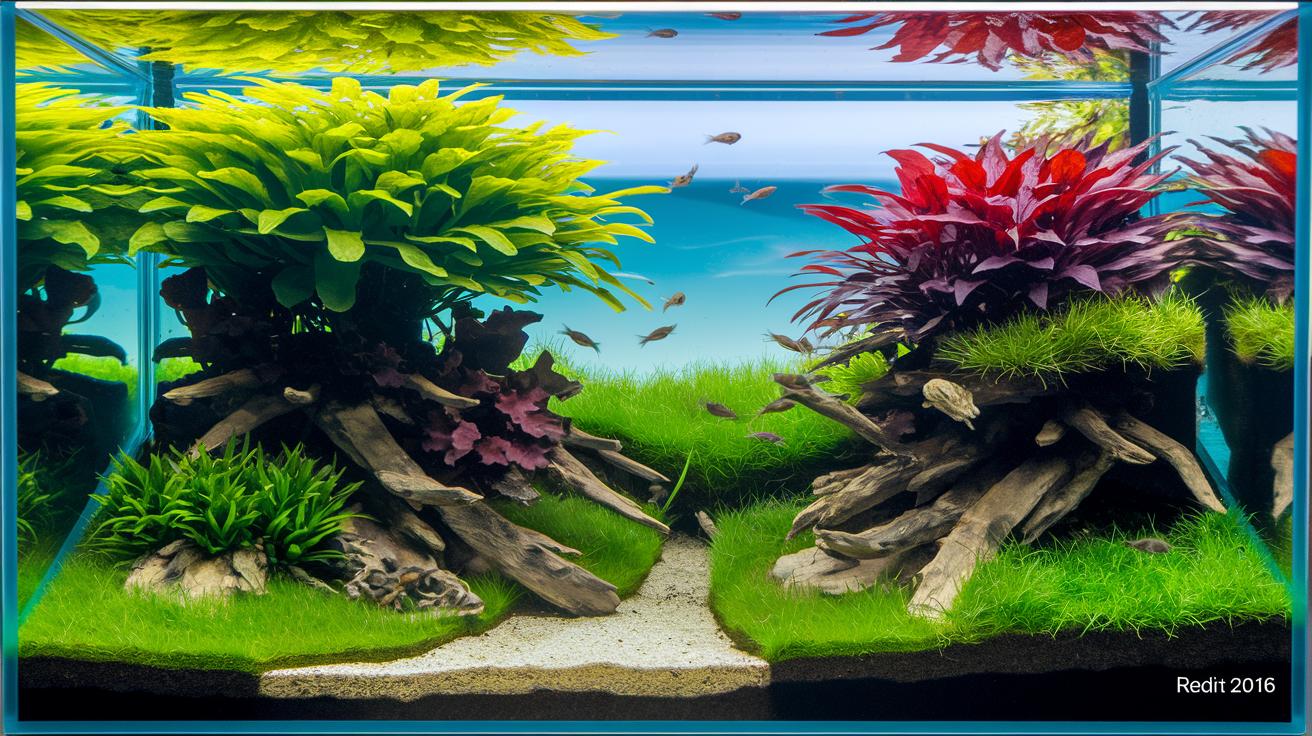
Pick plants that not only brighten up your aquarium but also lend a helping fin in keeping your water clean. Fast-growing stem varieties like hornwort and Ludwigia, plus floating ones such as duckweed, quickly suck up excess nutrients. This natural filtering is like giving your tank a refreshing burst of health, which keeps algae at bay and the water balanced.
Start out with plants that are known to thrive even without high-tech care. Java fern, Anubias, and Amazon sword are favorites because they easily adapt to different conditions and don’t require too much attention. Their hardy leaves and slow growth make them perfect for beginners. I once heard a friend say, "A tank without these plants is like a garden without flowers!" Their presence lays a firm foundation for a naturally self-sustaining setup.
When it comes to fish and little critters, choose species that live in harmony. A good rule is about one inch of fish for every gallon of water to prevent overcrowding and stress. Adding shrimp or snails can further boost the diversity. They work as tiny helpers by munching on algae and cleaning up leftover bits, keeping your underwater realm tidy and happy.
Introduce your aquatic buddies gradually and let time do its magic. Begin with just a few fish and watch how the water quality holds up over the next few weeks. As your plants and helpful bacteria settle in, you can slowly add more fish. Only think about larger groups once you’re sure your tank can handle the extra life.
Maintenance, Troubleshooting, and Long-Term Care for Your Aquarium Ecosystem
Keeping your tank in good shape is like watching the calm ripple of water on a quiet pond. Once you set up your aquarium, you only need to top it off now and then to make up for evaporation. It’s a good idea to test your water weekly for ammonia, nitrite, and nitrate so you can notice any changes early. By sticking to a routine, you’ll catch problems before they disturb the peaceful home for your fish.
Taking care of your filter is just as important. Clean it once a month using water from the tank to help keep those good bacteria that work behind the scenes. When cleaning time comes, grab your tools and check out the recommended items at this page for trusted aquarium supplies. A well-kept filter means fewer issues and a healthier underwater world.
Managing algae and handling emergencies are key parts of keeping your tank balanced. Fresh water top-offs can stop buildup, while live plants naturally absorb extra nutrients, which helps control algae growth. If you see dead plant matter, remove it right away. And if water tests show sudden changes, take a moment to check your filters and adjust the water levels. This steady care keeps your aquarium as soothing as a quiet pond on a lazy afternoon.
Final Words
in the action, we walked through planning a balanced tank, picking equipment, and building a thriving underwater world. We shared the basics of a self-sustaining system through substrate selection, proper lighting, and the natural nitrogen cycle. Plant and fish matching make your setup truly special. This step-by-step aquarium ecosystem tutorial gives you the roadmap to a low-maintenance, healthy aquatic space. Every part of your setup adds charm and comfort to your underwater haven. Exciting and peaceful days are ahead with your new aquatic world.
FAQ
How do I follow a step-by-step aquarium ecosystem tutorial for beginners on YouTube?
Following a step-by-step YouTube tutorial helps you plan, set up, and maintain your aquarium ecosystem. It guides you through assembling the tank, cycling bacteria, and stocking aquatic life with clear visual instructions.
What is a self-sustaining fish tank ecosystem kit and how does it work?
A self-sustaining fish tank ecosystem kit provides all the equipment you need to build a balanced tank. It uses plants and beneficial bacteria to naturally filter water and create a low-maintenance aquatic habitat.
How can I create an aquarium ecosystem diagram or project at home?
Creating an aquarium ecosystem diagram helps you map out each stage of your setup. It visually details equipment placement, substrate layers, cycling stages, and the positioning of plants and fish for a healthy environment.
How do I start and set up an aquarium ecosystem step by step?
Starting an aquarium ecosystem involves planning, assembling your tank with proper substrate, cycling beneficial bacteria, and then gradually adding plants and aquatic life to build a balanced habitat.
How do you cycle a fish tank step by step?
Cycling a fish tank involves letting beneficial bacteria convert toxic ammonia into nitrite, then nitrate over 4–6 weeks. This step-by-step process stabilizes water quality, making it safe for fish before stocking.
Can I leave my aquarium light on 24/7?
Leaving your aquarium light on continuously is not advised. A set 6–8 hour light cycle supports healthy plant growth and limits algae development, keeping your aquatic habitat calm and balanced.