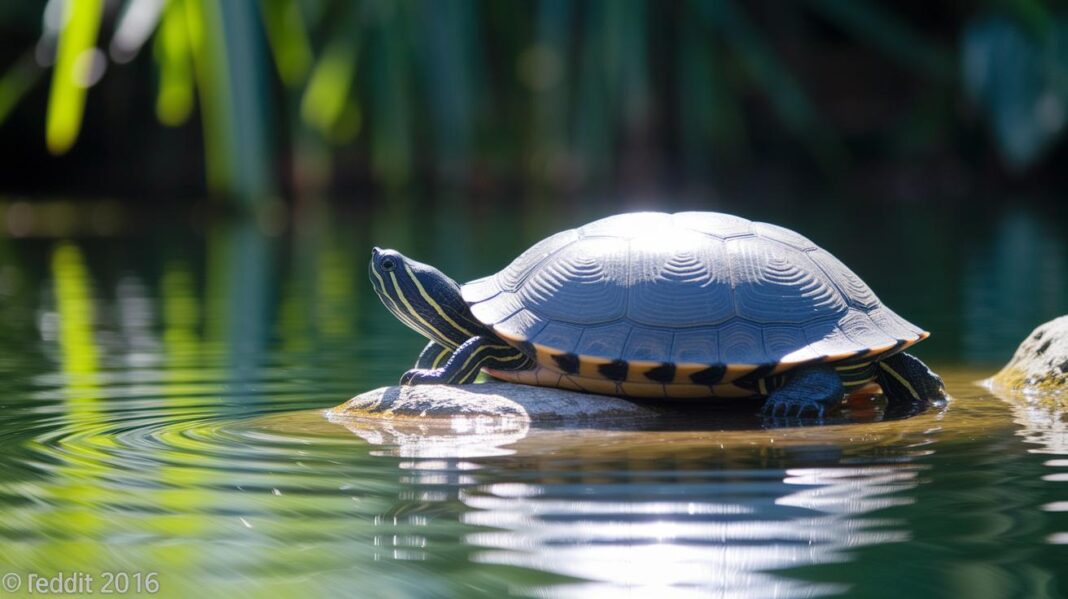

Ever think about whether your turtle might outlive you? It's pretty amazing, some turtles only live for a few decades, while others sail past a hundred years.
Just like the gentle ripple on a quiet pond, each turtle moves through its life in its own unique way. In this piece, we'll share some cool facts about how long different turtles can live and reveal simple tips to help your shelled buddy flourish for many years ahead.
Imagine watching your turtle glide gracefully through the water, ever steady and calm. With a little care and understanding, you can make sure your friend keeps enjoying its underwater world for as long as possible.
Average Turtle Lifespans Across Common Species
Turtle lifespans can really surprise you. Some turtles live only a few decades while others go on for over a hundred years. It all comes down to the species, and knowing which one you have helps you create the best little underwater home for them. I love thinking about how a giant tortoise, for example, can live so long, it reminds me of a quiet, steady current that endures through time.
Here's a fun fact: Jonathan, a Seychelles giant tortoise, has reached an incredible 190 years. Amazing, right?
| Species | Lifespan |
|---|---|
| Aldabra giant tortoise | 100–150 yrs (record 190 yrs) |
| Seychelles giant tortoise | 80–120 yrs (Jonathan at 190 yrs) |
| Red-eared slider | 20–30 yrs |
| Painted terrapin | 50–70 yrs |
These numbers show that the length of a turtle's life can span from just a few decades to nearly a century or more. Each species has its own needs and personality, much like different fish in a warm, bustling reef. Whether you’re caring for a lively red-eared slider or a regal giant tortoise, learning about their natural lifespans is the first step to giving them a long, happy life in your care.
Key Factors Influencing Turtle Longevity
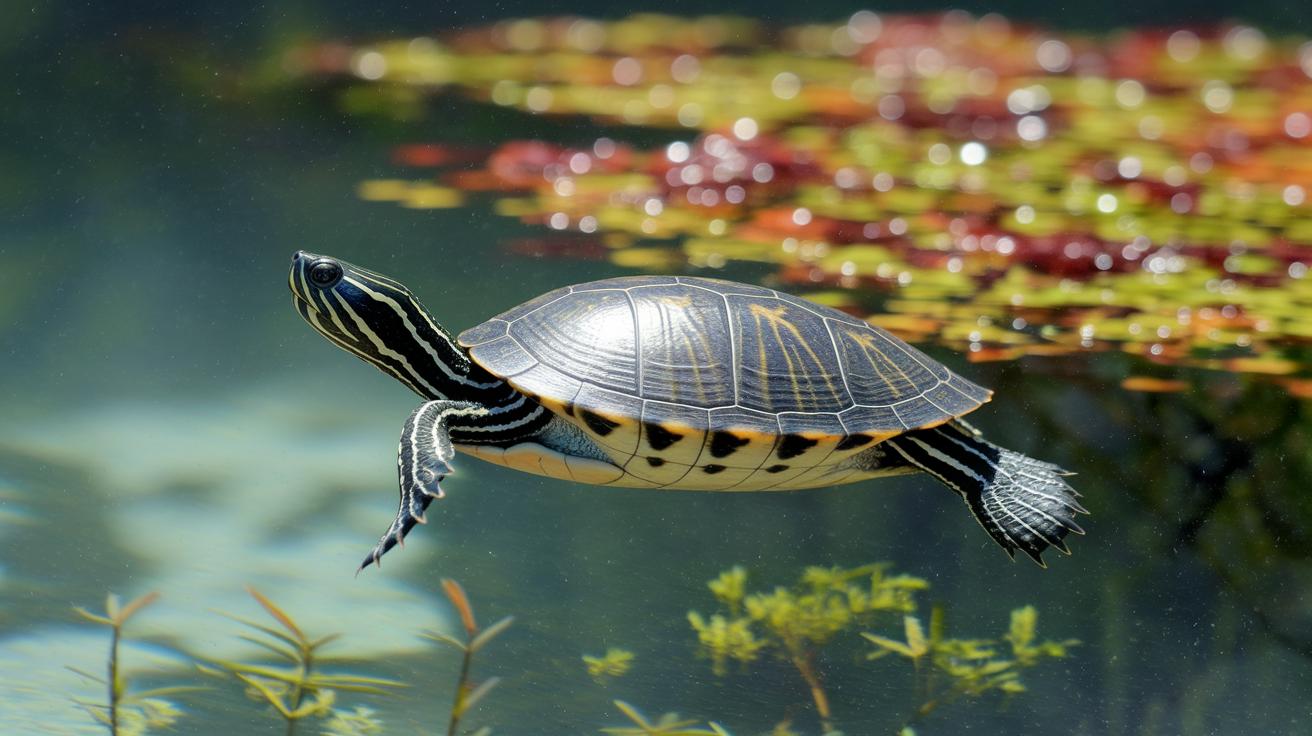
Turtles live longer when their home and food come together just right. The spot where your turtle swims sets the pace for its life, affecting everything from its metabolism to how gracefully it ages. Keeping the water at a comfy temperature and ensuring it's clean and safe works like a gentle nudge to keep their bodies in balance.
Feeding your turtle the right grub is a bit like preparing a special meal. Softshell turtles, for example, thrive on a diet of fish and meat, while red-eared sliders do best with a mix of insects, fish, and veggies. Every choice, from the water’s warmth to the meal on the plate, helps set a perfect stage for their everyday performance.
Health care is another key piece of the puzzle. Dirty water, a lack of vitamin A, and issues like abscesses, shell or respiratory infections, and parasites can really dampen a turtle’s spark. Regular check-ups, including screenings like fecal tests, work like a daily dose of care, catching small troubles before they turn big.
All in all, a balanced environment, a thoughtful diet, and routine health care ensure your turtle’s world stays calm, vibrant, and full of life.
Wild vs. Captive Turtle Lifespans
Wild turtles face many challenges that can cut their lives short. They must dodge predators, resist harsh weather, and battle disease while coping with habitat loss and polluted or scarce water. It’s a constant struggle, like swimming against a strong current every day. In a captive environment, though, things change. With steady care and safety, many of these risks fade away, giving turtles a smoother path to a longer life.
Take red-eared sliders as an example. Out in the wild, these turtles usually live between 10 and 20 years, squeezed by nature’s hazards. But when they’re lovingly cared for, where food is plentiful, safety is a priority, and water stays clean, they often enjoy a life of 20 to 30 years. Box tortoises show an even bigger difference. In well-managed reserves, they can live over 80 years, while their wild cousins may only reach around 50.
Knowing exactly which species you have is key to providing the right care. Once you understand your turtle’s type, you can set up the ideal habitat, manage temperature just like you’d keep a cozy pond, and ensure that the water is always fresh. With careful, routine attention and regular check-ups, your pet turtle can really thrive, turning captivity into a bridge toward a longer, more vibrant life.
Record-Setting Turtle Lifespans That Define Reptilian Longevity
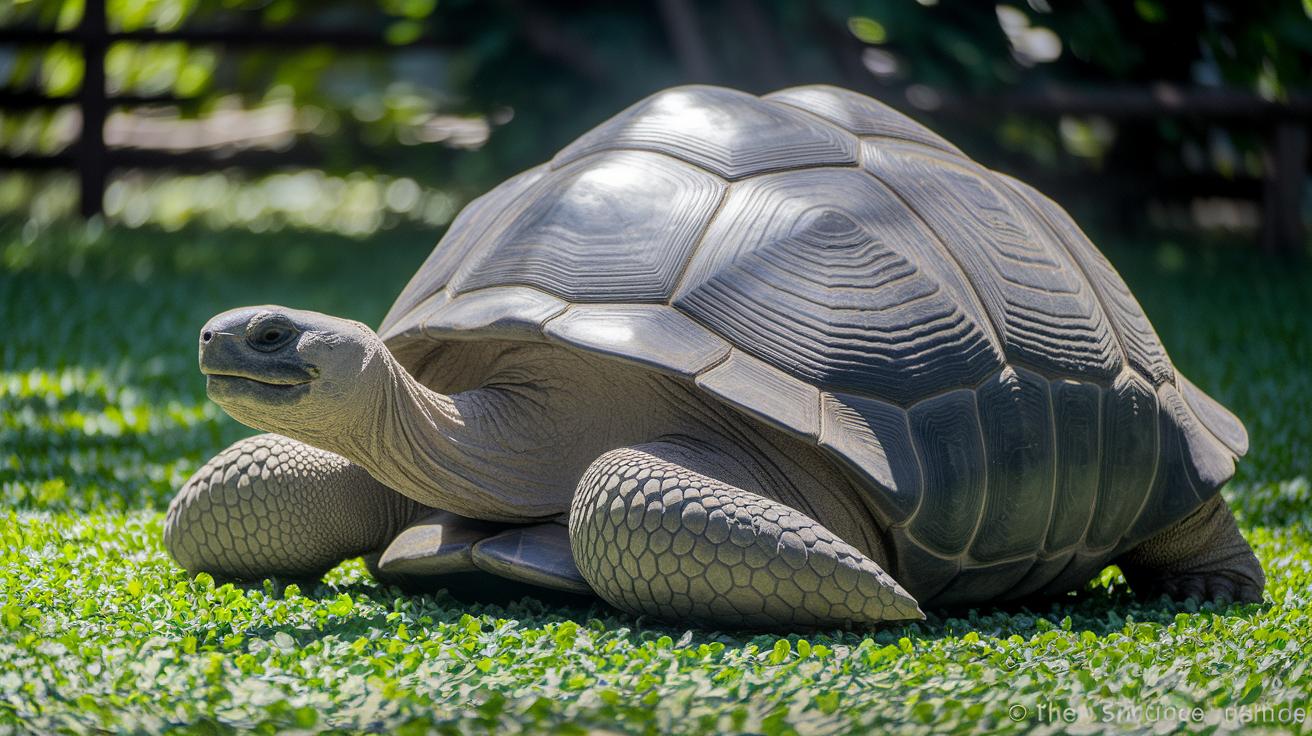
Turtle lifespans can feel like a journey through time. Imagine Jonathan, a Seychelles giant tortoise who has swum through 190 years on the island of St Helena. Then there’s Goober, an Aldabra giant tortoise who arrived as an adult in 1968 and may well be journeying toward two centuries. Even alligator snapping turtles in North American reserves have made it to 150 years. These stories remind us that reptiles can age in ways that seem almost magical, each year adding a new, inspiring chapter to nature’s tale.
| Species | Record Age (yrs) | Location/Notes |
|---|---|---|
| Seychelles giant tortoise | 190 | St Helena (Jonathan) |
| Aldabra giant tortoise | ~170* | Zoo estimation (Goober) |
| Alligator snapping turtle | 150 | North America reserve |
| Painted terrapin | 80+ | Southeast Asia research |
| Red-eared slider | 40 | Captive record |
These numbers show the amazing range in how long these creatures can live. A red-eared slider might only reach about 40 years when cared for at home, while others can enjoy decades, or even nearly 200 years, with the right care. With a blend of proper attention, a comfortable habitat, and a bit of nature’s enchantment, turtles keep an unhurried pace that defies time. It’s a beautiful reminder that even the smallest of creatures carry the legacy of ages past, echoing the gentle, persistent rhythm of the natural world.
Tips on Extending Your Pet Turtle’s Lifespan
Feeding your turtle right is like cooking a nourishing meal for a friend. Make sure to include leafy greens, veggies, and the proper proteins when needed. And don’t forget clean, filtered water, it's as essential as the food. This balanced diet helps your turtle grow a strong shell and keeps its body running smoothly.
Creating a comfy home is just as important. Set up your tank with UVB lighting, which acts like natural sunlight, and a heat lamp to build warm zones that support digestion. A well-planned environment not only helps your turtle feel cozy but also encourages steady activity, much like the gentle flow of a peaceful stream.
Regular check-ups bring peace of mind too. Think of annual vet visits as your turtle’s routine doctor appointments. Getting tests done, including screenings for parasites and signs of vitamin A shortage, ensures any problems are spotted early. It’s a small effort that makes a big difference over time.
Finally, dress up your turtle’s space with natural decor and hiding spots. These little touches reduce stress and boost its curiosity, making every day a little adventure. By following these easy steps, you’re giving your turtle the best chance to thrive and enjoy life to the fullest.
Methods for Estimating Your Turtle’s Age

Trying to count the rings on a turtle’s shell might sound like a fun idea, but once they grow up, those rings become less reliable. Instead, consider looking at factors like the turtle's weight and the size of its shell. These clues can hint at its age, as different species tend to have their own growth patterns. For example, a turtle named Goober arrived at the zoo in 1968 as an adult. Even if the rings don’t give the full story, that year helps us narrow down its age. A friend once compared it to reading an old, faded calendar, over time, some marks just blend away.
Veterinarians have other tricks up their sleeves too. They might use X-rays to look at how the bones have hardened or check the turtle’s overall health to get a clearer picture of its age. These techniques help spot small changes in the bones that come with growing older. When you mix these scientific methods with old records, you end up with a handy age chart that makes it easier to understand just how old your turtle might be.
Final Words
In the action, the article walked through turtle lifespans, care tips, and ways to create a comfortable home. We explored various species, compared wild settings to care in captivity, and shed light on age estimation. Each section aimed to blend practical guidance with clear examples.
Remember, when you ask how long do turtles live, the answer can vary widely. Keep caring for your pets, and happy fish keeping!
FAQ
How much do turtles cost?
The cost of turtles varies by species, age, and location. Prices generally range from around twenty dollars for common types up to several hundred dollars for rarer or larger species.
How long do turtles live in captivity or as pets?
The lifespan of pet turtles in captivity typically ranges from a few decades for some species to over a century for others with proper diet, clean water, and careful care.
How long do turtles live in the wild?
The lifespan of wild turtles is often shorter than those in captivity due to natural predators and environmental challenges, generally spanning from about twenty years to several decades.
How long do tortoises, sea turtles, and snapping turtles live?
The lifespans differ among species: tortoises can surpass 100 years, sea turtles live for 50 years or more, and snapping turtles may reach 100–150 years in protective settings.
Why do turtles live so long?
The long life of turtles comes from their slow metabolism and hard shells, which provide natural defenses. In captivity, careful care and stable environments help them reach impressive ages.
Can turtles live up to 1,000 years?
The idea that turtles live up to 1,000 years isn’t backed by evidence. Scientific data shows that while many turtles have long lifespans, they typically live for decades, not centuries.
How do turtle lifespans compare to dogs and cats?
Turtle lifespans far outlast those of common pets. Dogs and cats usually live about 10–15 years, while many turtles live for several decades when cared for properly.