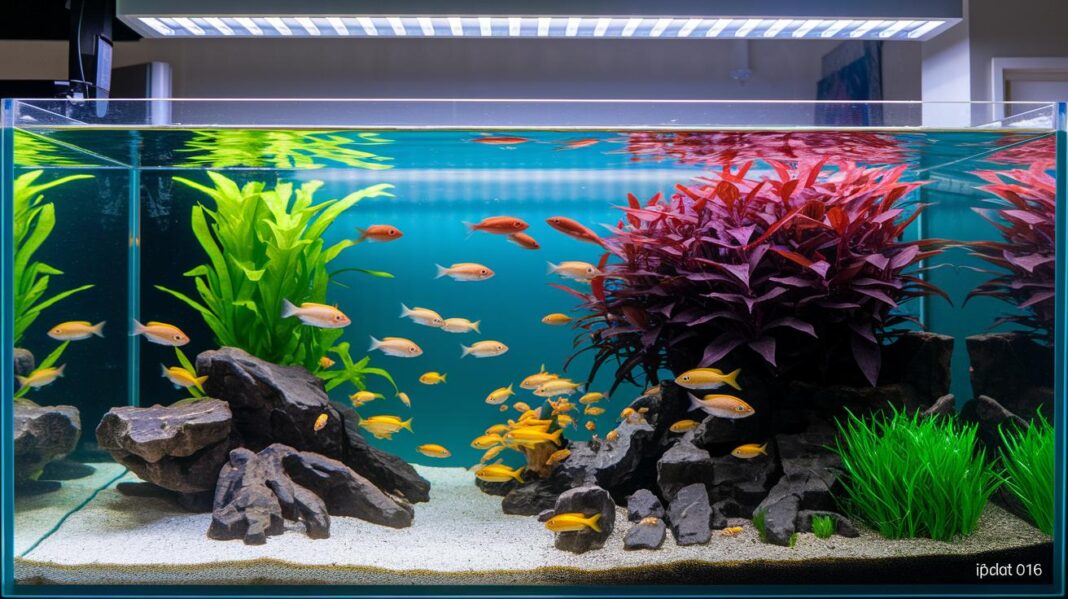

Have you ever noticed your tank feeling a bit off even when everything seems just right? It’s like a quiet whisper beneath the water’s surface, and that whisper is your water quality, the secret hero behind your fish’s happy dance.
When elements like pH, ammonia, and nitrites are in perfect harmony, your fish can relax and let their true colors shine. Even a tiny shift can disrupt this balance, leading to surprising behavior and a loss of that vibrant sparkle. Let’s dive in and explore how keeping the water just right helps your aquatic home stay peaceful and radiant.
Core Water Quality Parameters for Aquarium Ecosystem Stability
Keeping an eye on water quality is the heartbeat of any healthy aquarium. When pH is just right, between 6.5 and 7.5 for freshwater, or 7.8 to 8.5 for saltwater, your fish stay calm and colorful.
It’s important to have ammonia and nitrite at 0 ppm because even a little bump can stress your fish out, making them swim in odd patterns and even gasp for air. Think of it like wiping the fog off a mirror; a clear reading keeps your fish looking and feeling great.
Regular checks help keep nitrates below 20 ppm. Even small rises can disturb the balance of your tank, sometimes leading to fin rot or making your fish sluggish. Another key point is watching water hardness by measuring dissolved calcium and magnesium. For example, tropical fish do best when temperatures remain cozy between 75 and 82°F, thanks to a trusty heater and controller.
When all these water factors work together, your aquarium becomes a peaceful, balanced home. This harmony prevents runaway algae growth and keeps beneficial bacteria busy breaking down waste. With careful water quality checks, you don’t just help your fish thrive, you create a beautiful underwater scene where every element, from the substrate to live plants, plays its part in a stable ecosystem.
Nitrogen Cycle Management’s Role in Water Quality Stability
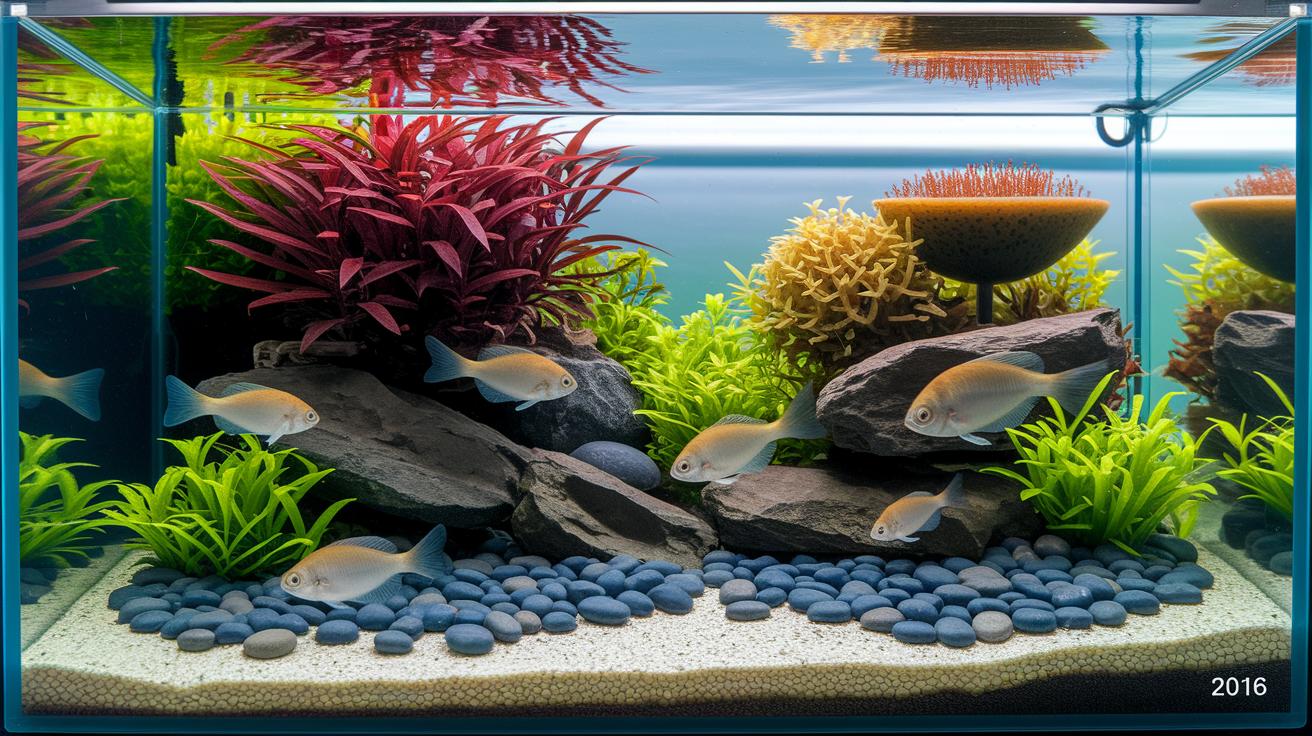
It takes about 4 to 6 weeks for your aquarium's nitrification cycle to settle in. During this time, special bacteria work hard to change harmful ammonia (NH3) into nitrites and then into safer nitrates. Adding pure ammonia using a fishless cycle is like adding the right spice to your favorite meal, each step must be just right so the bacteria can thrive without stressing your fish.
Good bacteria love to call textured surfaces home, like quartz, basalt, or volcanic lava. These surfaces help the colonies clear out unwanted compounds and keep your tank's chemistry steady. If you choose a fish-in cycle, you'll need to watch your ammonia and nitrite levels closely. A little extra care with ammonia control and regular water changes will go a long way.
Whether you add pure ammonia in a fishless cycle or test water often in a fish-in setup, every step counts. Rinsing your filter media with a bit of tank water helps keep these helpful bacteria safe. With steady monitoring and some thoughtful care, you'll create a vibrant, balanced tank where life flows as gently as a soft stream.
Filtration System Design for Optimizing Water Quality in Aquariums
Your aquarium’s filter is sort of like its backbone. It keeps everything in balance using three cleaning methods: mechanical, biological, and chemical. Canister filters, for example, can handle heavy loads, catching big bits of waste like an extra pair of hands tidying up after your fish.
Using things like sponges or trickling biofilters is like giving your water a gentle strain. They catch little bits of debris while providing a cozy home for friendly bacteria. These little helpers break down waste, so be sure to rinse your filter media in some tank water to keep them happy and active.
Chemical filters, such as activated carbon or resins, work like tiny sponges that suck up dissolved impurities, unwanted odors, and discolorations. Mix these with mechanical and biological filters, and toxins shrink while your water becomes clear and inviting.
Don’t forget about the bottom of your tank. Choosing materials like natural stone or gravel not only supports those beneficial bacteria but also lets oxygen flow through your aquarium. Keeping the right water flow is like having a gentle river, it clears waste without disturbing your tank floor, making it easier for your fish to breathe.
It’s really important to keep your filters free of clogs. When gunk builds up, it can lead to toxins hiding in the water and messy flow. Regular cleaning of all your filter parts will help maintain stable water chemistry and keep your aquarium looking vibrant.
Routine Water Testing and Quality Monitoring for Ecosystem Stability

Keeping your aquarium in top shape means checking the water regularly. Using a good test kit, whether it's a liquid type that you mix or a digital one that gives fast readings, lets you know the levels of pH, ammonia, nitrite, and nitrate. It’s like having an early-warning system so you catch any changes before they stress your fish. Just a heads-up: if you're using a digital tester, make sure to calibrate it each month with the right tool so you always get spot-on readings.
Taking a water sample from the middle of the tank gives you a clear picture of your tank’s health. This simple step lets you see real trends over time, like if ammonia starts to climb or if there's a hint of extra algae growing. It’s a bit like watching ripples in a pond; small changes can tell you a lot about what’s going on below the surface. You might even try a few different test kits to see which one fits best with your routine and budget.
The trick is to be gentle when you scoop out a sample so you don't disturb the tank's decor. Both liquid and digital methods have their own perks, and by keeping track regularly, you're not just checking numbers, you’re looking out for your aquatic friends. Quick action when you spot a change can help prevent bigger issues, keeping your underwater world calm and healthy.
Scheduled Maintenance Practices to Preserve Water Quality and Stability
Before I truly got the hang of caring for my tank, I discovered that a few regular tasks can keep your water sparkling and your fish feeling calm. Regular water changes are really the heart of a happy aquarium. Swapping out 10–25% of your water every one to two weeks with water that’s been dechlorinated or softened helps wash away extra nitrates and impurities. This small routine step keeps your water chemistry just right, making algae problems less likely.
When feeding your fish, only offer what they can gobble up in two to three minutes. Overfeeding can leave bits of food behind that start to decompose and throw your water balance off track. Little by little, this measured approach stops harmful compounds from building up. And if you spot any dead plants or fish, take them out straight away so that toxins don’t sneak back into your tank.
While vacuuming the gravel, be gentle. Minimizing disturbance of the substrate means you keep those good bacteria busy and intact, all while cleaning up leftover food and debris. You might even think about adding some algae-eating helpers like shrimp or Otocinclus. These small critters work hard to keep algae in check and help maintain a clear environment.
By following these simple, sustainable tank routines, you help ensure your aquarium remains a stable and healthy little world.
Aquatic Plants, Lighting Intensity, and Their Influence on Water Quality Stability
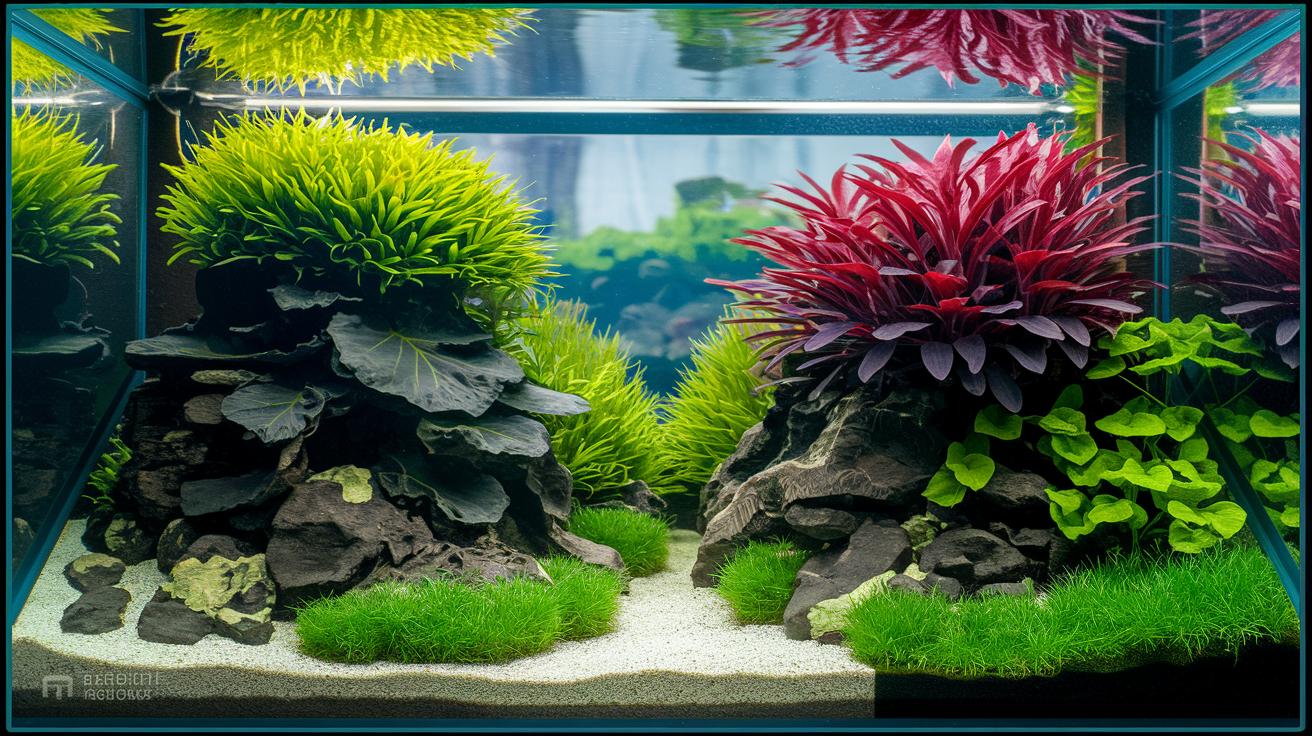
Live plants in your aquarium work like tiny helpers, quietly cleaning your water. They soak up extra nutrients and can chop ammonia levels by nearly 40% in just one week. Picture a lush green carpet acting as a natural filter, keeping your tank balanced and reducing the chance for pesky algae blooms.
Moderate lighting, about 1.5 to 2 watts per gallon, keeps photosynthesis steady without encouraging algae to take over. Too much light without a boost of CO₂ is a bit like a garden that gets overrun with weeds. A drop-checker is really handy here; think of it as a simple color guide that tells you when the CO₂ levels are shifting, so you can tweak things in your tank.
And don’t forget about a bit of gentle water movement. Whether it comes from a powerhead or well-placed air stones, a little surface agitation helps refresh the oxygen in your water. This circulation supports a healthy nutrient cycle, making both your fish and plants feel content.
Balancing your plant choice, light, CO₂, and water flow creates an aquarium ecosystem where every element plays its part, just like a well-rehearsed school of fish moving in harmony.
Final Words
In the action, we explored vital steps to keep your aquarium thriving. We broke down key water chemistry checks, methods to maintain a healthy nitrogen cycle, smart filtration design, and consistent water testing. Regular maintenance and balancing lighting with aquatic plants also came under the lens, offering practical tips to create a pleasing underwater habitat.
Remember, water quality’s role in aquarium ecosystem stability helps build a peaceful and healthy world for your aquatic friends. Enjoy the calm that comes from clear, balanced water!
FAQ
Q: Why is it important to have good water quality for aquarium fish and how does water quality affect fish?
A: Good water quality gives fish a safe home by keeping toxins low. Stable water chemistry lets fish breathe easily, eat well, and show natural behaviors without stress.
Q: Why is water quality important to an ecosystem?
A: Clean water supports the life in an ecosystem by fueling plant growth and natural cycles. Stable water holds nutrients in balance and helps both aquatic plants and animals thrive.
Q: What is stability for aquarium water?
A: Water stability means keeping parameters like pH, temperature, and toxin levels constant. This consistency helps fish live without stress and lets beneficial bacteria work effectively.