

Ever wonder if your tank is really giving your fish the best home? Some of us favor closed tanks because they keep the water calm and dust-free. Others choose open tanks, letting in bright sunlight that creates a happy shimmer on the surface.
In this chat, I'll share the benefits of each style. We'll dive into how these choices affect water quality, warmth, and oxygen levels, just like how a good current brings life to the underwater world. By the end, you might find the perfect setup that feels just right for your finned friends.
Key Factors When Comparing Closed vs Open Aquarium Ecosystems
Closed aquariums are like a steady current that helps keep water levels calm. With a snug lid, you lose only a half-inch to an inch of water each day, which means less hassle with daily top-offs. The cover also keeps dust and tiny particles out, so the water stays clear and its pH and nutrient levels remain steady. Even the heater works a bit more efficiently thanks to the extra warmth held inside.
Open aquariums, on the other hand, bring a burst of natural charm. Without a lid to block the light, your tank basks in sunlight that makes plants thrive and colors pop as if dancing on the water’s surface. The open design also encourages better gas exchange, keeping oxygen levels high for your fish. Plus, cleaning becomes a breeze since you can easily access the water for a quick refresh or adjustments.
Consider these differences when comparing closed and open setups:
Closed aquariums offer:
- Lower evaporation to keep water levels steady.
- Protection against airborne dust and particles.
- Stable temperatures that can reduce heater energy use.
Open aquariums provide:
- Abundant natural light for vibrant plant growth.
- Enhanced gas exchange for balanced oxygen levels.
- Easier water access for simple routine cleaning.
Each design flows with its own rhythm, much like the gentle ripples of your favorite pond. Which one suits your aquatic world best?
Design and Enclosure Differences in Aquarium Ecosystems
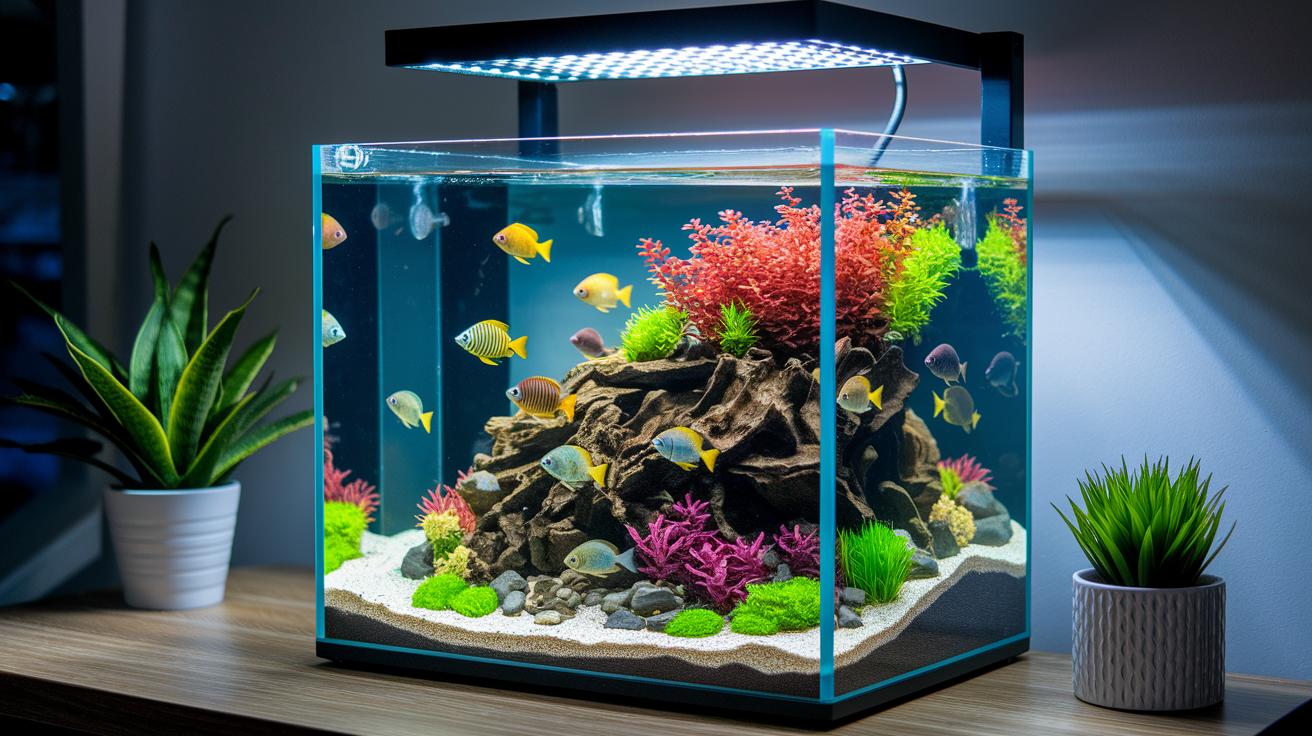
Your aquarium's setup does more than just hold water, it shapes the quality of that water and the whole habitat for your finned friends. For example, a small 10-gallon tank has a higher surface area compared to its volume, which helps boost oxygen exchange. It’s a bit like feeling a cool splash on a bright summer day. Enclosed tanks are usually made from sturdy tempered glass or acrylic so you can attach a lid easily. The seals and gaskets work together to trap humidity and gases, keeping the pH levels just right, a bit like creating a mini stream that flows naturally. Fun fact: a sealed 10-gallon aquarium can mimic the steady flow of a real stream, keeping the plants and fish in perfect harmony.
On the other hand, open tanks let floating plants stretch taller and reach for the light. But you might need to add special edge covers to keep everything safe inside. Whether you choose a 10-gallon or a 30-gallon setup, the size of your tank affects how well water circulates and holds its temperature. Think of it like comparing a shallow pond to a deep lagoon; each one creates its own charming little world. In the end, the best choice for your aquarium enclosure depends on how much control you want over moisture, air balance, and overall water conditions to create a balanced, thriving environment.
Filtration and Circulation Efficiency in Closed vs Open Ecosystems
Keeping your tank's water crystal clear and its nitrogen cycle balanced really depends on how well you filter and move the water. In both closed and open ecosystems, the filters and circulation work like the heart that keeps everything thriving. For instance, a gentle sponge filter not only cleans the water but also builds up helpful bacteria, while a low-flow canister filter does a bit of both mechanical and biological filtering without stirring up the roots of your delicate plants.
Closed systems act a bit like a cozy, hidden cove that holds onto nutrients and organic bits. More nutrients can boost plant growth, but they can also let fish waste build up over time, just like a little pond that needs regular care. That’s why many tank lovers switch out their filter media every 4–6 weeks to keep things running smoothly.
Open systems, on the other hand, are like a breezy open field. They let air mix with the water easily, helping to keep areas from getting stagnant. But be careful, if you use an overflow system to add more oxygen, it might wash away some of the good bacteria that help break down waste. It’s important to think about these little details when picking your setup.
Some popular ways to keep your tank happy include:
- Sponge filters for steady, natural filtration.
- Low-flow canister filters for a smooth mix of mechanical and biological work.
- Hang-on-back filters that are both easy to use and effective.
- Internal filters that move water just where you need it for smaller tanks.
- Overflow systems that boost air exchange in open set-ups.
Matching the perfect method with your tank design is like finding the right dance partner for your water, ensuring everything flows smoothly and your underwater world stays vibrant and healthy.
Lighting and Gas Exchange in Closed vs Open Aquarium Ecosystems
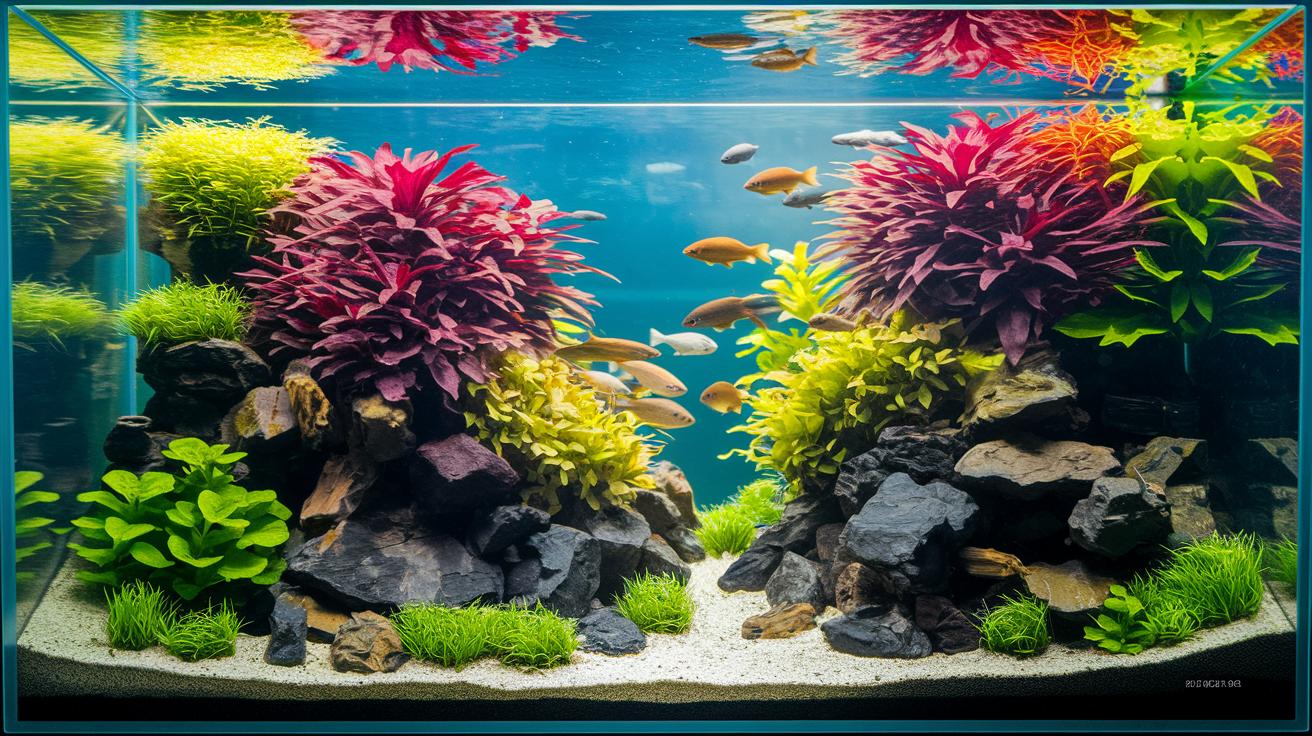
Open-top tanks let in about 15–20% more sunlight, helping plants soak up natural rays like they’re enjoying a gentle afternoon. Picture your plants turning simple green stems into lively, colorful foliage, much like basking in warm, inviting light.
When your tank has a cover, you rely on special lights like full-spectrum LEDs that hang closer to the water. A small LED light near the surface works like a focused beam, making sure plants get enough glow even when natural light is low.
Open tanks also enjoy roughly 30% more efficient gas exchange, so the water stays rich in oxygen. Imagine a fish happily swimming in water where oxygen flows freely, just like a cool breeze on a warm day. This steady oxygen makes life easier for species sensitive to changes.
In covered systems, carbon dioxide can build up and upset the pH balance if you don’t use vented covers or air drums. It’s a bit like being in a closed room, opening a small window helps keep air circulating and makes the environment more comfortable.
Maintenance and Sustainability in Closed vs Open Aquarium Ecosystems
Keeping your water fresh is a bit like tending to a garden under the gentle splash of a waterfall. For both open and closed aquariums, changing about 10–20% of the water every month is key. Open tanks can lose nearly an inch of water each day, especially in larger systems, so you might find yourself topping up more often. On the bright side, this easy access means you can quickly adjust the water as needed.
Closed aquariums come with a handy lid that blocks dust, pollutants, and other pesky airborne particles. This little shield keeps your water quality high without you having to worry about extra cleaning. In contrast, open systems might need extra care like mesh covers or more frequent checks to keep unwanted bits at bay.
Using sustainable gear can make a big difference, too. Energy-efficient pumps and LED lights help cut energy use by 20–30% compared to older equipment. Not only does this improve the health of your tank, but it also lowers your energy bills, a win-win for you and your aquatic pals.
It really helps to keep a log of important details like temperature, pH, and nitrate levels. For example, in a closed system, you might need to watch the pH a bit more if CO₂ builds up beneath the cover. Routine cleaning supplies become your best buddy in maintaining a balanced, healthy ecosystem.
- Keep a close eye on water levels to beat evaporation.
- Watch for airborne dust and pollutants in open setups.
- Opt for energy-saving tools to care for your tank sustainably.
Regular checks and a bit of record-keeping go a long way. With a little patience and care, both open and closed aquariums can thrive in harmony with your aquatic lifestyle.
Hobbyist Guide to Choosing Closed vs Open Aquarium Ecosystems
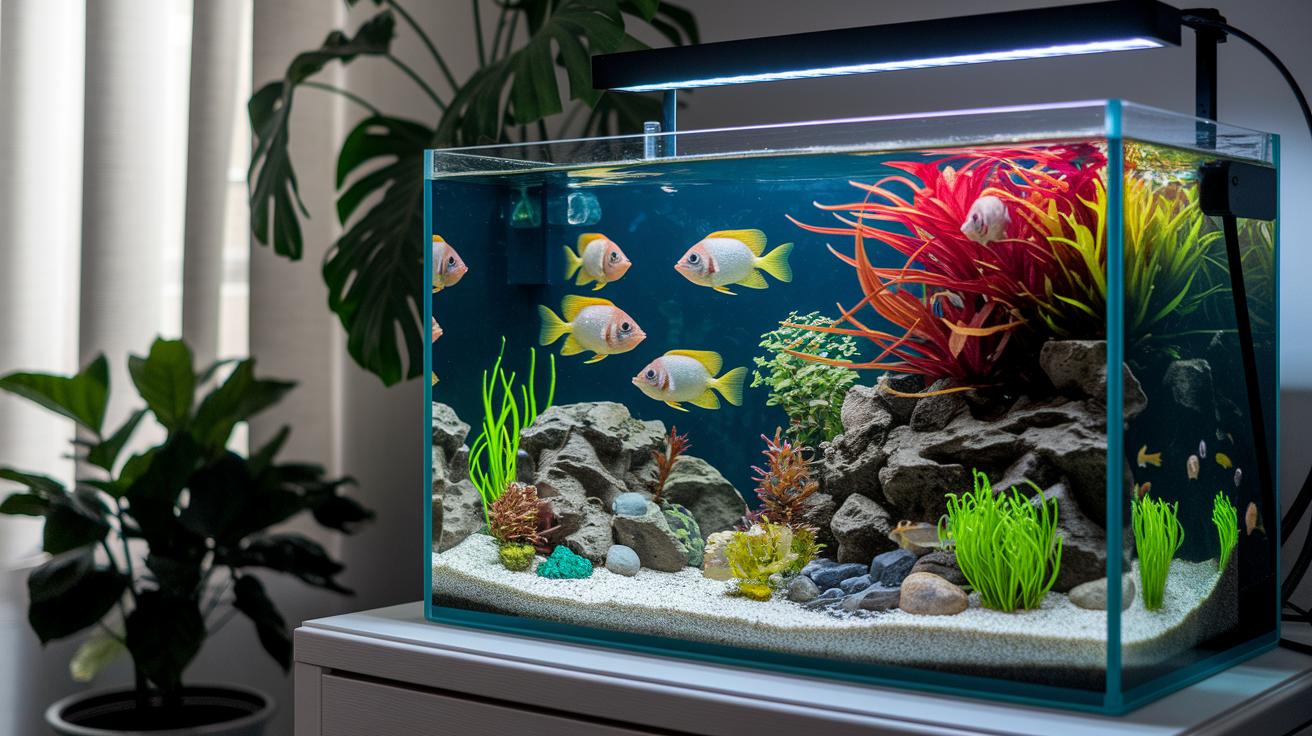
When you're setting up your very own tank, it helps to think about the space available, which fish get along well, and how much effort you want to put into the build. Many beginners enjoy using tanks that hold about 20 to 30 gallons. Tanks like a 20 gallon fish tank (check it out here: https://sweetfysh.com?p=166) offer a steady home and room for your little aquatic pals to grow. They work beautifully with both closed and open styles, making them a comfy choice when you're just starting out.
You can easily raise fish like guppies, tetras, and shrimp no matter what setup you choose. But if you’re drawn to active swimmers like wrasse or gobies, a closed system with a lid is a safer bet. It helps keep those energetic jumpers in check, while also letting you use substrates full of good nutrients. This not only supports healthy plants but nurtures helpful bacteria, creating a balanced underwater garden.
On the money side, open aquariums usually come at about 10 to 15 percent less cost because they use simpler glass designs. Just remember that in cooler spots, you might need an extra heater to keep things cozy. So, when you’re choosing between a closed or open aquarium, take a moment to consider your space, the types of fish you love, and how much tinkering you're up for.
• Think about the tank’s size to keep things stable.
• Choose fish that match the design of your system.
• Compare the cost differences and how much maintenance each option might need.
• Plan ahead for how you’d like your underwater home to grow over time.
Final Words
In the action, we explored everything from design differences and filtration choices to lighting and overall upkeep. We saw how each setup offers its own ways to keep water quality in check and create that cozy underwater feel. Small adjustments in maintenance and sustainable practices can make a big difference day by day.
When comparing closed vs open aquarium ecosystems, every tank has unique strengths that can suit your style. Enjoy setting up your perfect aquatic home and watching your fish thrive with care.
FAQ
What is the difference between open ecosystem and closed ecosystem?
The difference between open and closed ecosystems is that open systems allow more natural light, easier gas exchange, and direct access for maintenance, while closed systems use covers to reduce evaporation, contamination, and keep temperature stable.
How do you compare an aquarium to an ecosystem?
The comparison shows that an aquarium mimics natural life cycles like an ecosystem. It maintains a balanced mix of water quality and living organisms, creating a miniaturized environment you can nurture.
What is open system vs closed system aquarium?
The open system in an aquarium offers enhanced air exchange and simpler cleaning, while a closed system, with its lid, reduces water loss and stabilizes temperature, leading to distinct care routines.
Why does the author mean when she says that a fish tank is a closed system?
The author means that a closed fish tank acts as a self-contained world that limits water and air exchange with the outside, protecting against external debris and helping maintain stable conditions.