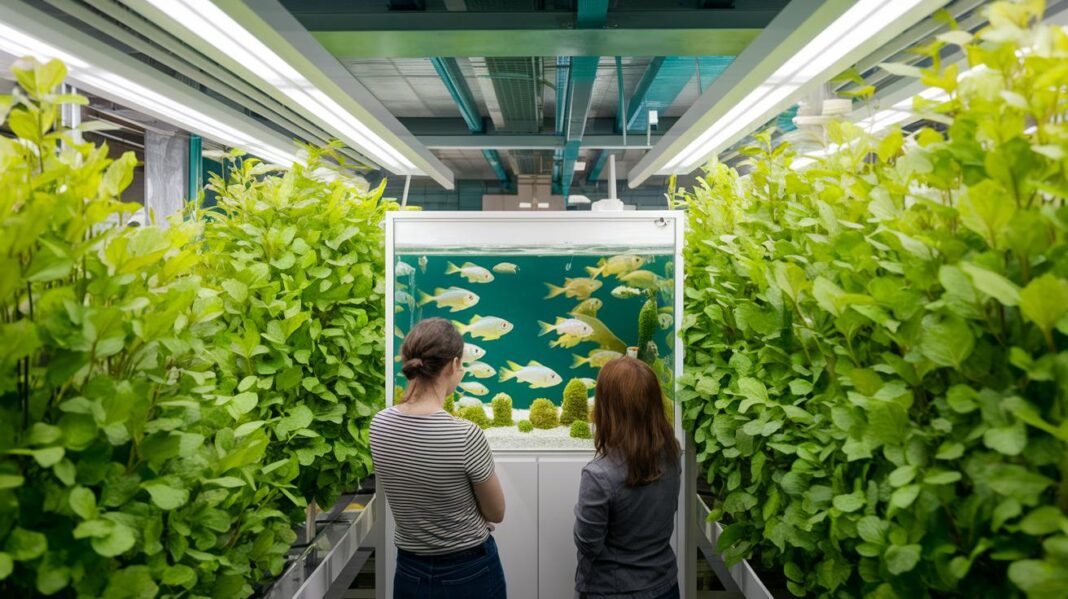

Have you ever thought about whether fish eat differently in a recirculating system? It's pretty cool. Aquaponics uses fish waste as food for plants. Think of it like nature’s gentle recycling, where every little bit matters.
The secret is in balancing the food fish get. When fish eat just right, their waste turns into a natural fertilizer. This keeps the water sparkling clean and gives the plants the nutrients they need to thrive.
By feeding the fish wisely and keeping an eye on the water quality, you create a happy circle where both fish and plants enjoy life. It's like setting up a little underwater community where every member plays a part.
In truth, aquaponics shows us a smart, sustainable way to grow food, one that blends nature and care into one beautiful, living system.
Balanced Nutrition Strategies for Fish in Aquaponics Recirculating Systems
Aquaponics is a clever way to grow fish and plants together in one loop, where nature does most of the work. Fish produce waste, and friendly microbes break it down into simple nutrients like nitrogen, phosphorus, and potassium that your plants love. A well-balanced fish feed not only helps your fish grow strong but also keeps the water chock-full of the ingredients your plants need.
Feeding your fish once or twice a day is just the ticket. When any extra food is quickly scooped out, within about 10 to 15 minutes, it stops the build-up of harmful ammonia, keeping the water fresh and sparkling. Picture the scene: your fish gobble up their meal, and any leftovers vanish in a flash, ensuring a safe, clear space for everyone.
Choosing the right feed is key. Whether you go with store-bought pellets or whip up a custom mix, the right protein-to-fat balance makes a huge difference. This careful selection boosts the water’s nitrate levels, which helps plants soak up nutrients and keeps your fish healthy, too.
By staying on top of feeding routines and watching the water quality, every part of your aquaponics system gets just what it needs. That means a thriving, sustainable aquatic garden where both fish and plants live in harmony.
Feed Selection and Optimization for Sustainable Aquaponic Fish Nutrition
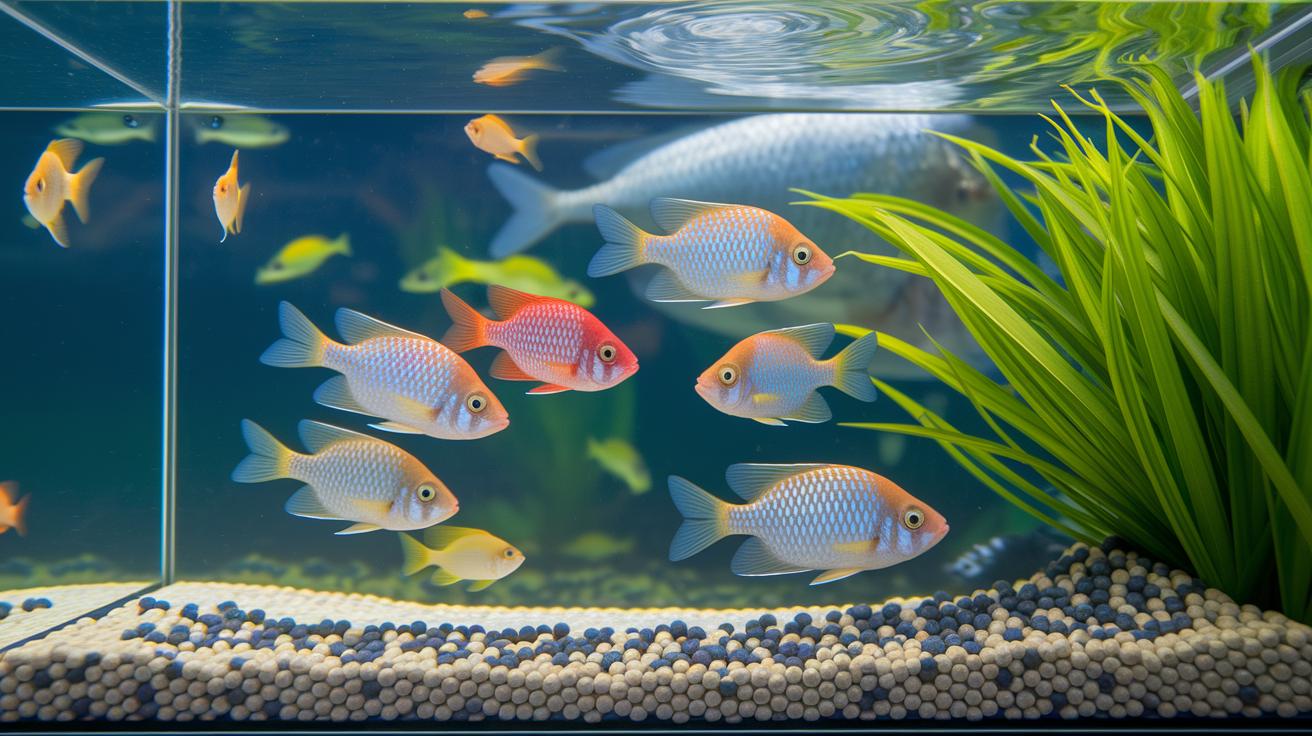
When choosing a feed, think about whether you want to use ready-made pellets or mix up your own blend at home. Store-bought pellets come in two types: floating and sinking. Floating pellets let you watch your fish closely while they eat, and sinking pellets deliver food steadily below the water’s surface. Fast-growing fish like tilapia and trout often need that quick, energy-packed meal, while slower-growing fish like koi and goldfish may do just fine with fewer feedings.
If you’re leaning towards a homemade option, you might mix in some insects, worms, or black soldier fly larvae. These natural ingredients can be blended together to hit the right nutritional marks and add a bit of extra flavor for your fish. Aim for a feed that has about 30–40% protein, 5–10% fats, and very little indigestible fiber. Protein is like fuel for growth, helping your fish stay healthy and active.
Sustainable feed doesn't stop at nutrition, it’s also about where your ingredients come from. By opting for eco-friendly sources, you cut down on the need for wild fishmeal and help keep your system running in balance. Try out a few different mixes until you find one that makes your fish sparkle with energy and your aquaponics setup hum like a calm stream.
Keep an eye on your fish’s behavior and perform regular water tests. This way, you can fine-tune your feed and ensure your system stays as balanced and vibrant as a lively coral reef.
Water Quality Control and Nutrient Cycling in Aquaponic Recirculation Systems
Think of your aquaponics system as a lively ecosystem where each element contributes to a healthy balance. The journey begins with mechanical filtration, which works to trap bits of leftover fish food and waste. This keeps your water sparkling clear, much like straining a brew with a coffee filter to get that perfect cup.
Then, the magic of biological nitrification takes over. Tiny bacteria step in and transform dangerous ammonia from fish waste into nitrite and finally into nitrate, a key nutrient for your plants. To support these hardworking microbes, aim for a pH range of 6.8 to 7.2; it's like finding that ideal zone where everything just flows correctly.
Oxygen dissolved in the water is equally crucial. Keeping levels above 5 mg/L ensures a steady flow of oxygen, helping fish and bacteria thrive. Plus, well-planned tank and piping setups promote even water movement and keep any dull, stagnant areas at bay.
In systems built with gravel or clay media, nitrification usually occurs at a rate of about 0.5 to 1.0 g NH₃-N per square meter each day. With careful attention to water clarity and nutrient cycling, the whole system creates a balanced environment where fish remain lively and plants get their share of nutrients.
Monitoring Fish Health and Metabolism Enhancement in Aquaponics Systems
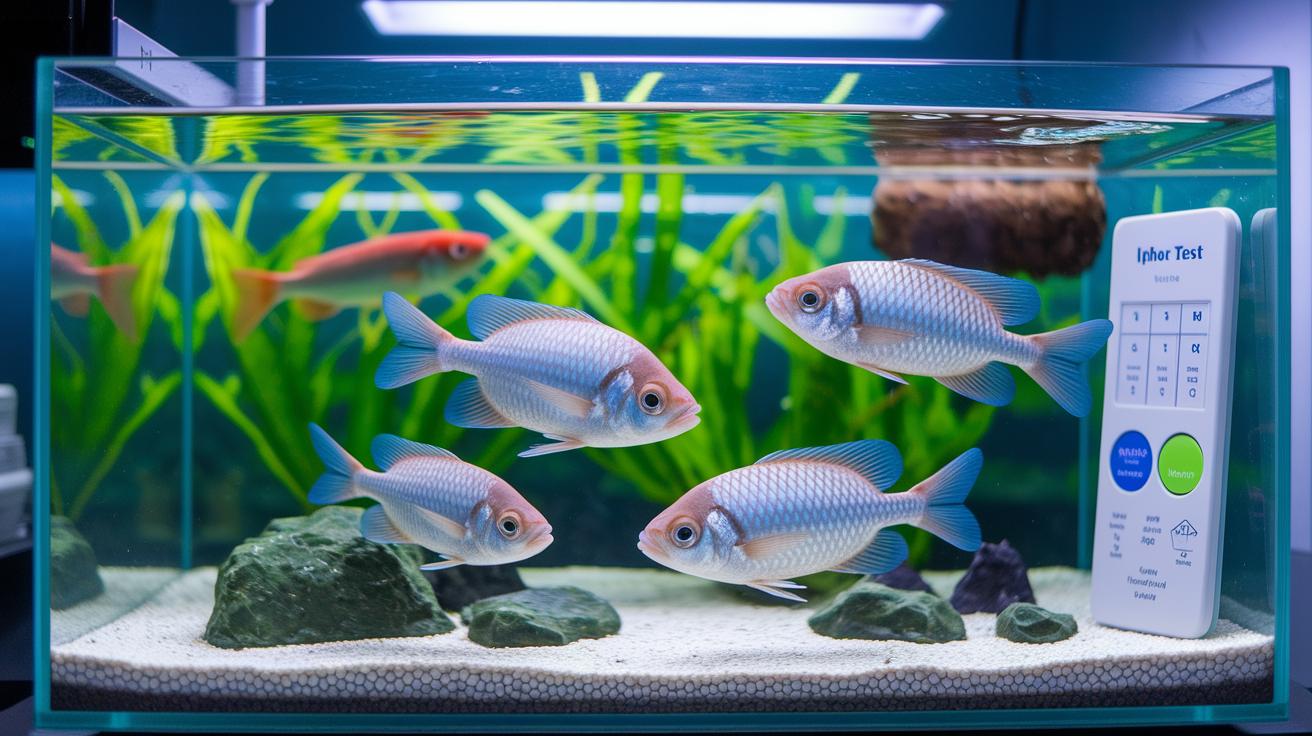
Keeping an eye on water quality and how your fish act is like giving your system a friendly checkup. Each week, run simple tests for ammonia, nitrites, and nitrates, think of it as a quick health exam for your watery world.
Watching your fish closely can catch little problems before they become big. If you see a fish moving slower than usual or not growing as it should, it might be a sign to tweak your feeding routine. For example, if one fish drifts slowly in a lively tank, it may be underfed, while cloudy water and extra sludge might mean they’re getting too much.
Temperature also plays a big part in your fish’s world. When the water shifts by about 5°F, consider changing the feed amount by roughly 10%. Warmer water can mean your fish feel hungrier, so a little extra food might help keep them happy.
Sticking to a regular routine for these checks helps ensure your fish stay well-fed and full of life. It’s much like the gentle ripple of water on smooth stones, a simple, steady practice that keeps everything balanced.
- Run weekly water tests
- Notice any changes in how your fish behave
- Adjust their food by about 10% for every 5°F change in water temperature
Advanced Biofilter and Microbiome Management in Recirculating Aquaponics
If you run a recirculating aquaponics system, you know a strong biofilter is crucial. It turns fish waste into a food source for your plants by letting helpful bacteria work their magic. Friendly bacteria, like those that turn ammonia into nitrate, form a team that not only helps your plants grow but also keeps harmful toxins at bay.
Getting your system started on the right foot means adding well-established nitrifying bacteria. This kick-starts your biofilter and keeps your microbial community balanced, breaking down feed quickly, almost like setting the stage for smooth sailing. And when you keep the right balance between carbon and nitrogen, it’s like giving your microbes the perfect recipe to work even better.
Regular care is key. Simple actions like backflushing and rinsing the media help prevent clogs while keeping your biofilter humming along. A good rule of thumb is to have 500 to 1,000 square feet of media surface for each 1,000 gallons of water. This extra space lets the beneficial bacteria settle in and thrive, making the whole system more efficient at handling toxins.
Keeping a close eye on your system is part of the game plan. Daily checks and routine cleanings are what keep everything running smoothly. By watching for sludge build-up and testing the health of your microbes, you can jump in with timely fixes that protect performance and keep conversion rates high. These friendly, proactive steps ensure that your aquaponics system stays safe for both your fish and your plants.
Case Studies of Integrated Aquaponic Recirculation Systems
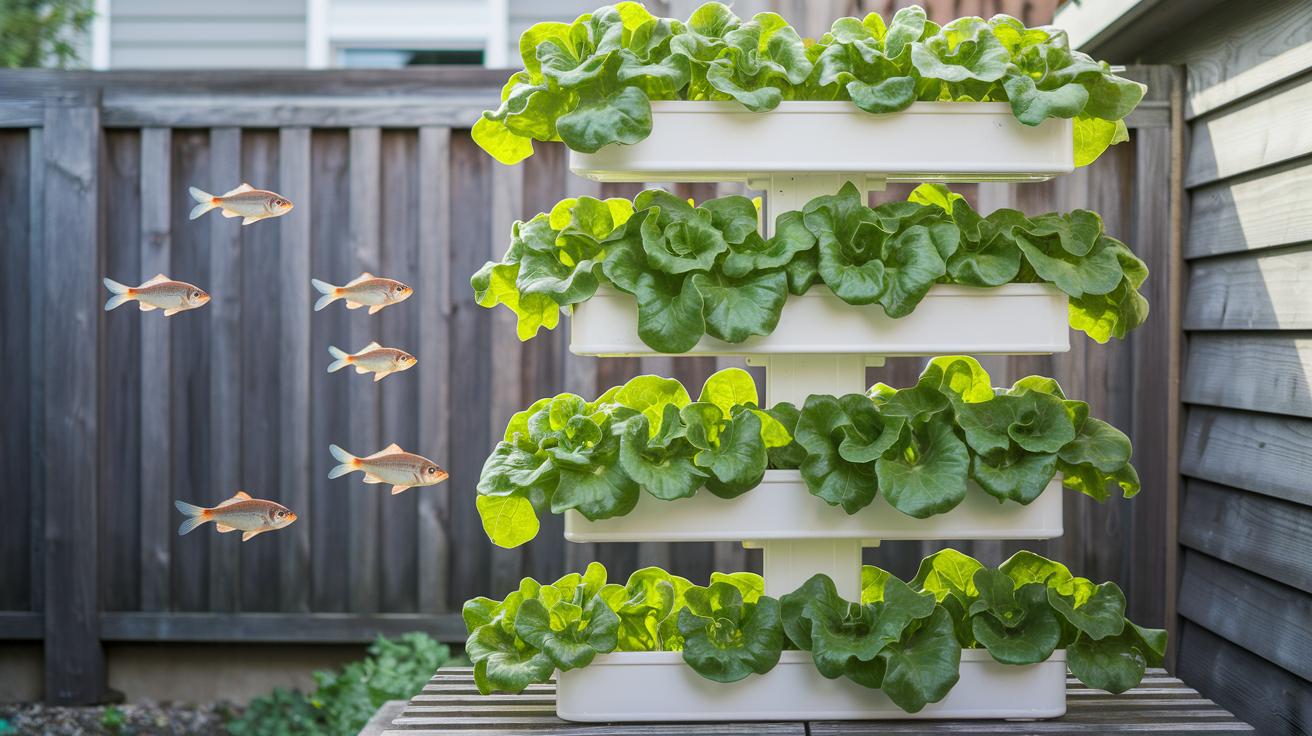
Real-life examples show how fish and plants can work together to create something really special. One cool case is a DIY barrel aquaponics model. In this setup, barrels are stacked vertically, which means even small spaces at home can be used smartly. Imagine a design that saves room while letting both fish and plants flourish, it's like creating a little underwater city right at home.
Another inspiring example comes from a greenhouse project that used tilapia and lettuce. This system saved 90% of water compared to old methods and boosted plant yields by 30 to 50%. It clearly shows that a smart recirculation plan can make every drop of water count and help everything thrive.
Then there's a commercial grower who found success by balancing fish and grow-bed volumes perfectly. They used a ratio of 1 lb of fish for every 2 gallons of water and set the water retention time between 4 and 6 hours. These careful measures keep the water clean and rich in nutrients, so both fish and plants get exactly what they need to grow strong.
Here are the key highlights:
| System Type | Key Idea |
|---|---|
| DIY Barrel Model | Smart vertical stacking that saves space |
| Greenhouse Project | Using tilapia and lettuce to save water and boost yields |
| Commercial Grower | Measured stocking and water retention for clean, healthy water |
Each of these cases shows a little piece of the big puzzle in making aquaponics work. They remind us that a bit of careful planning can turn simple setups into thriving, efficient systems.
Final Words
In the action, this post laid out how smart feeding practices and careful water care keep fish happy. We talked through balanced nutrition, feed type choices, water quality checks, fish health tracking, and even ways to manage biofilters and microbes. A few real examples tied all the ideas together, showing that a tidy, balanced tank makes all the difference. When you apply aquaponics: balancing fish nutrition in recirculating systems, every swim in your tank feels just right. Enjoy making your tank a lively, healthy haven.
FAQ
What does a PDF on balancing fish nutrition in aquaponics recirculating systems explain?
A PDF on balancing fish nutrition explains how feeding routines, nutrient cycling, and water quality work together to keep fish healthy and support plant growth in a recirculating system.
What is an aquaponics system?
An aquaponics system integrates fish and plants in a closed loop where fish waste feeds the plants while the plants help filter the water for the fish.
What are the benefits of aquaponics?
Aquaponics benefits include water savings, natural nutrient recycling from fish waste, and efficient use of space while growing both fish and plants together.
What are some disadvantages of aquaponics?
Some disadvantages include high initial costs, a need for precise balance between fish and plants, limited crop types, and potential issues with system monitoring and disease management.
How does aquaponics fish farming work?
Aquaponics fish farming raises fish in a closed, recirculating system where fish waste provides nutrients for plants, creating a sustainable cycle that benefits both fish and crops.
Which fish are best suited for aquaponics?
Fish like tilapia, trout, and barramundi are best for aquaponics because they adapt well to recirculating systems and grow rapidly while supporting a balanced ecosystem.
How does aquaponics compare to hydroponics?
Aquaponics integrates fish with plant culture, using fish waste to feed plants, whereas hydroponics grows plants in water without fish, missing the added nutrient benefits from animal waste.
What three nutrients are needed as buffers or are commonly deficient in aquaponics?
The three key nutrients are nitrogen, phosphorus, and potassium; they help maintain water quality and ensure plants receive balanced nutrition alongside fish health.
How can you tell if fish in an aquaponics system are being overfed?
Overfed fish can be detected by cloudy water, visible uneaten feed in the tank, and a buildup of sludge, signs that extra food is affecting water quality.