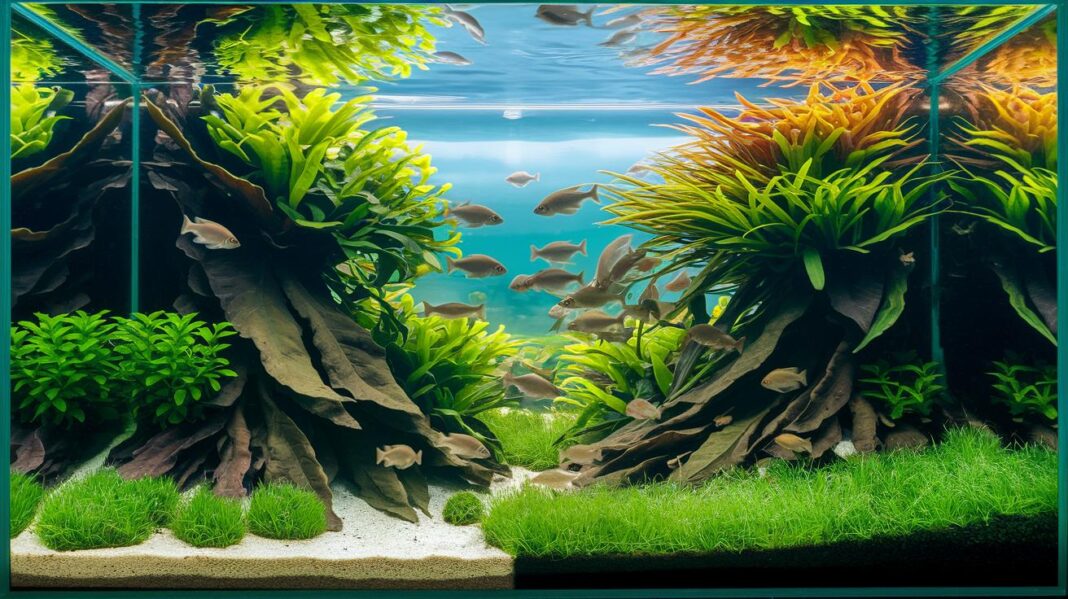

Have you ever thought about how fish waste might actually help your plants grow while keeping your fish happy and healthy? In a planted aquarium, nature works like a calm river, turning leftovers into life-sustaining nutrients.
As your plants soak up the waste, they clean the water by removing toxins, making the whole tank feel more vibrant, just like sunlight dancing on water. Today, we're exploring how this natural nutrient recycling boosts strong plant growth and gives your fish the nutrition they need, creating a lively, balanced tank for everyone.
Nutrient Recycling Fundamentals in Planted Aquariums for Optimal Fish Nutrition
In a planted aquarium, nature works its magic by turning waste into a valuable resource. Fish waste and decaying bits become food for the plants, offering vital nutrients like nitrogen. The plants take in both large building blocks, like carbon, hydrogen, and oxygen, and the little extras they need to grow strong. It's a bit like a gentle river where every drop finds its way to nourish life, keeping the water calm and steady.
When plants use these nutrients, they indirectly care for the fish too. As the plants sip up extra nitrogen, they boost photosynthesis and fortify their cells, which helps clear toxins and brighten the water. This natural process creates a cozy and balanced aquarium where both plants and fish feel at home. Ever notice how a vibrant tank feels like a peaceful underwater sanctuary?
This smooth recycling cycle keeps everything in sync. Plants absorb the nutrients, and in return, the fish benefit from clean, toxin-free water. This steady flow helps your aquarium in several ways:
| Benefit | Description |
|---|---|
| Healthy Plant Growth | Continuous growth keeps your tank lush and inviting. |
| Stable Water Quality | Fewer toxins and clearer water make for a happier home. |
| Nitrogen Regulation | Balanced nitrogen levels are key to plant development. |
| Enhanced Fish Health | Reduced stress and pristine water help fish thrive. |
| Limited Algae Growth | Balanced nutrients mean algae won’t take over. |
Key Nutrient Cycles in Planted System Dynamics
Mapping out the flow of nutrients in your planted tank is a bit like exploring a lively underwater garden. Knowing how important compounds float and change over time helps keep the water balanced so plants grow strong and fish enjoy their clean home. Each little cycle turns waste into a helpful resource, making every element count.
Nitrogen Cycle in Aquatic Plant Systems
In this part of the tank, ammonia from your fish's waste gets changed by friendly bacteria. First, the ammonia turns into nitrite and then into nitrate, a form that plants easily take in to build healthy tissues. Then, another group of bacteria steps up and changes any extra nitrate into harmless nitrogen gas, closing the circle. Keeping these nitrogen levels steady means your plants behave and grow just right.
Phosphorus and Potassium Cycling
Plants pull in phosphorus and potassium from both the water and the gravel or substrate below. Phosphorus often gets caught in the substrate and slowly makes its way back to the water when needed. Meanwhile, potassium is crucial for each cell, helping to keep water balanced within the plant. Both nutrients refresh steadily, much like a dependable supply hidden beneath the surface.
Micronutrient Turnover Mechanisms
Even the tiniest trace elements, like iron, zinc, and manganese, get recycled in small amounts through natural decay and the work of microbes. When plants shed old leaves or eventually fade away, these important micronutrients return to the water and get reworked by these tiny helpers. This ongoing cycle makes sure even the smallest nutrients help spark new growth.
All these cycles work together like a flowing current, creating a self-supporting loop that keeps your aquarium balanced. When every nutrient pathway is in harmony, your tank becomes a nurturing home where both plants and fish thrive.
Enhancing Biological Filtration and Microbial Waste Processing
Filter media and bioactive substrates are the hidden stars in your planted aquarium. They provide a cozy home for helpful bacteria that work gently to convert fish waste into nutrients safe for your aquatic pals. Picture them as busy little workstations where nature transforms harmful substances into goodies that promote a healthy tank.
These bacteria change ammonia from fish waste, first into nitrite and then into nitrate, kind of like a two-step cleaning dance. This natural process helps keep your fish relaxed and gives your plants the nutrients they need. As your plants absorb the nitrate, the tank keeps a nice, balanced feel, much like a steady current in a calm stream.
Starting with a high-quality bioactive substrate sets the stage for a strong bacterial colony. You might also consider adding a bacterial supplement to give the process a little extra boost. Regularly checking the filter and cleaning it carefully ensures these tiny helpers keep working, so your aquarium stays lively and vibrant.
Practical Substrate Renewal and Fertilizer Management Techniques

In a planted aquarium, the substrate acts like the bedrock of your underwater garden. Over time, it loses its natural supply of nutrients, which can make leaves look pale and stems feel thin. By adding both big and little nutrients on a regular basis, you keep your tank as lively as a sparkling stream.
Think of the substrate as the foundation that slowly gives up its goodies while your plants draw them out to grow full and strong. When the nutrients aren’t refreshed, the plants may worry and put most of their energy into growing roots instead of flaunting lush, healthy leaves. This is why managing your aquatic fertilizers is so important, it keeps the essential nutrients flowing for both your plants and fish.
To fill in these nutrient gaps, you have a couple of friendly choices. Liquid fertilizers let you measure out just the right amount with ease, making them ideal for a carefully controlled setup. Dry fertilizers, on the other hand, are a cost-friendly option and work well when you need to give your tank a big nutrient boost at once. Many experienced aquarists even mix the two to fine-tune the nutrient balance, much like adjusting the ripples on a calm pond. For more tips on fertilizing your aquarium plants, you can check out https://sweetfysh.com?p=1695.
| Fertilizer Type | Pros | Cons | Dosing Frequency |
|---|---|---|---|
| Liquid Macro Fertilizer | Accurate dosing | Costlier | Weekly |
| Dry Macro Powder | Economical | Bulk handling | Bi-weekly |
| Micronutrient Mix | Essential trace elements | Risk of overdose | Monthly |
To keep things balanced, it’s smart to match your fertilizer routine with your plants’ natural growth. By watching your plants closely and adjusting the nutrients as needed, you help maintain a smooth flow of energy in your aquarium, kind of like syncing your tune with the gentle rhythm of water.
Integrating Plants and Fish for Balanced Aquarium Ecosystems
When you set up your tank just right, the fish and plants become great teammates. Fish go about their day and leave behind tiny bits of waste that act like natural fertilizer. The plants quickly soak up these nutrients, cleaning the water and keeping it safe and clear for everyone.
Picking the right kinds of fish and knowing how to feed them properly is super important. It helps to choose fish that aren’t too messy and pair them with plants that can quickly grab any extra nutrients. This way, a healthy diet for your fish means fewer leftovers, so your plants get just the right amount to keep everything balanced.
You might want to try adding stem plants and floating varieties to your tank. These plants are known for their fast nutrient uptake and are a favorite among experienced aquarists. They not only clean up the fish waste but also add a touch of natural beauty to your underwater world.
Keeping a lush, full cover of plants is a smart move. A thick, green carpet improves oxygen flow and even creates a bit of tasty biofilm for some fish to nibble on. It’s like having a mini garden underwater that naturally adjusts nutrient levels, making sure your aquarium stays calm and healthy.
Water Chemistry Control and Monitoring for Nutrient Balance
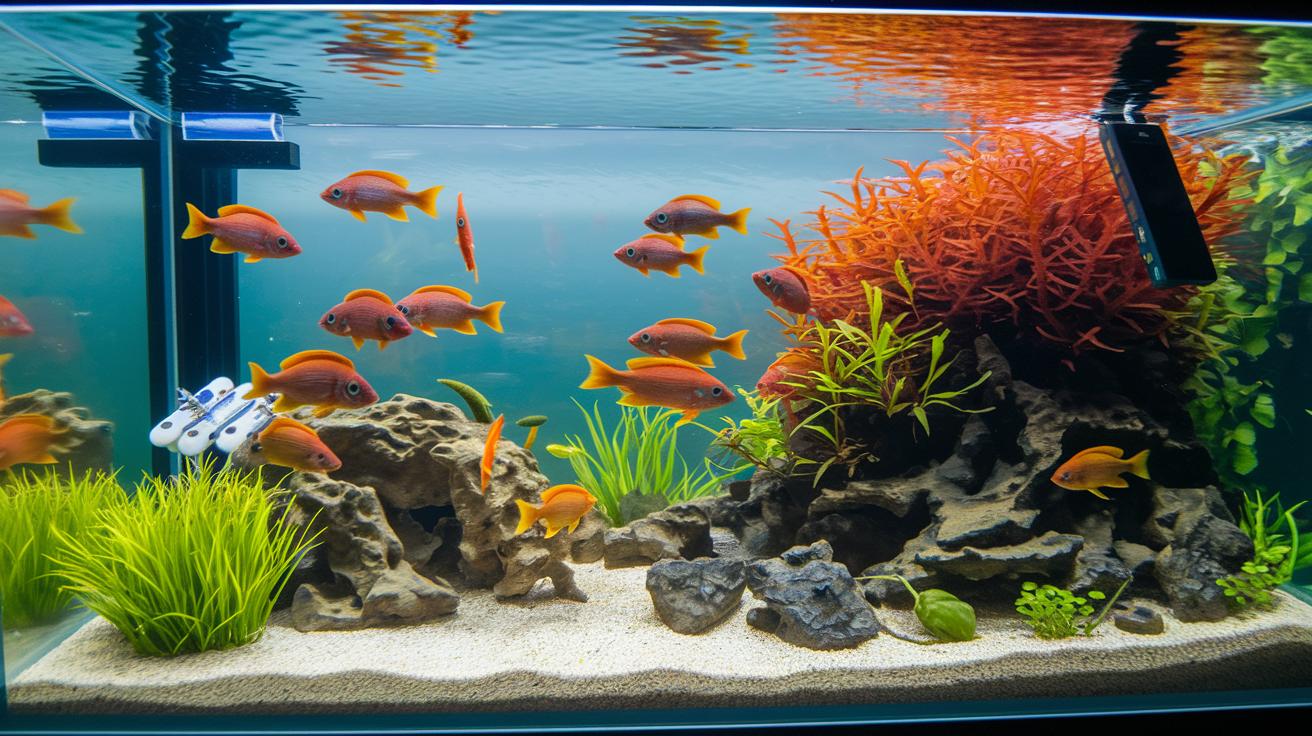
Watching your tank’s water is a bit like listening to your favorite song under water, each note matters. Testing for ammonia, nitrite, nitrate, and phosphate on a regular basis helps you catch any changes before they create trouble. Knowing the right pH and nutrient levels feels a bit like knowing your fish’s favorite hiding spots, so you can keep plants happy and fish stress-free.
Adjusting your pH, CO₂, and nutrient levels is a lot like gently steering a small stream. When you notice little swings in pH or shifts in CO₂ that affect how plants soak up minerals, a few tiny fixes with buffering agents or careful CO₂ dosing can keep everything flowing just right. This steady approach helps keep water crisp while managing nitrate and phosphorus levels with targeted tweaks.
Sticking to a set schedule for checking your water and changing it is like keeping a tidy tank, a solid foundation for a thriving aquatic world. Checking your water once a week or every other week and making small water changes lets both fish and plants enjoy a balanced, lively home.
Case Studies and Innovative Aquascaping for Enhanced Nutrient Cycling
Case studies let us dive into how creative aquascaping can boost the balance of planted tanks. They cover everything from simple, low-tech ideas to high-tech systems that fine-tune every step of the nutrient cycle. These real-world examples show aquarists how mimicking nature can reduce algae and help fish thrive. Think of it like a hidden stream that constantly feeds your plants and keeps the water clean.
Example 1: Walstad Low-Tech Method
This method relies on a soil base and lots of plants. The soil works like a natural pantry, slowly releasing nutrients to feed your green friends. Here, you pick hearty plants that thrive on the steady supply, much like setting up a garden that keeps on giving for years.
Example 2: High-Tech Automated Systems
High-tech setups bring in tools like CO₂ injections, automatic fertilizer dosing, and smart biofilters. These systems keep an eye on water chemistry, adjusting things like a careful hand water the garden. Automated dosing makes sure plants get just the right nutrients, similar to tuning a delicate instrument to create a perfect aquatic landscape.
Both methods show the power of nature’s own recycling. Whether you prefer a hands-off natural approach or a finely tuned tech system, harnessing these processes can turn your tank into a vibrant ecosystem where plants and fish flourish together.
Final Words
In the action of building a lively aquarium, we walked through key aspects of plant and fish teamwork. We covered nutrient recycling, water chemistry control, bioactive filtration, and practical substrate renewal. Each step plays a part in maintaining a balanced aquatic ecosystem.
Embrace nutrient recycling in planted aquariums for optimal fish nutrition, and enjoy a calm, vibrant underwater haven that supports both healthy plants and active fish.
FAQ
What nutrients do planted aquariums need and what is the NPK ratio for planted aquariums?
The query about aquatic nutrient needs rewords to: Planted tanks require macronutrients like nitrogen, phosphorus, and potassium plus trace elements. A balanced NPK value, often around 3:1:6, supports healthy plant growth—but numbers may vary with your plants.
How to fix nutrient deficiency in aquarium plants?
The question on nutrient deficiency rephrases to: Correcting nutrient shortfalls starts with testing your water and substrate, then adding fertilizers that supply both macro and micronutrients, ensuring your plants recover and thrive.
Can you over nutrient aquarium plants?
The inquiry on over-nutrienting asks: While plants need nutrients, too much can upset water quality and encourage algae blooms. Proper dosing and monitoring keep nutrient levels in check for a stable aquarium.