

Have you ever seen your fish seem a bit off, even when you give them plenty to eat? It might be a tiny change in the water's pH level. When the water stays close to 7.0, it's like a perfect flow that helps break down food so fish can easily absorb proteins, fats, and minerals, just like a gentle current carrying food along.
But if the pH goes too high or too low, it can really slow down that process and leave your fish missing out on the nutrients they need. In this chat, we'll dive into how water pH influences your fish’s eating and digestion, and share a few tips to keep your aquatic friends happy and thriving.
pH Balance and Fish Nutrition Basics
pH tells us whether water is more acidic or more basic. When your tank hits a steady 7.0, it's like the perfect pond for fish. At this spot, enzymes work their best to break down food, which helps fish get all the key nutrients they need. Think of it like the gentle flow of water that keeps everything moving smoothly.
If the pH goes below 7.0, the water becomes too acidic and stresses out the fish. Their enzymes don’t work as well, and the fish might not digest their food properly. This extra stress can even make cells struggle, kind of like when a small crack starts in a favorite vase. On the other hand, if the pH climbs above 7.0, it can hurt the fish’s gills and make them more prone to getting sick since they can’t take in nutrients as easily.
Keeping the water’s pH steady is key to making sure your fish stay healthy. A balanced pH means fish can absorb proteins, fats, and minerals the way they need to. Just like a calm, clear stream, a steady pH supports a happy, healthy life for your aquatic friends.
pH Influence on Nutrient Uptake and Metabolic Rates

Water pH is a big deal for fish enzymes. They work best near pH 7.0, where breaking down proteins and fats happens just right, like a gentle current smoothing stones. Even a small drop of 0.5 in pH can slow these enzymes by 20–25%. For instance, when the pH falls to 6.5, digestive enzymes work noticeably slower, meaning proteins and fats aren’t broken down as well.
Minerals like calcium and magnesium also need the right pH to be absorbed. These minerals must be in their active, ionic forms to be taken up properly by fish, much like how a good current carries leaves along a stream. In water with pH below 7.0, the availability of these minerals drops. For example, at a pH of 6.8, calcium ions can dip below the level needed for healthy bone development in fish. Keeping the pH near neutral helps ensure these important minerals stick around.
The water’s pH even affects how efficiently fish turn feed into energy. When the water strays by about 0.5 units from neutral, fish often convert their food less efficiently. Aquarists have found that maintaining water close to pH 7.0 can lead to about a 15% improvement in feed conversion efficiency. A good tip is to test your water’s pH regularly with a precise kit, keeping everything balanced like a well-tuned aquarium.
Optimal pH Ranges for Species-Specific Nutritional Health
Different fish prefer different water conditions, much like how each of us has our favorite environments. When the water pH fits a fish’s preferred range, it helps them use the nutrients in their food more easily. This means that a little change in pH can help the proteins, fats, and minerals work better inside the fish, keeping them healthy and happy. As a quick example, many South American fish and Caridina shrimp do best in softer water, while African cichlids thrive when the water is more alkaline.
| Species | Optimal pH | Nutritional Impact |
|---|---|---|
| General Freshwater Fish | 6.5–8.0 | Balanced nutrient uptake |
| South American Fish & Caridina Shrimp | 6.0–6.5 | Softer-water mineral absorption |
| African Cichlids | 7.8–8.5 | Enhanced protein and lipid assimilation |
| Livebearers | 7.0–8.0 | Stable fry feed efficiency |
| Discus | 6.0–6.5 | Reduced stress and consistent mineral uptake |
Getting the pH just right not only makes fish feel at home in their watery world but also helps them take in the important nutrients in their food. When you adjust your water to match what your fish need, you can see them swim more energetically, almost like they’re dancing in clear, clean water. It’s like giving your fish a cozy, balanced home where every little bubble counts.
Monitoring and Adjusting pH for Nutritional Benefits
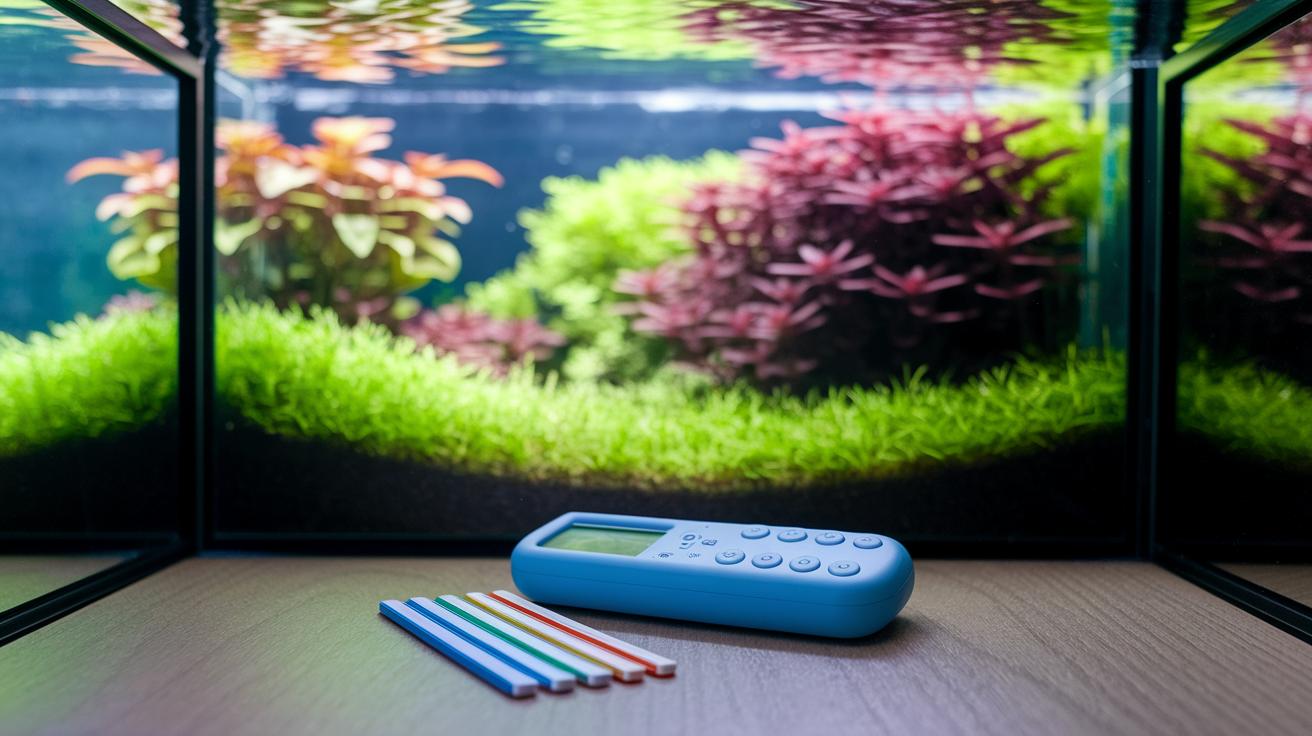
Keeping an eye on your tank’s water pH is a must for your fish’s health. Using a digital meter gives you fast, easy readings, while multi-test strips are a friendly, budget option. I usually test every week because even tiny changes, like a 0.2 drop, can affect how your fish digest their food, much like a small ripple can change water flow over smooth stones.
Testing Aquarium pH
Digital meters offer clear, steady numbers that help spot even the smallest shifts. Multi-test strips let you compare readings side by side, making it simple to see if your pH is drifting from normal. When you notice even a little change, it can be a clue that something is up. Testing weekly helps you catch trends early, so if the pH slips down slowly, you might decide it’s time for a gentle tweak.
Safe pH Adjustment Methods
When it’s time to adjust the water, slow and steady is the way to go. To raise the pH, try doing gradual water changes with conditioned tap water, add some calcium-carbonate stones, or boost aeration so extra CO₂ can escape. If you need to bring the pH down, consider adding a bit of peat moss to your filter, including a piece of driftwood in your tank, or mixing in a little RO water (that’s water that’s been purified again!). Keep changes small, less than 0.2 pH units per day, to keep your fish from getting stressed. And if you need a quicker fix, there are pH buffering products that help keep your tank steady between 7.5 and 8.5, making sure your fish have the best home for absorbing nutrients.
Nutritional Risks of pH-Driven Stress in Aquarium Fish
When your tank’s water drops below a pH of 7, you might see a burst of algae or even a layer of sludge settling on the bottom. The fish can start looking pale and sluggish, and you might even notice them hanging out in odd spots, like too close to the surface or sitting on the floor of the tank. If this acidic stress sticks around, it slows down their digestion and may even cause their cells to slowly break down their own tissues, kind of like how things sometimes fall apart when you're overwhelmed.
On the other hand, water with a pH above 7 isn’t any easier on your fish. It can irritate their gills and make breathing a real struggle, almost like trying to breathe through a clogged straw. This extra strain leaves them more vulnerable to getting sick and makes it harder for their bodies to get all the good stuff from their food. Both scenarios ramp up stress hormones like cortisol, which can rob them of their appetite and reduce how much they benefit from their meals. Ever notice how a tank that feels “off” might cause your fish to eat less? That’s one of the many clues that their little bodies are fighting off stress.
Long-Term pH Management Strategies for Nutritional Efficiency

Keeping water hardness just right is like setting the stage for a calm aquarium where the pH stays steady. Most fish do well when you aim for about 4 to 8 points in both KH and GH. Limestone acts like a gentle guardian, helping keep these numbers, and the pH, nicely balanced. And when you mix in a touch of RODI water, 20% or less per change, it creates a smooth, gradual shift rather than a sudden splash, allowing your fish to settle in comfortably and soak up their nutrients efficiently.
Tweaking the fish food to match your water conditions is a bit like fine-tuning a favorite recipe. When your water chemistry shifts, offering feeds that are rich in key minerals like calcium and magnesium can help your fish adjust gracefully. This small change ensures every meal delivers the essential elements for better nutrient absorption, making sure all the ingredients in your tank work together just right.
Regular check-ups on your water are super important for long-term success. By testing the KH, GH, and pH at least once a month, you get a clear picture of when a little tweak is needed. With this steady monitoring, you can make gradual adjustments that keep the tank balanced, reduce stress, and ensure your fish have a thriving, well-nourished home.
Final Words
In the action, we unpacked pH balance, nutrient uptake, and safe testing routines, from neutral zones that boost enzyme work to pH risks that slow fish metabolism. We looked at water treatments, decor tips, and feeding practices for a comfortable, thriving aquarium.
Every insight connects to how water pH affects aquarium fish nutrition by supporting better enzyme activation, mineral assimilation, and overall health. Maintaining stable pH helps your aquatic friends flourish and keeps your tank inviting and vibrant.
FAQ
How does water pH affect fish health?
The water pH affects fish health by altering enzyme function and nutrient absorption. A balanced pH supports immune response and keeps fish less stressed, helping them perform vital bodily functions.
What are the symptoms of high or low pH in a fish tank?
The symptoms of pH imbalances in a fish tank include lethargy, unusual positioning, and gill irritation. High pH may lead to gill damage, while low pH can slow metabolism and cause stress.
What is the ideal freshwater aquarium pH level and tropical fish pH guide?
The ideal freshwater aquarium pH is around 7.0, although many tropical fish thrive between 6.5 and 8.0. This range supports proper enzyme activity and nutrient uptake for healthy fish.
Is 9.5 pH water good for fish?
The water pH of 9.5 is generally too alkaline for most fish, which can lead to stress and poor nutrient absorption. Fish do best in environments where the pH is closer to neutral.
How can I safely adjust aquarium pH when it’s too high or too low?
The safe adjustment of aquarium pH means making gradual changes. Use buffering agents to raise pH or driftwood and peat moss to lower pH, ensuring no more than a 0.2 pH unit change per day.
How does a pH imbalance affect the overall fish tank environment?
A pH imbalance disrupts nutrient uptake and stresses fish, potentially damaging gills and slowing metabolism while increasing disease risk. These changes can upset the entire tank’s ecosystem.