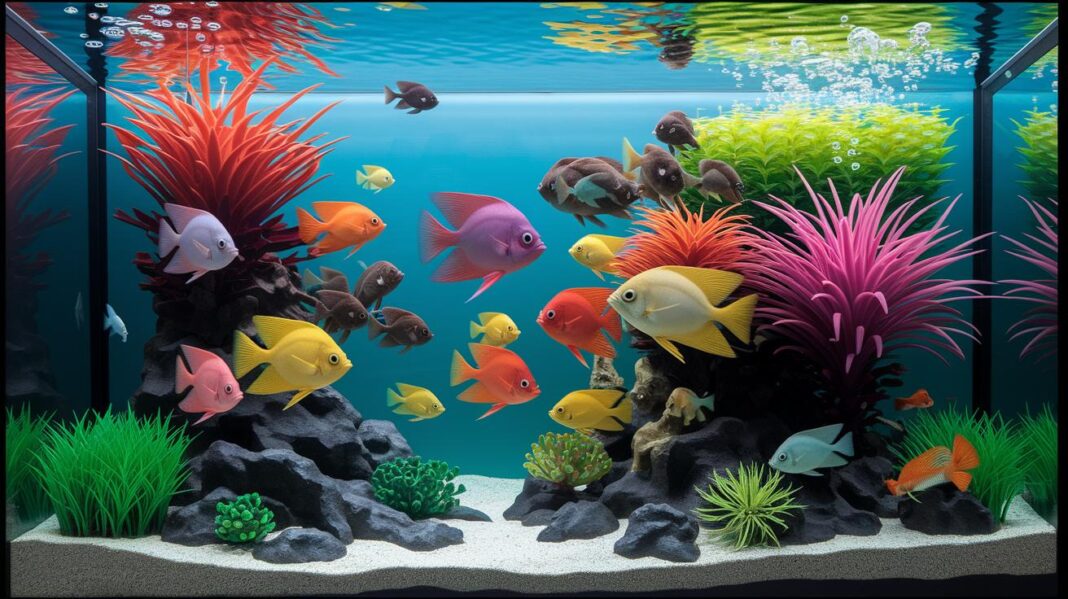

Ever wonder if your fish’s food is the secret behind their happy swirls? It isn’t just about filling their tummies; a balanced meal helps them shine and grow.
In this post, I’m sharing simple tips on what makes aquarium fish food so special. We’ll look at proteins that build strong muscles, fats that give them energy, and vitamins that help them sparkle, just like the gentle ripple of water on a quiet pond.
Think of it like packing a care package for your underwater friends. A little tweak in their diet can keep your tank clear and your fish full of life. Ready to dive in and see how these small changes can brighten your aquatic world?
Key Fundamentals of Aquarium Fish Nutrition
A nutritious diet is the lifeblood of your tank. Both freshwater and saltwater fish need the right mix of proteins, fats, vitamins, and minerals to stay healthy and bright. Think of it like preparing a special meal for someone you care about, every ingredient counts. Ever notice how even a tiny change in food quality can transform a fish’s color or behavior?
Getting your aquarium's nutrition just right is simple but powerful. The right portion sizes help keep your tank clear and your fish peppy. Too much food can cloud the water and stress your fish, while too little might leave them feeling slow and tired. It's a bit like finding the perfect rhythm in a gentle underwater dance.
When you map out a feeding plan, picture it as creating a balanced menu that suits every fish’s unique taste. You adjust the portions for playful freshwater swimmers or vibrant saltwater residents, making sure their meals work in harmony with your tank’s water chemistry. In truth, a well-planned diet is the secret to a lively, blooming aquarium.
Essential Nutrient Profiles for Aquarium Fish
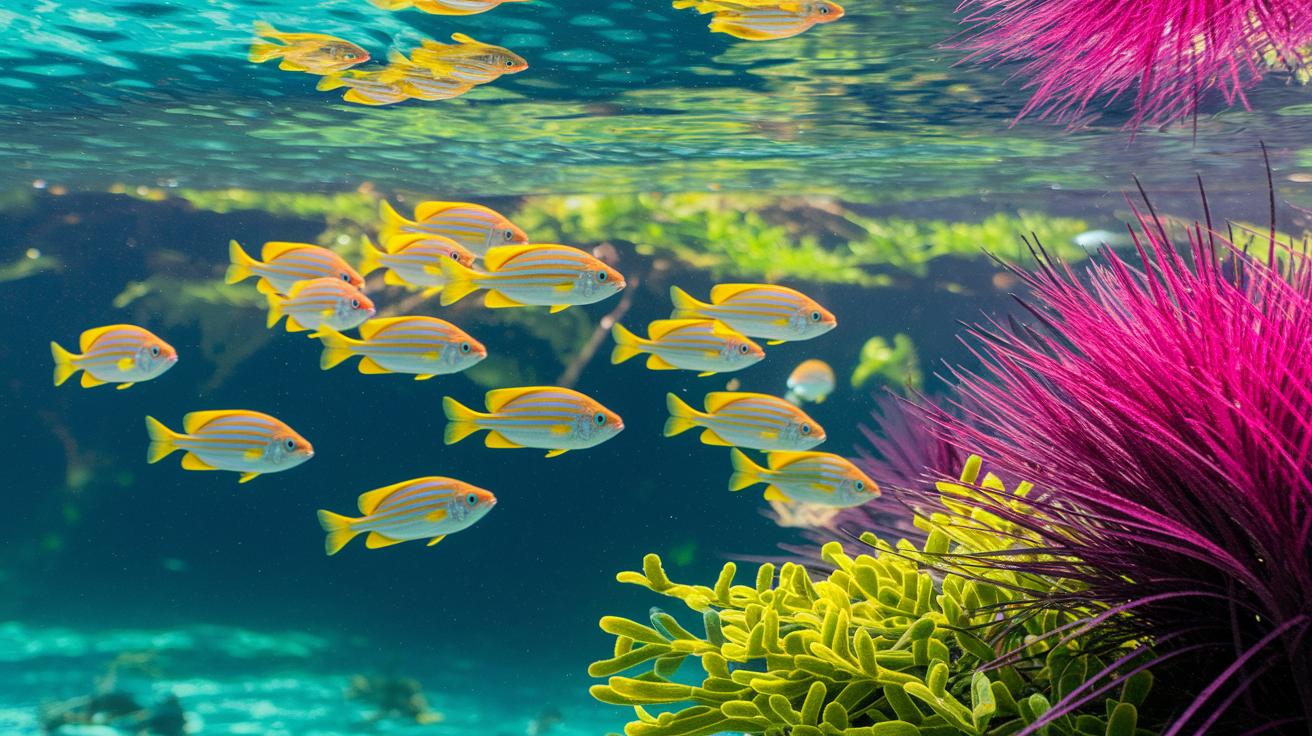
Feeding your fish is a bit like preparing a special meal for someone you care about. A good diet for your aquatic friends includes proteins, fats, and just a touch of carbohydrates. Protein is like the tiny bricks that help build and repair their cells, so they grow healthy and strong. Fats give them the energy to swim gracefully, while a little bit of carbohydrates adds extra fuel without upsetting the water’s balance.
Vitamins are just as vital for your fish. Vitamins A, C, D, E, and K work together like a team to boost their immune system and brighten their scales, making them look their best. Meanwhile, minerals such as calcium and phosphorus, along with smaller trace elements, help build strong bones and keep them balanced in their watery world.
Every fish has its own needs too. Freshwater species might enjoy extra plant-based flavors mixed with proteins, while marine fish often need a bit more of certain vitamins and minerals. By fine-tuning their meals, you help each fish in your tank thrive and shine like the gentle sparkle of sunlight on water.
Aquarium Fish Nutrition Basics: Happy, Healthy Fish
Fish in freshwater and saltwater tanks have their own unique diets, which makes planning their meals a fun little adventure. Freshwater fish do best on a mix of plant foods and animal proteins, think of it like a fresh salad with a bit of lean meat. Marine fish, on the other hand, often enjoy a menu that includes tiny ocean treats like plankton and krill. These ingredients provide them with special amino acids and trace elements they need to stay vibrant.
Saltwater fish sometimes need even more of these nutrients because of how their bodies work. And when the salt levels and pH change in marine tanks, it can affect how well they take in vitamins and minerals. This means their food must be carefully adjusted to match these conditions.
Experts say it’s smart to feed your fish what they’d naturally enjoy in the wild.
- For freshwater tanks, aim for a balance of greens and proteins, much like a well-rounded meal.
- For marine tanks, include ingredients such as krill and aquatic plankton to keep things true to nature.
Just as a chef uses local, fresh produce to craft a delicious recipe, aquarium feeds are designed to echo the natural eating habits of your fish.
Selecting Quality Feeds: Commercial and Specialty Options
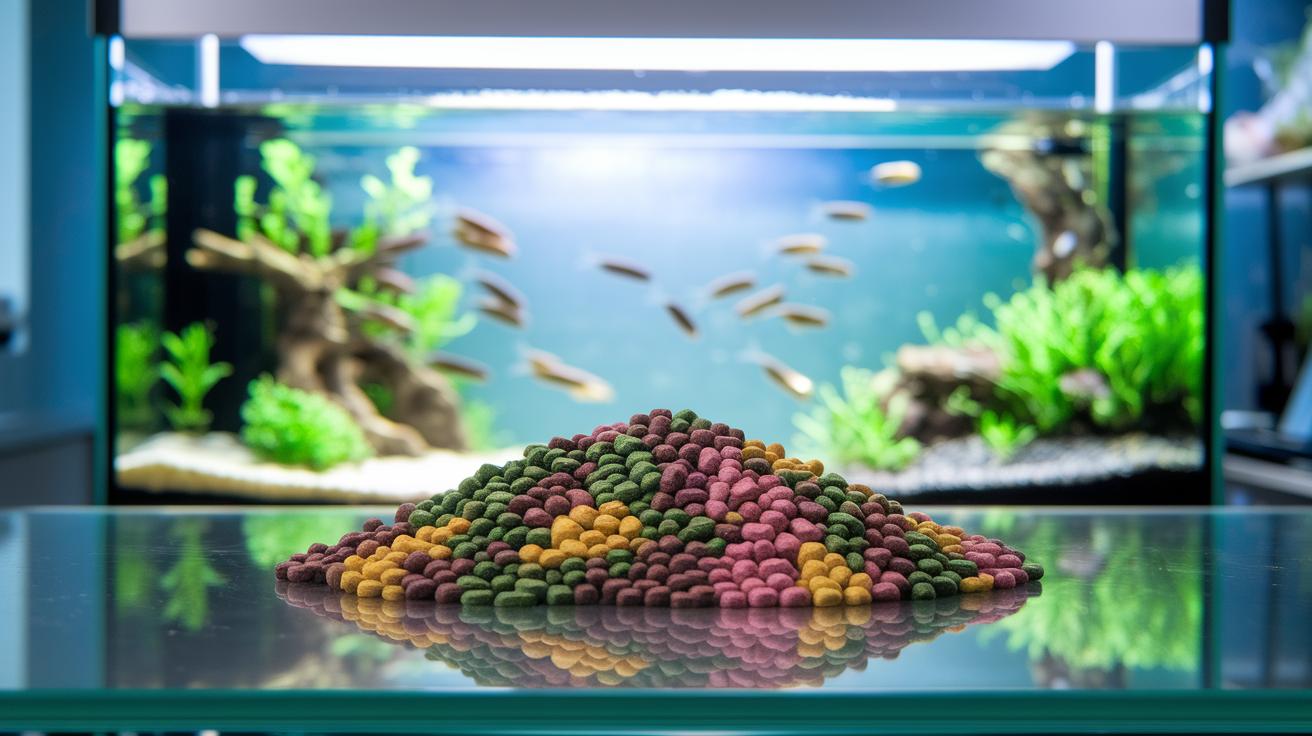
When picking feeds for your aquarium, quality is the first step to keeping your fish happy and healthy. Many top-quality, small-batch fish foods use great protein sources to help your fish grow strong and feel good. They list every ingredient, so you know exactly what your little swimmers are eating. This clear labeling builds trust and helps you steer clear of food filled with fillers like wheat and corn that might water down the nutrients and make your tank murkier.
There are different types of feeds, pellets, flakes, and granules, and each one has its own perks. Pellets usually keep their nutritious balance and hold together well in the water. Flakes break down slowly, which is nice for smaller fish that love to nibble bit by bit. Granules are often a good pick for bigger fish, though sometimes they sink too quickly and might throw off the feeding balance in your tank.
Here's a look at some common feed types:
| Feed Type | Benefits | Considerations |
|---|---|---|
| Pellets | Steady nutrients, slow to break apart | Often sinks a bit |
| Flakes | Even spread of nutrients | Breaks down faster |
| Granules | Great for larger fish | May sink too fast |
When checking out commercial fish foods, look for clear labels and signs of third-party tests. For instance, a package might mention "small-batch production with certified high-quality protein," which boosts your confidence in its quality. Paying close attention to these details helps you pick feeds that truly benefit your aquatic family.
Optimal Feeding Methods and Frequency for Aquarium Fish
Keeping a regular feeding routine is like ensuring your favorite underwater world stays lively. Instead of one big meal, most fish enjoy getting 1 to 3 little feedings each day. Think of it as giving them several tiny snacks throughout the day. This helps your fish stay full of energy without upsetting the balance of the water.
It helps to remember the simple rule: only put in as much food as your fish can eat in 2 or 3 minutes. This way, there are no leftovers to cloud the water or upset your tank's peaceful vibe.
Having a steady schedule really makes a difference. Many busy fish lovers use automated feeders that work like a clock. These devices help you keep a regular routine so your fish always get their meals, no matter how busy life gets. Imagine setting up your tank as carefully as a baker times the rising of dough, each meal perfectly planned.
Also, remember that changes in seasons and the age of your fish can affect how much they need to eat. Younger fish often do better with more frequent, smaller portions to help them grow. Adults might like a bit more time between meals. Just play around with the timing and portions until you find the perfect balance for your tank. Enjoy the process and watch your fish thrive!
Preventing Nutrition-Related Health Issues in Aquarium Fish
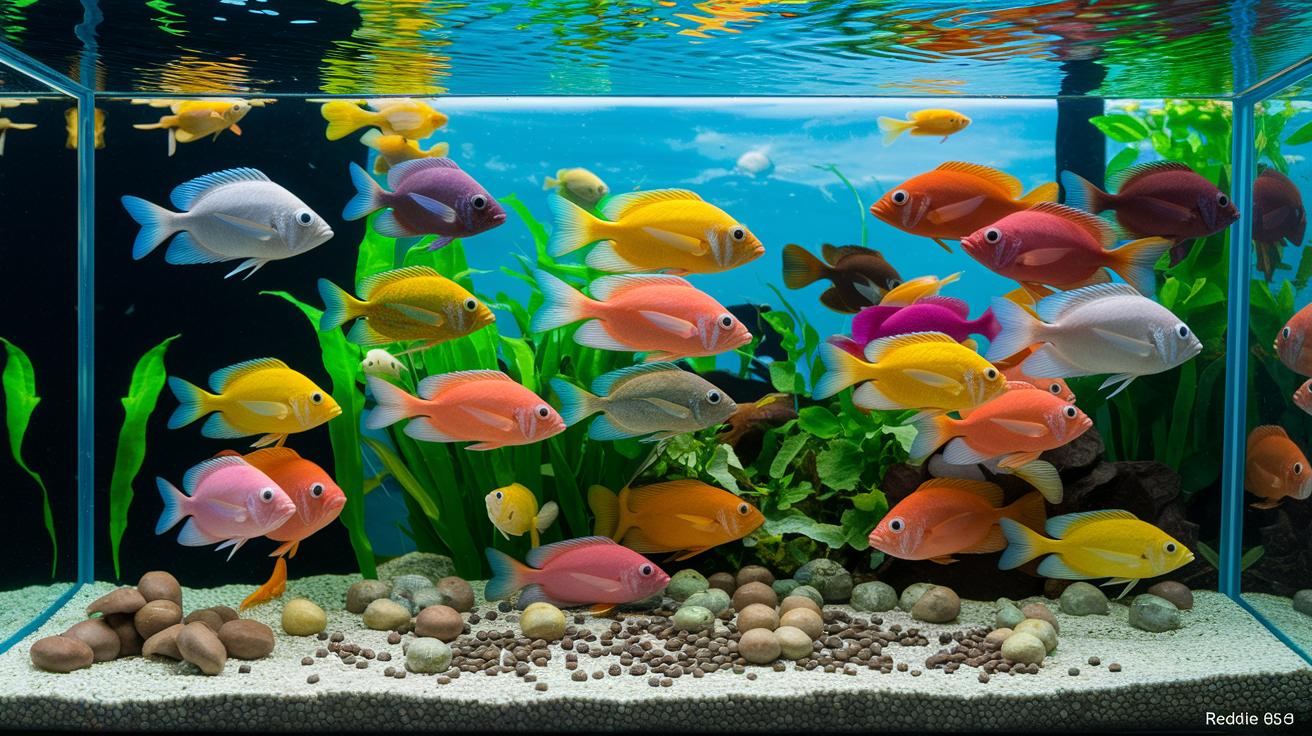
Ever notice how easy it is to feed your fish only flakes? Flakes may seem convenient, but they don't give your fish the full range of vitamins they need. When fish get stuck on a one-note menu, they might miss out on key nutrients, causing vitamin problems and stunted growth. That’s not the aquarium you dream about, is it?
Relying on a single type of food can even lead to deformities. Think about it, if you ate just one food every day, you'd miss some important nutrients too. In the same way, fish need a mix of foods to stay healthy and to show their natural behaviors like foraging or breeding. It’s like missing the right notes in a beautiful underwater song.
Feeding a balanced diet helps your aquatic friends handle stress much better. With a variety of meals, they show fewer signs of stress and are more ready to fight off illnesses. Mixing different feeds and even adding a few safe supplements not only ups the nutrient game but also helps prevent issues like swim-bladder problems, keeping your fish buoyant and full of life.
Remember, a vibrant tank is built on a menu that’s as colorful as a coral reef. With a little extra effort to mix up their diet, you’re creating an environment where every fish can swim happily and healthily every day.
Final Words
In the action, we've explored vital steps for managing water care and feeding practices. We've covered balanced diets, key nutrient details, and differences between freshwater and saltwater needs. We also talked about quality feed choices and practical routines to keep your tank lively. Each point supports a clean, balanced aquatic environment, showing that good aquarium fish nutrition basics go beyond just water conditions. Keep these tips in mind, and enjoy watching your underwater friends thrive every day.
FAQ
What does an aquarium fish nutrition basics PDF offer?
The aquarium fish nutrition basics PDF explains the key feeding guidelines for fish, covering proper portion sizes, a mix of proteins and vitamins, and tips to keep your tank’s ecosystem in check.
What are freshwater aquarium fish nutrition basics?
The freshwater aquarium fish nutrition basics include a balanced mix of proteins, fats, vitamins, and minerals designed to support healthy growth and active behavior in fish.
What are betta aquarium fish nutrition basics?
The betta aquarium fish nutrition basics focus on high-quality proteins and a controlled mix of nutrients to maintain vibrant color and energy levels, while avoiding fillers that can harm water quality.
What are the basics of fish nutrition and nutritional requirements?
The basics of fish nutrition cover the need for proteins, fats, vitamins, and minerals. These elements help fish grow well, boost their immune system, and prevent stress-related issues.
What is considered a balanced diet for fish?
A balanced diet for fish involves offering a mix that mimics their natural food, blending enough animal and plant-based proteins along with essential vitamins and minerals to maintain robust health.
How does one balance nutrients in a fish tank?
Balancing nutrients in a fish tank means using measured, high-quality feeds throughout the day, monitoring your water’s condition, and adjusting portions to match your fish’s specific dietary needs.