
Have you ever wondered if all the aquarium care advice you hear is really on point? Some old pointers may end up stressing your fish and messing with the water balance. In this post, I’m diving into those common myths and sharing clear, science-backed ideas that really work.
It turns out that following outdated tips can actually hurt your tank. With just a few simple tweaks, you can create a safer, happier home for your aquatic friends. Ready to clear up these misunderstandings and swim toward a healthier tank?
Debunking Core Aquarium Maintenance Myths
When we set out to bust these myths, we do it to help create a happier, healthier home for our fishy pals. Many new and experienced aquarists follow ideas that seem right at first but can harm water quality, fish health, and the overall balance of the tank. By clearing up these misunderstandings, we can all enjoy better, science-backed care for our underwater buddies.
- Fish won't just stop growing because of small tanks.
- The old "inch per gallon" rule isn’t as simple or reliable as it sounds.
- Smaller tanks might seem easier at first, but they aren’t always the best for beginners.
- Feeding your fish every day isn’t always necessary.
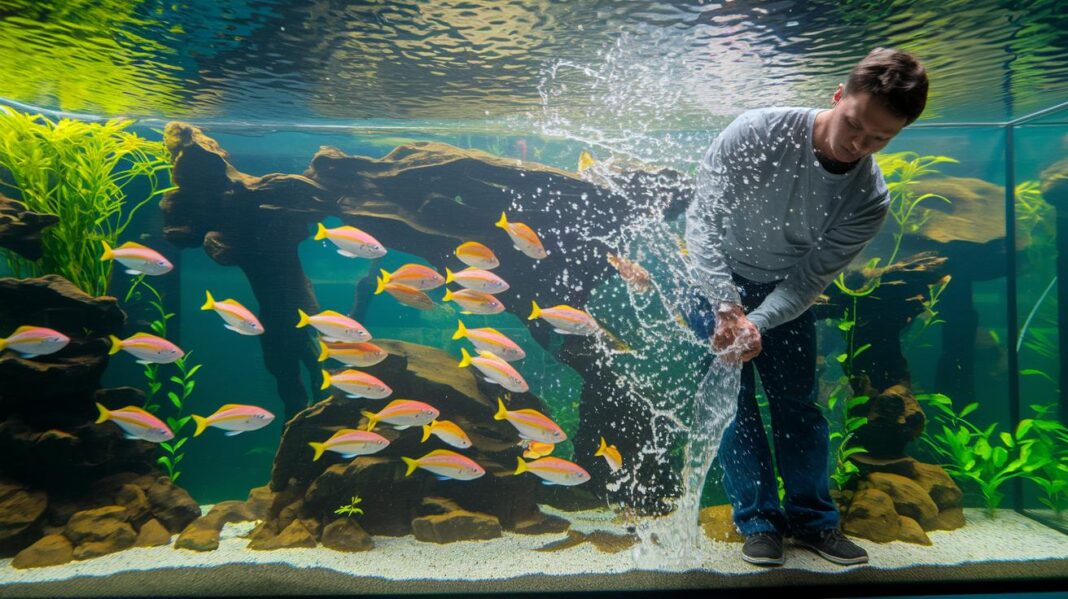
- You shouldn’t wait until your tank looks dirty to change the water and clean the filter.
- Bowls may look cute, but they don’t work for long-term homes for goldfish or bettas.
- Fish get the oxygen they need from water alone, and airstones don’t actually add extra oxygen.
In this article, we’ll gently swim through each of these myths. Drawing from scientific facts and years of personal experience, we’ll see that while small spaces or less food might slow a fish’s growth a bit, most species will eventually reach their natural size. Instead of using a one-size-fits-all stocking rule, we’ll talk about what really matters like the adult size of the fish and how they behave. You’ll understand why using a larger tank can keep the water stable and learn to match your feeding and cleaning routines to what your aquatic pets really need. This clear, friendly guide aims to update old habits with fresh, science-based tips to keep your aquatic world thriving.
Myth: Fish Grow Only to the Size of Their Tank
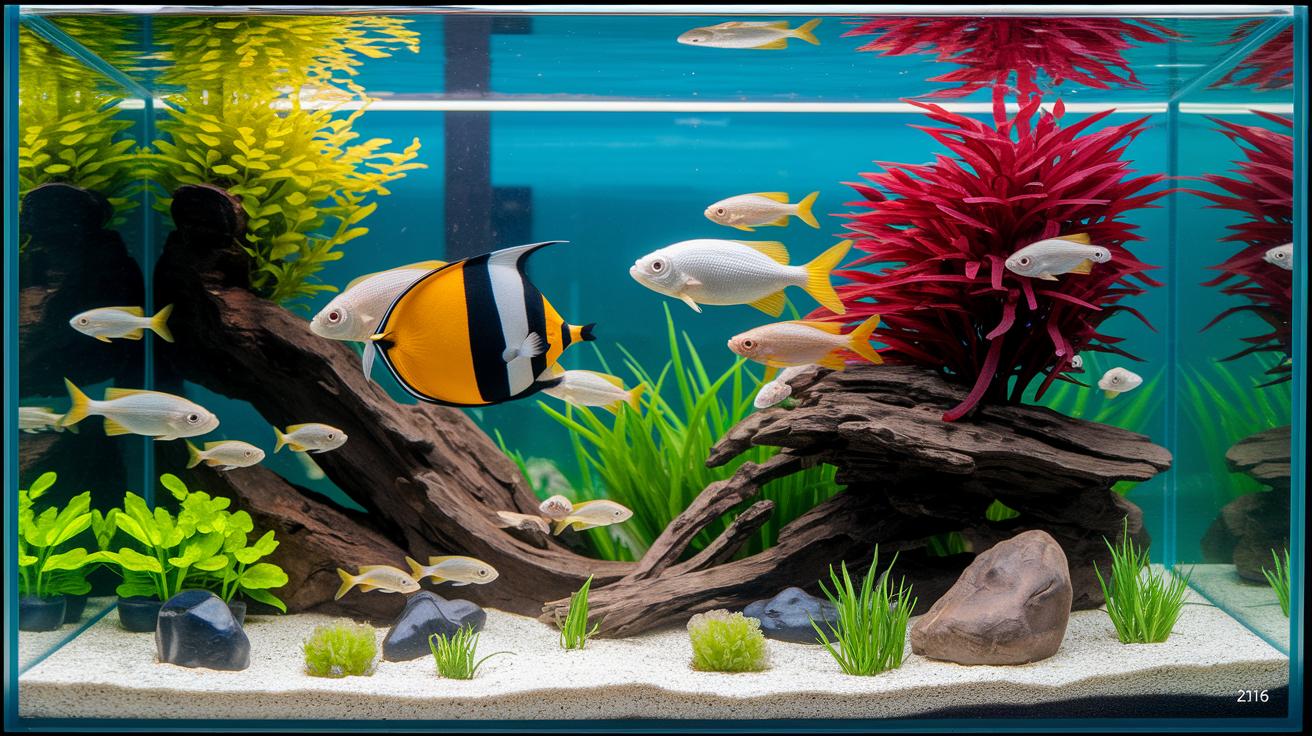
You might have heard that fish only grow as big as the tank they live in, but that’s not quite true. Even in a small tank, most fish will eventually hit the size their genes have planned for them. It’s like their natural blueprint is set long before they even swim around your tank.
Consider this: a 6-inch Oscar is true to its nature, just as a tiny guppy is meant to stay small. Research shows that while the room in the tank might change how fast they grow, it won’t change their natural, full-grown size.
So, when setting up your aquarium, always look up how big your fish will get. That way, you can give them enough space to swim around happily.
| Species | Mature Size |
|---|---|
| Oscar | Up to 12 inches |
| Guppy | Up to 2 inches |
Myth: The “Inch Per Gallon” Stocking Rule Is Reliable
Many fish lovers have heard and trusted the idea of 1 inch per gallon because it seems easy to remember and feel right. This simple rule has floated around in relaxed chats and old guides, giving the impression that it's a foolproof way to fill your tank. But really, it leaves out important details like how big your fish will grow and how their unique personalities can change the dynamics in your tank.
When you set up your aquarium, there are a few things to think about. For example, the size your fish will reach, how they act around each other, and even how much waste they create all play a big part in deciding the right number of fish. Skipping over details like the power of your filter or how well your tank oxygenates the water can lead to a crowded, stressed environment. In truth, every fish adds its own living mass, and if you only count inches per gallon, you might see murky water and unhappy fish.
Smart aquarists now use volume-based stocking tables and handy online calculators to plan their tanks. These tools consider your tank’s size, filter ability, and each fish’s behavior so that you can create a balanced underwater world where your fish not only survive but truly thrive.
Myth: Smaller Aquariums Are Easier for Beginners
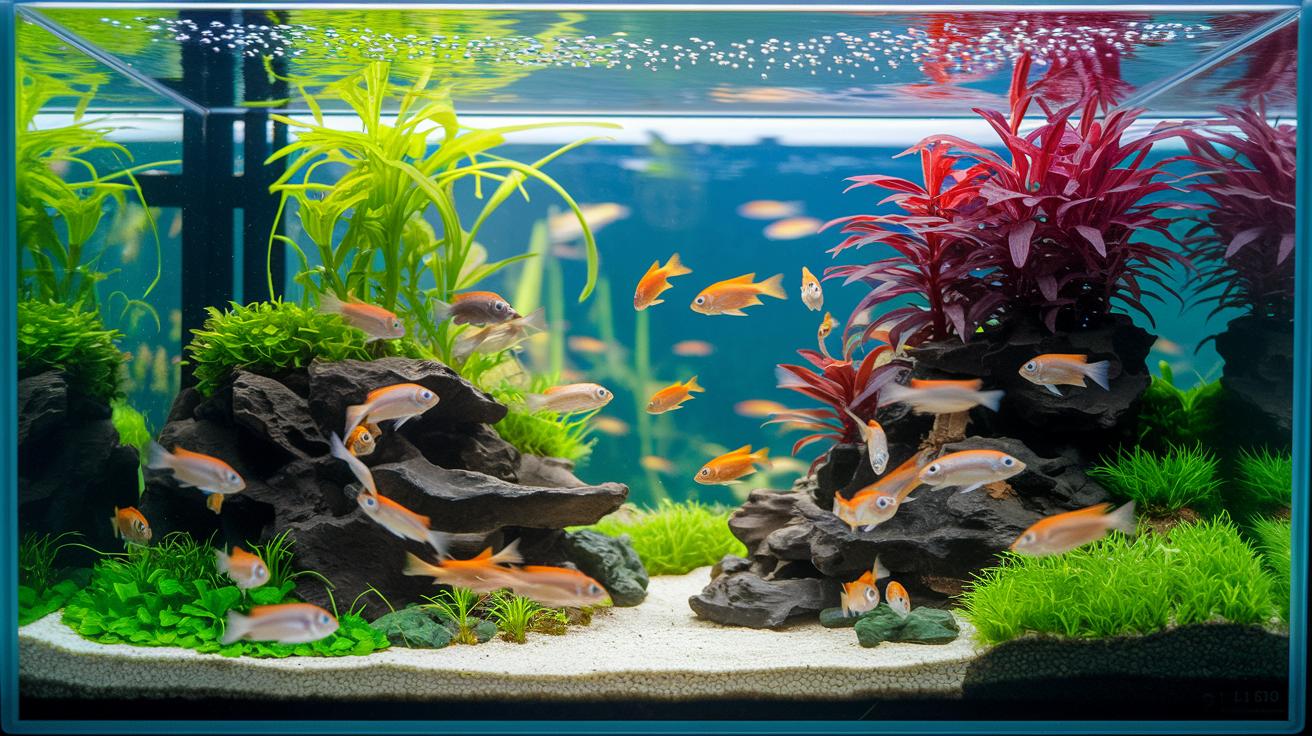
Many shops tout tiny 2–5-gallon kits as the easiest way to dip your toes into aquarium keeping. They often come with a catchy price and the promise of hassle-free setup. But, as you know, what seems simple on the surface can hide some choppy waters.
Small tanks can change conditions faster than a school of fish in a current, temperature and water chemistry can swing in a blink. This sudden shift can lead to problems like algae overgrowth or murky water, especially if you overfeed or don't use your heater properly. Even the tank’s spot in your home can stir up trouble.
For a smoother start, why not go for a tank of 10–20 gallons? With a bit more water, things stay steadier, giving you more room to tweak feeding and equipment. A larger setup helps create a balanced mini-ocean, easing stress on your fish and making it simpler to keep your underwater world calm and clear.
Myth: Water Changes, Filter Replacements, and Instant Cycling Solve All Problems
Proper Water Change Schedule
It might seem like doing big water changes is a good idea, but switching too much water at once can upset the tiny, helpful bacteria in your tank. Experts say doing a water change of just 10–20% each week is best. When you change too much water quickly, you wash away the good bacteria that take care of harmful chemicals like ammonia, nitrites, and nitrates. It’s like scrubbing your house so hard that you also get rid of the cleaners that keep it tidy. I once heard about a fish keeper who did a huge water change and saw his fish become stressed and sluggish.
Cycling Your Aquarium Correctly
Adding fish to a brand new tank right away might seem like a shortcut, but it actually puts a lot of stress on the fish and can mess up your nitrogen cycle. A proper cycle usually takes about 4–6 weeks to build up. During that time, you add a little ammonia and keep an eye on the ammonia, nitrite, and nitrate levels using test kits. This careful, step-by-step method helps you avoid sudden changes that could harm your aquatic pals.
Filter Media Maintenance
Swapping out all the filter media at once might look like a quick fix, but it can wipe out the colonies of good bacteria that help break down waste. Instead, try doing partial rinses with water from your tank and replace about 25% of the media each month. This slow approach keeps your filter balanced and your tank running smoothly.
Understanding these practices is key to keeping your tank healthy. When water changes are done too fast, fish may experience abrupt shifts in temperature and pH, which can lead to stress or illness. By making gradual changes and monitoring your tank closely, you protect the good bacteria that naturally clean your water.
| Action | Expert Recommendation |
|---|---|
| Water Changes | 10–20% weekly |
| Cycling | 4–6 weeks, test daily |
| Filter Media | Rinse monthly, replace 25% at a time |
Myth: Fish Thrive in Bowls, Airstones Replace Aeration, and Oxygen Comes Directly from H₂O
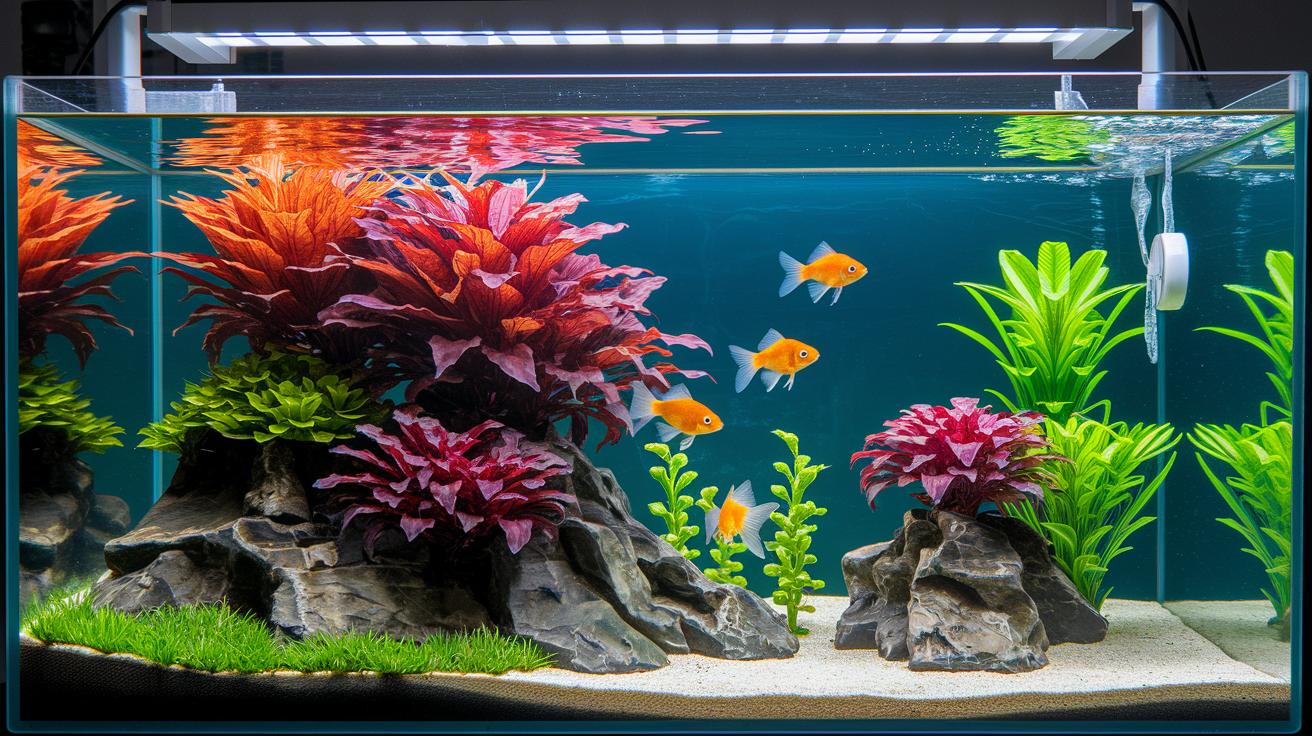
A small bowl doesn’t hold enough water to safely dilute chemicals like ammonia from fish waste. In tight spaces, ammonia builds up quickly and the water temperature can change fast, which stresses fish such as goldfish and bettas. Imagine feeling a sudden chill on a cool day without a coat, it’s exactly how your fish feel.
Also, the oxygen in water isn’t free for fish to sip up, it’s locked in with hydrogen. Fish get their oxygen when the surface of the water moves around, allowing air to mix in. Think of it like stirring a cup of cocoa; the stirring helps spread what’s already there instead of adding new cocoa.
For a healthy home for your fish, consider using equipment like air pumps, surface agitators, or power filters. These tools keep the water moving, making sure oxygen mixes in properly and the water flows nicely for your fish.
Myth: Live Plants Only Need Fertilizer and Will Deplete Oxygen at Night
Many hobbyists often believe that a simple splash of fertilizer is all a plant needs. But if you notice yellowing leaves or dull, fading colors, there's likely more going on. Just like a vibrant coral reef relies on balanced light and gentle currents, your plants might be missing the right amount of light, balanced CO₂ levels, or essential micronutrients.
Good plant care is a bit like preparing a tasty, well-rounded meal. You need more than just fertilizer. Steady, balanced light helps your plants power through photosynthesis, much like sunlight energizes a bright underwater scene. Keeping CO₂ levels just right fuels growth during the day, and a full mix of micronutrients helps them stay vibrant. It’s about offering a complete care package instead of just one nutrient.
Even though plants do use a bit of oxygen at night, it's only a small amount. With proper water movement and circulation in your tank, even densely planted aquariums keep oxygen levels safe. Using air pumps, surface agitators, or power filters is like adding the perfect current to your aquatic setup, making sure all your underwater friends thrive happily.
Myth: Algae and Daily Feeding Reflect Poor Tank Health
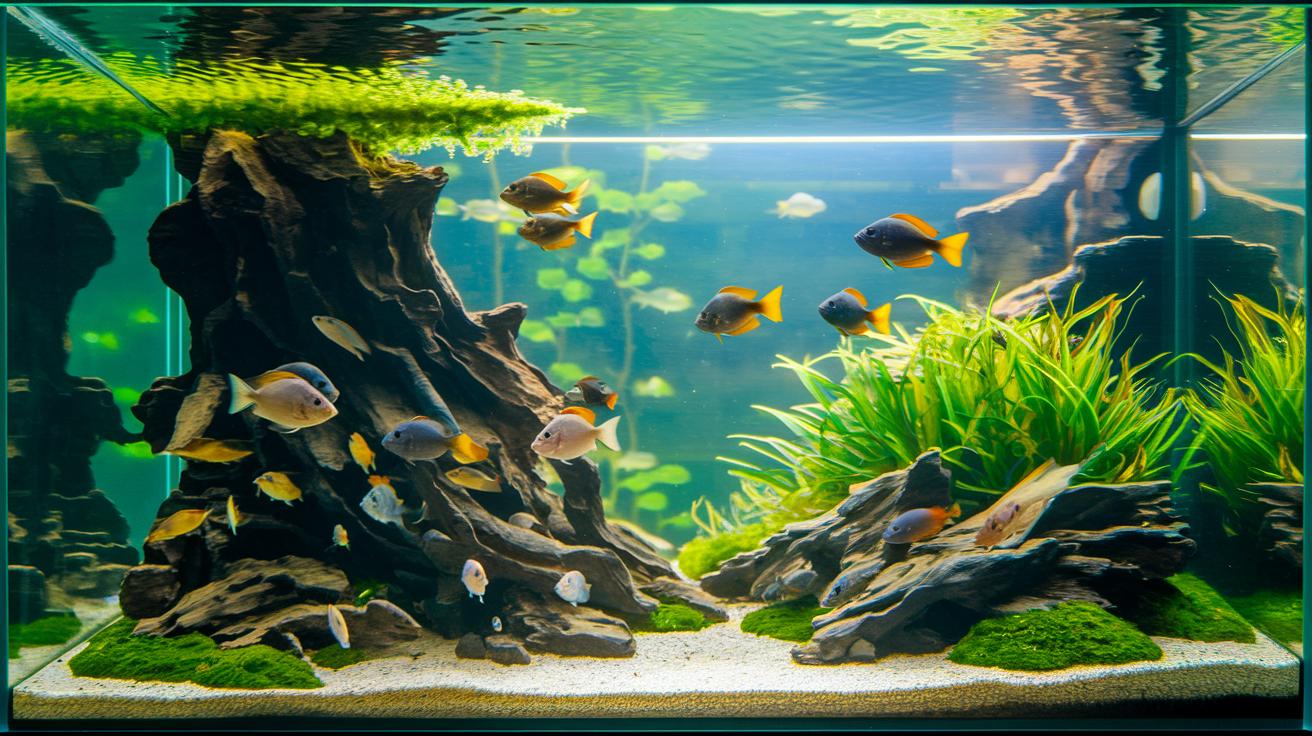
Algae isn’t simply a sign of a grimy tank. It’s more like nature’s little helper in your aquarium. When sunlight, warmth, and nutrients come together, algae forms naturally, adding oxygen and a gentle protective layer for your fish. Many aquarists manage it by tweaking the light and nutrient levels, shortening light times can slow its rapid growth.
Feeding your fish properly plays a big part in keeping the water clean, too. Overfeeding can lead to water problems, so experts recommend feeding just once or twice a day. Give your fish only as much food as they can finish in about 2–3 minutes. Start with a small amount and watch them carefully; if the food disappears too quickly, you might try a little extra next time. This helps avoid issues like bloat or harmful ammonia spikes.
Regular upkeep is key to a healthy tank. A little tidy-up here and there, like gently scrubbing algae off surfaces and timing your feedings right, makes a big difference. Together, these steps help your aquatic buddies thrive in a clear and vibrant home.
Final Words
In the action, we tackled many familiar aquarium care myths. We cleared up ideas about fish size limits, stocking rules, and the challenges of smaller tanks. We even looked at proper water changes, filtration, bowl care, and live plant needs. Every tip aimed to build a safe, balanced, and pleasing underwater home for your pets. By embracing aquarium maintenance myths debunked, you’re set to create a tank that thrives and brings joy every day.
FAQ
How do aquarium maintenance myths debunked on YouTube help fish owners?
Videos debunking aquarium maintenance myths explain that many common beliefs are inaccurate and offer science-based advice to help you create a healthy, balanced tank for your fish.
What causes aquarium driftwood problems?
Aquarium driftwood problems often arise from tannin release or decay. Pre-soaking and properly treating driftwood can prevent water quality issues and keep your tank clear.
What do articles about aquariums typically discuss?
Articles about aquariums usually share straightforward tips on tank care, equipment setup, and common challenges, giving you practical advice to maintain a thriving aquatic environment.
Can you use beach driftwood in an aquarium?
Using beach driftwood in an aquarium requires careful cleaning and soaking to remove salt and impurities. This treatment helps safeguard your water quality and protects your fish.
What guidance does an aquarium stocking guide provide?
An aquarium stocking guide offers advice on choosing the right number and type of fish, considering adult sizes and species compatibility, to prevent overcrowding and maintain proper water quality.
How much water change should an aquarium have?
Recommended water changes usually involve replacing 10–20% of the tank’s water weekly. This practice helps maintain a balanced environment and keeps your fish healthy.
What are the basics of aquarium care?
Aquarium care basics include proper feeding, regular water testing, and routine equipment maintenance to ensure your aquatic friends have a clean and balanced environment.
What does PETA think about aquariums?
PETA often raises concerns about the welfare of fish in confined spaces and promotes responsible care practices. They encourage thorough research to ensure the ethical keeping of aquatic pets.
Is keeping fish in an aquarium cruel?
Keeping fish in an aquarium isn’t cruel when proper space, water quality, and attentive care are provided. A well-maintained tank supports a healthy and comfortable life for your fish.
How long can you go without cleaning your fish tank?
Skipping tank cleaning for more than 3–4 weeks can lead to deteriorating water quality and stress for your fish. Regular maintenance is key to a healthy aquarium.
Does any aquarium fish require no maintenance?
No aquarium fish is completely maintenance-free. Every fish needs regular feeding, water quality checks, and care to thrive in a healthy living space.