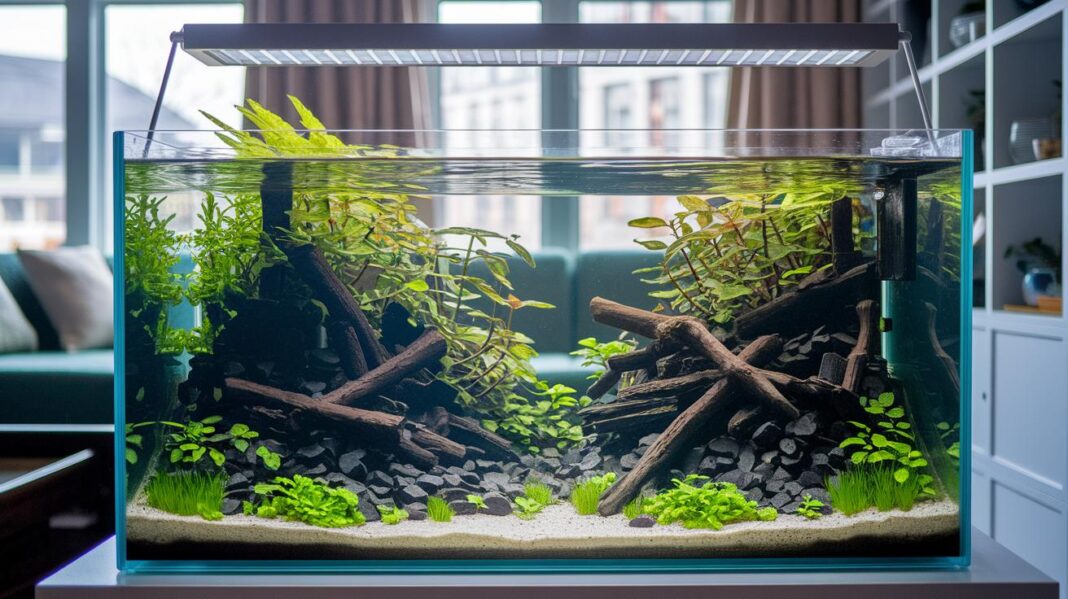

Ever wonder if your tank’s design might be causing hidden trouble for your fish?
Many of us, as fish enthusiasts, sometimes cram too many elements into our aquascapes without noticing how it affects our underwater friends.
Catching these little mistakes early is like letting a gentle current guide your tank to sparkle.
A bit of extra planning now can transform your aquarium into a stunning home for your fish while saving you time and money.
Aquascaping Design Mistakes: Brighten Aquarium Style
It’s a smart move to spot common aquascaping slip-ups early. Catching these errors during the planning stage can save you time and money, just like avoiding a school of misguided minnows. By getting ahead of potential issues, you keep your tank shining bright and your fish feeling at home.
Taking a little extra time now means a smoother setup later, much like setting a gentle current for your aquatic scene. Whether you're drawing up your layout or keeping up with daily care, knowing what to avoid helps you build a tank full of life.
-
Planning Errors
Not doing enough research or having fuzzy goals can lead to odd layouts and misplaced focal points. Think of a solid plan as a steady current that guides your design to flow naturally. -
Overstocking Problems
Fitting too many fish is like cramming too many pebbles in a stream, it overwhelms your filter and blocks smooth water flow. This crowded situation can quickly spoil water quality and stress out both fish and plants. -
Plant Choice Mistakes
Choosing the wrong plants or putting them in the wrong spots can leave your aquatic garden unbalanced and unhealthy. If you’re just starting out, consider looking up tips for beginner-friendly aquarium plants to help make the right choices. -
Maintenance Oversights
Skipping routine water changes and filter care is like letting leaves clog a gentle waterfall. Over time, neglect can lead to algae blooms and cloudy water. Check out some tips on how to keep your filter media in top shape for more guidance. -
Water Parameter Mismanagement
Not watching key measures like pH and ammonia levels is a bit like ignoring the water temperature in your favorite pool. Even small changes can stir up big challenges for your underwater buddies. -
Lighting Configuration Errors
Too little light leaves plants weak, and too much can give algae the green light to take over. Finding the perfect balance is key, much like adjusting the brightness to mirror the sparkle of water on smooth stones. -
Design Balance Flaws
Overlooking water flow and central focal points can make your tank feel chaotic or dull. A balanced design is like a calm, inviting pond that draws you in. -
Hardscape Overcrowding
Packing in too many rocks and ornaments restricts water movement, making it tough for everything to flow naturally. It’s like trying to swim through a tangle of seaweed, everything gets stuck. -
Substrate Care Lapses
Neglecting to clean the gravel allows debris to pile up, turning clear water murky. A little extra care keeps your tank sparkling, just like a well-tended stream. -
Rushed Cycling Process
Skipping a slow, steady cycling process means missing out on the good bacteria that make your tank safe. Without them, you risk those dangerous ammonia spikes that can harm your aquatic friends.
For more in-depth advice on fixing these mistakes, dive into our sections on layout planning, plant care, and equipment maintenance. Your aquarium will thank you by glowing as beautifully as sunlight dancing on water.
Avoiding Layout Planning Pitfalls in Aquascaping Design
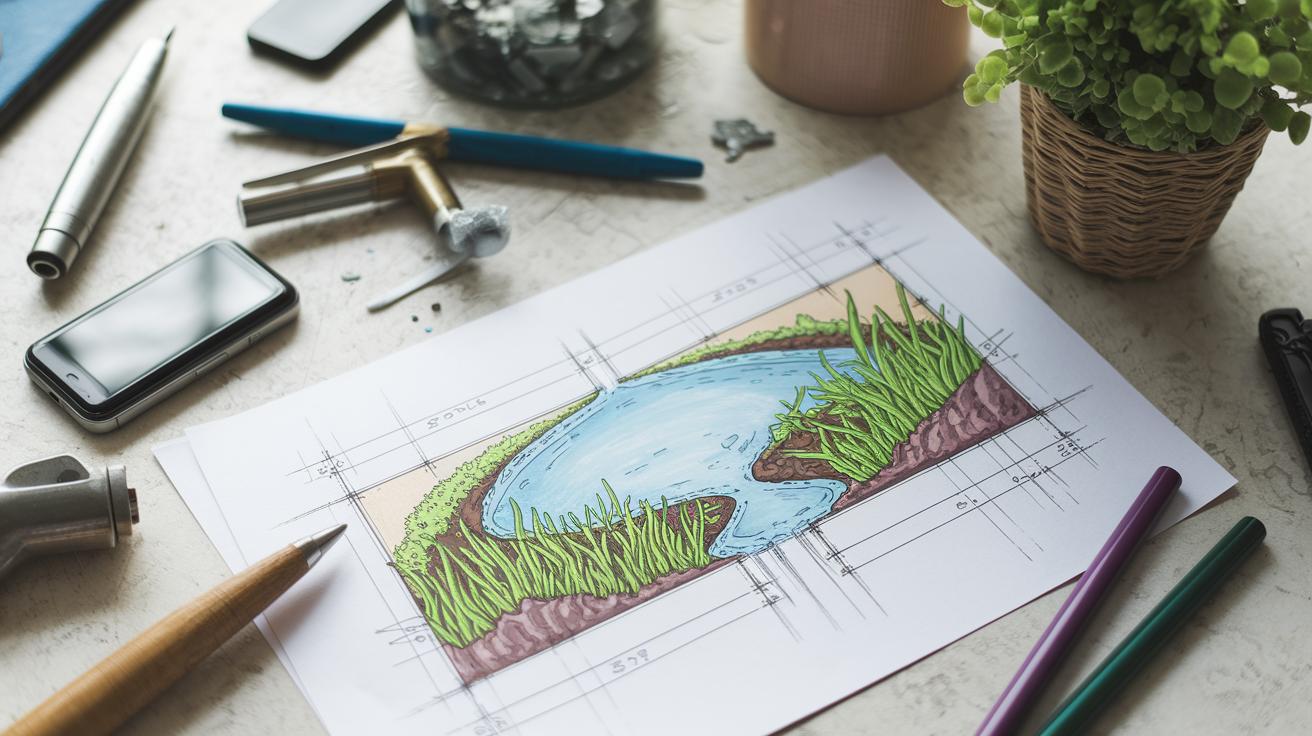
Take a moment to dive into different aquascaping styles and picture your ideal underwater world. Start by crafting a layout plan that blends your vision board ideas with thoughtful spots for plants, fish, and upkeep tasks. Rushing often leads to problems like flat slopes and off-target focal points. A quick sketch early on can help you steer clear of issues like poor drainage or tricky access routes. For instance, you might write down, "Sketch your layout – I mapped areas for lush foliage and clear viewing zones to avoid a one-dimensional tank design."
Next, mix in methods that show where your water should flow. Draw clear paths to ensure water circulates evenly, keeping your fish happy and making it easier to clean the tank. Imagine missing a drainage channel and ending up with still, stagnant water, a marked plan can really save the day. Overall, this planning approach combines solid research, careful focal planning, and smart mapping tricks into one simple guide for a balanced and lively aquascape.
Substrate and Hardscape Misplacement Errors in Aquascaping Design
Getting the substrate depth just right is essential for a healthy aquascape. When your substrate is too shallow, plant roots have difficulty settling in and grabbing the nutrients they need. If it's too deep, the roots can get smothered and struggle to breathe. Think of your substrate as the soft riverbed that supports your underwater garden. Taking a little extra time to measure and adjust based on your plant choices can help you dodge common mistakes and keep your aquascape thriving.
Building a stable hardscape goes hand in hand with planning your substrate. Laying down solid layers before you add heavy rocks can stop them from shifting or toppling over. When big rocks sit on loose sand, the base can become unstable, and stacking rocks too tightly against the tank’s back wall can block water flow and make cleaning harder. Leaving some intentional gaps not only helps with water circulation but also creates snug hideouts for little critters.
Improper Substrate Depth
When the substrate is off balance, plant roots can’t grow properly, leading to a weak tank structure. If the ground isn’t set just right, plants have a hard time settling in, and their roots end up too weak to support the whole aquascape.
Unstable Hardscape Arrangement
Putting large rocks on their own without a strong base can lead to shifts and even collapses. A packed hardscape can block water movement, making your tank harder to keep clean and reducing safe spots for your beneficial invertebrates.
| Substrate Type | Ideal Depth | Common Mistakes |
|---|---|---|
| Gravel | 1-2 inches | Layer too shallow or deep |
| Sand | 1-2 inches | Improper base support |
| Aquatic Soil | 1-3 inches | Over-compacted layering |
Common Lighting Configuration Mistakes in Aquascaping Design
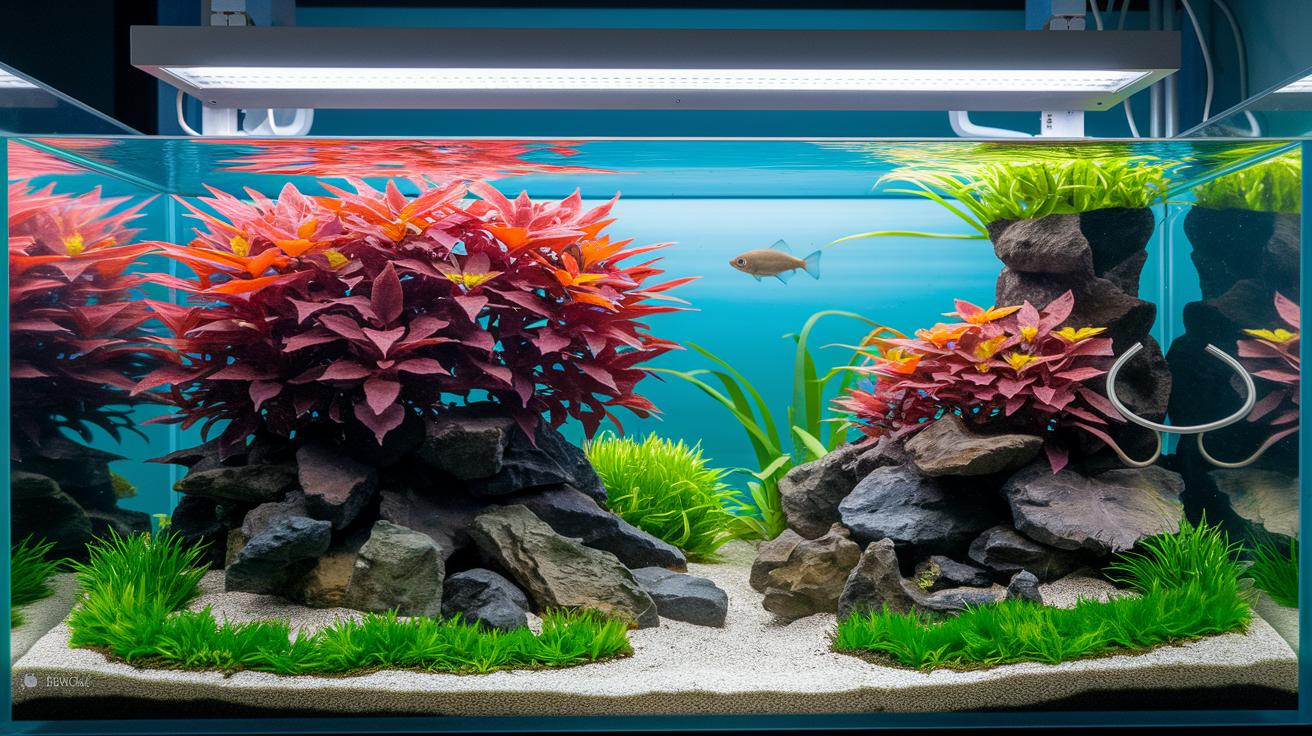
Sometimes, your aquarium might not get enough light because the lamp is placed too high, it has low wattage, or the timer is set wrong. This can make plants look weak and spindly. One aquarist shared, "Under-lighting – my aquarium plants appeared weak, almost as if they were stretching for a light that wasn’t there." When this happens, photosynthesis gets thrown off, and plants miss out on their natural daily rhythms. If you notice your plants stretching or losing their bright colors, it might be time to check your lamp’s height and wattage.
On the other hand, too much light can be just as troublesome. Excess light may lead to algae blooms and even burn the leaves of your plants. A fellow fish keeper once said, "Over-lighting – my tank turned into a sea of algae, and the leaves looked like they got roasted by the sun." By dialing back the intensity or shortening the light period, you can keep your underwater garden balanced and thriving.
Nutrient Imbalance and CO2 Injection Errors in Aquascaping Design
Nutrient dosing mistakes can really throw off your tank's natural vibe. When you add too much fertilizer, especially those packed with nitrogen and phosphorus, it floods your aquarium with extra nutrients. This extra boost gives algae a head start, letting them quickly take over and steal light and space from your beautiful aquatic plants. I once heard from an aquarist, "I added extra fertilizer hoping to boost plant growth, only to have my tank overtaken by algae." It shows that even a small error can upset the water's balance and impact your entire underwater garden.
CO2 mishaps can cause just as much trouble. When CO2 is added too fast or unevenly, the pH of your tank can swing suddenly, stressing out both fish and plants. A sudden change in CO2 disrupts the gentle process that helps plants use light to grow. One fellow hobbyist mentioned, "My tank’s pH swung wildly after a CO2 mistake," which reminds us that even small missteps in gas delivery can unsettle your aquarium. Whether it’s fertilizer or CO2, taking a careful and measured approach is key to keeping your aquatic world thriving.
Aquatic Plant Mismanagement and Spacing Errors in Aquascaping Design
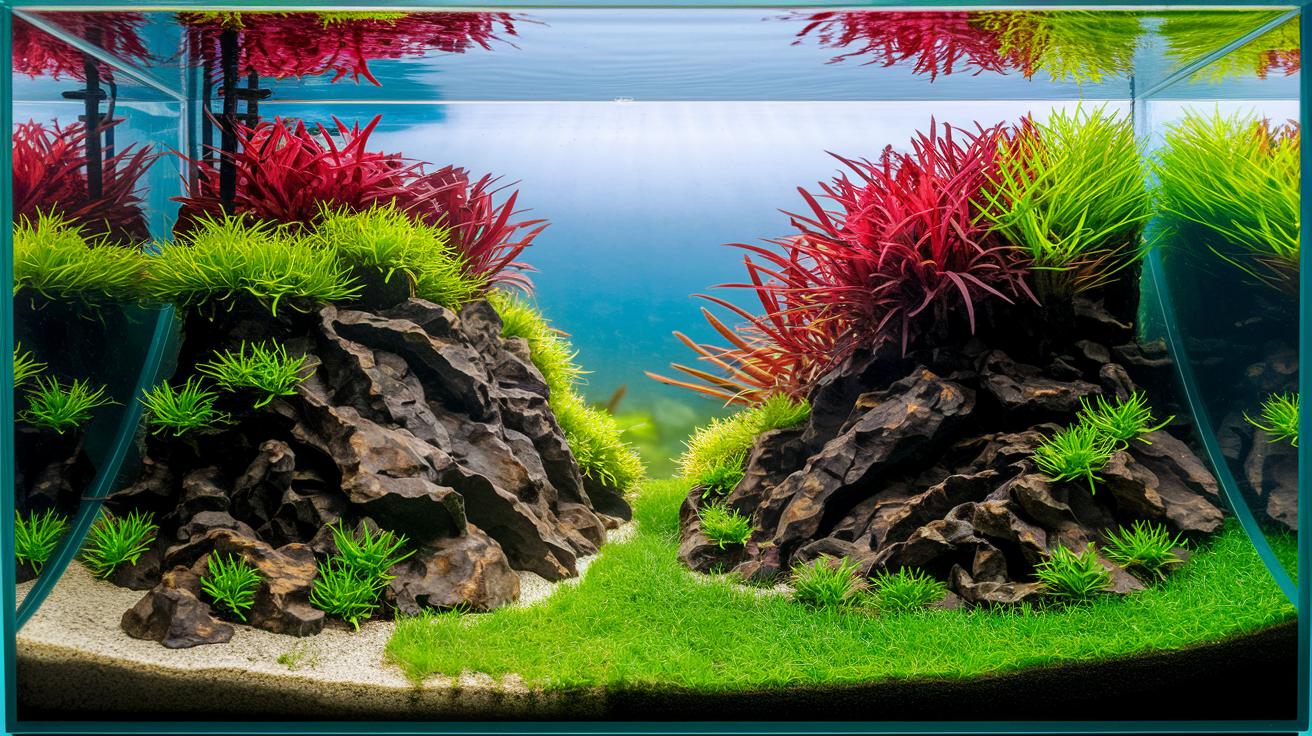
Starting with the right plants is like laying the foundation for a happy underwater home. You want to choose plants that get along well by checking their growth speed and root habits. I once set up my tank by pairing tiny carpet plants with a few taller stem varieties. This way, every plant gets its own space to grow without blocking light or stealing nutrients. It’s like planning a perfect underwater garden where every plant finds its spot.
Getting the spacing right and keeping up with regular trimming is just as important. Planting them too far apart can slow down their ability to build strong roots, while not trimming can lead to tangled shoots and stunted growth. You might notice that if your tank feels too empty or too crowded, it’s time for a little tweak. By planning based on how big the plants will eventually be and setting aside a bit of time each week for a trim, you help your aquascape look vibrant and balanced, just like a peaceful ripple in a clear pond.
Poor Maintenance Planning in Aquascaping Design
A steady weekly routine can make your tank sparkle and help your fish live their best lives. Think of it like tending to a beautiful garden in water form. Changing the water often stops nutrient overloads and nips algae blooms in the bud. When you vacuum your gravel, imagine you're refreshing your garden bed by pulling out weeds, keeping everything neat and healthy.
Regular equipment checks work like a quick pit stop for your tank. Spending a few minutes each week on your filters and testing water quality catches small problems before they turn into big issues. It’s like checking your car’s oil, a little bit of attention now can save you a lot of hassle later. These simple steps help keep your tank clean and save time by preventing bigger repairs down the road.
Final Words
In the action, you read about common pitfalls in planning, substrate and hardscape placement, lighting setups, nutrient dosing, plant spacing, and maintenance routines. Each section showed how small missteps can affect your tank’s beauty and balance.
The tips help steer clear of aquascaping design mistakes. Taking care of these details means you get a more pleasing, healthy underwater view. Keep experimenting and enjoy your aquatic space!
FAQ
What are some common aquascaping design mistakes reported on Reddit?
The common aquascaping design mistakes reported on Reddit include poor layout planning, overstocking, misplacing aquatic plants, and improper lighting. These issues can lead to stunted growth and unwanted algae in your planted aquarium.
How do aquascaping design mistakes on YouTube tutorials compare to errors in planted aquariums?
The aquascaping design mistakes discussed on YouTube often detail layout errors, overcrowded hardscape, and imbalanced nutrient setups that are similar to those seen in planted aquariums. Such mistakes can hinder plant growth and overall tank harmony.
What are the main aquascaping design mistakes for a planted aquarium?
The main aquascaping mistakes for a planted aquarium include mistaken plant selections, improper spacing, and flawed maintenance routines. These issues can lead to poor water quality, algae blooms, and reduced plant health.