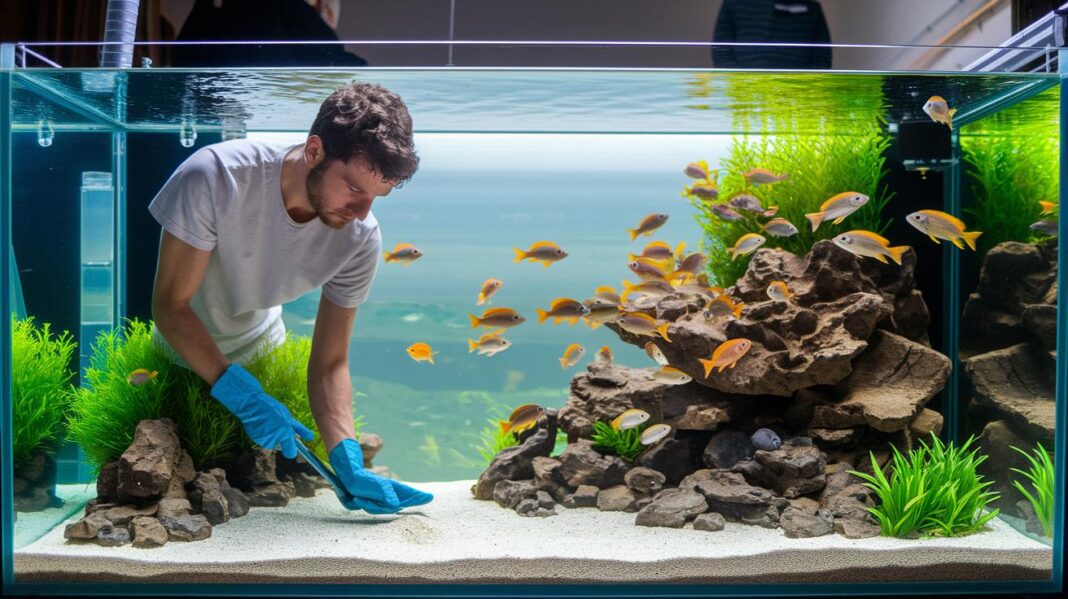

Ever noticed your fish swimming away from the sandy bottom? It could be a clear sign that your tank needs a little refresh. Beneath the pebbles, there’s a hidden world that can sneakily spoil the water and make your fish feel uneasy.
I once took some time to gently clean my tank, and watching the water sparkle as it cleared up was like seeing a calm, sunlit pond again. In this guide, I’ll share a few easy tips to sweep away the debris and give your underwater refuge a new lease on life.
Imagine your fish gliding happily over a clean, tidy bed, like pebbles smoothed by the soft murmur of water. Isn’t it amazing how a simple routine can turn a murky tank into a peaceful home for your aquatic friends?
Essential Steps for Aquarium Substrate Cleaning and Maintenance
Start by focusing on getting rid of any organic debris hiding in your tank's substrate. This helps keep nasty nitrates and phosphates from building up. Use a siphon as you change about 25–30% of the water, I've seen firsthand how a steady flow quickly lifts away floating waste, leaving the water sparkling clear.
Make it a habit to vacuum the substrate, especially in those sneaky spots where water lingers, like under decorations and in the corners. Glide the siphon head slowly over the gravel bed so every bit gets cleaned. Keep a steady suction and pause when the water runs clear or once you've removed the target amount.
Remember to use soft, sweeping motions when cleaning so you don’t disturb plant roots or the helpful bacteria that live around them. Waste often gathers unevenly across the substrate, so taking a little extra time in low-flow areas keeps your tank balanced. This method not only brightens the water but also helps your plants grow strong and your fish feel healthy.
If you still see bits of debris after a round of vacuuming, don’t hesitate to go over those areas again until the substrate is spotless. Following these friendly steps will leave you with a cleaner tank and a more inviting home for your aquatic pals.
Tools and Equipment for Effective Aquarium Substrate Cleaning
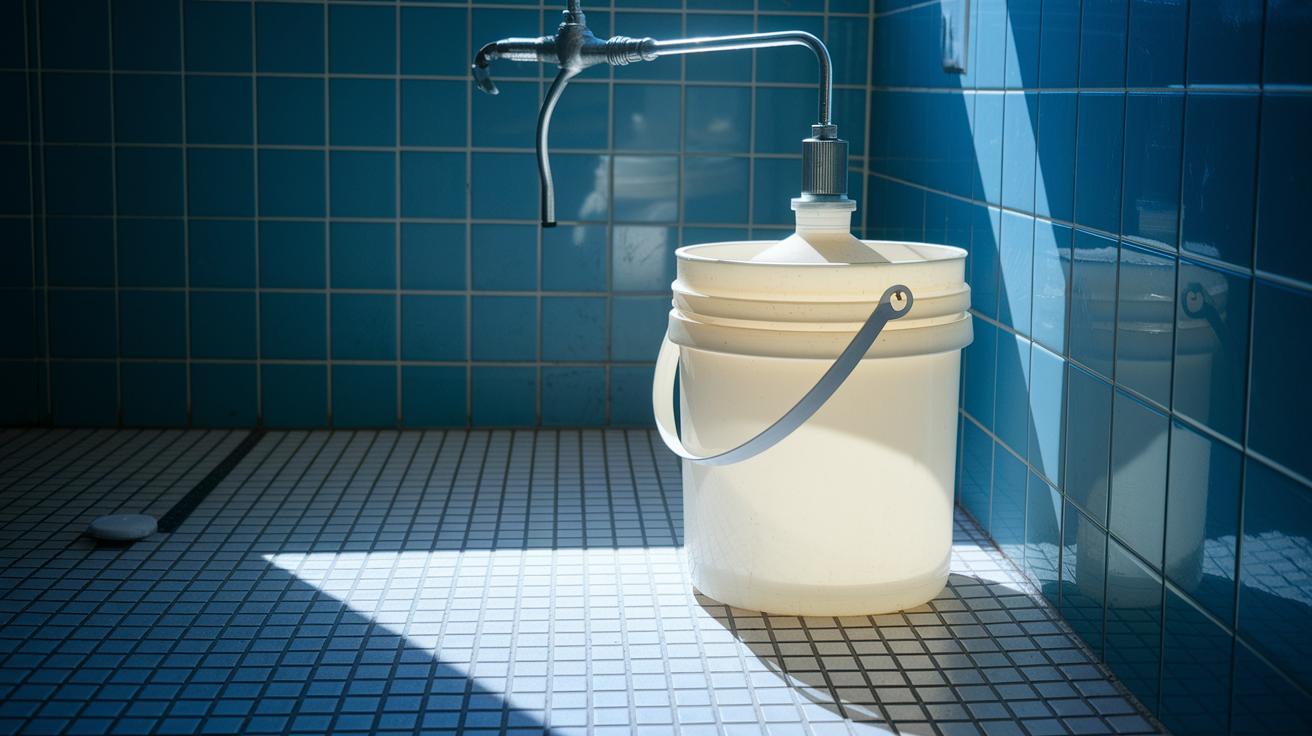
Keeping your tank bottom sparkling is easier when you've got the right gear by your side. Imagine your cleaning routine as a refreshing swim through calm waters, each tool plays its part in preserving your fish's home. A simple five-gallon bucket, for instance, is like a trusty sidekick that helps scoop out water and debris without any fuss. It strikes a perfect balance between holding enough liquid and being light enough to move with ease.
Siphon systems are true lifesavers in maintaining a healthy aquatic environment. There are a few types to choose from:
- Self-start hand pumps: They let you control the water flow, so you don't accidentally pull up too much of your substrate.
- Motorized versions: Ideal for larger tanks, these reduce the effort and keep cleaning quick and smooth.
- Traditional breath-start models: They get the job done, but they can sometimes lead to spills or gulping in extra water, which is why many fish keepers lean towards the pump options.
Using a hose with your siphon can be really handy, directing the murky water right into your sink, tub, or even out in the yard for freshwater setups. To help clear away stubborn sediment, you might want a gravel-vacuum attachment, it works like magic at getting the fine stuff out. And sometimes, a soft brush or a substrate rake is just what you need to gently loosen debris tucked away in tight spots.
| Tool | Description |
|---|---|
| Five-Gallon Bucket | Your reliable partner for collecting water and debris |
| Siphon System | Available in self-start and motorized options for smooth cleaning |
| Gravel-Vacuum | Quickly clears out sediment, making cleanup a breeze |
| Substrate Rake/Brush | Helps dislodge debris in the nooks and crannies |
Step-by-Step Substrate Cleaning Guide for Gravel and Sand
Start by placing your siphon head right into the thick of your gravel and letting it change about 25–30% of your tank's water. Think of this as a gentle stir, like the soft ripple across a calm pond revealing tiny treasures hidden in the sand.
Next, move your siphon slowly in a grid pattern, covering every part of your tank. As you go, watch the water that comes out. With every pass, the muddy water clears like turning a page in your favorite book, leaving behind a cleaner surface.
For tanks with sand, give the hose a little pinch to slow down the flow. This helps keep the sand grains snug in place, similar to sprinkling sugar lightly rather than pouring it too fast.
Focus especially on areas where waste tends to build up, like under your favorite decorations or spots where water barely moves. Work slowly over these areas, gently lifting away debris, then blend your cleaning into nearby clean zones.
| Step | Action |
|---|---|
| 1 | Place the siphon head into the gravel; change 25–30% of tank water |
| 2 | Move in a grid pattern over the substrate |
| 3 | For sand, pinch the hose to slow the water flow |
| 4 | Target waste under décor or in low-flow spots |
| 5 | Keep going until the water runs clear and desired cleaning is achieved |
Routine Aquarium Substrate Maintenance and Upkeep
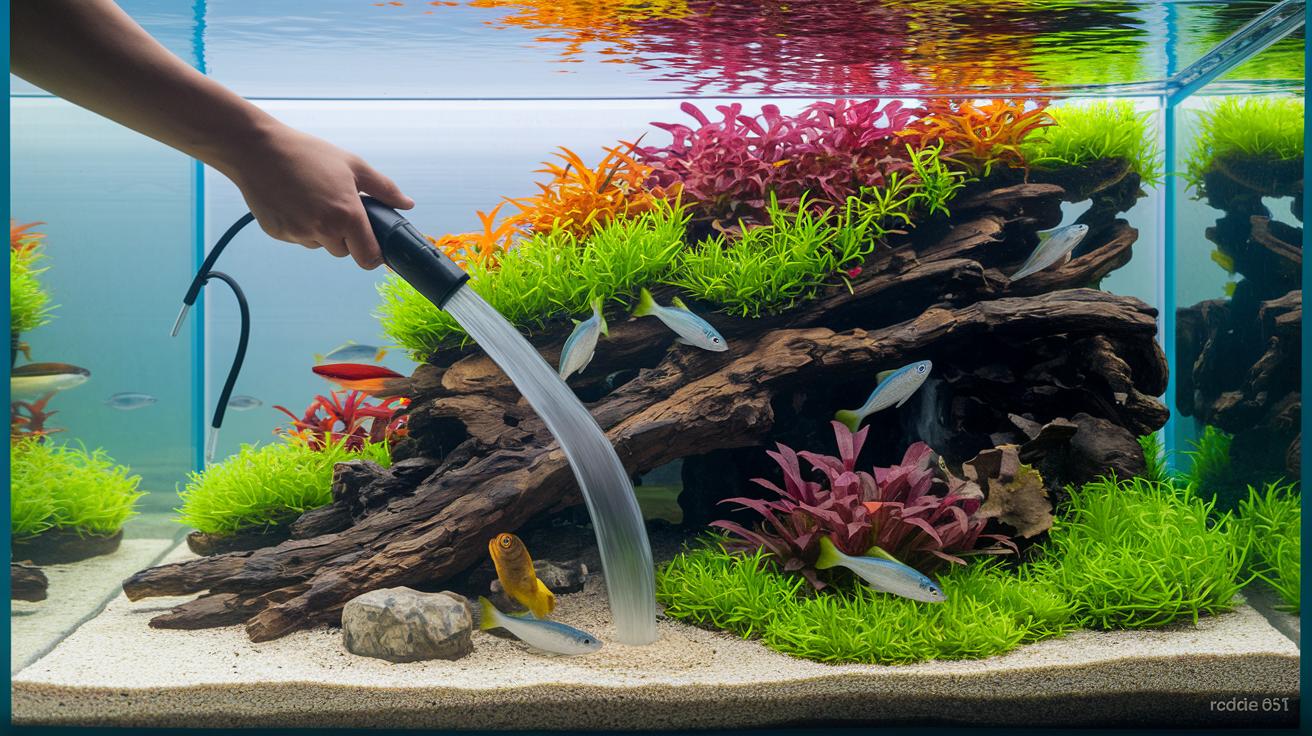
Keep your aquarium happy by setting a regular cleaning routine every 2 to 4 weeks during water changes. This steady care helps sweep away old leaves and waste that can slow down plant roots and encourage algae, a bit like letting a gentle current whisk away the dirt to reveal a fresh, vibrant layer below.
Aquasoils, especially those packed with extra nutrients like ammoniacal nitrogen, tend to use up their good stuff within 6 to 12 months. So, besides making your tank look neat, cleaning also gives your plants a quick boost, much like watering your garden to keep it lively and balanced.
Watch your substrate closely. If you see extra bits of debris or a touch more algae than usual, it might be time to clean a bit more often. When your plants start to shine and your fish seem more active, you’ll know your clean base is doing its job, helping to keep the water clear and creating a cozy home for your aquatic pals.
Feel free to play around with your cleaning routine, try different patterns and see what fits your tank’s unique flow.
Specialized Techniques for Aquarium Substrate: Siphoning and Vacuuming Tips
Taking care of your aquarium substrate with smart siphoning and vacuuming can really boost your tank’s health. Start by keeping an eye on your siphon’s flow. You can use the built-in pump valves or simply pinch the hose gently whenever needed. Think of it like turning a tap to let just the right amount of water flow out, this little trick helps keep your good substrate in place.
Try out different siphon head sizes and hose lengths until you find what works best for your tank’s depth and gravel size. When these parts work together nicely, cleaning becomes easier and more effective. It’s a bit like finding the perfect fishing rod for your favorite spot, experiment until it feels just right.
Before you dive in, add some air bubbles under the substrate with an air stone. Those bubbles work like a gentle massage, loosening hidden bits of waste without stirring up essential bacteria. This soft movement helps free up stuck sediment in hard-to-reach places.
Also, focus on cleaning smaller areas one at a time instead of clearing the whole tank at once. Cleaning little patches preserves the good bacteria while still dealing with stubborn debris. Adjust your water flow as needed in different parts of the tank. With these easy tips, your siphon techniques will protect your substrate and create a healthier home for your aquatic pals.
Troubleshooting Common Aquarium Substrate Issues
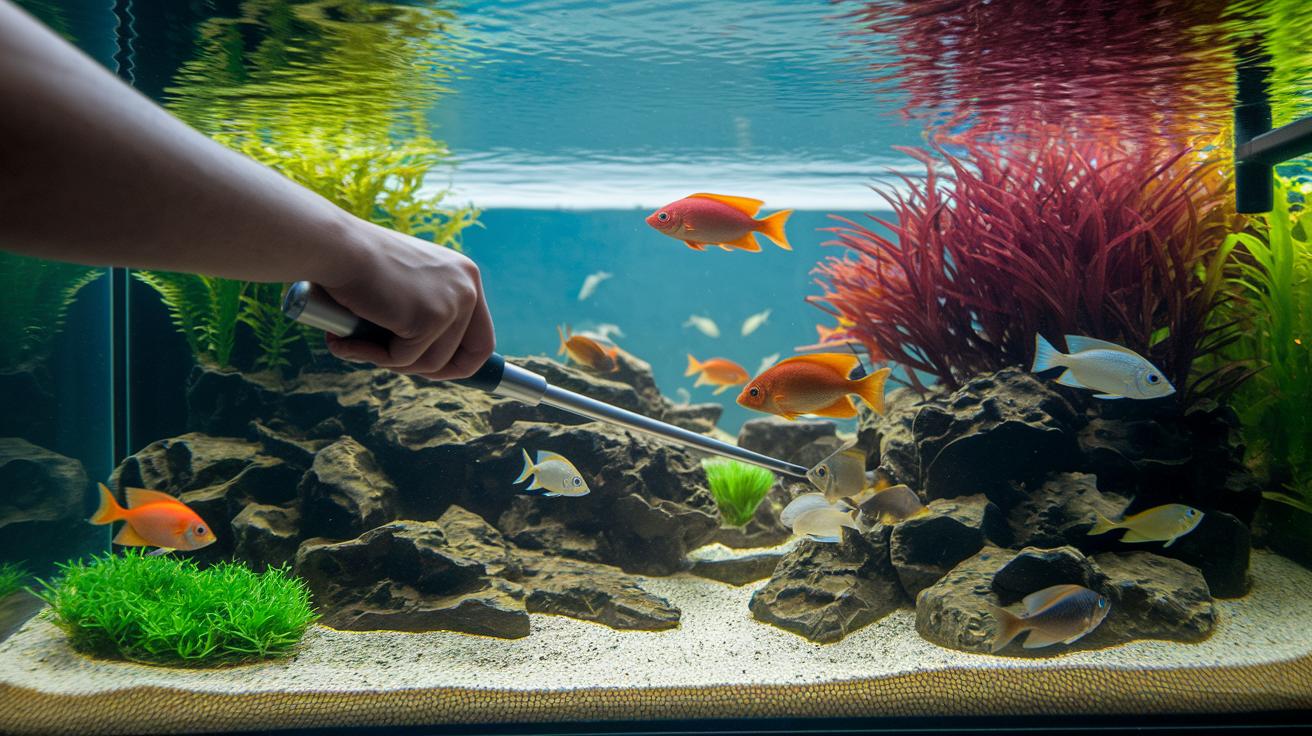
Sometimes your aquarium’s substrate can start acting up when debris builds up or when the material becomes overly compacted. When your gravel or sand gets pressed too tightly, it blocks plant roots and traps waste. A gentle raking or stirring on these firm spots works much like loosening a stubborn drawer, letting everything breathe again.
Low-flow areas can become dead zones that collect debris and even spark little algae blooms. Moving your cleaning tool slowly over these quiet patches usually reveals a hidden layer of waste that you can carefully lift out. This steady care helps keep your tank balanced and ensures your plants soak up the nutrients they need.
In some cases, overly active decomposer microbes in the aquarium soil may start using up the vital nutrients needed for plant growth. If you see signs of this, try keeping the complexity in check by cleaning more often and gently disturbing the substrate to maintain a healthy mix of microbes.
And if the gravel looks cloudy after cleaning, giving it a quick rinse or adding a splash of fresh water can clear away the sediment. This little tweak helps cut the cloudiness and keeps the bottom of your tank clear, setting the stage for a happier, healthier home for your fish.
Advanced Substrate Restoration and Refresh Techniques
Is your tank starting to show signs of old gravel wear or too much buildup? A mid-term refresh can really make a splash! Try removing about half of the old substrate and replacing it with fresh material. This little swap clears up the water and gives your plants a better chance to soak up the nutrients they love.
You can also gently stir the substrate or run an air stone along the bottom. These simple moves add oxygen to the layers, boosting helpful microbes and dislodging trapped waste so your plant roots can thrive.
If you’ve got a planted tank, consider topping it off with new soil every 6 to 12 months. This step brings back lost nitrogen and refreshes the living bottom layer so your plants are fed with a steady stream of goodness.
When heavy sediment buildup becomes a real issue, you might need a full reset. Carefully move your fish to a temporary tank, then rinse or swap out the old substrate before putting everything back together. This complete refresh gives your tank a brand-new base and revives even the most overworked setups.
Experiment with these techniques to find the right balance for your tank. With the perfect mix, you’ll keep your fish's home clean and lively, ensuring a healthy and vibrant bottom layer every day.
Final Words
In the action of tackling your aquarium substrate cleaning and maintenance, every step counts. Starting with careful siphoning, you move in a grid across your gravel or sand bed to keep water clear and your fish happy. Whether using essential tools like a hose and vacuum or scheduling routine cleanings, each method supports a visually appealing, balanced habitat. Keeping your tank’s foundation neat paves the way for a thriving underwater space and a healthier aquatic home. Enjoy the calm that comes with a well-kept aquarium!
FAQ
What is the best way to clean and maintain aquarium substrate?
The best way to clean and maintain aquarium substrate involves using a siphon to remove waste during a partial water change, ensuring debris is removed from corners and under decorations for a healthier tank environment.
How does one clean planted aquarium substrate and prepare it before use?
Cleaning planted aquarium substrate starts with rinsing the gravel by hand to remove loose dirt, then gently vacuuming without disturbing plant roots, and finally, pre-rinsing before placement to clear any dust.
Can aquarium gravel be cleaned without a vacuum system?
Cleaning aquarium gravel without a vacuum involves manually stirring the substrate and rinsing it thoroughly by hand to remove debris, which may require extra care to avoid losing fine particles in the process.
How often should aquarium substrate be cleaned and why?
Aquarium substrate should be cleaned every 2–4 weeks to remove accumulated waste and detritus, which helps prevent harmful nitrate and phosphate buildup and maintains crystal-clear water.
What happens if you don’t rinse and clean aquarium gravel properly?
If aquarium gravel isn’t rinsed properly, debris may remain, leading to increased nitrate and phosphate levels that stress fish, promote algae growth, and potentially harm beneficial bacteria.