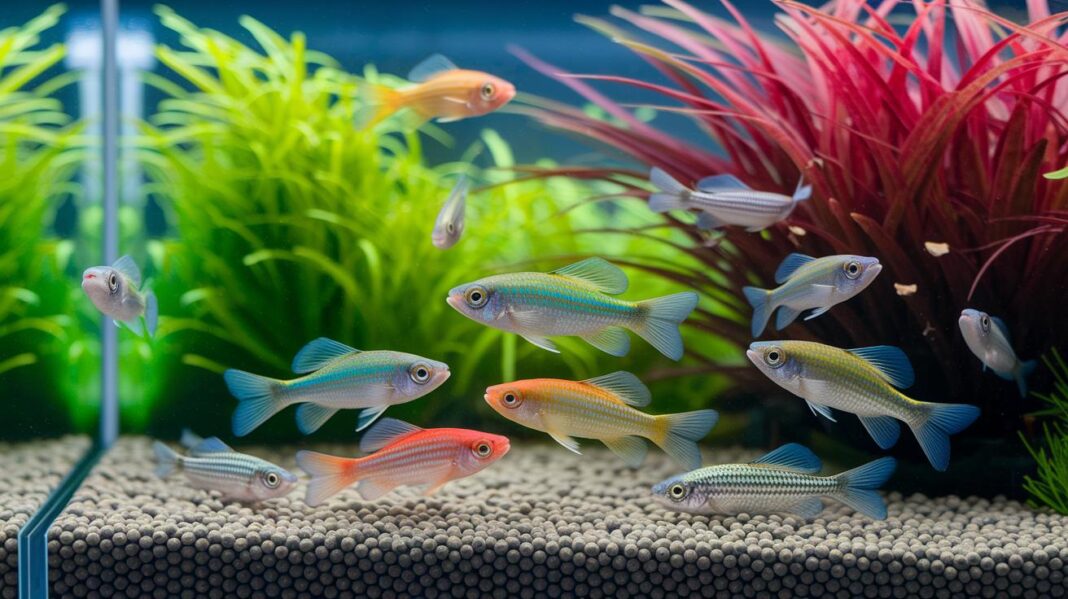

Have you ever thought that a little change in your fish’s food could make them feel even better? Sometimes, a simple switch can bring out the best in your underwater pals.
Pellet fish food isn’t just a tasty snack. It acts like a burst of nutrients that light up your fish's colors and boosts their energy, kind of like watching sunlight dance on water.
In this short guide, we’ll chat about different pellet types. You’ll hear about surface floaters that twinkle on top, and sinking pellets that slowly drift down, much like soft bubbles finding their way. The right food mix can truly work wonders in your aquarium.
Stick with us and discover why choosing smart food is the secret to a vibrant, lively tank. Isn’t it amazing how feeding your fish right can brighten up your whole day?
Complete Guide to Pellet Fish Food Types and Benefits
Pellet fish food comes in all sorts of types and sizes, each with its own special perks for your fish friends. They’re made to give your aquatic pals the right mix of nutrients to keep their colors bright, support healthy growth, and help with smooth digestion. With a wide variety available, it’s easy to pick one that matches how your fish like to eat.
There are basically two kinds: floating and sinking pellets. Floating pellets work great for fish like bettas that eat near the water’s surface. Meanwhile, sinking pellets and algae wafers are just right for bottom-feeders. Each type is thoughtfully crafted to stay in tune with the needs of different species, no matter the season.
| Pellet Fish Food Options |
|---|
| Soft Moist Pellets (1.2 mm) |
| Soft Moist Pellets (2.4 mm) |
| GP Golden Pellet – Sinking (3.0 mm) |
| GP Golden Pellet – Sinking (5.0 mm) |
| BettaFeast Pellet (300–500 µm) |
| Koi “Color” Floating Pellet (3.0 mm) |
| Pleco Phyto Disc Sinking Algae Wafer |
Well-known brands like GP, Koi “Color,” and BettaFeast bring a sense of trust with their consistent quality. When you’re picking out food, think about whether your fish like to eat at the surface or at the bottom and check the packaging for extra benefits like boosting hue and growth. You might also find options with extra perks, such as free shipping on big orders and flexible return policies. All in all, choosing the right product helps keep your tank vibrant and full of life, giving your fish that healthy, tasty boost they deserve.
Nutritional Composition of Premium Pellet Fish Food
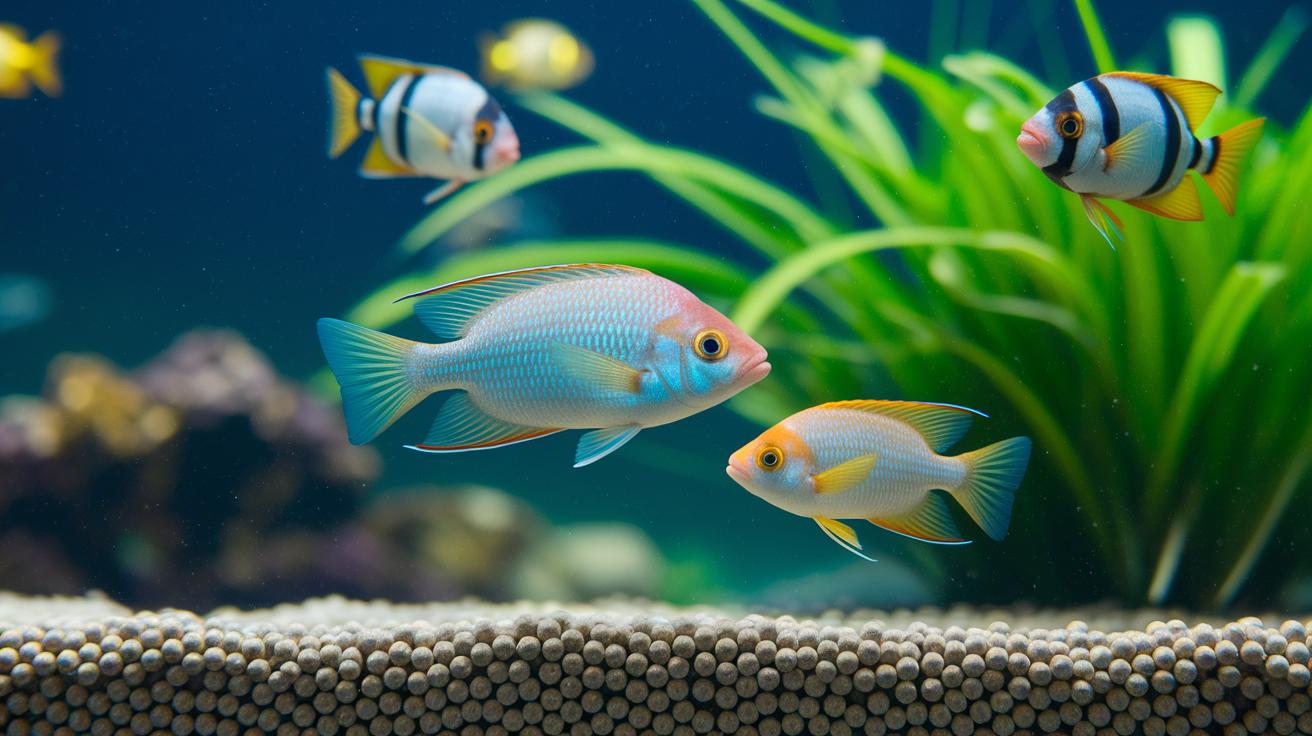
Premium pellet fish food starts with a strong, high-protein mix that packs nearly 40% protein. This protein is like the building blocks for your fish's muscles, helping them stay active and strong. It’s a bit like making your favorite smoothie, where every ingredient adds energy. And special formulas, such as those used in GP Advanced Organic Sinking Pellet, are made to keep quality high even when costs go up.
The blend also has just the right amount of fats, which give your fish energy and help their cells work well. These key fats make it easier for your fish to absorb vitamins and keep a healthy metabolism. A sprinkle of natural carotenoids and vitamins works like a dash of seasoning that brings out the vibrant colors in your fish and boosts their immune system.
Some formulas are designed to change with the seasons. They adjust the fat and protein levels to fit your tank’s water temperature, whether it’s cool or warm. Added minerals make sure that your fish get everything they need all year long. This thoughtful approach keeps your aquatic friends healthy, no matter the season.
Comparing Floating Versus Sinking Pellet Fish Food
Floating pellets are perfect for fish that like to nibble at the water’s surface, like goldfish and bettas. They come in sizes ranging from 1.2 mm to 5.0 mm and are made using a method called cold-extrusion, which keeps their shape and texture steady. Imagine a betta gracefully gliding toward a pellet that dances on the water, a simple treat that feels just right.
Sinking pellets are made for fish that feed at the bottom, such as plecos that also enjoy algae wafers like Pleco Phyto Discs. These pellets slowly settle on the tank floor, providing a steady food source for your bottom dwellers. Picture your fish gently sifting through the substrate, finding these pellets like treasures hidden on a sandy shore.
When planning your fish’s diet, keep their natural eating habits in mind. Many aquariums do best with a mix of floating and sinking pellets to suit different feeding styles. By picking the right sizes and types, you can set up a feeding routine that lets every fish thrive and enjoy meal times as lively adventures.
Species-Specific Pellet Fish Food Solutions

Choosing the right pellet food is key for every type of fish. Studies show that when pellets are made with the right texture and sinking speed, fish absorb more nutrients and remain lively. For instance, one study found that a goldfish fed with a slowly sinking pellet kept a more even energy level through the day.
Bettas do well with soft pellets available in sizes between 300–500 µm and 500–1000 µm. These types of pellets offer a mix of nutrients that help bring out their bright colors and keep them active.
Koi fish prefer floating pellets packed with proteins and vitamins. In fact, research shows that koi eating high-protein floating pellets can build stronger muscles over time.
Goldfish are natural bottom foragers. Sinking pellets that slowly release nutrients can support their digestion and provide a consistent energy boost.
For tropical fish and cichlids, brands like Hikari and CrystalClear offer blended pellets that mix proteins, fats, and vitamins. These balanced feeds help build muscle and brighten scales, keeping your fish healthy in warmer tank environments.
| Species | Pellet Type | Notable Attributes |
|---|---|---|
| Bettas | Soft-textured, 300–500 µm and 500–1000 µm | Balanced nutrients for vibrant color and liveliness |
| Koi | Floating pellets (3.0 mm and 5.0 mm) | High in protein and vitamins for strong growth |
| Goldfish | Sinking pellets | Steady nutrient release to support digestion |
| Tropical/Cichlids | Blends by Hikari, CrystalClear | Optimized mix of proteins and fats for energy and scale brightness |
When mixing feeds for ponds or aquariums, it pays to match the food to each fish’s habits, whether they nibble near the surface or search for food at the bottom. This way, every fish gets the nutrition it needs.
Pellets Fish Food: Nutritious Boost For Aquarium Life
When you feed your fish pellets, try giving them small portions several times a day. Doing this helps them digest their food nicely, and your water stays clear and calm. For instance, slow-release feeder blocks from TetraPond let you relax while your fish enjoy a steady dose of nutrients over several days.
It’s really important to serve just the right amount. By checking each meal, you keep your tank clean and make sure your aquatic friends get a balanced diet without too much waste. Think of it like sharing a perfectly sized snack, it keeps everyone happy and the water fresh.
Seasons matter too. When the water heats up above 50°F, you can switch to cool-water foods like API Cool Water Pond Food, which is specially made for those conditions. And as the water gets warmer, consider giving smaller, more frequent servings to match your fish’s quicker metabolism. This routine adjustment not only keeps their energy up but also syncs your feeding habits with nature’s own flow.
Best Practices for Pellet Fish Food Storage and Handling
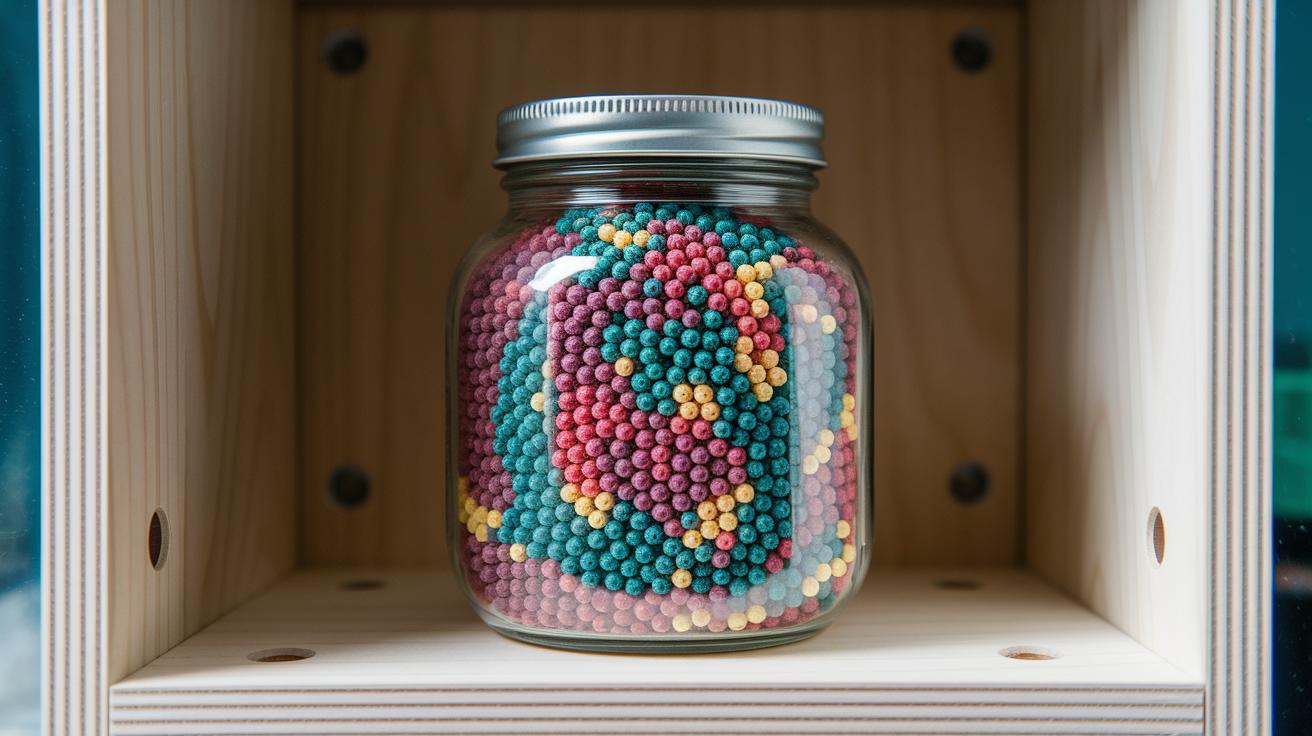
When you're looking after your pellet fish food, think of it like caring for a tiny underwater treasure. Keep your pellets in airtight containers and store them in a cool, dry spot away from warm air and dampness. This helps keep the nutrients intact and your food in tip-top shape for your fish. Many fellow fish keepers buy pellets in bulk when prices drop, so having the right storage is really important. A cool, dry place stops extra moisture from softening the pellets and messing with their texture.
Make sure you keep track of the expiration dates on your pellet packs so you use the older ones first. This simple trick can stop mold from forming and keeps the food tasty for your fish. Also, take a moment now and then to check your storage area and toss any pellets that seem damp or spoiled. That way, every mealtime is a fresh, healthy treat for your aquatic friends.
Evaluating Pellet Fish Food Brands with Pellet Feed Comparison
We dive into the details of each brand to see how well their products nourish your fish and boost your tank’s overall vibe. We look at things like the mix of ingredients, different pellet sizes, and any special traits each type might have. Imagine discovering a brand that offers free shipping on orders over $99 and a 90-day return policy, it’s almost like finding a secret underwater garden for your fish.
We also listen to feedback from other fish enthusiasts and count on reliable suppliers to guide our ratings. Quick reviews and in-depth product insights help us pick brands that deliver consistent quality. In short, we want to make sure your aquatic buddies get a tasty meal that keeps them thriving, without any extra hassle.
| Brand | Pellet Type | Size Options | Highlights |
|---|---|---|---|
| Hikari | Saki-Hikari Balance | Multiple sizes | Trusted quality with vibrant colors |
| API | Cool Water Pond Food | 1.4 lb pack | Perfect for cool water feeding |
| TetraPond | Slow-release feeder blocks | Standard block sizes | Extended and convenient feeding |
| CrystalClear | Platinum Standard Pellet Fish Food | Various pellet sizes | Boosts color and growth |
| The Pond Guy | Pond Feed Pellets | Assorted sizes | Good value with free shipping |
When picking out pellet fish food, stick with trusted brands known for steady quality. Think of it like setting up your aquarium: choosing the right pellet type is similar to selecting the perfect gravel, make sure it sinks or floats just the way your fish like. Also, check for various sizes and extra perks like formulas that encourage growth or enhance color. Often, dependable suppliers back up their products with friendly customer policies and offers on bulk deals, making it easier to keep your tank as lively and happy as a bubbling stream.
Sustainable and Organic Pellet Fish Food Options
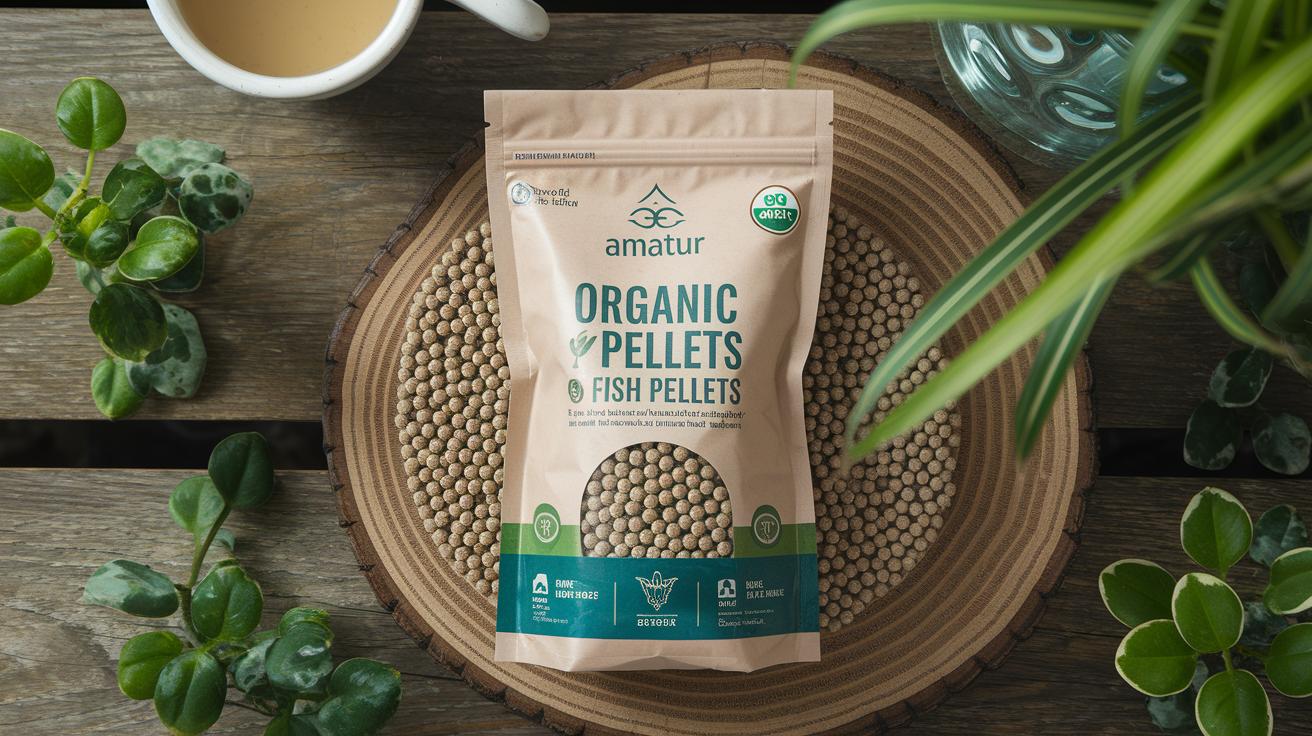
Organic fish pellets, like GP Advanced Organic Sinking Pellet, come from trusted sources that care about our planet. They use ingredients certified by respected groups, meaning these ingredients are grown or harvested with real care for the environment. The makers follow clear, eco-friendly guidelines during production, and even their packaging is designed to reduce waste while keeping all the good nutrients intact. It’s like knowing your fish are enjoying a meal that’s as kind to the water as it is healthy for them.
Choosing organic pellets helps protect our natural habitats too. When you opt for these sustainable options, you support suppliers who work hard to keep water clean and lower harmful runoff. Many eco-friendly methods even shrink the carbon footprint of production while still giving your fish a nourishing, balanced feed. It feels good to know that these green practices are becoming common place, making it easier for every aquarist to care for their tanks responsibly.
Final Words
In the action, the guide explored how to create a balanced underwater world by breaking down various pellet types, nutrition profiles, feeding routines, storage tips, brand comparisons, and even eco-friendly options. It shared clear steps and practical advice so fish lovers can build a safe, appealing habitat with ease. With specifics from soft moist pellets to floating and sinking formulas, these insights make a big splash for anyone aiming to upgrade their aquariums using pellets fish food. Enjoy creating your own vibrant aquatic space!
FAQ
Q: What are the best pellets fish food?
A: The best pellets fish food delivers balanced nutrition with quality ingredients and varied sizes. It offers both sinking and floating options to suit your fish’s feeding habits.
Q: What fish food pellets work best for ponds?
A: Fish food pellets for ponds come in bulk and slow-release formulas that support healthy nutrition over large areas, making feeding pond life straightforward and effective.
Q: Where can I buy pellets fish food?
A: Pellets fish food is available at trusted pet shops, specialty aquarium stores, and online retailers. Choosing reputable sources ensures high-quality selections.
Q: How do bulk fish food pellets benefit ponds and aquariums?
A: Bulk fish food pellets provide cost efficiency and ease of storage while offering consistent nutrition. They work well for ponds and aquariums where regular supplies are needed.
Q: What are floating fish food pellets used for?
A: Floating fish food pellets serve surface feeders by staying on top, letting you watch mealtime easily. They offer a balanced diet that keeps fish active and alert.
Q: What types of pellets fish food are available for sale?
A: Pellets fish food for sale include a variety of types such as floating and sinking options, each formulated for different species to offer balanced nutrition and promote healthy fish.
Q: What sinking fish food is best for goldfish?
A: Sinking fish food for goldfish slowly settles to the bottom so goldfish can feed comfortably. The nutrient mix is designed to support their overall health and digestive ease.
Q: Is pellet food good for fish?
A: Pellet food is good for fish as it provides a stable, balanced diet with carefully measured nutrients. It meets the specific feeding habits and requirements of many aquatic species.
Q: How often should I feed my fish pellets?
A: Feeding frequency depends on fish type and size, but starting with once or twice daily works well. Adjust based on activity and leftover food to avoid waste.
Q: Which is better, fish food flakes or pellets?
A: Flakes and pellets each have benefits; flakes suit surface feeders while pellets offer a controlled nutrient mix for mid to bottom feeders. The choice depends on your fish’s eating style.
Q: Do you soak pellets before feeding fish?
A: Soaking pellets before feeding softens them, which can help prevent digestive issues for certain species. Always follow the product instructions for the best approach.