

Ever wondered if your tank could become a little quiet retreat? Japanese aquascaping mixes ancient garden art with your aquarium, making it a cozy space that eases your mind. Imagine a mini water garden where every rock and ripple works together to calm your day. With soft Zen touches and natural style, this approach turns a regular tank into a soothing escape. Next, try a few thoughtful design changes and feel your aquarium come to life with tranquility.
Mastering Japanese Aquascaping Techniques
Japanese aquascaping is like designing a tiny, peaceful water garden. It takes hints from classic Japanese gardening, mixing Zen ideas and the beauty of Wabi-sabi to create a space that feels calm and alive. Picture your tank as a cozy mini-world where every stone and ripple plays a part in soothing your mind.
Takashi Amano really set the stage for this art. Born in 1954, his deep love for Japanese style mixed with fresh ideas to give us a whole new approach to aquariums. In 1977, he introduced CO₂ injection, sort of like adding fizzy bubbles to your drink, to help plants grow naturally. His Nature Aquarium idea brought driftwood, moss, and hand-picked plants together in a simple but striking layout.
One favorite design is the Iwagumi layout. Here, a main stone called the Oyaishi is supported by smaller stones arranged in odd groups. This setup avoids perfect symmetry, echoing the random charm of a natural rock garden. With solid stones in place, you also need a good CO₂ system and quality plants to capture that natural, inspired look.
Amano even discovered a shrimp that naturally controls algae. It’s a reminder that nature often comes to the rescue on its own. By combining these techniques, you end up with an underwater art form that’s as calming as a gentle stream on a quiet day.
Essential Hardscape Principles in Japanese Aquascaping

Japanese aquascaping is like creating a miniature landscape in your tank. It brings the quiet strength of a rock garden into the water, using stones to mimic the natural flow and calm you feel by a peaceful stream.
The classic Iwagumi style starts with choosing a special, standout stone called the Oyaishi. This main stone sets the tone, like a bold signature in your aquarium. Then, you add two or more smaller stones around it. Arrange them in groups of odd numbers, think 3, 5, or 7, to keep the look natural and unpredictable, just as nature intended.
The Iwagumi Stone Layout
Begin with a striking stone picked for its size and unique feel, this is your Oyaishi. Place it firmly as the heart of your setup. Once that’s done, surround it with smaller companion stones that seem to be placed by chance. Imagine you’re laying out pebbles in a tiny garden; leave some open space to let each stone shine on its own.
Variations on the Iwagumi Technique
If you’re in the mood to try something different, go for a layout with five or seven stones. This gives you a natural mix, creating a subtle pattern that gently directs the eye around the tank. Each stone should work with its neighbors, ensuring the whole display feels both balanced and exciting.
| Stone Type | Characteristics | Role |
|---|---|---|
| Oyaishi | Large, distinct texture | Main focal point |
| Companion Stones | Smoother, smaller pieces | Support balance |
| Accent Rocks | Varied shapes and sizes | Enhance asymmetry |
Selecting Flora and Substrate in Japanese Aquascaping
Japanese aquascaping is like creating a calm underwater garden where every plant and rock plays its part. In styles like Iwagumi and Nature Aquarium, you keep plant types to a few favorites so that the open spaces and hardscape take center stage. It’s all about building a balanced setup where every element adds to the peaceful vibe of your tank.
Start by choosing a layered substrate system for your tank. First, use a sturdy mineral base that acts like the tank's foundation. Then, add a nutrient-packed layer to nourish your plants, and top it off with an inert layer that stops you from disturbing the layers below when you plant. This method helps your plants grow strong roots and keeps the water’s pH steady.
Picking the right plants matters a lot. Look for species that bring texture and soft colors without stealing the show. It’s like assembling a simple flower arrangement, each plant should shine in its own way. You might even see little helpers like the Amano shrimp, which naturally keep algae in check and support healthy plant growth.
Here are a few species to consider for your aquatic garden:
- Hemianthus callitrichoides (dwarf baby tears)
- Eleocharis acicularis (dwarf hairgrass)
- Rotala rotundifolia (red stem)
- Microsorum pteropus (Java fern)
- Vesicularia dubyana (Java moss)
With a thoughtful approach to both substrate layers and plant choices, you can create a serene underwater scene that captures the gentle beauty of Japanese aquascaping.
Lighting, Filtration, and Water Clarity in Japanese Aquascaping
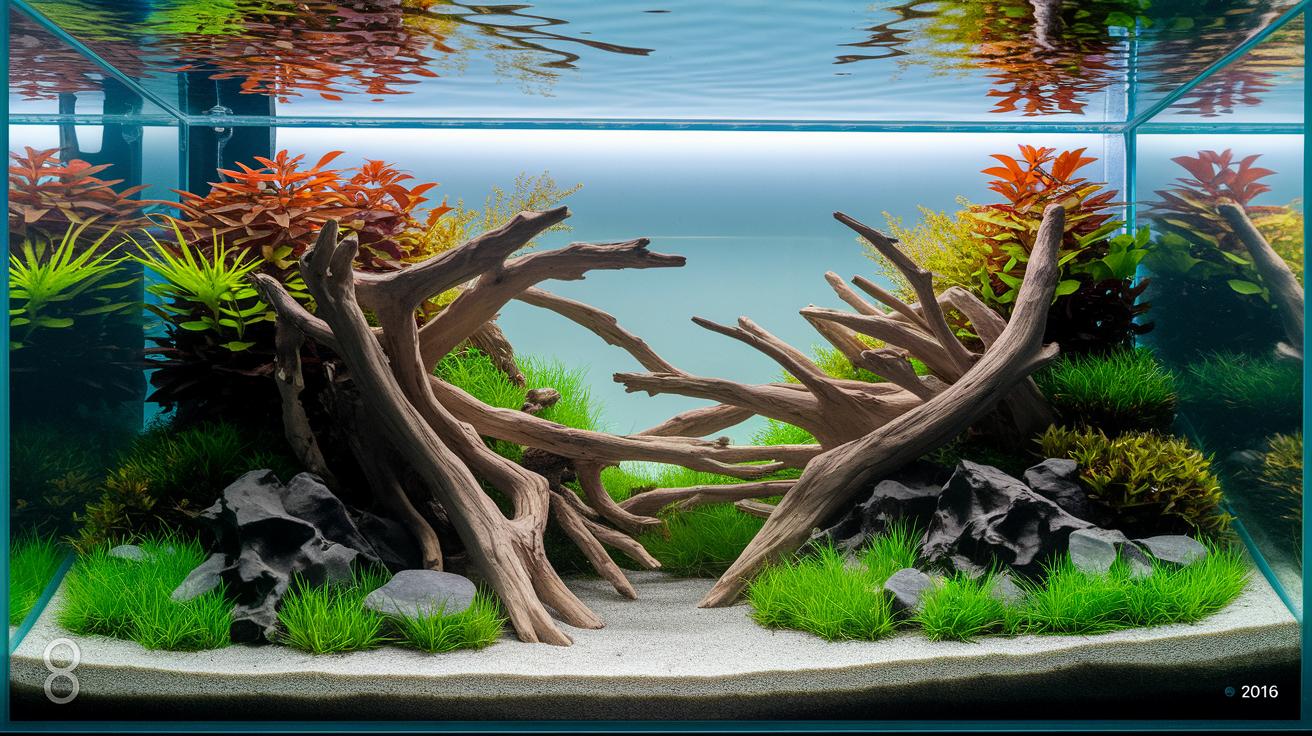
Japanese aquascaping is all about creating a calm, natural feel, just like watching a quiet stream. Using LED or T5 lights in the 6500 to 7500 K range makes your tank glow with a natural daylight vibe. This kind of light helps plants do their little photosynthesis dance while making their colors, and your fish too, pop like the first rays of dawn. Back in 1977, Amano showed us that adding a bit of extra CO₂ to the mix can really boost plant growth. Imagine a T5 light at 7000K giving each leaf a gentle, morning kiss – it’s a sight to behold.
Filtration plays a big role too. Using a closed-loop system like a canister or sponge filter helps keep your tank’s natural balance steady. These filters quietly remove extra nutrients and bits of debris, so your water stays as clear as a mountain stream. The steady flow they create moves the plants just a little, giving a soft ripple effect that mimics nature perfectly.
Keeping your water crystal clear is like painting a living picture. A well-planned water current not only keeps everything tidy but also brings out the textures and details in your hardscape. Regular cleaning and a little routine maintenance work together to keep your aquarium vibrant and enjoyable. It’s a mix of the right light, smart filtration, and gentle water movement that turns your tank into a living piece of art.
Finally, keeping an eye on your light and filter performance is key. Adjust your lighting period and tweak the water flow as needed, and you might be surprised how just a few little changes can make your aquatic world truly shine.
Integrating Minimalism and Zen Water Garden Design in Japanese Aquascaping
Japanese aquascaping is a wonderful way to create a peaceful retreat in your tank. Start with a simple layout that feels full of meaning. Think of your aquarium design like a Zen water garden, where every element serves a clear purpose without any extra clutter.
Amano’s Nature Aquarium style shows us that simple can really be beautiful. In this approach, natural edges and careful placement come together to build a calm space. You might add a piece of driftwood or some natural branches, which can bring a touch of the forest right into your tank. It’s like placing a little path that naturally draws the eye, similar to a winding trail in a quiet garden.
Switching up your plants with the seasons adds a gentle layer of beauty. As nature shifts its colors and textures, small changes in your tank can keep the look fresh while staying true to a minimalist vibe. This quiet evolution mirrors the soothing charm of a Zen water garden.
Your aquarium turns into a living piece of art that reflects the rhythms of nature.
Embrace the soft blend of nature and art, and let your aquascape become a little meditative haven. Enjoy watching this calm creation evolve.
Maintenance and Sustainable Practices in Japanese Aquascaping
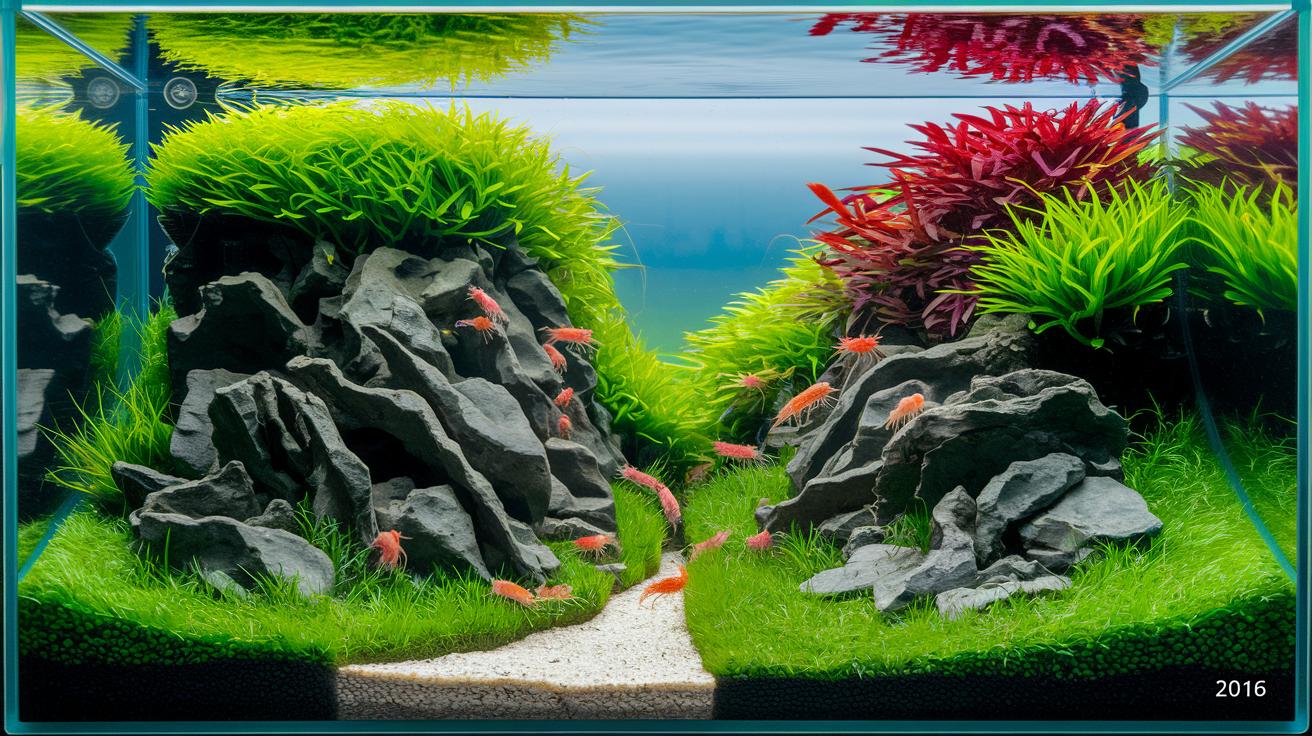
Taking care of your aquascape is a bit like looking after a living piece of art. Even a simple Iwagumi setup needs regular love and attention. You’ll trim plants, change 20–30% of the water every week, clean the glass gently, and add nutrients as needed. Keeping a steady routine makes sure the water stays clear and the hardscape looks lively, so your tank remains a peaceful retreat. Think of it like polishing a cherished treasure, a little care goes a long way.
Amano shrimp are quiet helpers that nibble on algae naturally. Their gentle work means you might not have to use harsh chemicals to control algae. Using eco-friendly items like ceramic rings and bio-balls gives a cozy spot for good bacteria to grow, with very little waste. Making sure your water has a pH between 6.5 and 7.2 and a hardness (GH) of 4–8 keeps both your plants and shrimp happy.
Weekly Maintenance Routine
- Change 20–30% of the tank water each week.
- Clean the glass and other equipment with a light touch.
- Trim any plants that start to overgrow.
- Carefully dose nutrients to support steady plant growth.
Each of these steps not only keeps your tank healthy but also gives you a moment to connect with your little underwater world.
Eco-Friendly Filtration and Circulation
Use low-power pumps and energy-saving filters to keep the water moving gently. Creating flow patterns that mimic natural currents helps spread oxygen evenly throughout the tank and pushes out debris. A closed-loop biofilter system can manage algae well while sticking to eco-friendly practices. This way, you get less upkeep and more time to enjoy the calming rhythm of your aquatic haven.
Final Words
In the action as we explored a balanced blend of hardscape design, natural plant choices, careful lighting, and regular upkeep routines, the piece brought clarity to creating peaceful aquatic spaces. Every section offered practical tips, from stone arrangements to maintaining water clarity, so your tank mirrors a true reflection of japanese aquascaping art. This reading provides the know-how to build and care for a calm underwater environment that feels refreshing and alive. Enjoy putting these ideas into play and watching your aquatic haven thrive!
FAQ
What is Iwagumi aquascape and what are some Iwagumi aquascape ideas?
The Iwagumi aquascape uses one large stone called Oyaishi with an odd number of smaller stones to create natural balance. This style reflects Japanese minimalism and offers ideas for creating harmonious, stone-centered layouts.
What is the Japanese style of aquascaping?
The Japanese style of aquascaping channels Zen and Wabi-sabi philosophies. It features natural elements, minimal clutter, and carefully arranged hardscape and flora to evoke a calm, nature-mimic underwater scene.
Who is Takashi Amano and why is he famous in aquascaping?
Takashi Amano made a mark on aquascaping by blending Zen ideas with aquariums. His innovations, like CO₂ injection and Nature Aquarium layouts, continue to inspire aquarists worldwide with serene tank art.
What happened to Takashi Amano?
Takashi Amano passed away, yet his vision lives on in modern aquascaping. His groundbreaking work and philosophy continue to influence the creation of natural, elegant aquatic landscapes.
Where can I learn more about Takashi Amano through museums, books, or videos?
Exhibits, dedicated museum displays, books, and Japanese aquascaping videos all share insights into Takashi Amano’s work. They detail his techniques, inspirational designs, and the natural beauty he brought into aquariums.
What insights does an aquascape book offer?
An aquascape book explains design fundamentals, step-by-step setup guides, and care tips. It provides practical advice for blending style and function, suited for both beginners and seasoned aquarists.