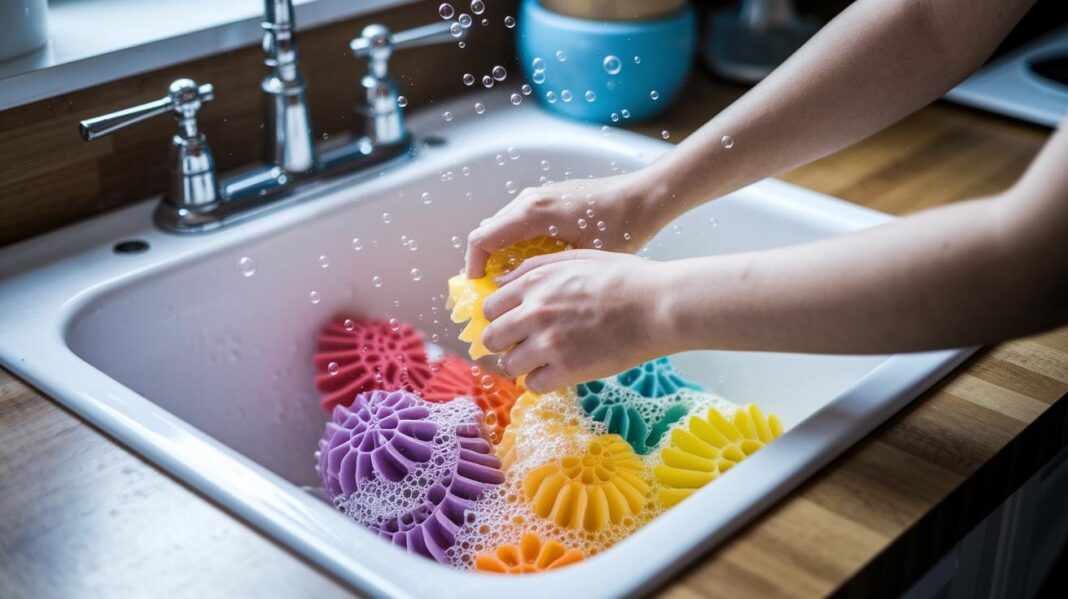

Have you ever noticed how sparkling decorations make your aquarium feel like a cozy home for your fish? Clean ornaments not only lend a bright, inviting look but also help keep your tank safe by warding off potential worries.
In this guide, we'll walk you through getting your cleaning tools ready, spotting any small cracks or damage, and softly scrubbing away any dirt without disturbing your aquatic buddies. Think of it as a simple, step-by-step plan to keep your underwater world as clear and delightful as a gentle ripple on a quiet pond.
Step-by-Step Aquarium Decoration Cleaning and Maintenance Guide
-
First, round up your cleaning gear. Grab a bucket that’s only been used for cleaning and fill it with water from your tank or water that’s been treated to remove chlorine. This way, you keep your fish safe from any harsh chemicals. I always fill my bucket with tank water so my fish never get a chemical shock.
-
Every 2 to 4 weeks during a partial water change, take out your decorations. Just remember, only remove about half of the tank’s water to keep things balanced. If you see lots of debris, try using a gravel vacuum or siphon for your fish tank (https://sweetfysh.com?p=) to clear away loose particles from the gravel before you clean each piece.
-
Next, check each decoration closely. Look over them for any cracks, rough spots, or peeling paint. These could harm your fish or let unwanted toxins seep out into your tank. If you spot any damage, it’s best to replace that piece to keep your tank a safe home.
-
Now it’s time to clean gently. Use a soft toothbrush or small bristle brush to scrub away any grime. It’s important not to use any soaps, detergents, or bleach. For stubborn calcium build-up, soak your decoration in a mix of equal parts vinegar and water for 15 to 30 minutes. Then rinse it thoroughly with your tank water and let it air dry on a clean surface. I once soaked a really stained rock for about 20 minutes, and it looked as good as new!
-
Finally, put each clean decoration back into the tank one by one. Doing it gradually helps keep your fish calm, especially those who are a bit territorial, and helps keep the natural vibe of your aquarium intact.
Essential Supplies for Safe Aquarium Ornament Upkeep
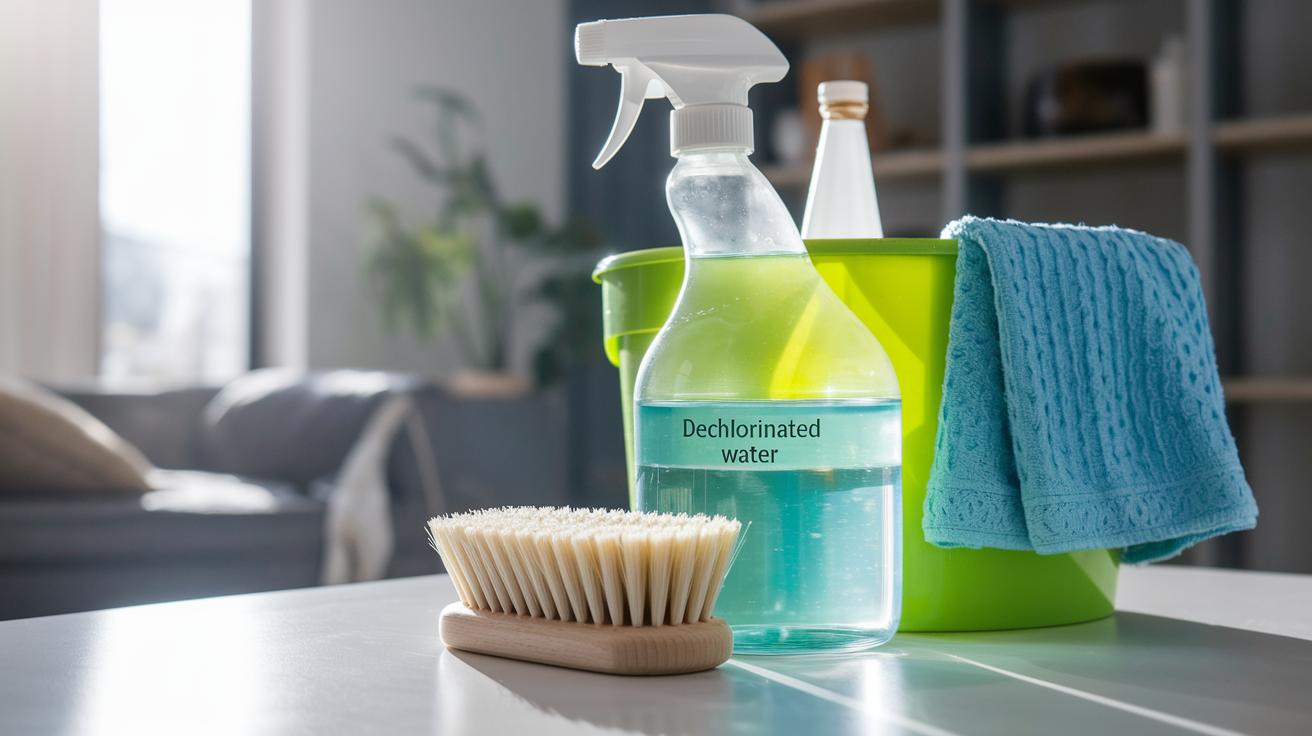
Gather the proper supplies for a thorough cleaning and smooth upkeep. Use a dedicated cleaning bucket with dechlorinated or aged tank water to rinse off debris and keep your fish safe from harmful residues. A soft-bristle brush or old toothbrush is perfect for gently scrubbing away algae and buildup, avoid household soaps, bleach, or abrasive pads to protect both ornaments and water quality.
Include these tools in your cleaning routine:
- Dedicated cleaning bucket (chemical-free)
- Soft-bristle brush or old toothbrush for gentle scrubbing
- Dechlorinated or aged tank water for rinsing
- White vinegar for calcium stain removal
- Hydrogen peroxide to tackle algae without affecting decor
- Microfiber cloth or air-drying rack to reduce scratching
For added maintenance, consider an optional UV sterilizer to reduce unwanted algae and pathogens between cleanings.
Preventing Algae and Mineral Buildup on Aquarium Decorations
Too much algae can mean your tank is getting too much light, too much food, or not enough water changes. Keeping a careful eye on these factors helps your fish enjoy a cleaner, calmer home.
Algae Removal on Decorative Pieces
For those smooth, non-porous decorations, try dabbing some hydrogen peroxide on the areas where algae has gathered. Let it sit for about 5 to 10 minutes. Then, grab a soft toothbrush and gently scrub the spot, imagine you're softly stirring a calm pond. Rinse it all off with water from your tank that’s been dechlorinated or left out for a while. For example, you could apply hydrogen peroxide to a heavily fouled item, wait 7 minutes, and then gently brush to bring back its vibrant look.
Keeping algae under control is really all about managing light, feeding just enough, and making regular water changes.
Treating Hard Water Stains on Fixtures
When you notice those stubborn calcium stains, mix equal parts vinegar and water. Soak the affected decoration for up to 30 minutes. Then, gently brush away the mineral deposits with a soft brush, rinse well with clean water, and let it air dry. A quick tip: soaking the item for about 25 minutes and then lightly scrubbing usually restores its natural shine.
- Watch the light levels to keep algae in check.
- Feed your fish only what they need, extra food means extra waste, which can boost algae and mineral deposits.
- Regular water changes keep the tank environment steady for your aquatic friends.
Inspecting and Replacing Worn or Damaged Aquarium Decor
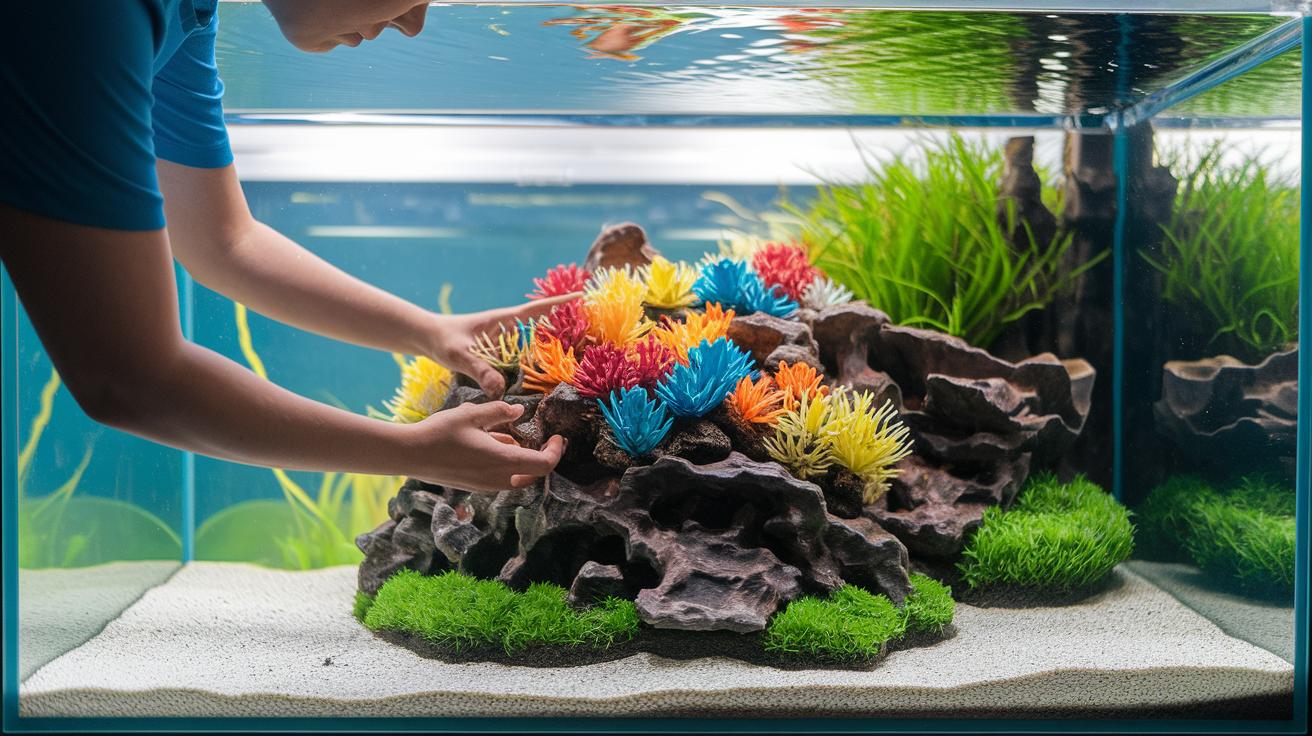
When you’re cleaning your tank, take a moment to gently remove each decoration and look it over. Check for little cracks, rough spots around the edges, or areas where the paint may be peeling. Damaged decor can hide harmful bacteria or even scratch and hurt your fish. If you notice a chipped edge on a painted rock, note the damage and plan to replace it, just like writing in your maintenance log, "Replaced chipped painted rock on [date]."
Along with your usual cleaning, try adding a quick check on the condition of each piece. Keeping a simple record helps you remember when to swap out old items, keeping your tank both safe and pretty. Think about noting details such as:
- Cracks in ceramic pieces
- Jagged or broken edges on plastic decor
- Spots where the paint is fading or flaking
By mixing this quick inspection into your cleaning routine, you ensure every visit not only cleans your tank but also makes sure it stays a safe, visually inviting space for your aquatic friends.
Scheduling Maintenance: Frequency and Best Practices for Aquarium Decoration Hygiene
Set up a steady maintenance routine to keep your aquarium decor looking bright while keeping your fish happy. Try cleaning your decorations every 2 to 4 weeks, ideally when you change out up to half of your tank's water. This method not only refreshes your decor but also helps keep the aquatic world balanced. Plus, doing a quick daily look-see at your tank lets you catch any algae or debris early before it turns into a bigger mess.
Plan your cleaning tasks on a weekly or bi-weekly basis so your tank stays calm and steady. Instead of pulling every decoration out at once, clean them in small batches. This way, you’ll leave enough of the good bacteria behind to keep your underwater ecosystem stable. For instance, one week you might focus on a specific group of ornaments, and then switch to another group the next week. It’s like following the gentle ebb and flow of water.
Using a calendar or spreadsheet to track your cleaning dates, the methods you used, and any changes in your fish’s behavior can be really useful. This record helps you adjust your routine over time, making sure your aquarium stays both beautiful and safe for all its inhabitants.
Eco-Friendly and Non-Toxic Methods for Aquarium Decoration Care
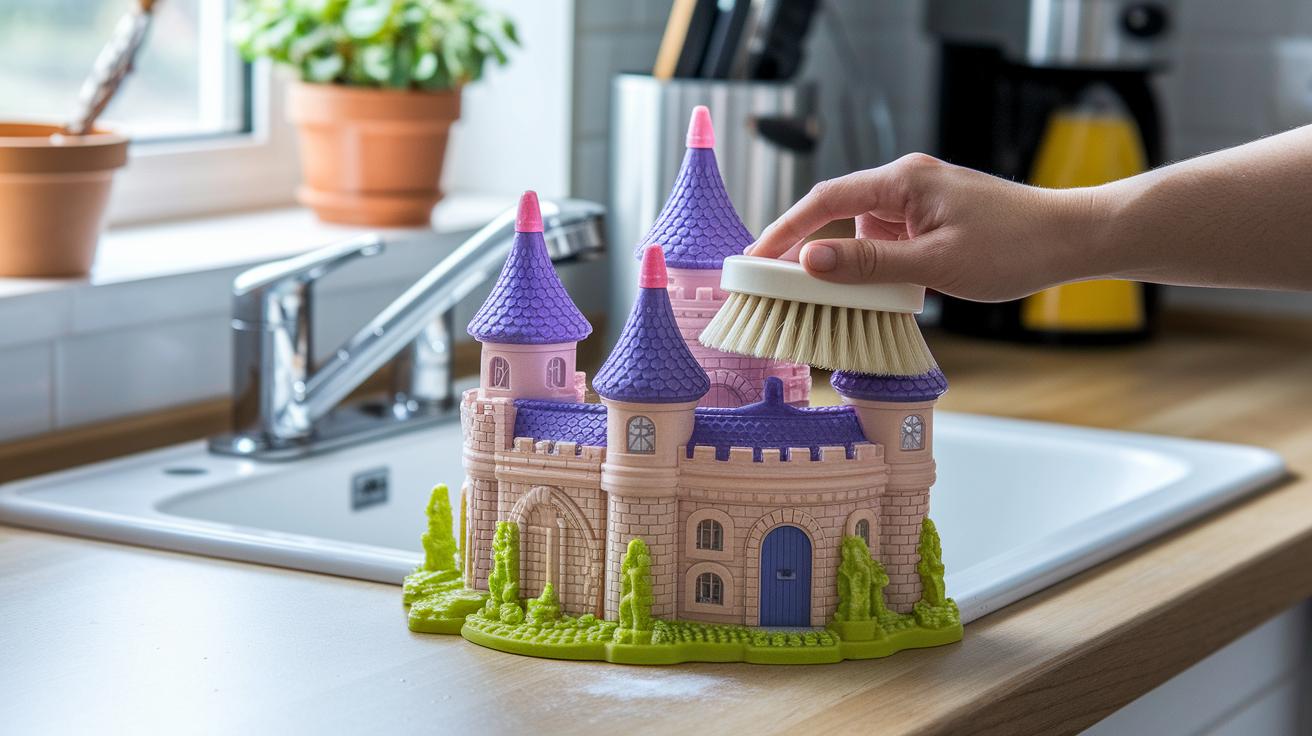
When it comes to cleaning your aquarium decorations, natural solutions are your best bet to keep your tank safe and free from harsh chemical traces. Instead of using bleach or other strong cleaners, try mixing vinegar with hydrogen peroxide. For example, you might gently treat a plastic castle with a light hydrogen peroxide spot treatment for about 7 minutes. This simple trick helps clear away algae without upsetting your fish.
Stick with water-based cleaning and a soft brush for scrubbing. Soaps, detergents, and rough pads can leave behind films that aren't good for your tank. And if your plastic items can take a little heat, a short boil (if the manufacturer says it's okay) can sterilize them nicely. Just be sure to let them cool completely before reintroducing them to your underwater world.
For any stubborn organic buildup, enzyme-based cleaners made just for aquariums can be a real lifesaver. When you spot a persistent biofilm layer, a few drops of an enzyme cleaner after a light scrub can naturally break down the buildup, making your decorations sparkle again.
You might even want to consider adding a UV sterilizer into your cleaning routine. This tool uses ultraviolet light to reduce algae and harmful germs without chemicals. It’s a great, extra step to keep your tank's decorations vibrant while maintaining a safe aquatic environment.
Final Words
In the action, we've walked through step-by-step guidance on refreshing your tank decor, from gathering fish-safe tools and supplies to keeping an eye on algae and calcium buildup. We explored gentle scrubbing techniques, safe chemical-free solutions, and smart scheduling tips to keep your aquatic world vibrant.
Remember, regular upkeep is key to creating a comfortable underwater home. By following these tips on how to clean and maintain aquarium decorations, you can enjoy a sparkling, balanced tank every day.
FAQ
How can I safely clean and maintain aquarium decorations using vinegar?
The vinegar cleaning method for aquarium decorations works by soaking items in a 1:1 vinegar-to-water mix for 15–30 minutes, then gently scrubbing and rinsing with dechlorinated water.
How can I remove algae from aquarium decorations effectively?
The algae removal technique for aquarium decorations involves lightly brushing with a soft toothbrush and treating stubborn spots with hydrogen peroxide on non-porous surfaces, followed by a careful rinse.
How should I prepare and clean aquarium decorations before first use?
The initial cleaning of aquarium decorations requires soaking them in tank or dechlorinated water, gently scrubbing off residues, and allowing them to air dry, ensuring a safe start for your tank.
What are safe alternatives for cleaning fish tank decorations without bleach?
The bleach-free cleaning process for fish tank decorations uses dechlorinated water, white vinegar for mineral buildup removal, and hydrogen peroxide for spot-treating algae, keeping your decor fish-friendly.
What is the best way to clean aquarium decorations?
The best cleaning method for aquarium decorations combines a gentle scrub with a soft brush using dechlorinated water and natural agents like vinegar or hydrogen peroxide, avoiding harsh, toxic chemicals.
How often should I clean my aquarium decorations?
The recommended cleaning schedule for aquarium decorations is every 2–4 weeks, ideally during partial tank water changes, to maintain a healthy environment without stressing the fish.
What is an effective method for cleaning artificial aquarium plants?
The cleaning approach for artificial aquarium plants involves gently brushing off debris with a soft brush, rinsing with dechlorinated water, and ensuring thorough drying before reintroducing them to the tank.
How can I make aquarium decorations safe for my fish?
The safety of aquarium decorations is ensured by using fish-safe cleaning agents, performing thorough rinsing, regularly inspecting for damage, and replacing any items with cracks or rough edges to protect your fish.