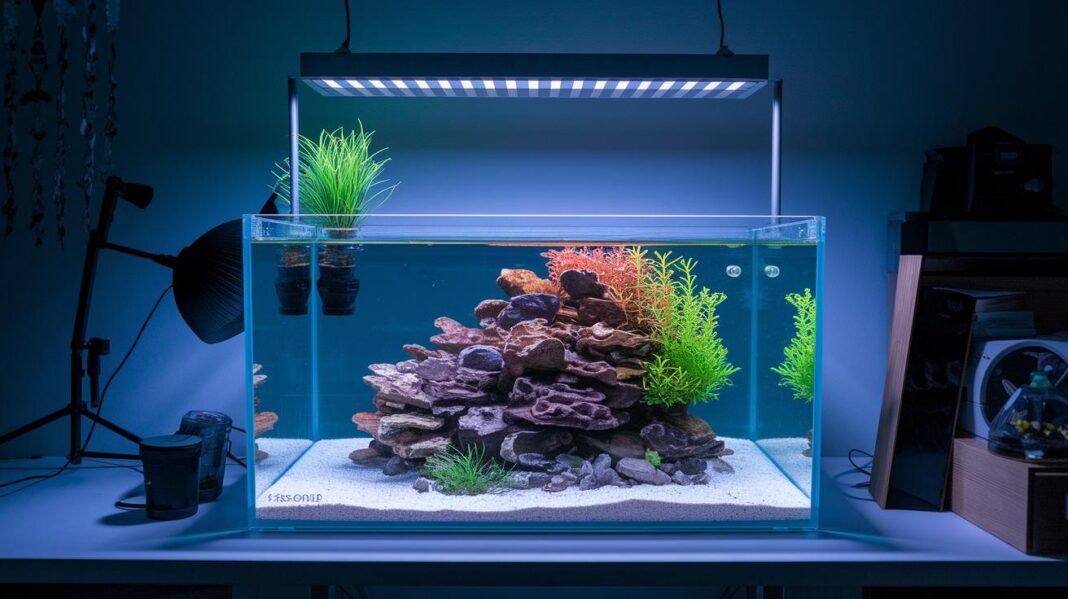

Ever wondered if a tiny beam could be the hero your tank needs? Aquarium UV lighting works like a trusty little guardian, zapping bacteria, algae, and parasites so they don’t cloud your water.
Imagine your tank lit up like a peaceful reef, with energy working non-stop to keep everything clear. This clever setup not only wards off pesky germs but also helps your water look clean and inviting.
With just a few simple tweaks to your water flow, every droplet gets a burst of freshness. It’s like giving your finned friends a cozy, safe home where they can swim happily.
How Aquarium UV Lighting Enhances Water Quality and Controls Pathogens
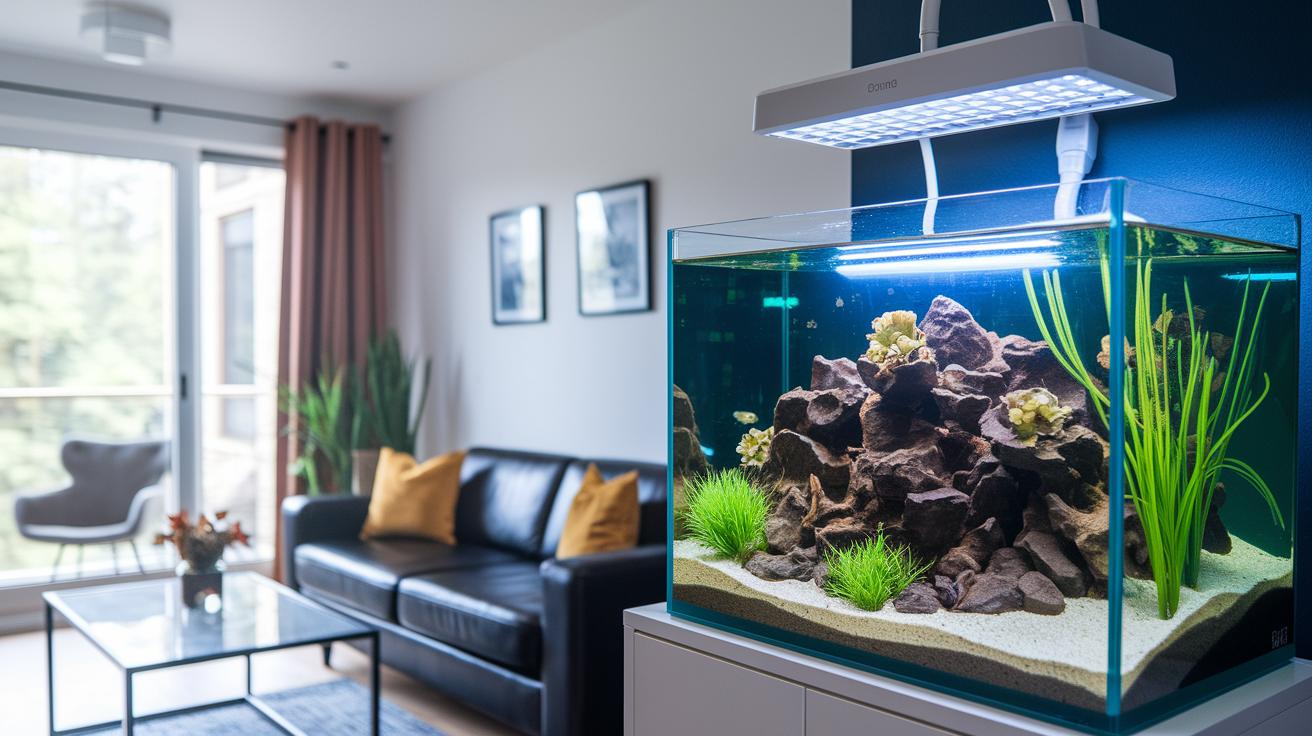
UV lighting is like a tiny underwater guardian, shining a special light at 254 nanometers to zap unwanted germs. This dazzling beam stops bacteria, viruses, algae, and pesky parasites right in their tracks as the water flows past. Imagine your tank being protected by a gentle but effective shield, keeping it clear and sparkling.
These UV units run all day and night, working around the clock to keep harmful critters in check. The trick is to have a slow water flow so the light can really get to work, sort of like giving each water drop a gentle, thorough bath. Manufacturers even suggest the perfect tank size and flow speed for best results, ensuring every bit of water gets its sterilizing moment.
For any fish lover, this means enjoying a tank filled with bright, clean water and fewer algae blooms or disease worries. By tweaking your pump or valve settings, you can let the light shine longer on each drop, boosting its germ-fighting power and creating a harmonious home for your finned friends.
Isn't it amazing how a simple UV bulb can keep your aquarium thriving?
Choosing the Right Aquarium UV Lighting System: Types and Specifications
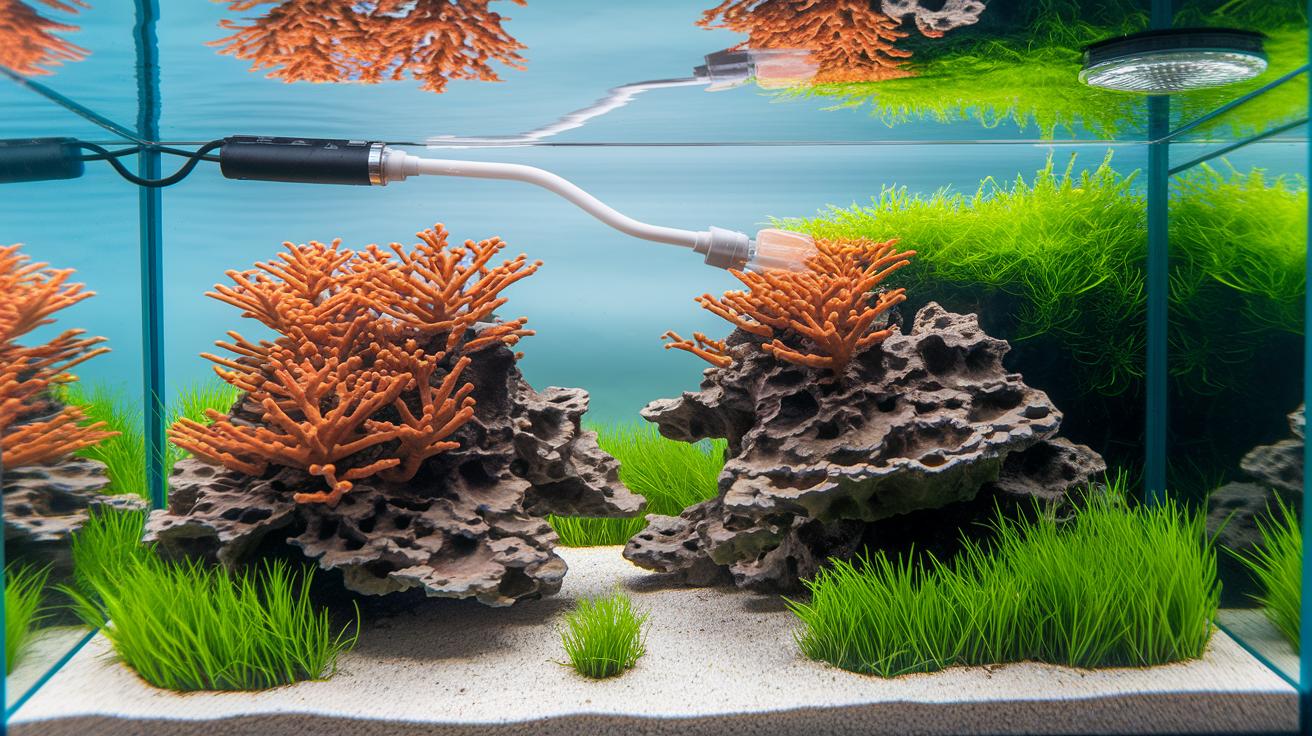
When it comes to picking a UV lighting system for your tank, the details really count. They help you figure out if the unit fits your tank size, matches your water flow, and works well with your overall setup. Knowing the key parts, a UV bulb, a ballast (that helps regulate the light), and a power supply, can show you if it will work with your filter, powerhead, pump, or external filter.
There are four main types of systems, each with its own perks and quirks:
-
Inline UV sterilizer
• Pros: It hooks right into your plumbing, giving smooth and constant water treatment, and it shines especially in larger setups.
• Cons: You might need to do some custom installation work and tweak it to suit your tank’s water flow. -
Filter-mounted UV unit
• Pros: It easily attaches to an existing filter, saving space and keeping things tidy.
• Cons: It works best in medium-sized tanks; if your tank is really big, its performance might drop. -
Powerhead-integrated UV
• Pros: It merges water movement and sterilization into one handy package, perfect for compact setups.
• Cons: Your options to adjust the water flow might be a bit limited, which can be a challenge for very large tanks. -
External canister UV system
• Pros: Made for heavy-duty sterilization, these systems are great when you need extra help fighting off tough pathogens like Whitespot.
• Cons: They take up more space and need more plumbing work, so installing one can be a bit more of a project.
Keep in mind that wattage and flow rate are closely linked. A higher wattage gives off more UV light, but the water needs to move slowly enough for the light to work its magic. Most makers include a recommended flow rate and tank size to ensure every drop of water is treated right. Prices can start around $60 for budget models and go up to about $400 for top-notch units. In the end, you'll want to balance cost, ease of installation, and the ability to handle bigger pathogens, all while keeping your water crystal clear.
Installing and Integrating Aquarium UV Lighting into Your Tank
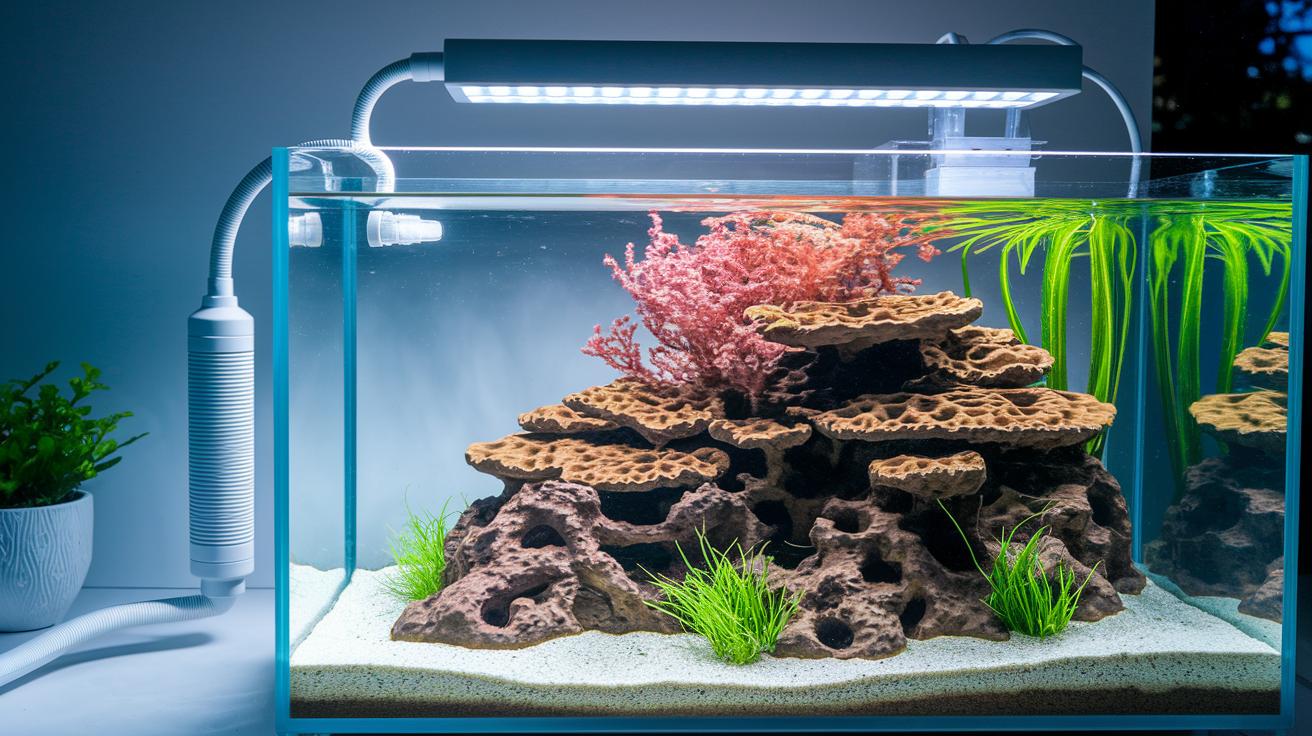
When you're setting up your UV light for your tank, think of it like positioning the best seat in a water concert. Place the unit in a spot where water flows smoothly from your filter or pump, so every droplet gets a little dose of that germ-fighting ultraviolet shine. Make sure the sterilizer is part of your tank’s water loop, giving the water enough time to swim through its chamber. And remember, skip those pond units as they leave too much room for the water to pass by, they just don't deliver the same crisp performance that a dedicated aquarium unit does.
Aligning Flow Rate
First, check your filter’s flow rate with a simple timer and container trick. If you see the water rushing too fast, adjust things by tweaking valves or slowing down the pump. Imagine your tank filling a bucket too quickly; cutting back a bit means your UV light gets more time to do its job, keeping those pesky organisms in check.
Connecting to Filter or Pump
For tanks with internal filters, just run a hose directly from the filter’s output to the UV light unit. If you're using an external canister filter, you might need a bit of hard piping to ensure a steady flow of water through the sterilizer. This clear, simple connection is what helps keep your tank safe and sparkling, allowing your UV light to work continuously to protect your aquatic friends.
Maintaining Aquarium UV Lighting: Best Practices and Schedule
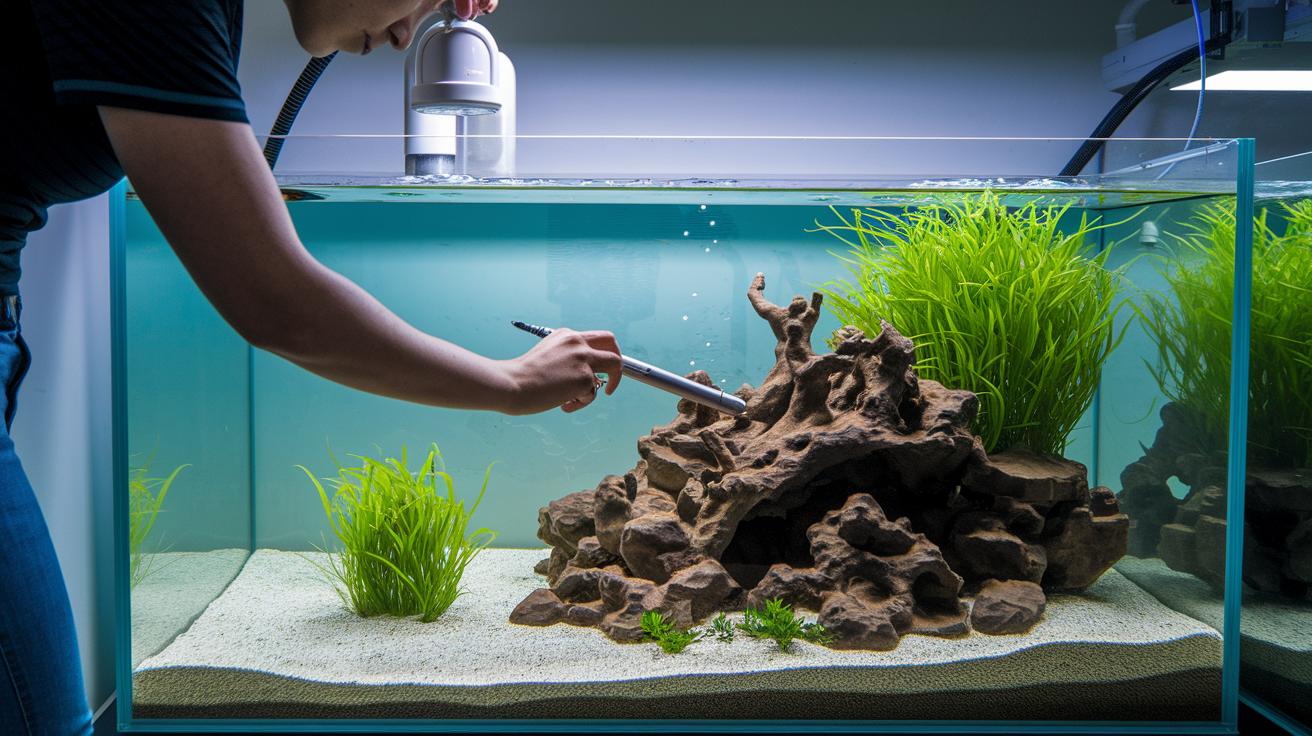
Keeping your UV lighting system in tip-top shape is like nurturing a little underwater world. Regular care not only shields your fishy friends but also helps maintain water that's as clear as a mountain stream. Skip a check here and there, and you'll notice the UV bulb dimming over time while debris gathers on the quartz sleeve, much like forgetting to change the oil in your car. I even set a biannual reminder for my own tank, and it’s been a lifesaver against those pesky algae blooms.
- Bulb replacement: Make a note of when you install the bulb and plan to change it every 6 to 12 months.
- Quartz sleeve cleaning: Rinse off the sleeve with fresh water and a mild cleaning solution to clear away limescale and grime.
- Flow-rate check: Regularly measure the water flow to ensure it matches what the manufacturer recommends for the best UV exposure.
- O-rings and seals inspection: Look over these parts for any signs of wear or leaks, ensuring everything fits snugly.
- System run hours tracking: Keep an eye on the total operation hours to know when a component might need some extra attention.
I like keeping a log for these tasks, whether it’s a handy digital app or a simple paper journal. By jotting down the dates of each cleaning or inspection, you can spot patterns and plan ahead easily. Following the manufacturer’s guidelines and staying organized with your maintenance log helps ensure your UV lighting system, and your aquarium, stays lively and bright, turning your tank into a vibrant underwater haven.
Pros, Cons, and Misconceptions of Aquarium UV Lighting
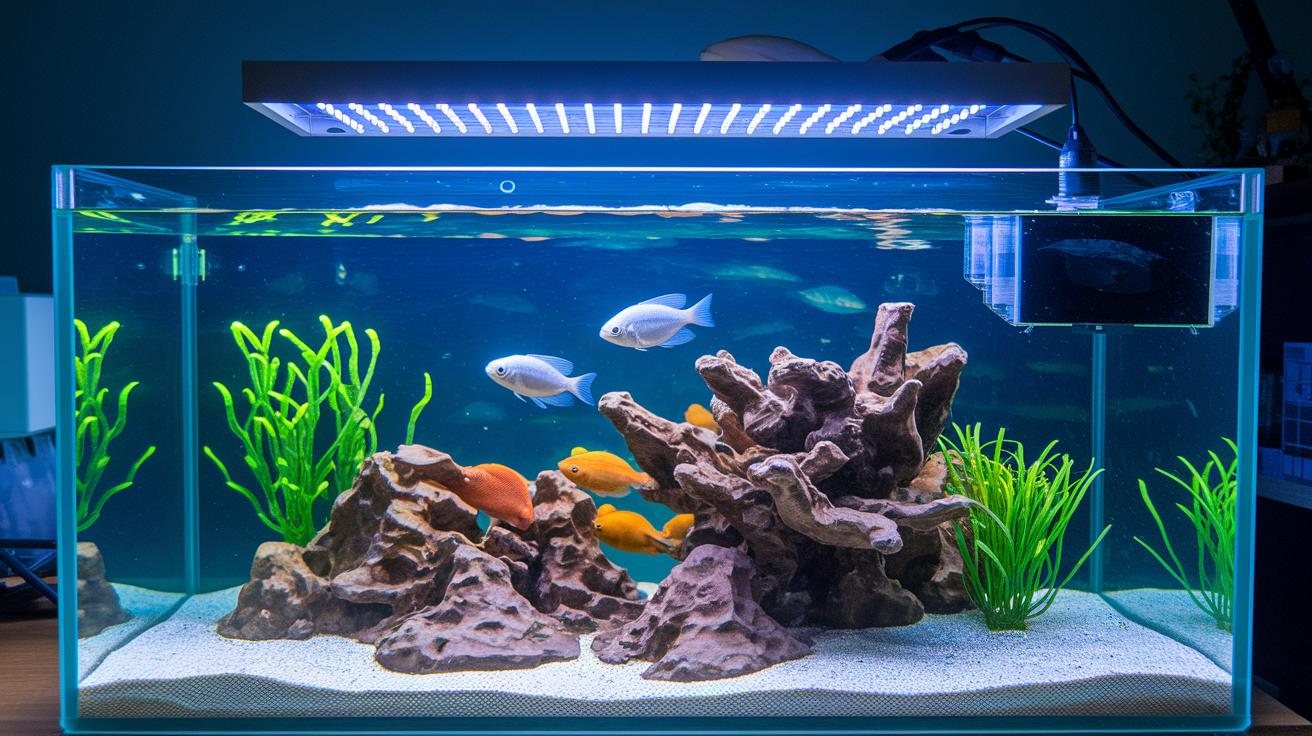
Aquarium UV lighting works like a high-tech cleaning tool for your tank. It helps control algae and zaps harmful germs like Whitespot, keeping your water clear and safe for your aquatic pals. Many aquarium lovers choose this method because it cuts down on disease risks and keeps their underwater world looking beautiful.
But, there are a few things to watch out for. Spending lots of money doesn’t always mean you'll get better results. What really makes the difference is the quality of the bulb and the design of the system. Some advice suggests using very low flow rates or high wattage, but this can actually hurt the cleaning effect. If the water flows too fast through the unit, the UV light won’t have enough time to do its job, and unwanted germs can slip by.
Just know, UV treatment doesn’t weaken your fish’s natural immunity. It zeroes in on the disease-causing agents without touching the fish’s own defenses.
Expert Insights and User Experiences with Aquarium UV Lighting
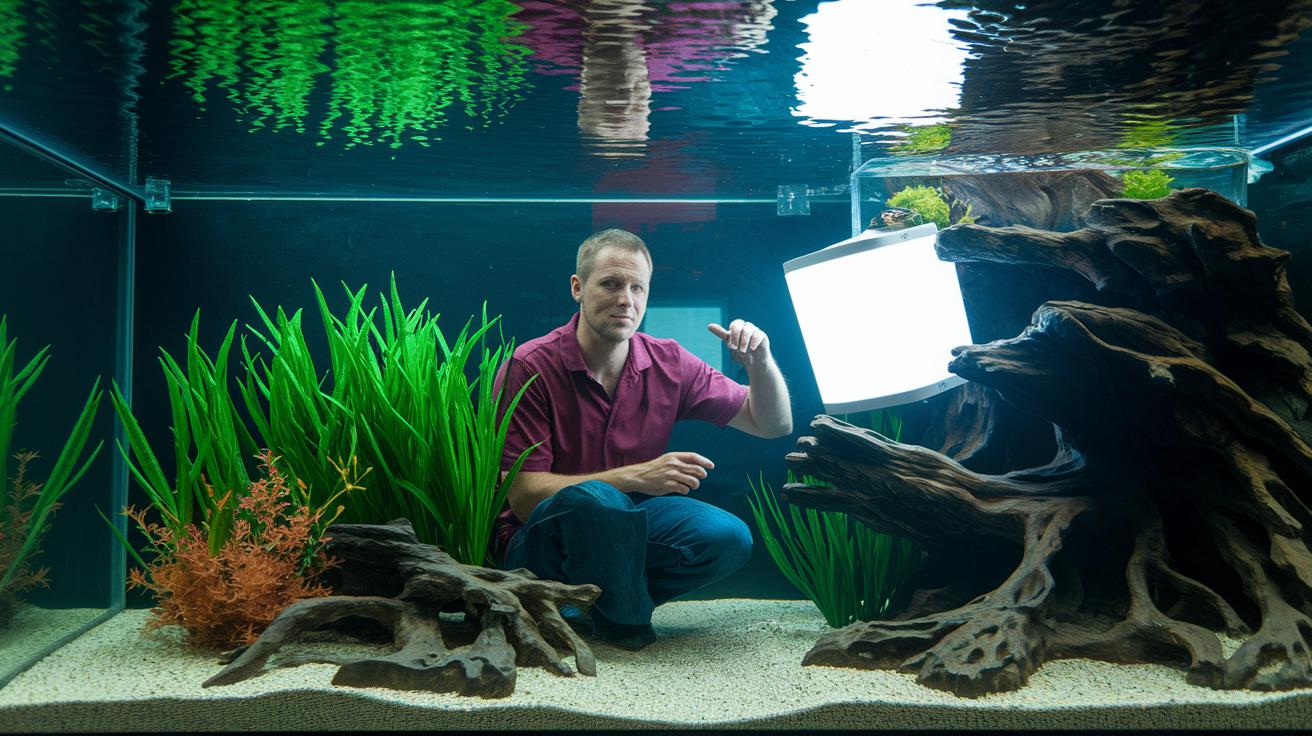
Mark Tucker, a friendly aquatics professional, reminds us to think about your tank’s size and water flow when choosing a UV unit. He explains that this simple step can make your tank shine brighter and keep it clean by really boosting disinfection.
-
They bring out the natural sparkle of your fish’s colors.
-
They help keep algae under control for a neat, clear view.
-
They add a warm, noticeable glow to your tank.
-
Remember: Always check that your system’s flow rate matches what the manufacturer recommends so the UV light does its job well.
Many aquarists have found that pairing a UV sterilizer with a regular cleaning routine not only makes their tank look extra lively but also keeps the water safe. This balanced approach offers both a beautiful display and a healthier home for your fish.
Final Words
In the action, our blog showed how UV technology uses 254 nm light to stop harmful pathogens and algae. We broke down the installation steps, flow adjustments, and the regular upkeep needed to keep your tank in top shape. Expert tips and balanced benefits make it clear that a well-set-up system can boost your tank’s liveliness. Relying on aquarium uv lighting can help you create a cleaner, healthier environment for your aquatic friends.
FAQ
What is the best aquarium UV lighting?
The best aquarium UV lighting uses a 254 nm bulb for germicidal action, works well with your tank’s water flow, and fits your tank’s size. It helps keep pathogens and algae under control.
Where can I find aquarium UV lighting nearby?
Finding aquarium UV lighting nearby is simple when you check local pet stores or specialized aquatic shops. These retailers often carry units suited for various tank sizes and needs.
Where is aquarium UV lighting for sale?
Aquarium UV lighting for sale is available at specialty fish stores and major online retailers. Options span from budget models to premium systems that offer reliable performance and effective water treatment.
What options are on Amazon for aquarium UV lighting?
Amazon offers a wide range of aquarium UV lighting units with detailed user reviews and ratings. Choose models with high-quality bulbs and clear flow guidelines to ensure proper pathogen control.
Are UV lights good for fish tanks?
UV lights are good for fish tanks since the 254 nm UV light helps reduce harmful bacteria, viruses, and algae. They work best as part of a balanced approach that includes regular water testing and maintenance.
How long should a UV light be on in an aquarium?
A UV light in your aquarium is usually run 24/7 for continuous disinfection. Continuous operation keeps pathogens in check, but always follow your manufacturer’s instructions for optimal performance.
What are the disadvantages of UV light in aquariums?
The disadvantages of UV light in aquariums include higher initial costs and the need for regular maintenance such as bulb and sleeve cleaning. Incorrect flow rates can also reduce the system’s overall effectiveness.
Are UV sterilizers worth it in aquariums?
UV sterilizers are worth it when used with proper flow management and regular upkeep. They help control algae and disease-causing organisms, contributing to a clear, healthy aquarium environment.