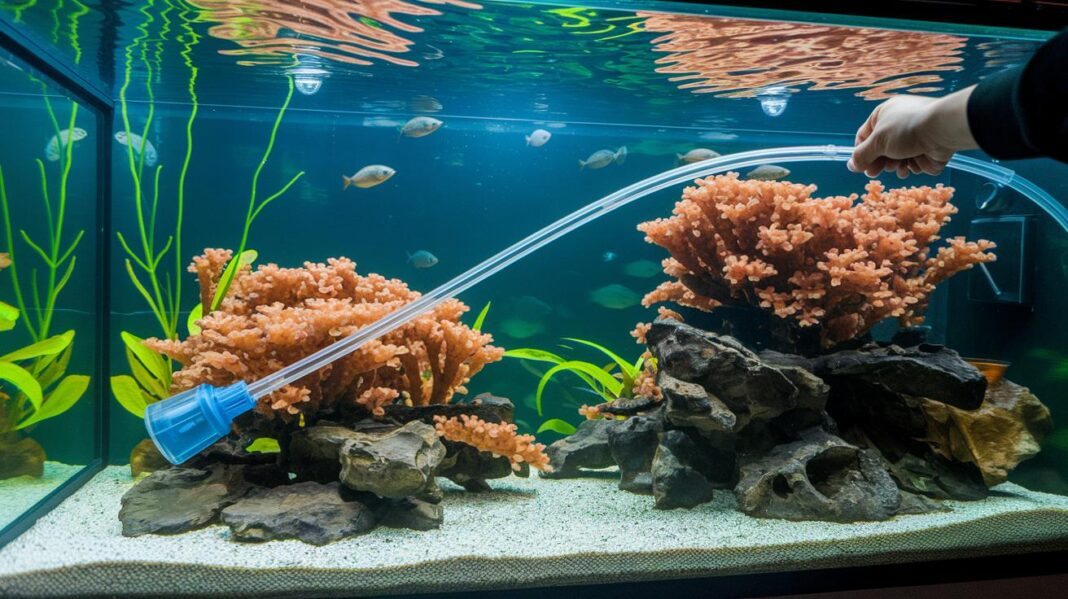

Have you ever thought about giving your fish a fresh start? A small water change is like letting a cool stream gently refresh your aquarium, much like a splash of clean water in a quiet pond.
By swapping out about a quarter to half of the tank's water, you help keep nasty nitrates under control while creating a cozier, healthier home for your aquatic buddies. This guide walks you through the steps with clear, friendly tips, making it a simple and rewarding task for both you and your fish.
Step-by-Step Guide to Performing a Partial Water Change in an Aquarium
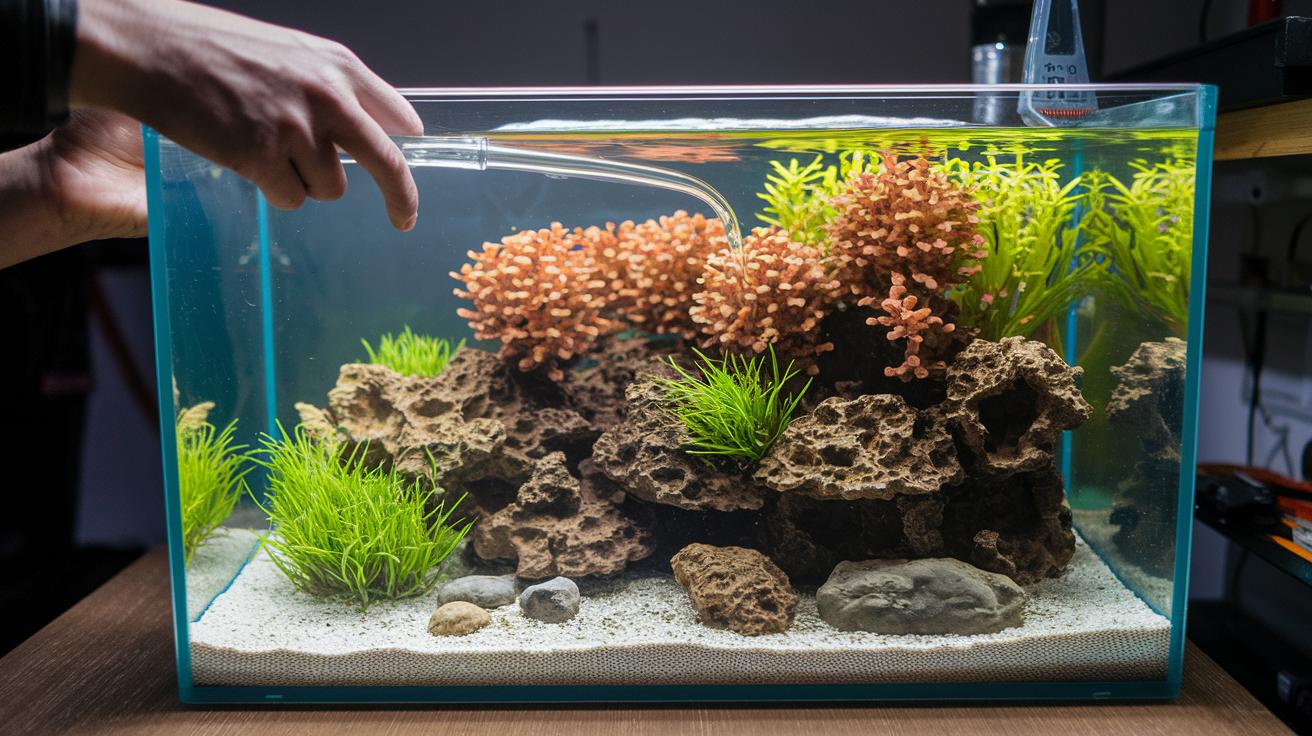
Changing about 25%–50% of your tank’s water is key to keeping nitrate levels in check and your fish happy. Here’s how you can do it safely and with a caring touch:
-
First, grab your gear. You’ll need a siphon or gravel vacuum, a bucket (make sure it's just for your aquarium), a water dechlorinator, and a thermometer. Even seasoned aquarists rely on these basics to keep their tanks sparkling clean.
-
Next, switch off your equipment. Unplug the filter, heater, and any other electrical devices. This helps you avoid water splashes and keeps your gadgets safe from damage.
-
Now, gently siphon out 25%–50% of the water while vacuuming the gravel. This helps scoop up debris and any unwanted leftovers, like tidying up your fish’s little underwater home.
-
Then, prepare the fresh water. Use a water conditioner on your tap water (follow the directions on the bottle) and make sure the water is close to your tank’s current temperature, within 1–2°F. Think of it as making sure the new water feels just as cozy as the one your fish already know.
-
Slowly fill the tank with this treated water. Take your time here so you don’t startle your fish with a sudden temperature or chemical change.
-
Once the refill is done, plug your filter, heater, and other equipment back in to restore the tank’s usual rhythm.
-
Finally, keep an eye on everything. Use your thermometer and take a look around to ensure the water is clear and the temperature is just right.
By following these steps, you’re giving your aquatic friends a healthier space to thrive, just like a gentle stream making its way across smooth stones. Enjoy the process and the calm that comes with a well-tended tank!
Essential Tools and Materials for a Partial Water Change in an Aquarium
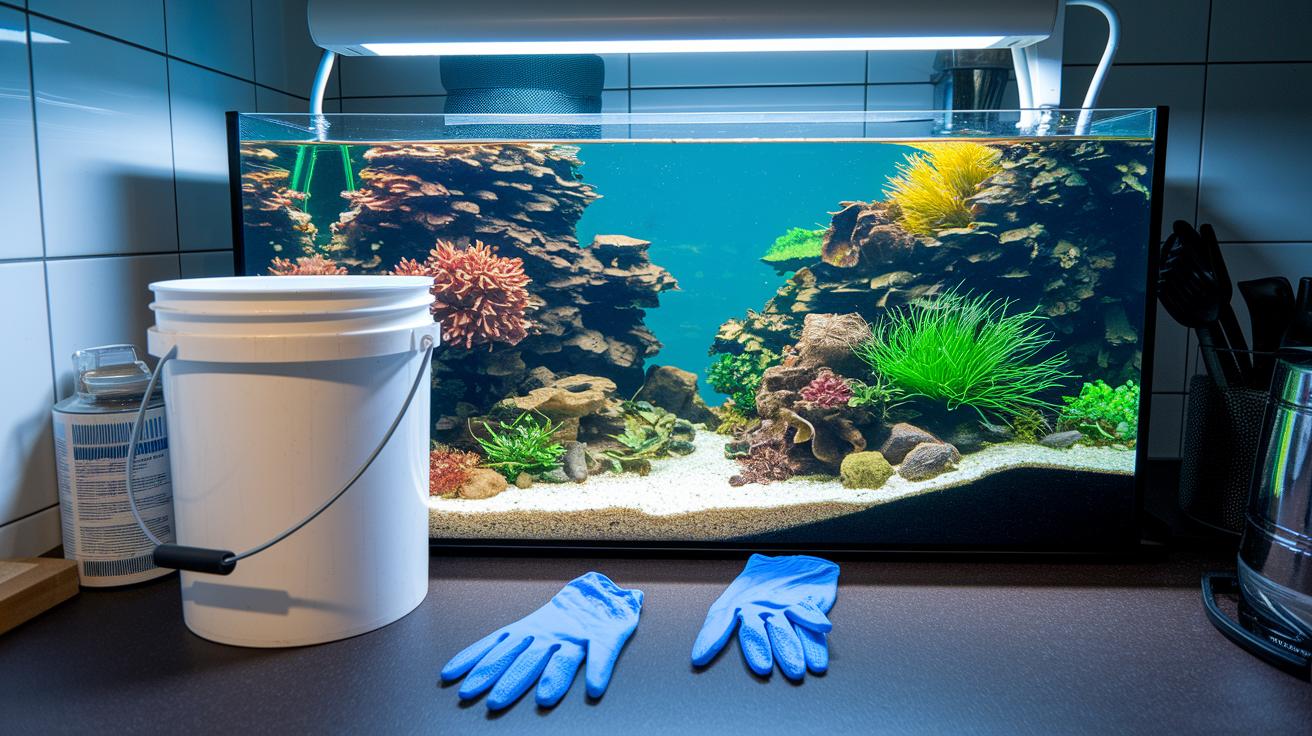
Keep a special set of tools just for your aquarium. This helps prevent unwanted contamination and keeps your gear in top condition. When choosing your tools, make sure they are safe and built well. For example, when picking a siphon, check that it feels robust so you can clean without worry.
• Siphon or gravel vacuum: Look for one with a firm grip and an adjustable suction so debris can be removed easily. It’s smart to choose a model with a durable tube that won’t kink during use.
• Clean bucket reserved for aquarium use: Use a bucket meant only for your tank to avoid any chemical mix-ups. A bucket that once held harsh cleaners can be harmful to your fish.
• Water conditioner: Find a conditioner that fits your tank’s needs. Follow the directions closely so you don’t add too much. Check the label to see exactly how much water it is designed to treat.
• Thermometer: A reliable thermometer is key for keeping an eye on water temperature. Using it with your fresh water helps avoid temperature shocks to your fish.
• Optional algae pad: You might want a gentle scrubber to clean the glass without scratching it. Rinse the pad first to wash away any loose debris that might settle back in the tank.
• Gloves and towel: Wear gloves to protect your hands and keep a towel nearby to catch spills. This simple step helps stop contaminants from entering your beautiful aquatic world.
Safety Precautions Before Performing a Partial Water Change in Your Aquarium
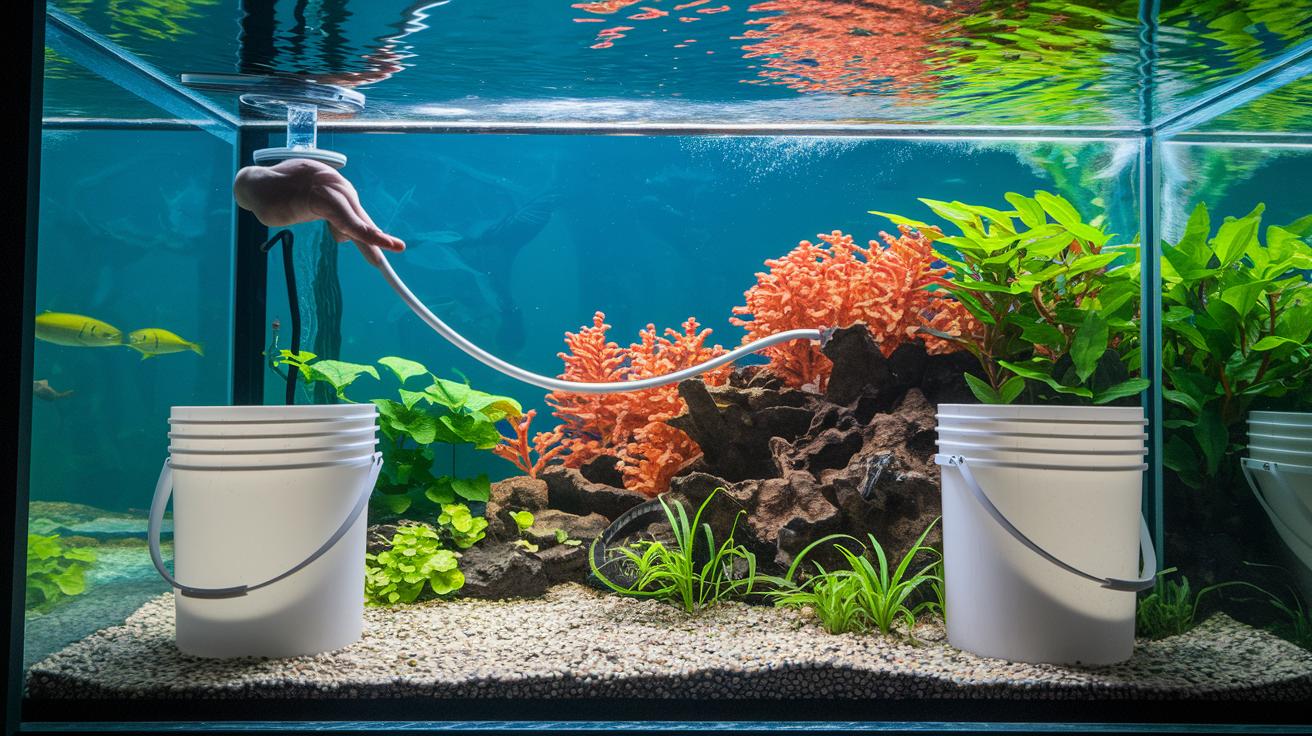
Power Down Aquatic Equipment
Before you start your water change, turn off and unplug filters, heaters, and any other electrical items. This way, you avoid any splashes that might hurt the equipment and keep your fish calm. Unplugging the heater, for example, stops any unexpected problems that could stress out your underwater pals.
Check and Clean Transfer Tools
Take a moment to inspect your siphons, buckets, and hoses for any soap residue or contaminants. Rinse them thoroughly using only the water from your tank. Think of it like giving your trusty tools a quick rinse so only clean water touches your aquarium.
Prepare Replacement Water Safely
Next, get your new water ready by treating it with a trusted dechlorinator and heating it just enough to match your tank’s temperature. Keep this pre-treated water in a clean container to avoid any spills or extra chemicals. It’s a bit like setting up a fresh meal for your fish, everything needs to be just right!
Conditioning and Temperature Matching of Replacement Water for Aquarium Partial Changes
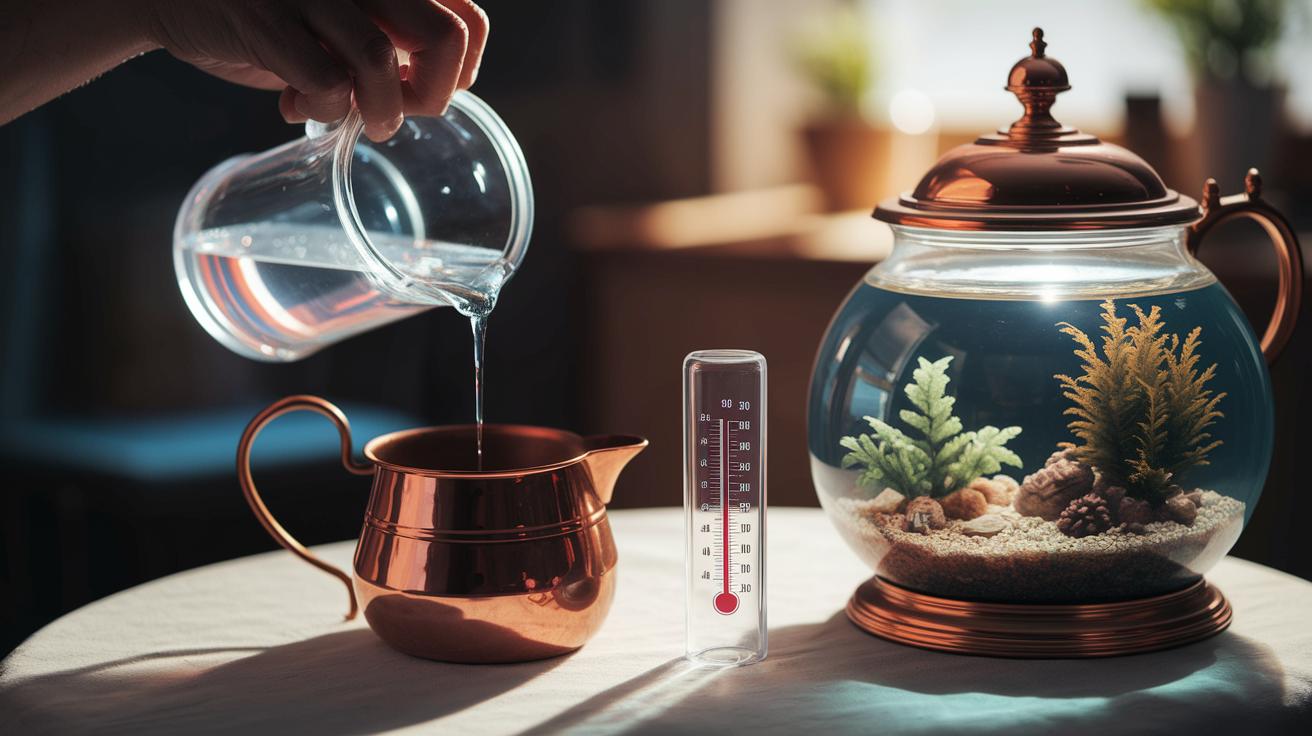
When you prepare fresh water for your tank, start by adding a good water conditioner. This product helps remove chlorine, chloramines, and heavy metals, much like stirring a cold drink until it's perfectly mixed. If you're using reverse osmosis or purified water, a few mineral buffers will bring back the tiny essential elements that keep your water's balance just right.
Next, make sure the new water’s temperature is almost the same as your tank’s water, no more than 1 to 2°F off. Use a reliable thermometer to check the temperature before adding it. This little step helps your fish adjust smoothly, much like easing into a warm bath on a cool day.
Recommended Frequency and Timing for Partial Water Changes in an Aquarium
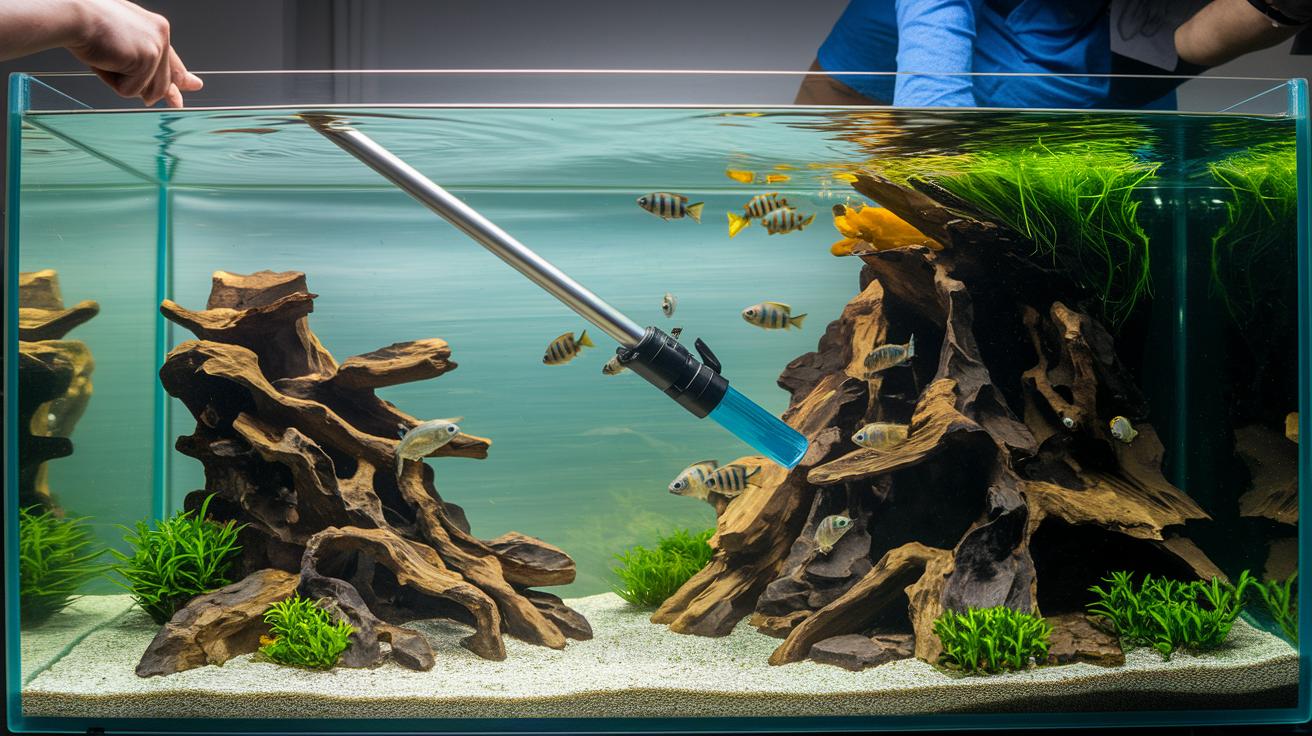
Taking care of your aquarium means giving your fish a little water refresh every once in a while. A simple tip is to replace some of the water every one to two weeks. This little routine helps keep the water clean by lowering nitrates and creates a cozy space where your fish can thrive.
If your tank is packed with fish, you might need to change the water more often. For busy aquariums, swapping out about 25 to 30% of the water every week can help manage waste buildup. But if you have a smaller, less crowded tank, a biweekly change that replaces up to 50% of the water should do the trick.
When you’re just starting out with a new tank and it's still settling into its cycle over 4 to 6 weeks, a gentle approach is best. Instead of using a gravel vacuum, try carefully scooping out a bit of the water so you don’t disturb the good bacteria working to keep your tank balanced. This careful method helps your new setup become a truly happy and stable home for your aquatic buddies.
Minimizing Stress for Fish During and After a Partial Water Change
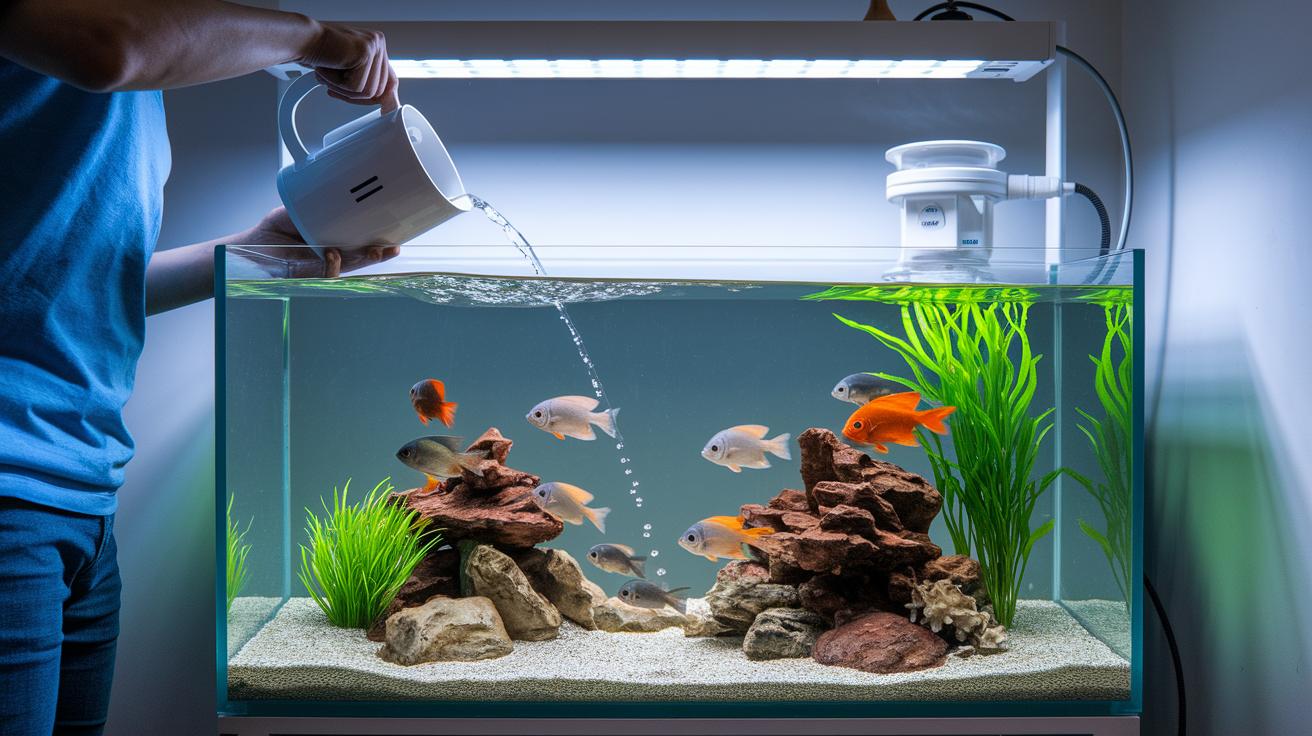
When you add new water, do it slowly so your fish don't get shocked by sudden shifts in temperature or pH. Imagine it like gently merging two small streams into one calm river. As you pour in the treated water, turn on your air pump, funnel, and heater right away to keep oxygen levels steady. This careful process lets your fish enjoy a smooth change without any surprises.
After you've refilled the tank, take a moment to watch your aquatic friends closely. Look for signs like erratic swimming or if they're hiding more than usual, as these clues mean they might still be getting used to the change. Then, give them a little time to settle before serving up their favorite treats. It’s all about keeping the tank peaceful and balanced for your finned companions.
Monitoring Water Parameters After Performing a Partial Water Change in an Aquarium
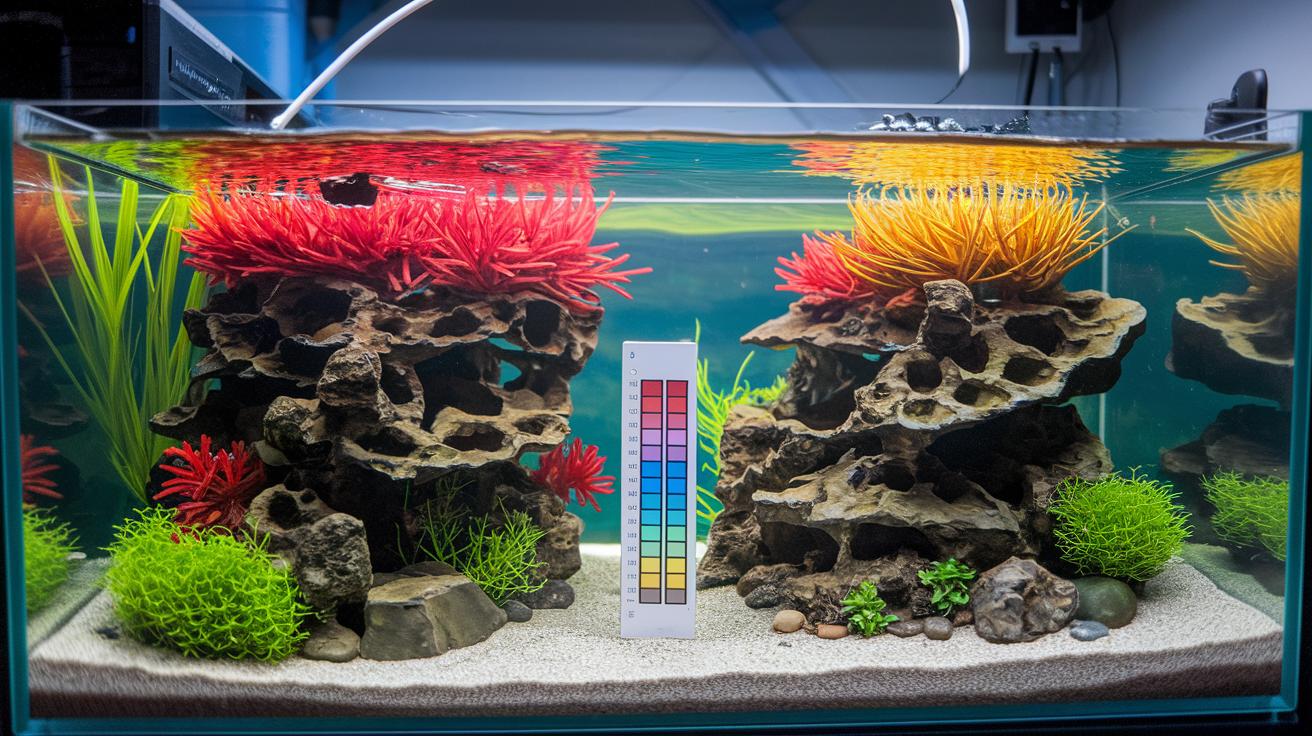
After a water change, it's time to check your tank's water quality. Grab a trusted test kit and measure the ammonia (aiming for 0 ppm), nitrites (0 ppm), and nitrates (keep them under 20 ppm). Also, give the pH a quick look to see if it stayed steady. These readings are like little snapshots of your aquarium's well-being, helping you notice any trends over time.
Once you get your numbers, take a moment to review them carefully. If your nitrate reading is too high or the pH feels off, consider tweaking your routine or adding a buffer to keep things balanced. Maintaining the right hardness and mineral levels is key to ensuring every fish in your tank feels at home.
With each test, you get a clearer picture of your tank's health, almost like reading the gentle ripple of water over smooth stones. This steady check-up helps you spot problems early, keeping your underwater friends happy and thriving day after day.
Final Words
In the action, you’ve seen how a partial water change can refresh your aquarium’s life. We went through every step, from gathering the right tools and preparing safe, temperature-matched water to carefully monitoring your tank’s water quality. Each phase helps maintain a balanced, clean environment where your fish thrive. This guide shows you how to perform a partial water change in an aquarium with clear, manageable steps. Enjoy the reward of a vibrant, healthy tank and keep making your underwater world a better place.
FAQ
How to perform a partial water change in an aquarium YouTube video
The process to perform a partial water change in an aquarium shown on YouTube explains gathering supplies, siphoning out 25–50% of the water, treating new water, and refilling while carefully matching temperature and pH.
How to do a partial water change without a siphon
The method to do a partial water change without a siphon involves manually scooping or using a clean container to remove water, followed by slowly adding pre-treated water while keeping the fish safe and calm.
How to do a partial water change in a tropical fish tank
The approach for a local tropical fish tank is to carefully remove 25–50% water using proper tools, then add replacement water that is pre-heated to match the tank’s warmth to avoid stress for your fish.
How to change water in a fish tank without killing fish
The best practice to change water without harming fish is by slowly removing a portion of the old water, treating the new water for chlorine, and matching its temperature, ensuring a gentle transition for all aquatic friends.
How to prepare water for a fish tank water change
The procedure for preparing water involves treating the new water with a dechlorinator, adjusting its temperature to match the tank by using a thermometer, and optionally adding mineral buffers if using purified water.
How to do a partial water change for a betta
The instructions for a betta’s tank suggest carefully removing about 25–50% of the water, then gently adding fresh, temperature-matched, chemical-free water to ensure the betta experiences minimal stress.
How often should you do a partial tank water change
The guideline for frequency is to perform a partial water change every one to two weeks, adjusting the rate based on your tank’s fish load and nitrate levels to maintain a healthy aquatic environment.
Can I do a 50% water change in my fish tank
The method allows for a 50% water change, especially in lightly stocked tanks, but it is best to assess nitrate buildup and fish health before using this percentage to ensure a safe refresh.
What is the reason for the partial water change
The purpose of a partial water change is to remove excess nitrates and impurities, help maintain stable water chemistry, and provide a healthier environment for your fish while reducing stress and disease risk.