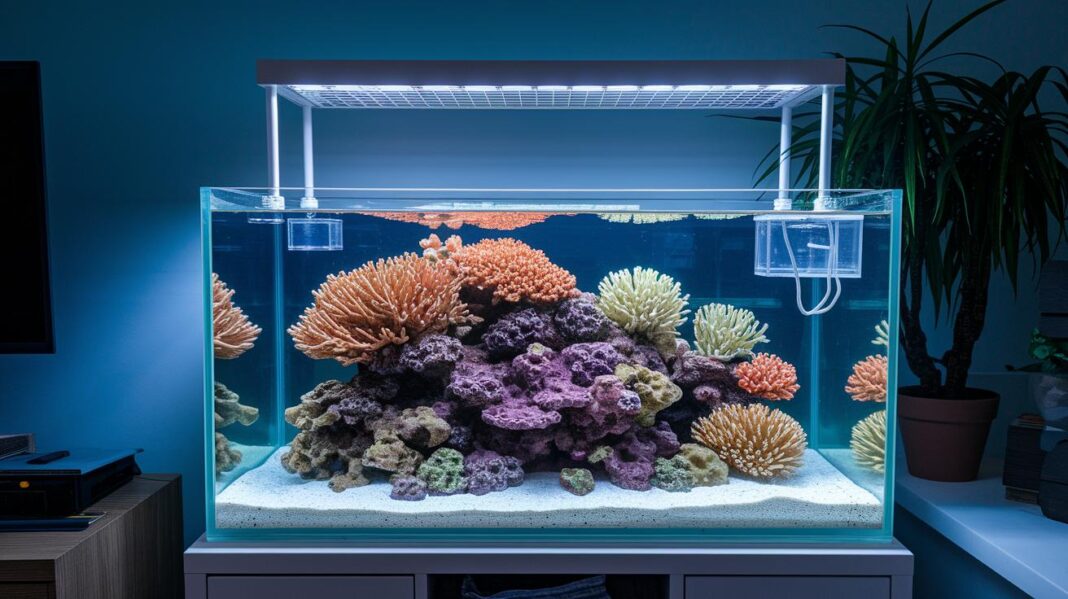

Have you ever noticed how a small change in your tank lighting can bring a burst of life to your underwater world? T5 lighting is like a gentle current that refreshes your setup with a bright and efficient glow.
Old lights might leave your tank looking a bit gloomy, but T5 tubes shine steadily and save energy, almost like the soft shimmer of sunlight on water. I honestly think this new lighting is a game changer for both plant-filled tanks and reef displays.
So, if you’re looking to make your aquarium sparkle and help your plants grow, give T5 lighting a try. It might just be the best way to make your underwater world come alive.
T5 Lighting Fundamentals for Aquarium Setups
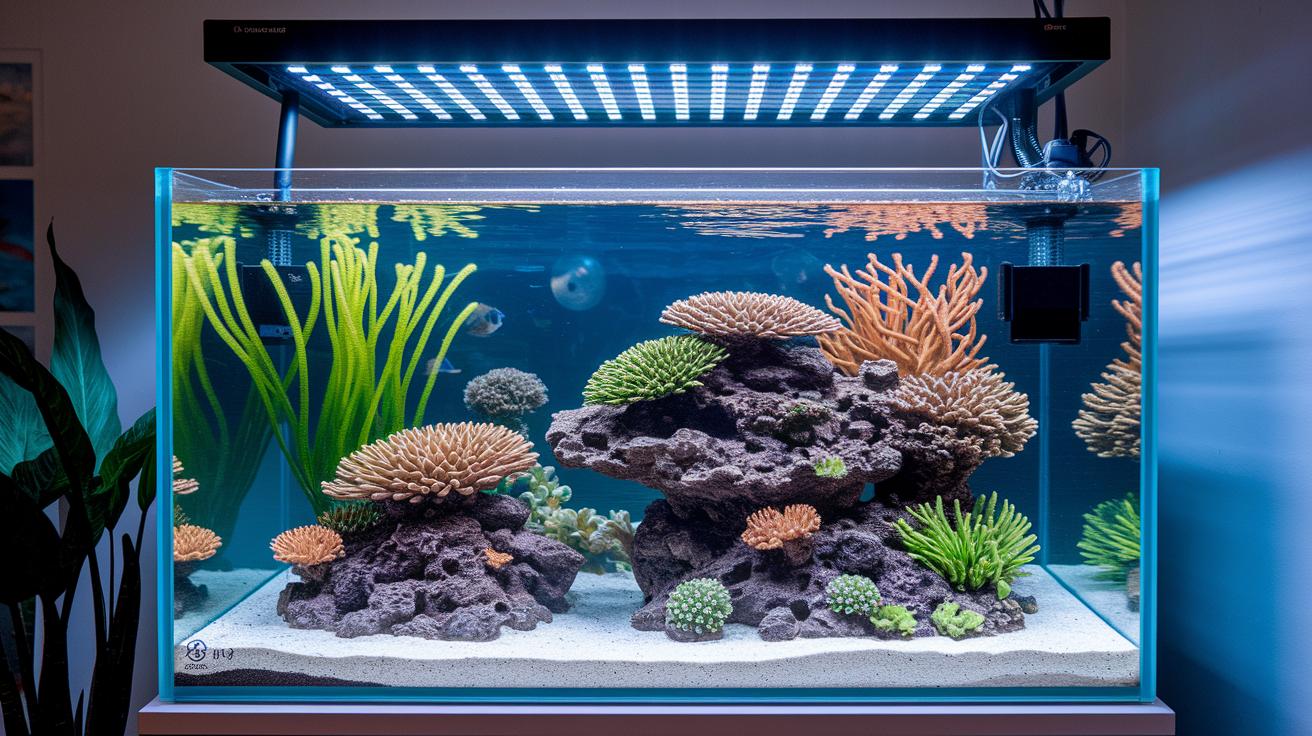
T5 lighting uses small fluorescent tubes that are just 5/8 inches wide, which means they shine brighter per watt compared to older T8 or T12 options. Many aquarium lovers choose T5 fixtures because they deliver light evenly across your tank. These tubes come in different colors too. For example, 6500K daylight is perfect for helping plants thrive, while actinic blue (420–460 nm) makes your corals pop with a warm glow.
T5 lighting also uses less power than metal halide systems, which keeps your electricity bills lower without cutting back on brightness. Sure, they might not have the same natural shimmer as metal halide or some LED systems, but their steady output makes them a reliable choice for many setups. Plus, the design is flexible enough to let you adjust the spacing for a more balanced light spread.
Did you know many early reef tanks depended on bulky, energy-guzzling lighting? Switching to T5 tubes was like inviting a cool, efficient current into the aquarium world. Overall, T5 lighting mixes efficiency, a variety of color options, and easy design tweaks, making it a go-to choice for both plant setups and vibrant reef displays.
T5 Lighting vs LED Systems in Aquariums
| Metric | T5 Lighting | LED Lighting |
|---|---|---|
| Energy Use | About 54 W per 48″ tube | Uses 30–40 W per module, saving 30–50% energy |
| Light Output | Delivers a steady, well-spread glow | Creates focused beams with reflectors for a sharper light |
| Fixture Design | Classic and sturdy | Sleek, modern look that fits right into your setup |
| Heat Emission | Makes more heat that you might need to manage | Runs cooler, which can cut down on extra cooling needs |
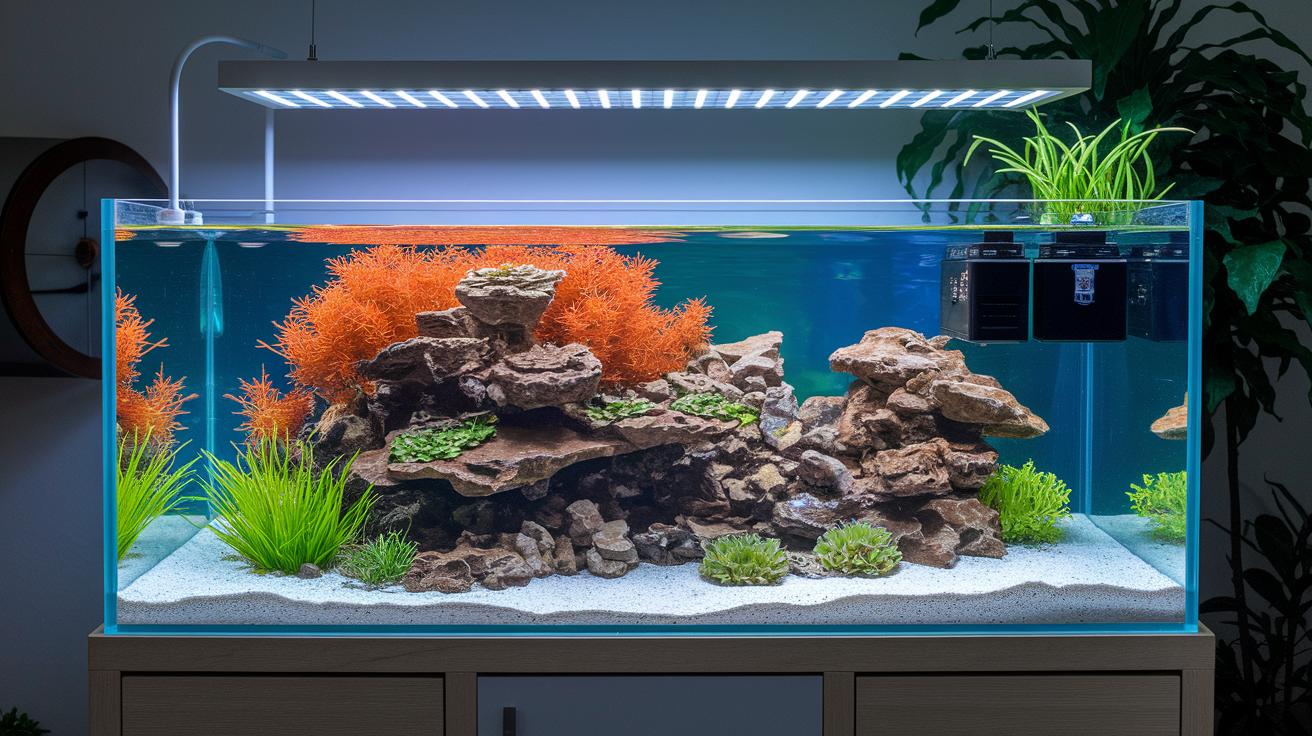
T5 lighting has long been a favorite for those who love a gentle, consistent light spread, imagine the calm shimmer of sunlight over a quiet pond. On the other hand, LED systems are like a breath of fresh air in the world of tanks, cutting down on energy use and heat, all wrapped up in a sleek, modern package.
When you weigh energy use and heat, T5 lights offer a familiar, comforting glow, but LEDs bring efficiency and a stylish twist. It all comes down to what you need: a traditional, evenly spread light or a design that saves energy and adds a modern touch. Both help your aquatic buddies live in a beautifully lit environment, ensuring every fin and scale shines.
Installing Aquarium T5 Lighting Systems
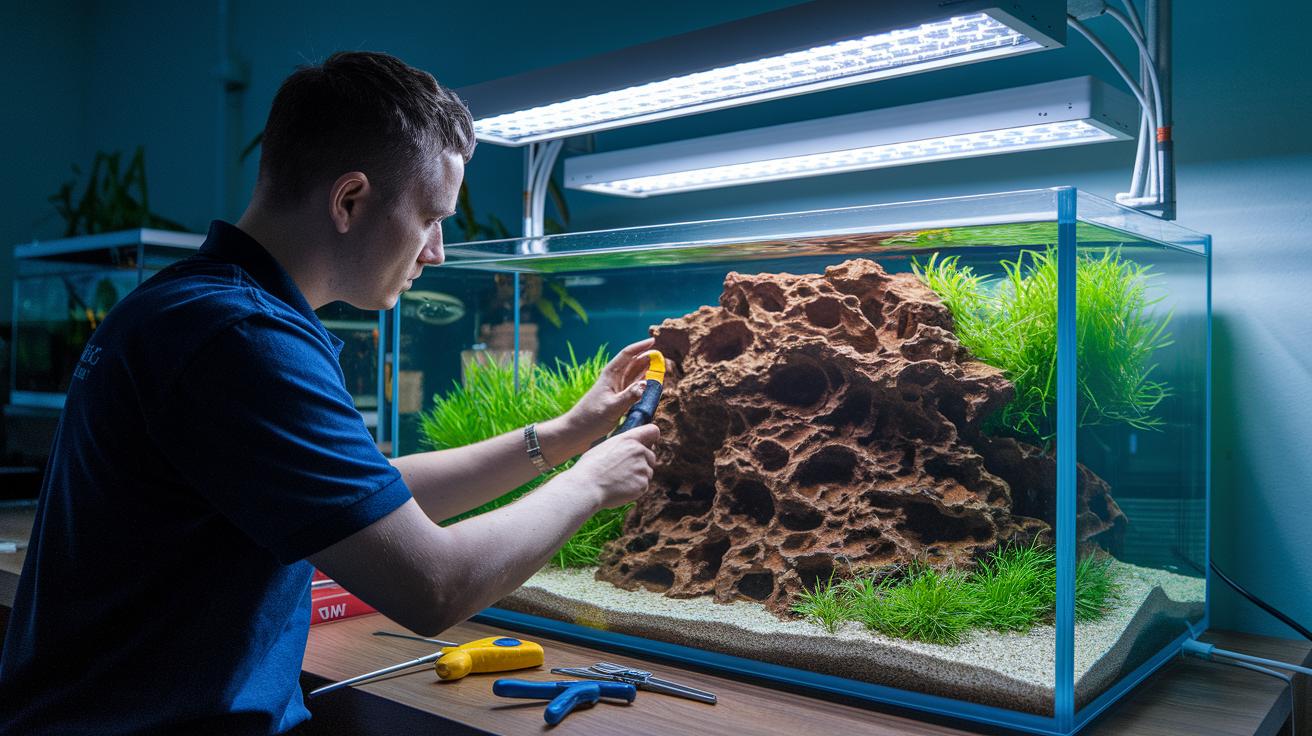
Begin by mapping out where your lights will go and collecting all your basic tools, a level, a drill with bits that won’t rust, mounting brackets, and wire strippers. Place the lights about 2 to 4 inches above the water so they can shine just right without causing glare. Keeping the tubes about half a tube’s diameter apart helps the light spread evenly across your tank. Don’t forget to match the electronic ballast to the tube’s wattage and use moisture-resistant wiring with waterproof connectors for extra safety.
Next, firmly attach your mounting brackets to either the tank or the aquarium hood and check with your level to make sure everything is perfectly straight. Install the electronic ballast by connecting it gently to each tube, keeping the wiring neat and secure. Line up each tube carefully so that the light is spread out evenly. Take a moment to inspect all wiring connections to ensure they’re durable and free from moisture, protecting your setup from water or salt damage. For instance, after drilling the holes for the brackets, use your wire strippers to prepare the moisture-resistant cables before connecting them to waterproof connectors.
Finally, give everything one more look, cause even small misalignments can affect the light. A careful installation makes sure your aquarium lights work smoothly and create a vibrant, inviting display.
aquarium t5 lighting Shines with Vivid Brilliance
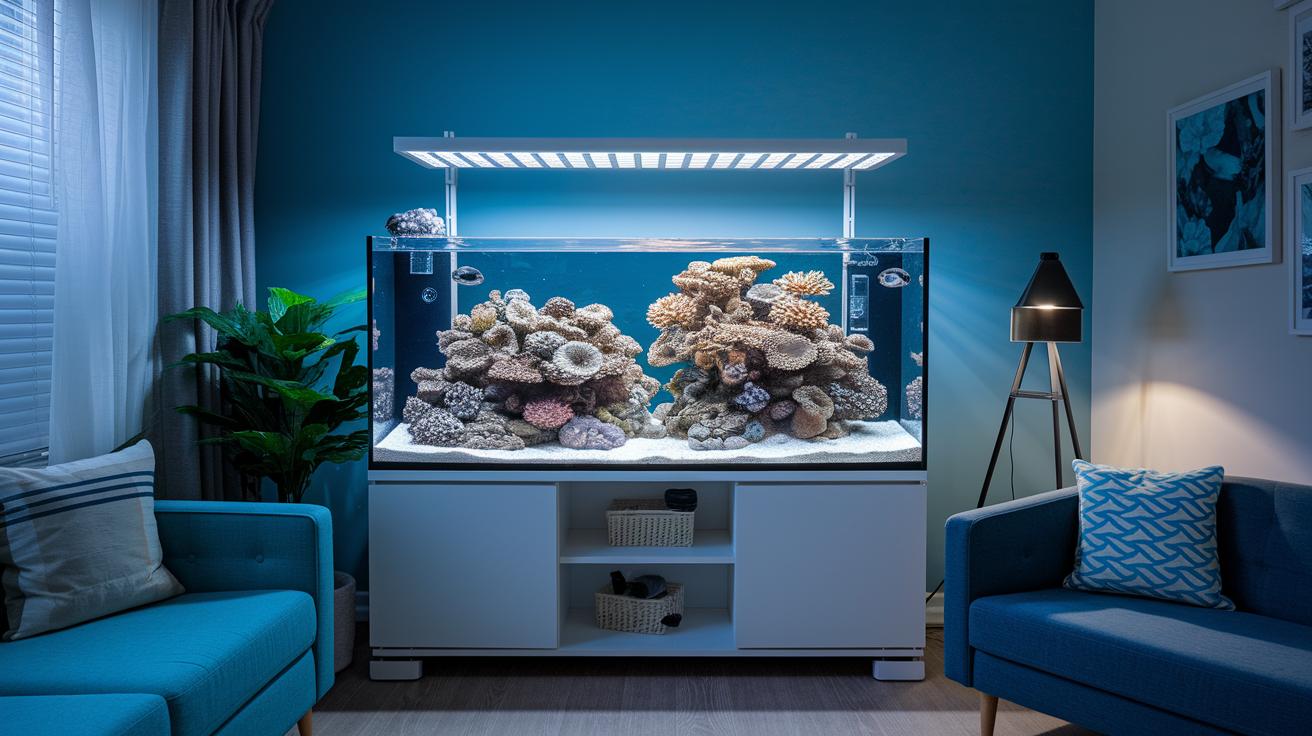
When picking T5 lights, choose the tube length that suits your tank. For small, cozy nano setups, 36-inch tubes are just right. Most home aquariums do well with 48-inch tubes, while big reef systems or public displays often shine brightest with 72-inch tubes. A little tip: 36-inch tubes work wonders in tiny spaces where every bit of light matters, ensuring your tank gets even brightness throughout.
The color of your tubes is important too. Tubes at 6500 K are great for freshwater tanks because they help plants grow and give you that bright daylight feel. Marine tanks often benefit from 10000 K tubes, which bring out the vibrant colors of marine life. And if you want your corals to glow, actinic blue tubes create a magical effect. Also, think about whether you need a magnetic or electronic ballast. Each type changes how quickly your lights warm up, if they flicker, and how long they last.
Don't forget to consider the fixture's durability. Look for parts that resist corrosion and have secure snap-in tube holders. This is extra important for saltwater setups where conditions can be tough. Balancing tube size, color temperature, and ballast type helps you achieve a beautiful underwater scene that fits your tank perfectly.
Maintaining and Replacing Aquarium T5 Tubes
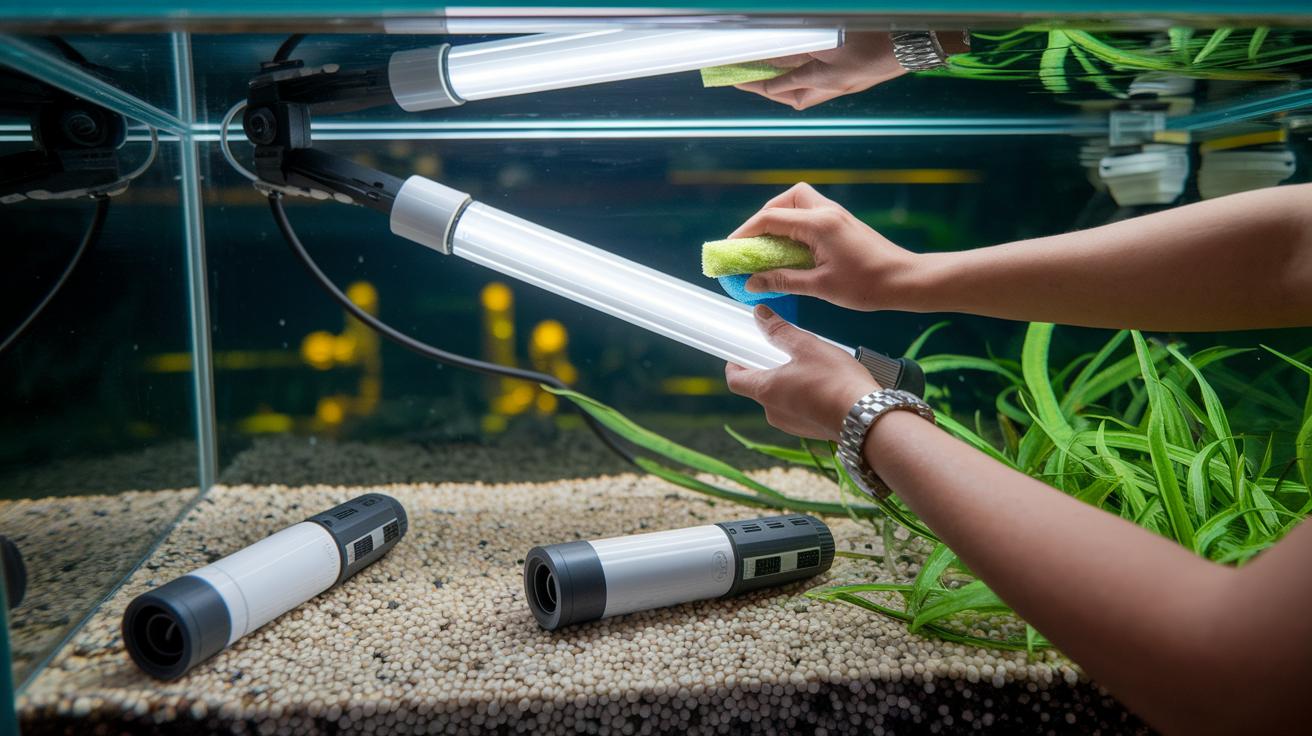
Over time, T5 tubes lose around 25% of their brightness in just 6 to 9 months. That's why many fish lovers swap them out every 9 to 12 months to keep tanks filled with clear, healthy light. A gentle cleaning every couple of months works wonders, simply wipe the bulbs and reflectors to remove any salt or mineral buildup that might dim their glow. You might even notice them shining almost as brilliantly as the day you first set them up.
Next, check your tube holders and wiring every few months, about once a quarter is perfect. Look out for any signs of rust, loose connections, or heat damage. Taking a few minutes to inspect these parts can save you from bigger problems later on. And keeping some spare tubes and matching ballasts on hand means you'll be ready to replace them quickly if needed.
Regular upkeep not only extends the life of your T5 tubes but also ensures your aquarium stays beautifully lit. By adding these inspections into your usual tank care routine, you create a bright, inviting space that both you and your aquatic friends will appreciate.
DIY Upgrades and Savings for Aquarium T5 Lighting
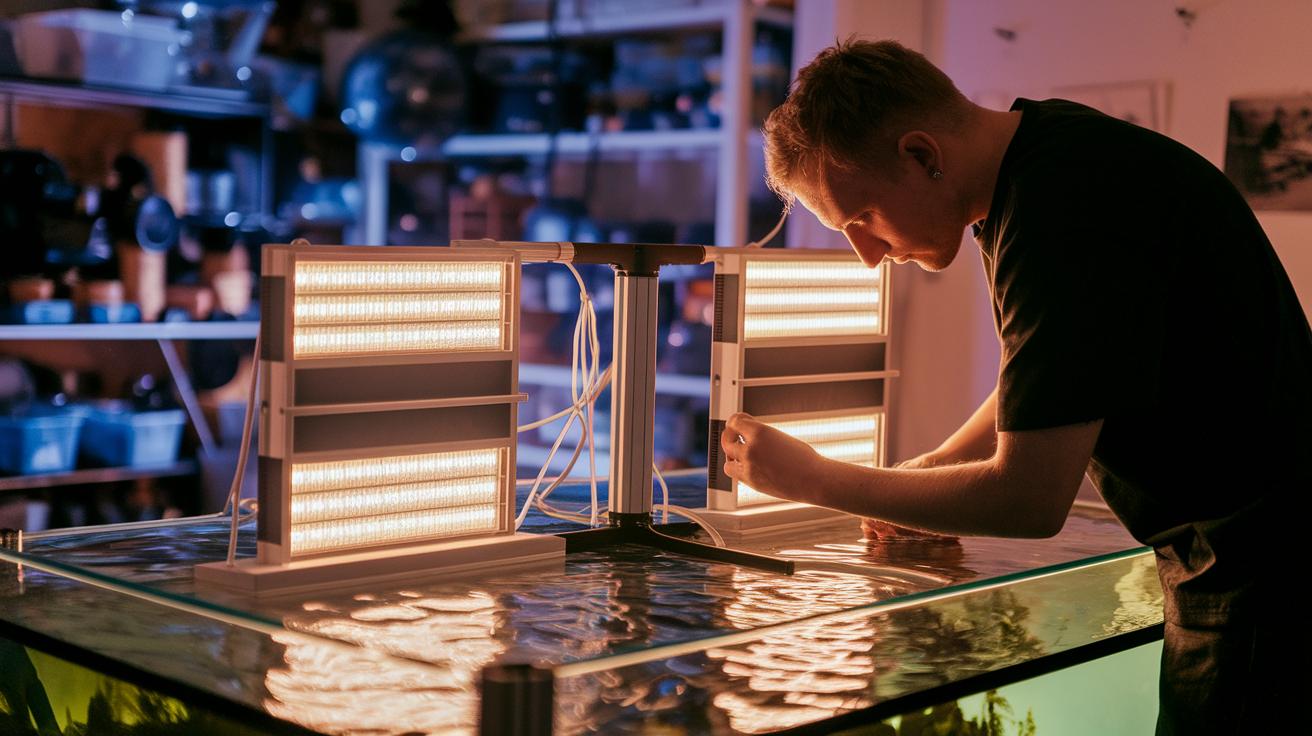
Switching your old aquarium lights to T5 lighting is a smart and cost-saving trick that can drop your initial expenses by about 30%. Upgrading with electronic ballasts and neat modular reflectors helps trim energy use by 15 to 25%, offering a brighter setup that’s easier on your wallet. Many fish lovers pick safe ballast swaps and careful rewiring with reversible connectors so you can easily manage any future tweaks. In fact, after converting older fixtures, you might recover your upgrade cost in just 8 to 12 months as energy savings start adding up. I once replaced my tired fluorescent lights, and pretty soon my monthly bill dropped noticeably, letting me splurge a little more on some cool decor for my tank.
Taking on this DIY upgrade lets you tailor your aquarium lighting without breaking the bank. Upgrading to moisture-resistant, long-lasting ballasts creates a safer and more modern home for your aquatic friends. Small improvements like securing every connection and setting your tubes in the perfect line give your tank a soft, balanced glow. This hands-on approach makes it easy to swap parts when needed, so your aquarium can always enjoy bright, efficient lighting that makes every swim feel like a celebration.
Final Words
In the action, we explored the essentials of setting up and maintaining aquarium T5 lighting, including choosing the right tube sizes and spectra. We detailed smart installation methods, regular cleaning routines, and clever DIY upgrades that keep your tank vibrant and efficient.
Every step builds toward creating a clean, balanced underwater habitat while expanding your fish care know-how. Enjoy watching your aquatic world flourish with the dynamic glow of aquarium T5 lighting!
FAQ
What is T5 lighting for aquariums?
The T5 lighting for aquariums means using narrow fluorescent tubes (5/8 inches in diameter) that deliver high lumens per watt with varied spectra to support healthy plant growth and vivid coral displays.
What are common sizes of T5 aquarium lighting, such as 36-inch, 48-inch, or 4FT fixtures?
The T5 lighting sizes include 36-inch tubes for smaller tanks and 48-inch (or 4FT) options for standard aquariums, giving hobbyists flexibility to match fixture size with tank dimensions and light needs.
Which is better: T5 or LED aquarium lighting?
The choice between T5 and LED lighting means comparing even light spread from T5 fixtures with the energy efficiency and lower heat output of LED systems, so it depends on your specific tank conditions and energy needs.
Are T5 lights good for growing aquarium plants?
The T5 lights are good for growing aquarium plants when using the right spectrum, such as 6500K daylight, which supplies the proper light quality to encourage robust plant growth and vibrant coloration.
What is the difference between T5 and T8 aquarium lighting?
The difference between T5 and T8 lighting means T5 tubes are slimmer and provide more lumens per watt than the larger T8 tubes, making T5 fixtures a popular choice for efficiency in aquatic setups.
How do I know when to replace my T5 aquarium lighting?
The T5 lighting replacement is typically needed when light output drops—usually losing around 25% brightness after 6–9 months—so hobbyists should plan to replace tubes every 9–12 months to maintain quality.
What should I look for in the best T5 lights for reef tanks or reef light fixtures?
The best T5 reef light fixtures focus on offering an actinic blue spectrum ideal for coral fluorescence, along with a sturdy build and proper tube spacing to deliver uniform and effective lighting in reef environments.
Can I buy Aquarium T5 lighting on Amazon?
The Aquarium T5 lighting available on Amazon means you have easy access to a range of sizes and spectrums, making it convenient to find fixtures that suit your tank’s specific requirements.
What factors should be considered for selecting the best aquarium T5 lighting overall?
The best aquarium T5 lighting factors mean balancing energy efficiency, suitable spectrum options for your tank inhabitants, durable design, and ease of maintenance to support a thriving aquatic environment.