

Ever thought about keeping your aquarium happy without breaking the bank? A small water change each week can sweep away most of the common problems, almost like a mini spa day for your fish.
This little routine helps flush out unwanted bits in the water, much like gentle ripples cleaning smooth stones. And by taking care of these issues early, you can avoid pricier fixes later on.
In this guide, I'll share some easy and budget-friendly tips to keep your tank sparkling clean. It’s amazing how a bit of consistent care turns your aquarium into a peaceful, affordable underwater retreat.
Core cost-effective strategies for aquarium water changes

Regular water changes do so much more than just brighten up your tank. They help get rid of extra nitrates and phosphates, add back important minerals, and control algae, which means they can fix up to 80% of common tank issues. Think of it like a mini spa treatment for your aquarium that keeps water chemistry in check, saves you money on later treatments, and keeps your fish and plants happy.
A good way to start is with a weekly water change of around 10%. This small refresh balances your costs and keeps the water just right. If you can stretch to a 20% change during your maintenance routine, that daily dose of fresh water will really shine through, diluting harmful substances without upsetting your tank’s balance. Many hobbyists have even noticed clearer water and calmer fish when they stick to these steady, measured changes.
And don’t forget about dechlorination. Treating your new water to remove chlorine is key because untreated chlorine can harm the beneficial bacteria, put stress on your delicate plants, and make your fish uncomfortable. By ensuring your water is dechlorinated before it enters the tank, you're taking a big step in keeping your aquarium’s ecosystem healthy and costs low.
Budget-friendly equipment selection for cost-effective aquarium water changes

Choosing the perfect equipment can turn your water changes into a simple and money-saving task. When you pick multipurpose, reliable tools, you can refresh your tank’s water without spending extra time or cash. For example, a self-priming siphon tube takes away the extra work of starting it by hand, speeding up the process for you. Keeping your tank’s needs in mind while using affordable products helps your aquatic world stay happy and healthy.
A smart setup means using pieces that work well together. Small, battery-powered models let the job run on its own, and gravel vacuum attachments help scoop away debris from the bottom of your tank. Regular food-grade 5-gallon buckets can easily handle water removal and storage, making them super handy. Plus, using a low-cost aquarium heater or an adjustable inline heater ensures that your fresh water keeps pace with your tank’s temperature, easing any stress on your fish.
- Self-priming siphon tube (learn more at https://sweetfysh.com?p=3185)
- Battery-powered siphon alternative
- Gravel vacuum attachment for cleaning the substrate
- Food-grade 5-gallon bucket for water removal and storage
- Affordable aquarium heater for matching temperature
- Adjustable inline heater for precise water warming
DIY water conditioning methods for economical aquarium water changes
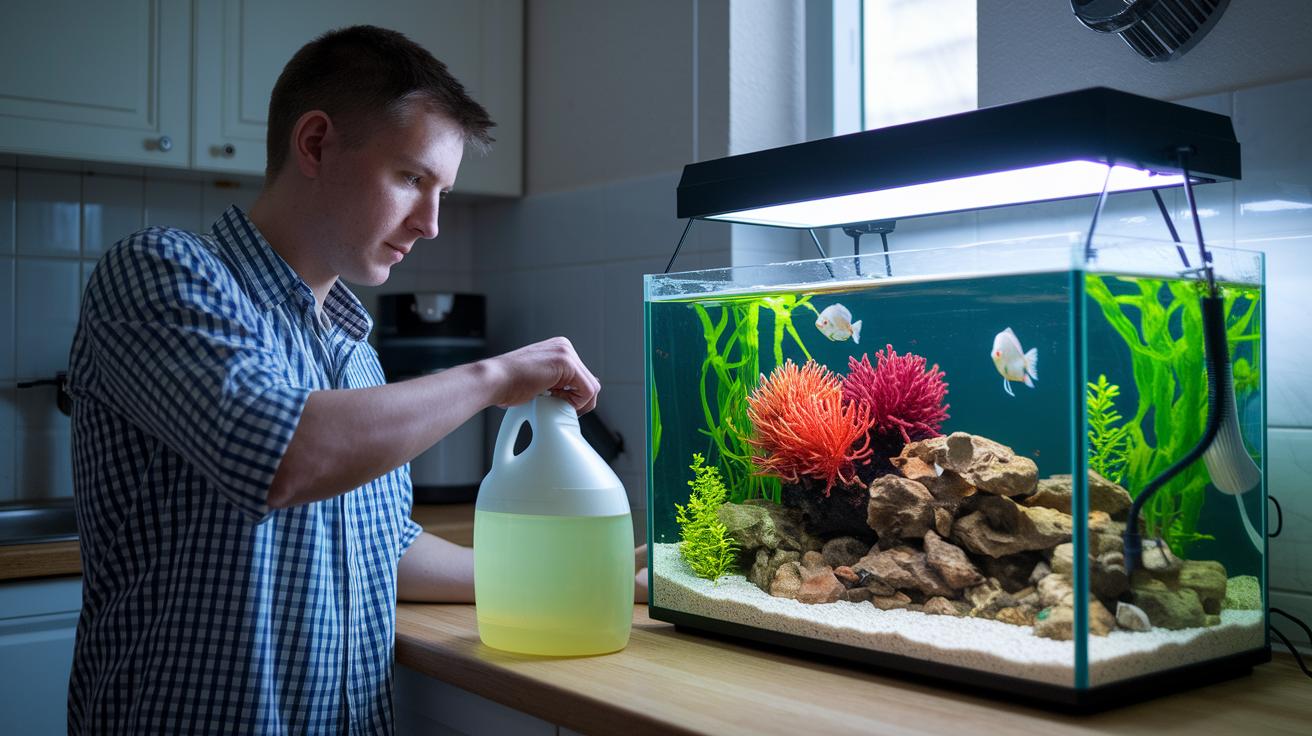
When you start making your own water conditioner, begin with tap water. Tap water often carries chlorine that can upset your fish and disturb the helpful bacteria in your tank. Try using budget-friendly options like vitamin C tablets or plant-safe dechlorinators. Just add as the instructions say and stir well, ensuring your water becomes much gentler on your aquatic friends.
If you're using reverse-osmosis (RO) water, the approach shifts a bit. RO water is very clear but it misses out on essential minerals. This means you need to add aquarium buffers to bring back those minerals, almost like giving your water a little extra seasoning. Warm the RO water to within 5 degrees of your tank’s temperature using an aquarium heater, then slowly mix in your buffers just as you would gradually blend ingredients in your favorite recipe.
Always remember, never combine untreated tap water with untreated RO water. Mixing them without proper treatment can lead to sudden pH changes and mineral chaos that harm your fish. Instead, treat each water source on its own before blending them together. Even a tiny imbalance can result in cloudy water and stressed little inhabitants.
Once your water is conditioned, store it in clean, sealed containers that you can use again and again. This not only saves you money but keeps your water fresh too. Keep the containers in a cool, dark spot until you're ready for the next water change. This homegrown method is a smart, affordable way to keep your tank balanced and your aquatic buddies healthy.
Scheduling aquarium water changes for budget-conscious fluid renewal

Most fish lovers know that a small, regular water change works wonders without costing a lot. Many hobbyists stick with a 10% water change every week. This simple switch helps keep your aquarium water fresh, balanced, and free of unwanted buildup.
For tanks with lots of plants or a heavy fish load, some friends opt for a 20% refresh each week or even do a 10% change two times a week. This steady routine keeps the fish relaxed and prevents big issues, like pesky algae blooms, that could cost extra time and money.
If your setup is more laid-back, you might try a 15% change every other week. This schedule is great for beginners who want an easy, effective way to maintain healthy water. Sticking to a regular change on your calendar even helps you dodge expensive fixes later on.
On the other hand, some advanced aquarists, like professional breeders, sometimes go for daily water changes. But for most of us, a regular, simple water change means fewer surprises, less stress for the fish, and a happier, clearer tank.
Affordable additives and treatments for cost-effective aquarium water changes

You know, using smart, budget-friendly treatments in your aquarium can really help keep your water balanced and your fish feeling relaxed. Treating your water right after changes means there are fewer unexpected problems and more savings in the long run.
By choosing low-cost additives, you cut down on heavy deep-cleaning sessions that usually take extra time and cash. For instance, picking up bulk packs of concentrated dechlorinator and pH buffer means you spend less each time you dose. A few drops of concentrated ammonia remover can make a big difference for sensitive fish, easing stress in their little world.
And don’t forget the extra helpers, fine-mesh filter socks or reusable polishing pads sweep away debris so you don’t have to scrub the bottom as often. Even algae control gels or tablets sneak in to keep those pesky algae blooms under control until your next water change.
- Bulk concentrated dechlorinator packets
- Concentrated pH buffer packets
- Concentrated ammonia remover drops
- Fine-mesh filter socks or reusable polishing pads
- Algae control gels or tablets
Final Words
In the action, this post dived into keeping your aquarium fresh without breaking the bank. We talked about simple strategies that remove harmful chemicals while saving cash. The guide covered picking clever tools, mixing DIY dechlorination methods, and planning regular water refreshes. It even touched on smart additives that help keep your fish vibrant and your tank balanced. All these cost-effective tips for aquarium water changes mean you can enjoy a lively, healthy tank every week. Stay passionate, and let your aquatic world thrive!
FAQ
What are some cost effective DIY tips for aquarium water changes?
The cost effective tips for aquarium water changes DIY include setting up small, routine partial changes, using simple tools like siphon tubes and 5-gallon buckets, and dechlorinating tap water to keep your tank healthy.
What are some recommended water changer devices and accessories for aquariums?
The recommended water changer devices and accessories include automated systems like electric pumps, faucet adapters, and complete water change kits. These tools simplify the process and help maintain stable water quality.
How can I reduce the frequency of water changes in my aquarium?
Reducing water changes in an aquarium is achieved by optimizing filtration, controlling algae with cost-effective treatments, and monitoring water parameters. This careful balance supports a cleaner tank and less frequent maintenance.
Should I ever perform a 100% water change in my aquarium?
Performing a 100% water change in an aquarium can shock the system by removing essential minerals and beneficial bacteria. Instead, gradual partial changes safely maintain the tank’s water quality.
What is the best way to clean the aquarium and change the water without harming fish?
The best way to clean and change water in your aquarium is by performing small, regular water changes, using a gentle siphon to remove debris, and replacing water with dechlorinated, temperature-matched water to protect your fish.