

Have you ever noticed how some tanks seem to sparkle right away while others just fade into the background? It’s not just about choosing colors that look pretty; it’s like arranging a beautiful underwater dance where every hue whispers its own story. Bright, lively colors can draw your eye, balance the whole scene, and create a vibe that feels calm or full of energy. In this post, I’ll share some easy tips on mixing and matching shades to create an aquarium display that truly captures both your heart and your imagination.
Key Color Principles for Aquascaping
Aquascaping color theory is like learning the secret language of water and light. In a planted tank, colors aren't simply there to look pretty. They set the mood, highlight special spots, and guide your eye where you want it to go. Imagine mixing red and blue to create a soft purple, a gentle reminder that even a small change can transform your view. Water itself plays a fun trick by softening sharp hues, adding a natural glow that feels as soothing as a calm lake.
The trusty color wheel is a favorite tool among aquarists, helping you match and mix colors just right. Let’s break it down: primary colors are the big three, red, blue, and yellow. When you blend these, secondary colors like green, orange, and purple come to life. Warm tones like red and yellow can make a focal point pop, while cool tones like blue push areas back, giving depth and a peaceful vibe.
Using these ideas, you can create an aquarium that feels balanced and full of life. So next time you set up your tank, let the colors mingle naturally, and enjoy the playful dance of light and water that brings your aquatic world to life.
Marine Color Harmony: Complementary, Analogous, and Triadic Schemes in Aquascaping
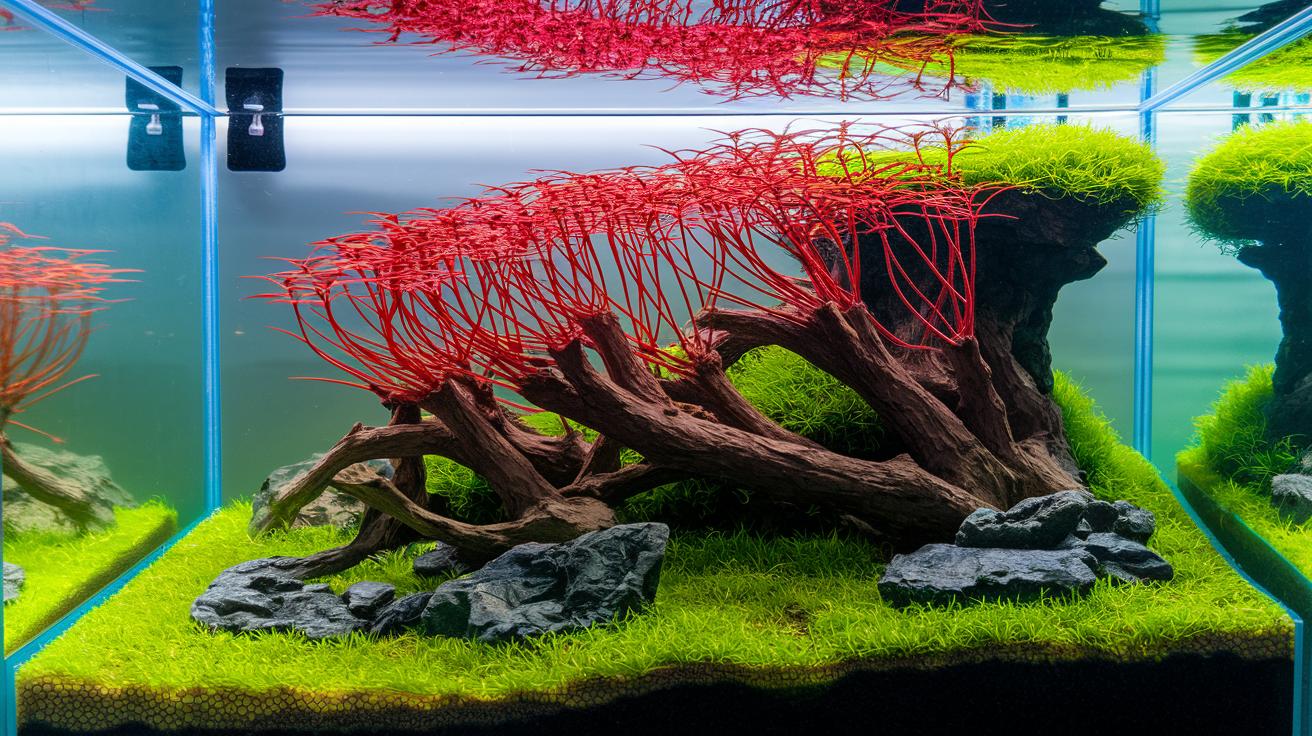
Color choices for your tank are a bit like the notes in your favorite song, each adding its own special sound to a beautiful underwater melody. When you pair colors that are opposite each other on the color wheel, you create a striking contrast. For example, imagine red stem plants set against a green moss background. They balance each other so that every part of your aquascape pops without feeling too busy.
With analogous colors, you blend shades that live side by side on the wheel. Think of blue-green Vallisneria gradually shifting into emerald Cryptocoryne. It feels naturally smooth, much like watching the gentle flow of water over smooth pebbles. This approach makes your tank feel calm and connected.
If you’re looking for something a bit more playful, a triadic color scheme might be just the ticket. This style uses three colors that form a neat triangle on the color wheel. Picture yellow Echinodorus paired with red Ludwigia and blue Hydrocotyle. It creates a fun, balanced look where each color gets its moment to shine while still keeping the whole design together.
- Complementary: Red stem plants + green background moss
- Analogous: Blue-green Vallisneria + emerald Cryptocoryne
- Triadic: Yellow Echinodorus + red Ludwigia + blue Hydrocotyle
Optimizing Lighting and Color Interaction in Aquascapes
Lighting in your aquarium does more than simply let you see inside, it sets the stage for every color in your tank to shine. Think of it like the gentle ripple of water over smooth pebbles; the light’s spectrum and strength bring out the true beauty in your plants and substrate. When you move your lights around, you're really changing the story your tank tells. For example, raising a light can deepen shadows and create a stunning contrast that draws attention to your favorite features.
Imagine you have two different setups. One uses LED lights that shine warm, focused beams, making reds and yellows burst with life, much like a sunset over a calm lake. The other setup relies on full-spectrum lights that spread evenly, perfect for showing off cool blues and greens as if you were peering into a clear mountain stream. Each system shows off a different mix of soft and strong light, letting you bring out the best in every color.
It really pays off to experiment with how your light falls on your tank. Soft, diffused light can mellow bold colors, while a steady, direct beam makes the tiniest details pop. Next time you're arranging your aquarium, try shifting the placement or tweaking the intensity of your lights. You might be surprised at how the blend of light and color can transform your tank into an enchanting, little underwater world. For more tips on lighting and color magic, check out the full guide at https://sweetfysh.com?p=1985.
Composition Techniques: Golden Ratio and Focal Points in Aquascaping Color Theory
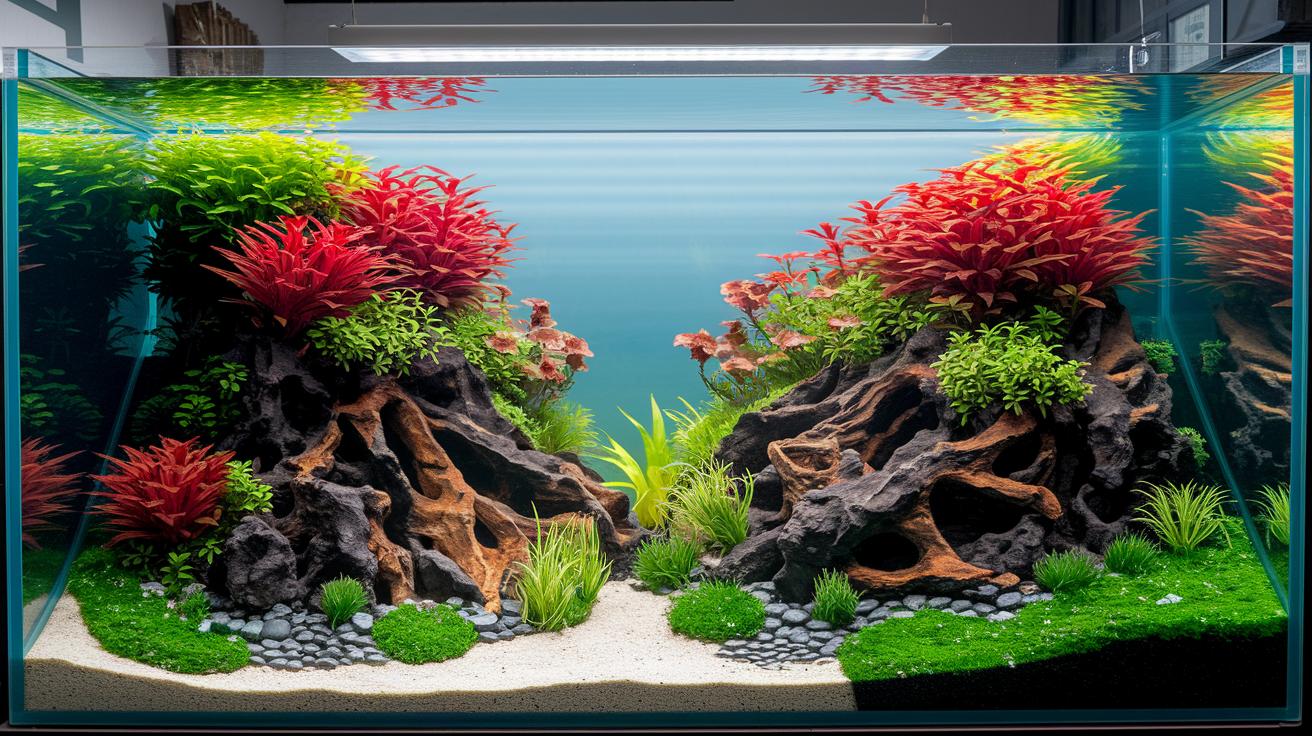
When you set up your aquascape, using the golden ratio can bring a natural harmony to your tank. Think of it like this: by applying a 0.618 ratio along both the front and side panels, you can pinpoint special spots in your tank. It’s much like drawing gentle lines on your glass that guide the eye to your favorite features. For instance, placing a standout plant or an eye-catching rock formation at these spots makes everything feel perfectly arranged, almost like putting that treasured ornament right at the center of your living room.
It’s easy to see this in action if you compare two pictures side by side. One image shows the whole layout with soft color shifts, while the other zooms in on the exact spots where accents, maybe a warm red or a cool blue, make the design truly pop. These key spots act like anchors that let every part of your tank, from the substrate to each leaf, shine in its own way.
| Pane | Coordinates (%) | Recommended Hue Emphasis |
|---|---|---|
| Front | 38.2% from left | Warm red/yellow accent |
| Front | 61.8% from left | Cool blue/green splash |
| Side | 38.2% from right | Subtle violet undertones |
| Side | 61.8% from right | Bright green highlights |
Experimenting with these placements can really transform your tank into a balanced and enchanting underwater scene.
Creating Depth with Color: Underwater Perspective Techniques
Think of your aquarium as a living canvas where colors weave together like gentle ripples on a clear pond. By using warm hues at the front and cooler tones in the back, you can trick the eye into seeing a deeper, more inviting space, no complicated art tricks needed.
Start by choosing warm colors like bright oranges or rich reds for the objects closest to you. These hues pull your eye forward, much like watching the shimmering surface of the water on a sunny day. Then, ease into a soft, neutral shade in the middle that helps connect the vivid front with a calm background, this part is like the quiet middle zone of a serene stream. Finally, opt for cool colors such as soft blues or gentle greens for the background. This contrast makes everything feel natural and makes your aquarium’s colors truly stand out.
Follow these three easy steps:
- Step 1: Put warm colors up front.
- Step 2: Use a gentle neutral tone in the middle.
- Step 3: Set cool, distant shades in the back.
With these simple tips, your tank transforms into a vibrant underwater scene, where every color flows naturally like water over smooth stones. Enjoy setting up your beautiful underwater world!
Plant and Fauna Palette Selection for Impactful Aquascaping Color Theory
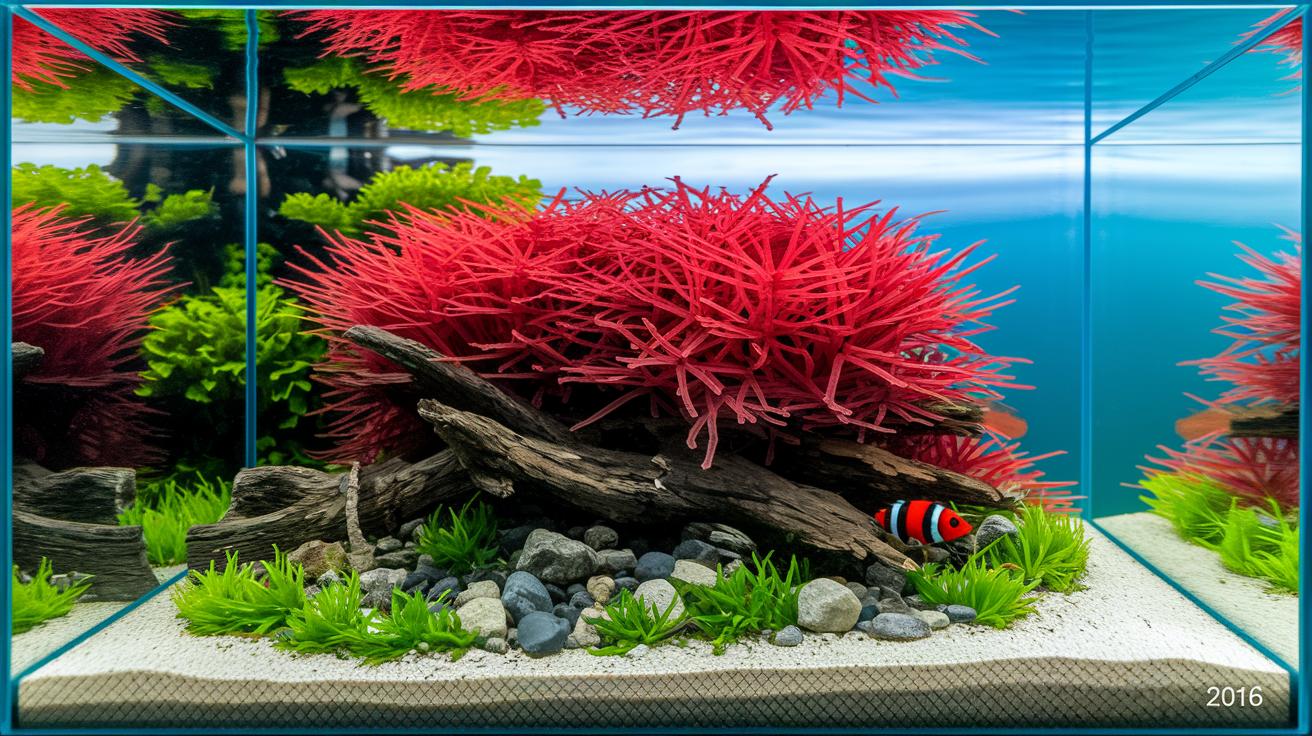
Every green plant in your tank sets the stage for a lively underwater show. They form a natural backdrop that lets each color pop, much like the gentle ripple of water on smooth pebbles. With a thoughtful mix of plants, you create not only beauty but also a unique mood where each species brings its own splash of color that ties the whole setup together.
Imagine mixing Red Alternanthera with Ember Tetra. The blend of red and orange creates an energetic focal point that feels both fun and eye-catching. Next, cool shades like Blue Rotala with Cardinal Tetra build a scene that is bold yet well-balanced. Then there’s Yellow Cryptocoryne paired with Glowlight Danio, a playful duo that lights up your tank. For those looking for a bolder look, Purple Hygrophila alongside Rummy Nose Tetra forms a dramatic but harmonious combo. And finally, Orange Bacopa with Cherry Barb offers a twist that reminds you of a brilliant sunset.
| Plant | Fish |
|---|---|
| Red Alternanthera | Ember Tetra |
| Blue Rotala | Cardinal Tetra |
| Yellow Cryptocoryne | Glowlight Danio |
| Purple Hygrophila | Rummy Nose Tetra |
| Orange Bacopa | Cherry Barb |
Layering your plants and fish in this way creates smooth color transitions that guide your eyes around the tank. It’s like watching a living masterpiece that evolves with every ripple. Don’t you love how a well-planned aquascape transforms your aquarium into a calming, underwater adventure?
Final Words
In the action, we explored key color principles and practical tips that bring life to your underwater setup. We touched on mixing hues, using light to boost color, structuring visual balance, and pairing plants with fish. The advice blends art and practical care, making your tank a charming and balanced retreat. Applying aquascaping color theory can help you create a visually engaging and healthy aquatic space that truly reflects your passion. Enjoy watching your underwater haven flourish with every thoughtful detail.
FAQ
What is an Iwagumi aquascape?
The Iwagumi aquascape is a style that uses stones as the main focal points to create a serene, balanced underwater scene with minimalistic design elements.
How does aquascaping color theory apply to aquariums?
Aquascaping color theory guides how you pair and balance hues to set the mood, draw focus, and create a flow that makes your aquarium both vibrant and harmonious.
What are some aquascape ideas for beginners?
Aquascape ideas for beginners suggest starting with simple layouts that use a handful of plants and clear color contrasts, giving you a manageable yet attractive underwater display.
What defines a nature style aquascape?
A nature style aquascape is defined by designing an underwater display that mimics natural habitats, using organic elements such as plants, rocks, and driftwood for a lifelike feel.
What are different aquascape styles?
Aquascape styles include approaches like Iwagumi, biotope, and nature styles, each featuring distinct arrangements and color palettes that reflect various natural aquatic environments.
How can driftwood enhance aquascape ideas?
Driftwood adds warmth and texture to aquascape ideas, creating natural lines and contrasts that enhance the overall depth and visual appeal of your aquarium.
What aquascaping ideas work well for small tanks?
Aquascaping ideas for small tanks focus on simplicity with clear, bold colors and a limited number of decorative elements, which helps maintain balance and visual depth without overcrowding.
How do rocks and wood integrate in aquascape designs?
Aquascape ideas with rocks and wood incorporate these natural materials to anchor the composition, balancing hard textures with organic curves to produce a visually appealing aquatic scene.