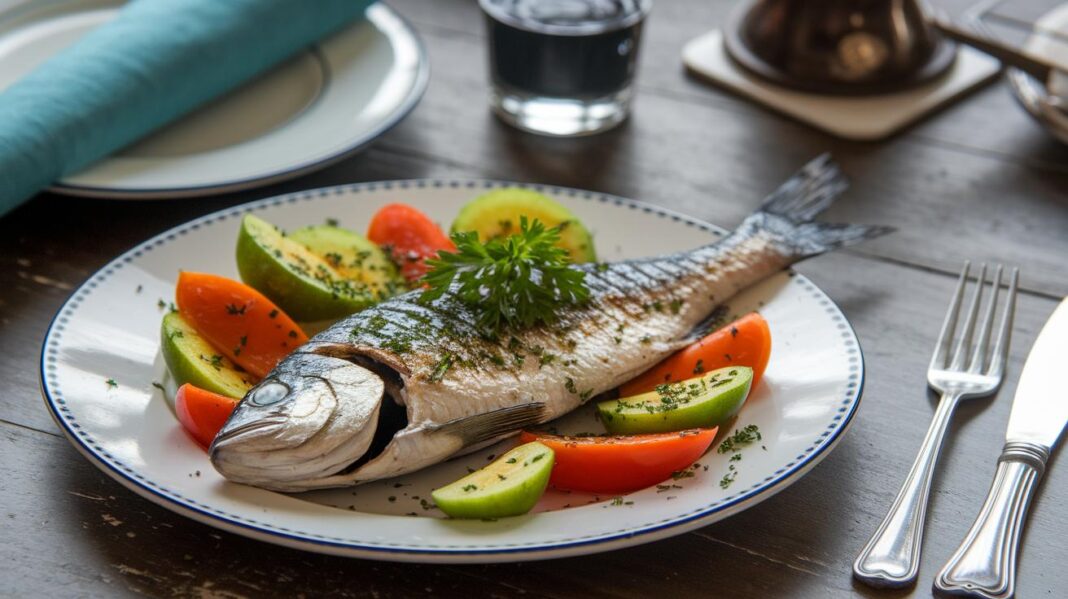

Ever wondered if a delicious plate of fish could give you a burst of energy? Think of it like a gentle current that refreshes you from the inside out. A mix of lean protein and healthy fats in seafood helps keep your heart happy and strong.
In this chat, we dive into how a balanced fish diet can pack your body with essential vitamins and minerals while keeping your energy flowing all day. Get ready to see how adding different types of fish to your meals can turn every bite into a natural boost for your day.
Crafting a Balanced Fish Diet Plan
Fish are a fantastic pick when you’re after lean protein, and they’re bursting with omega-3s like EPA and DHA that keep your heart in tip-top shape. Take Alaskan Salmon, for instance, it’s not just tasty, it’s a game changer with its rich omega-3 bounty that many fish lovers swear by.
There’s more than just protein in fish, though. They’re also full of vitamins and minerals that boost your overall health. Vitamins D and B12 help build strong bones and keep your energy up, while selenium and iodine work quietly to support every part of your body. It’s a bit like tossing in that secret spice in your favorite recipe that makes everything better. Fun fact: a 200g serving of salmon packs about 47g of protein along with plenty of omega-3 fats!
| Key Nutrient Targets |
|---|
| Lean protein |
| Essential fatty acids |
| Micronutrients |
When you’re mapping out your fish meals, try to mix things up with different kinds. Fatty fish like Alaskan Salmon and Mackerel give you an extra boost of omega-3s to help ease inflammation. Meanwhile, lean fish such as Tuna and Cod serve up high-quality protein with very little fat, and choices like Sardines and Halibut add that extra touch with minerals like calcium and vitamin D. Aim for two to three servings each week, much like sampling a diverse spread at your favorite seafood market, to keep your diet balanced and exciting.
This thoughtful approach not only helps maintain a healthy heart, but it also keeps your energy levels buoyant, ready to ride the gentle currents of your day.
Nutritional Profiles in a Balanced Fish Diet
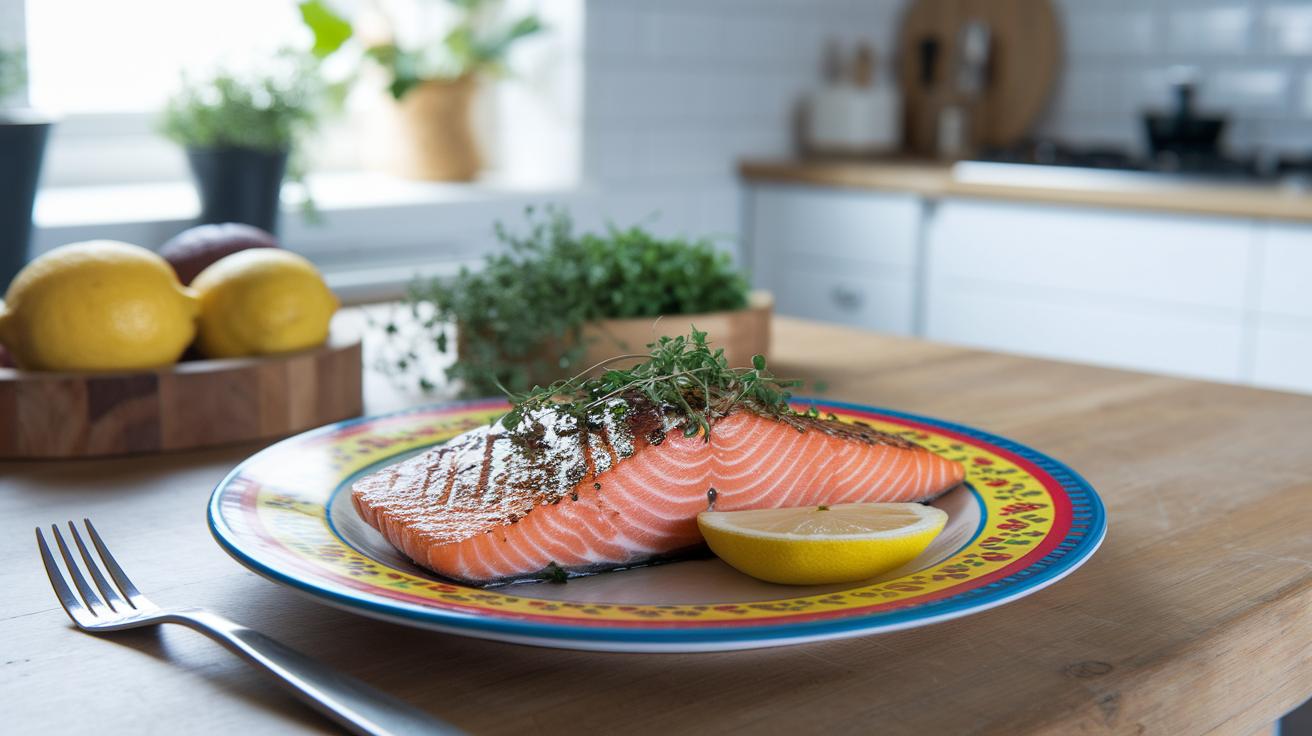
When you choose fish that pack a nutritional punch, you’re setting yourself up for energy that lasts. Each type of fish comes with its own mix of good proteins, fats that keep your heart happy, and tiny vitamins that boost your health. It’s like giving your body the perfect meal plan that tastes great too!
When you pick fish known for their omega-3s and vitamins, you’re not just enjoying a tasty plate, you’re fueling your body smartly. It reminds me of the first time I realized how much a simple meal could brighten my day. Pretty cool, right?
Below is a quick look at some of the best choices:
| Fish Species | Key Nutrients | Serving Insights |
|---|---|---|
| Salmon | Protein, EPA/DHA Omega-3 | 47g protein per 200g serving |
| Mackerel | Omega-3, Selenium | Delivers a nutrient hit and rich flavor |
| Tuna | Complete Amino Acid Profile | Lean protein that helps keep your metabolism happy |
| Trout | Vitamin D, Omega-3 | 150g covers over 100% of your daily vitamin D |
| Sardines | Calcium, B12, Iron, Zinc, Selenium | A small yet mighty nutrient boost |
| Cod | Vitamin B12, Low Fat | A classic lean option for a balanced meal |
Adding these kinds of fish to your meals gives you lean protein, heart-friendly omega-3s, and important vitamins and minerals. This balanced plate not only supports a healthy heart and steady energy but also keeps your meals fun and flavorful. Enjoy making meals that feel as refreshing as a swim in a clear, cool stream!
Portion and Frequency Guidelines for Balanced Fish Consumption
Make sure to check out the Crafting a Balanced Fish Diet Plan for detailed serving sizes and protein ideas.
Mix up your meals by rotating the types of fish you enjoy. Try pairing rich, fatty fish like salmon and mackerel with leaner choices such as cod or tuna, like enjoying a varied seafood buffet that offers both bold flavors and a good mix of nutrients.
Selecting Safe, Sustainable Seafood for a Balanced Fish Diet

When it comes to seafood, it’s important to be mindful of mercury levels. Certain fish can collect too much of this heavy metal over time. Sticking with well-known options like salmon and sardines can help lower your mercury exposure. And it never hurts to ask where your fish is from and make sure it’s caught responsibly.
Always check the packaging for clear certifications. Look for labels like MSC-certified or wild-caught markings from places like Alaska. These signs mean that the fish has been handled with care and respect for our oceans.
When you shop, try to choose seasonal and eco-friendly fish. Fish caught in their natural season often come from healthier populations and put less pressure on our marine ecosystems. Ask your local fish market about wild-caught options or look for labels that mention eco-friendly fishing methods. By making these choices, you not only enjoy a cleaner plate but also support a healthier ocean.
Preparation Techniques in a Balanced Fish Diet
When you cook fish the right way, it's like letting the clear, cool water refresh every bite. The best methods help keep lean proteins and heart-friendly goodies safe. Think about it like enjoying a swim on a warm day, where every nibble feels as nourishing as a splash in the sea.
Steaming is a real gem for holding onto nutrients. Keep your water gentle at about 180-200°F and let your salmon steam for 8 to 10 minutes. This soft heat locks in omega-3s and keeps the fish tender and light. It's a bit like capturing a smooth ocean breeze with every waft.
For those who love a little sizzle, pan-searing is a fun option. Use oils that can handle heat well, like canola or grapeseed oil. Sear your halibut for roughly 3 to 4 minutes on each side. This helps form a tasty crust without drying the fish out, sort of like creating a thin shell over a soft underwater treasure.
Baking is another great way to mix great taste with healing benefits. Before popping your fish in the oven, brush it with a little olive oil and sprinkle on herbs like thyme or rosemary. Dishes like lemon-garlic salmon or herb-crusted cod show how baking can blend flavor and good-for-you benefits, making each bite a gentle nod to the sea.
Integrating a Balanced Fish Diet into Weekly Meal Plans
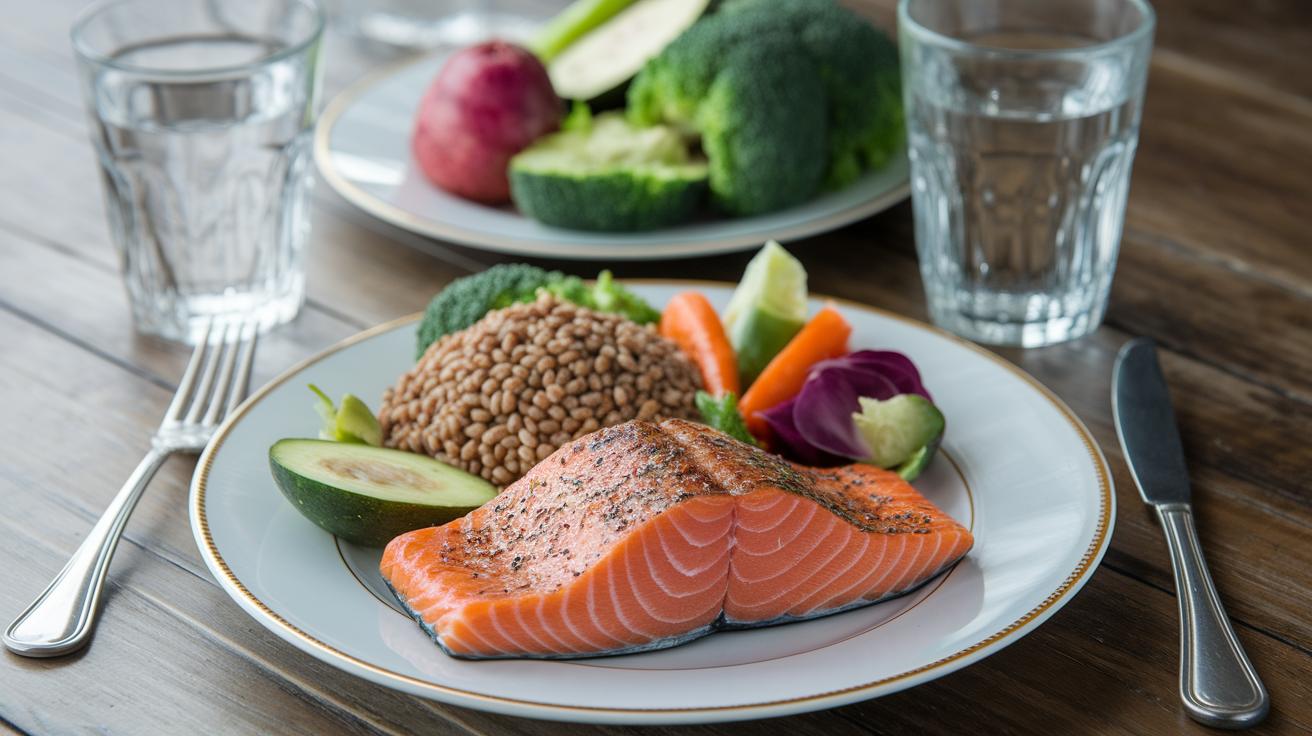
Plan your week with three to four fish meals that mix fatty and lean options. For instance, try having salmon or mackerel on one day for a boost of omega-3s, and switch to lean fish like cod or tuna on another day to keep your protein balanced. This change is like exploring a busy coral reef where every twist brings a new taste and a dose of good nutrients.
Pair your fish with simple, fiber-rich sides like whole grains and a bright mix of vegetables. This helps your tummy digest better and lets your body soak up nutrients, much like how soft water blends with cool, crunchy pebbles in a quiet stream.
Keep a little food journal to note what you ate, how much you liked it, and any tweaks you try out along the way. It’s a small step that makes sure your meals keep flowing as smoothly as water in your favorite aquarium.
Final Words
In the action, we covered how a smart fish diet plan can serve as the backbone of aquatic well-being. We touched on the magic of seafood as a lean protein source, mindful portions, nutrient-packed selections, safe sourcing, and cooking methods that keep flavors fresh and benefits intact.
All these tips come together to help you adopt a balanced fish diet for optimal health, leaving you excited about every meal and every ripple in your aquatic space.
FAQ
What fish should I avoid eating?
The idea behind avoiding certain fish is that some species can have higher mercury and pollutant levels. Research shows that large predatory fish, often found in the “never eat” lists, might carry these contaminants.
What are the best fish to eat for a healthy diet?
The best fish for health offer lean protein, omega-3 fats, and key vitamins. Popular choices include salmon, mackerel, tuna, sardines, cod, and halibut, which help support heart and brain health.
How often should I eat fish for optimal omega-3 intake and overall health?
Regular consumption of fish 2–3 times a week provides enough omega-3s and nutrients. Eating more frequently could increase exposure to toxins, so balancing your meals is wise.
What are the side effects of eating fish every day?
Eating fish every day can lead to an excess intake of pollutants like mercury. This may unbalance your nutrient intake and could potentially impact overall health.
What does a balanced fish diet look like?
A balanced fish diet mixes lean protein, essential omega-3s, and micronutrients from a variety of fish. It incorporates well-planned servings with other nutrient-rich foods to round out the meal.