

Have you ever thought that a bit of green might change your tank’s whole feel? Aquarium plants offer more than just a pretty view. They give your fish a cozy nook to hide in and help keep the water nice and clean.
In this post, we’ll chat about how adding natural greens can light up your tank, kind of like a dash of color turning a plain picture into something special. Get ready for some simple tips to create a calm, lively underwater world that you and your fish will truly enjoy.
Aquarium Plants Fundamentals: Selection, Care, and Maintenance
Natural aquarium plants are more than just decorations; they set the stage for a lively underwater home for your fish. These plants work like a natural pond, offering shade and a snug spot for your aquatic buddies. One passionate aquarist once said, "Putting live plants in my tank changed it into a bustling underwater garden."
A thriving planted tank needs just the right water conditions. Aim for a pH between 6.5 and 7.8, water hardness of 50 to 100 ppm, and alkalinity of 3 to 8 dKH (that’s about 54 to 140 ppm). Also, try to keep nitrates below 10 ppm and phosphates under 0.5 ppm, with a water temperature that stays between 74 and 80°F. Think of these numbers like a recipe for a tasty meal, each part must be balanced to create a perfect aquatic setting.
A steady maintenance routine is key to a healthy tank. Stick with a schedule like changing around 10% of the water each week or 25% every two weeks. This small effort clears out waste and keeps fresh nutrients flowing for your living plants. One fish lover mentioned, "I swap just a bit of my tank's water weekly, and the bright hues of my plants fill me with joy every day."
Choosing the right plants and keeping the water clean lets you enjoy simple, delightful aquatic gardening, making a cozy home for you and your fish.
Aquarium Plants Lighting Needs: Ensuring Healthy Growth
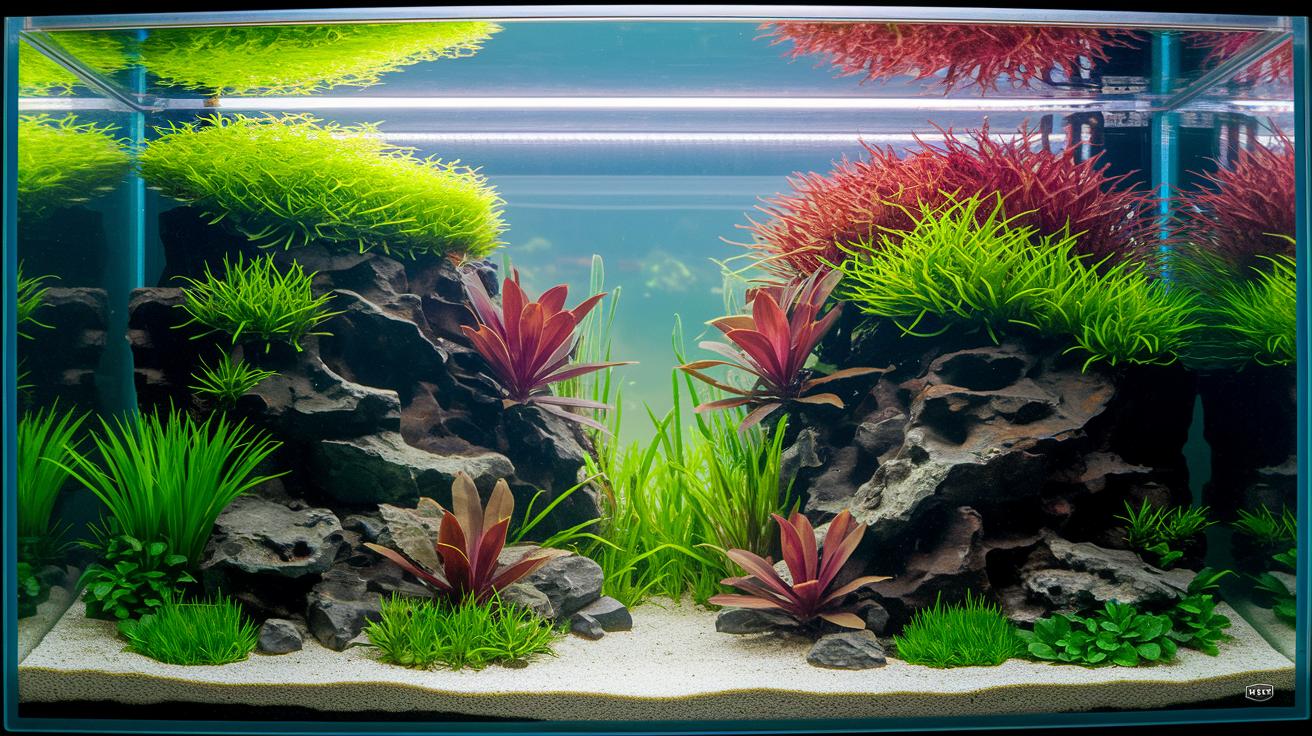
Light is as essential to your aquarium plants as sunshine is to a garden. By using full-spectrum lighting between 6,500 and 8,000 K, you help your aquatic friends perform photosynthesis. This process is like turning food into energy for us, giving the plants the boost they need to thrive.
Here’s a fun fact: just like Marie Curie once unknowingly carried radioactive test tubes in her pockets, a smart light choice can completely change the look of your tank. A little extra brightness goes a long way in turning a simple aquarium into a lively underwater world.
Many fish lovers choose high-output T5 fluorescent or LED fixtures for their tanks. These lights not only feed your plants the energy they need but also bring out the beauty in low-light greenery. If your tank is tall or has plants that crave more light, adding extra fixtures ensures every leaf gets its share of glow.
It’s also good to consider PAR ratings, which tell you how much of the light is actually useful for your plants. Match the light output with your tank’s size and the mix of species you have, and you'll see your underwater garden come truly alive.
Substrate and Nutrient Management for Aquarium Plants
Choosing the right substrate is a big deal if you want your aquarium plants to thrive. A layer of fine to medium gravel or coarse sand, about 2 to 3 inches deep, gives your plants a comfy bed while turning your tank into a charming little landscape with terraces, gentle hills, and peaceful valleys. Fun fact: even a small tweak in your substrate can completely change the look of your aquarium, just like rearranging furniture in your living room!
When laying down your substrate, avoid ultra-fine sand or gravel that’s too rough. These types can limit the natural spread of the roots and hold back growth. Picking a smart substrate not only boosts the tank's appearance but also gives your underwater greenery the space it needs to develop a healthy root system.
Aquarium plants absorb a lot of nitrogen from fish waste, which helps with their growth. To give them an extra push, try adding a liquid fertilizer that delivers potassium, iron, magnesium, and manganese. These nutrients brighten their colors and make them pop, turning your aquarium into a lively, beautiful display. One aquarist even mentioned, "When I started using a balanced fertilizer, my plants responded with richer hues and fuller growth!"
Most aquarium plants do fine without extra CO₂, though adding some can help them grow larger and show off more color during the day. It isn’t a must, but many fish enthusiasts see noticeable benefits when they add CO₂ to their tanks. Keeping these easy tips in mind can make your underwater garden flourish and feel as natural as a gentle current.
Popular Aquarium Plant Species and Their Attributes

Aquarium plants can transform your tank into a lively underwater garden. They add beautiful touches like varied textures and natural colors that make your tank feel alive. When picking plants, think about the light they need, how tall they might grow, and how simple they are to take care of. It’s like designing a small, balanced ecosystem where every plant has its special role. I once heard a friend say that choosing the perfect plants turned his tank into a living work of art.
Java Fern is a top pick for many beginners. It loves low to moderate light and stays at a modest height, making it friendly for first-timers. Another gem is Anubias barteri, which also does well in low light and grows slowly, adding a timeless charm to your setup. If you’re looking for a bolder statement, try the Amazon Sword; it needs moderate light and grows tall, serving as a stunning centerpiece in your aquatic display.
For those wanting versatile plants, Cryptocoryne wendtii adapts well to different conditions and remains compact. Vallisneria spiralis, with its fast growth and sweeping, tall leaves, helps create a sense of depth in your tank. And then there’s Hornwort, which requires high light. It can float or be planted, giving you the freedom to design your underwater scene just the way you like it.
| Species | Light Level | Max Height | Care Level |
|---|---|---|---|
| Java Fern (Microsorum pteropus) | Low–Moderate | 6–10 in. | Easy |
| Anubias barteri | Low | 4–12 in. | Slow Growth |
| Amazon Sword (Echinodorus amazonicus) | Moderate | Up to 20 in. | Moderate |
| Cryptocoryne wendtii | Low–Moderate | 4–8 in. | Adaptable |
| Vallisneria spiralis | Moderate–High | 12–18 in. | Fast Grower |
| Hornwort (Ceratophyllum demersum) | High | Up to 24 in. | Floating/Rooted |
Aquarium Plants Aquascaping Techniques: Designing Underwater Landscapes
Imagine your aquarium as a blank canvas where every ripple matters. Start by shaping the gravel like gentle hills and soft valleys, much like creating little terraces that add depth. You can pile up some of the substrate on one side and let it cascade smoothly into a lower area, giving your fish plenty of space to explore.
Next, think of grouping your plants like putting together a team. Place the shorter ones in the front, medium-sized plants in the middle, and the taller ones at the back. This layering technique creates a lively scene that feels as natural as a riverbank. Ever notice how one well-arranged plant can make the others shine? One tank even transformed into a beautiful, living painting by simply sorting its plants by height and texture.
It’s also important to leave plenty of open water. This gives your fish room to wander and keeps the layout feeling uncluttered. Try placing a special focal plant off to one side. This rule of thirds helps the eye move around the aquarium, enjoying different parts of your underwater garden.
| Design Tip | Description |
|---|---|
| Substrate Shapes | Create hills, valleys, and terraces with your substrate. |
| Plant Grouping | Place plants in foreground, midground, and background layers. |
| Open Space | Keep open areas for swimming and position focal plants off-center. |
With these simple tips, your aquarium will not only look balanced and inviting but also feel like a beautifully composed underwater landscape. Enjoy the process, and let the soothing flow of water inspire every step of your design journey.
Aquarium Plants Maintenance: Water Parameters, Pruning, and Troubleshooting
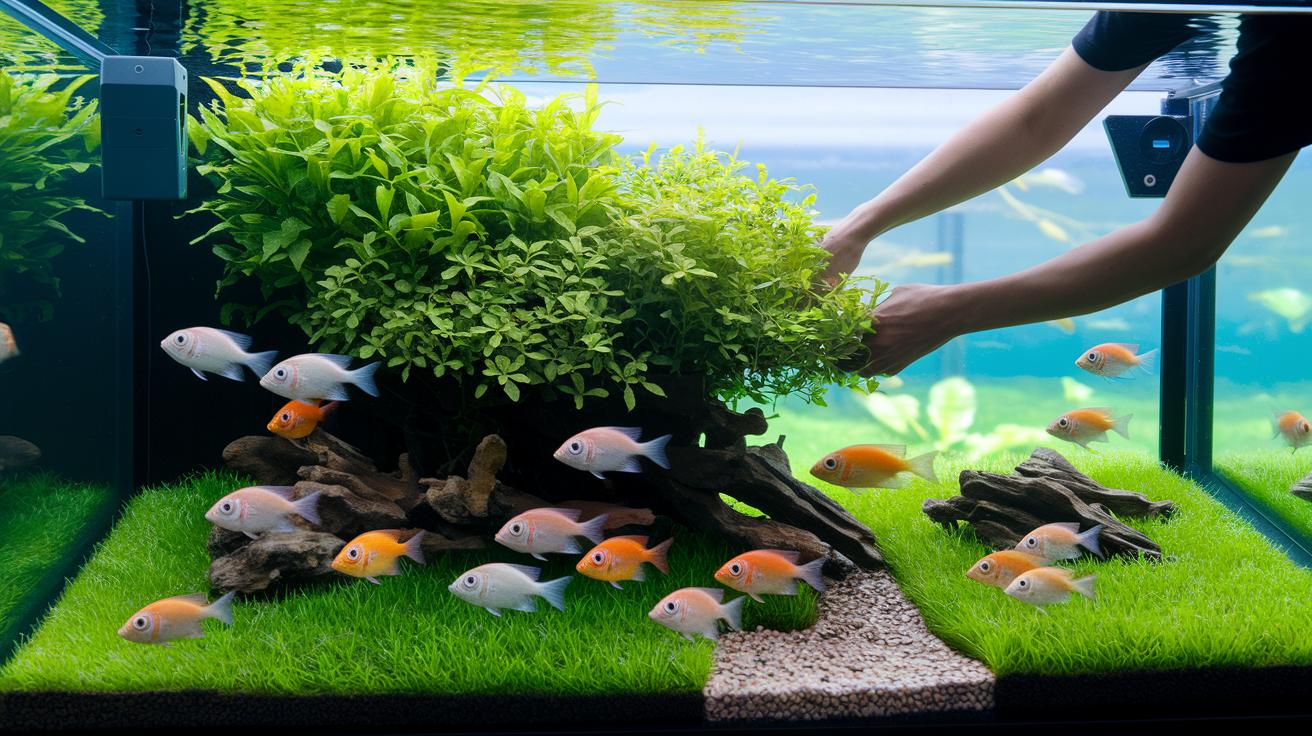
Taking care of your tank is like a daily celebration for you and your finned friends. A little care each day can turn routine work into a moment of joy. Start with a simple water-change routine: try swapping out about 10% of the water every week, or about 25% every two weeks. This steady refresh helps keep the water balanced so your plants can thrive.
Pruning is like giving your plants a gentle trim, a little haircut that keeps them happy. Snip away yellow or wilting leaves and trim back any runners that start to take over. These tiny touches help keep the entire underwater scene balanced and full of life.
Here are some common issues you might notice and a few easy fixes:
- Too much algae: Cut back on light or lower nutrient levels a bit to keep algae under control.
- Yellowing leaves: This might mean there isn’t enough iron or nitrogen. Adjust your fertilizer to boost these nutrients.
- Holes in the leaves: Check your potassium levels and add a little supplement if needed.
- Overgrown runners: A regular trim not only tidies up the look but also encourages your plants to grow healthier.
- Cloudy water: Make sure your weekly water changes are on track and test your water parameters to keep any buildup at bay.
Regular maintenance like this keeps your planted tank sparkling and your fish swimming happily, turning routine care into a peaceful, rewarding dive into your underwater world.
Final Words
In the action, this guide covered everything from selecting aquarium plants and setting up proper lighting to choosing substrates and mastering creative aquascaping. We looked at how simple aquatic gardening techniques can boost plant health and tank beauty.
It also shared maintenance tips, like proper water routines and smart pruning practices to keep your aquatic world thriving. Keeping your tank balanced and vibrant makes every moment with your fish a treat. Enjoy building your underwater haven with these tried-and-true ideas and see your aquatic paradise flourish.
FAQ
What plant is best for a fish tank?
The question about the best plant for a fish tank points to species that suit your tank’s lighting and water needs. Java Fern and Anubias are popular choices, offering low-maintenance growth for many freshwater setups.
What are some popular aquarium plant names for beginners?
The question on popular names reveals familiar species like Java Fern, Amazon Sword, and Cryptocoryne. These choices not only enhance tank beauty but also create a healthy environment for your fish.
Where can I purchase aquarium plants?
The question on where to buy aquarium plants suggests checking local pet stores, specialty aquatic shops, or online retailers. These sources typically offer a variety of live aquatic flora for your tank.
Are fake aquarium plants a good alternative?
The question about fake aquarium plants indicates that while they add visual appeal and never need care, they do not provide the natural water quality benefits that live plants bring to a tank.
Do you take aquarium plants out of their pots during maintenance?
The question on removing aquarium plants from their pots means that plants are usually kept in their pots to ease transplantation. However, gentle removal might be needed for pruning or rearranging your aquascape.
Do aquarium plants eat fish waste?
The question on whether aquarium plants eat fish waste shows that plants absorb nutrients like nitrates from fish waste. They use these nutrients as a natural fertilizer rather than literally “eating” the waste.
What do aquarium plants need to survive?
The question on what aquarium plants need to survive highlights that proper lighting, nutrient-rich substrate, balanced water chemistry, and regular maintenance are essential for healthy growth and vibrant underwater life.