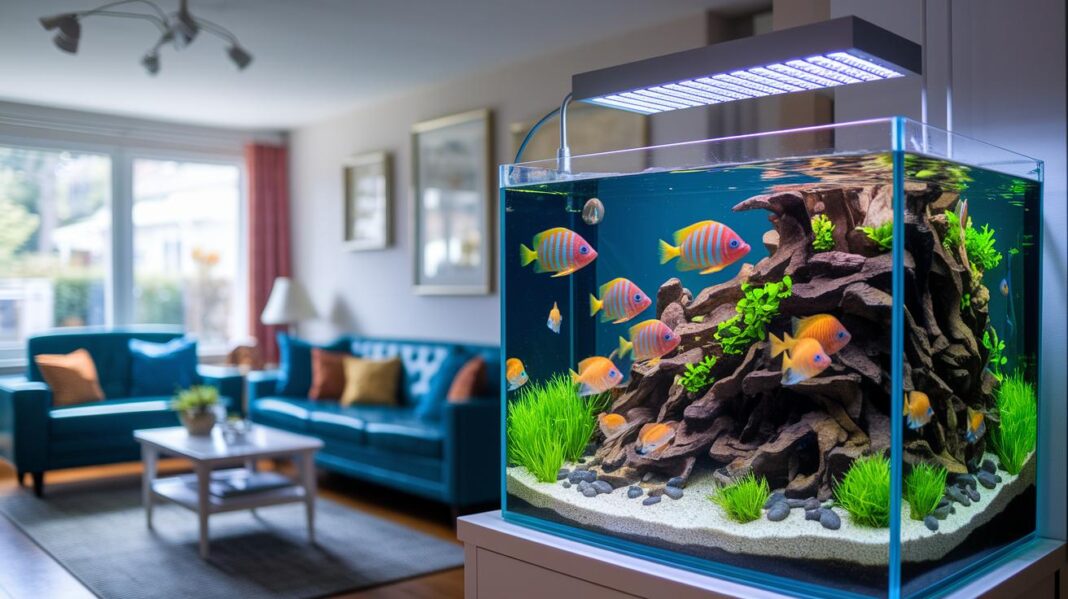

Ever wonder if your freshwater tank filter is really keeping your water as clear as it should be? A good filter is like a trusted buddy, it works hard to clear the water so your fish can enjoy a comfy, stress-free home.
Some filters gently sweep away tiny bits of debris, much like a soft current washing over pebbles, while others use several layers to catch every last drop of unwanted stuff. Even a few stray particles can stress your fish, just like a disturbance in a calm pond, so it's important to pick a filter that matches the size of your tank and meets your fish’s needs.
In this friendly chat, we'll explore some top choices that not only win over hearts but also turn your aquarium into a peaceful underwater retreat.
Top Freshwater Filtration Systems for Your Aquarium
Keeping your aquarium's water crystal clear is much like ensuring a cozy, safe home for your fish. It all comes down to combining a few simple methods: physically straining out debris, letting friendly bacteria break down waste, and sometimes using a chemical boost. Even the tiniest particles can cloud the water and stress your fish, so it’s important to match your filter’s flow with both the tank size and the number of fish.
There are lots of filter styles to choose from. Hang-on-back filters sit on the tank’s edge and use a little propeller to pull water through materials that trap dirt. They’re great for small tanks or setups where space is limited. Canister filters, which sit outside your aquarium, use several layers of cleaning media to keep water pristine, making them ideal for larger setups. Sponge filters, driven by air pumps that draw water gently through foam, are perfect when you need a soft flow, like in breeding tanks. Fluidized bed filters, known for their strong natural cleaning power, work wonders too. There are also internal filters and under-gravel systems that serve special needs for unique tanks.
| Model | Filter Type | Tank Size (gal) | Flow Rate (GPH) | Price |
|---|---|---|---|---|
| AquaClear 50 | HOB | 20 | 200 | $50 |
| Fluval FX6 | Canister | 55 | 750 | $350 |
| Marineland Magnum 350 | HOB | 75 | 350 | $120 |
| Ziss Moving Bed | Fluidized Bed | 50 | 400 | $180 |
| Eheim Classic 2213 | Internal | 30 | 79 | $70 |
When picking the right filter, consider your tank’s size, how many fish call it home, and your budget. For smaller tanks or tight spaces, a hang-on-back filter might do the trick. If you prefer a discreet setup that offers a powerful flow, canister filters are a solid choice. Also, think about how often you want to clean and whether you need a quieter system. Matching these details will help you choose a filter that perfectly fits your aquatic world.
Choosing a Freshwater Tank Filter: Key Performance Factors
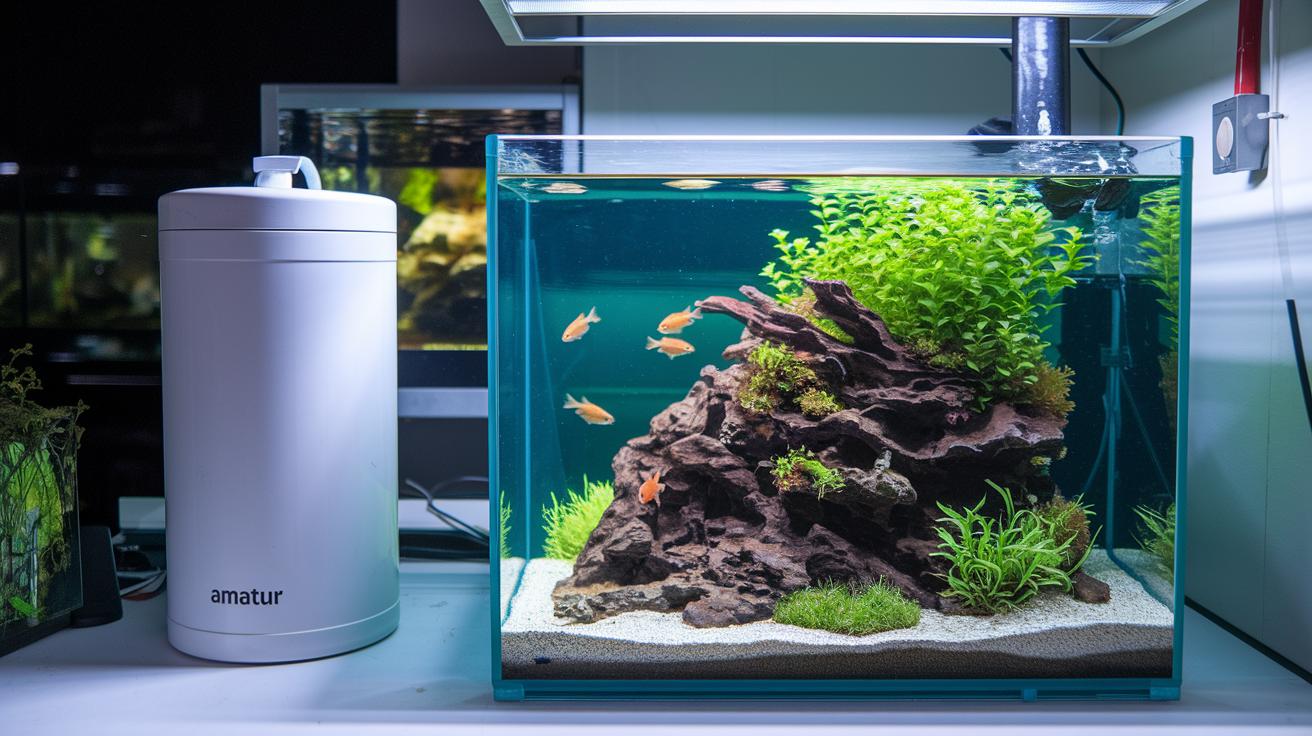
When picking a filter, start by checking if it can move your tank's water four to five times every hour. For a 50-gallon tank, that means it should process about 200 to 250 gallons per hour. This helps clear out debris and supports the friendly bacteria that keep your water balanced.
Different filter materials work together like a well-coordinated school of fish. Mechanical media catch the big bits you can see, while biological media give a cozy home to bacteria that break down waste. Chemical media help cut down on toxins and extra nutrients. Together, they keep your water sparkling and safe for both your fish and plants.
Also, think about energy use and noise level. A filter that sips power and runs quietly is like a gentle ripple on a calm pond. It helps lower your bills and creates a peaceful home for your aquatic friends. Plus, a simple setup means you spend less time fussing over it and more time enjoying your aquarium.
Finally, balance cost with what you need. Filters come at different prices and with various features. Some have cool extras but need more upkeep, while others are basic and budget-friendly. Consider your tank’s size, the space you have, and how much time you want to spend on maintenance before making your choice.
Best Canister Filters for Freshwater Tanks Reviewed
Canister filters act like quiet backstage helpers, tucked outside your tank to keep your water sparkling clean. They work with an internal impeller, a little tool that pulls water from your tank and pushes it through layers of cleaning media. First, the water goes through a mechanical stage that catches big bits, then a biological stage where tiny life forms break down waste, and finally a chemical stage that polishes the water. Imagine a busy team behind the scenes making sure your fish always have clear water to swim in.
They might cost a bit more at first, but you get top-notch performance for your aquatic haven. These filters cleverly hide most of the equipment away so your aquascape stays neat and pretty. The design provides strong water flow and gives you a chance to swap in different types of cleaning media. Just be sure to give it a little extra attention now and then to keep all its parts working smoothly.
- Powerful water flow
- Customizable cleaning options
- Tubing kept out of sight
- Higher up-front cost
- Needs regular maintenance
- Takes up some extra space
Ideal for larger tanks where keeping a clean look and high performance is key, canister filters truly impress with their smart design and reliable cleaning power.
Hang-On-Back vs. Sponge Filters: Quiet Freshwater Filter Models
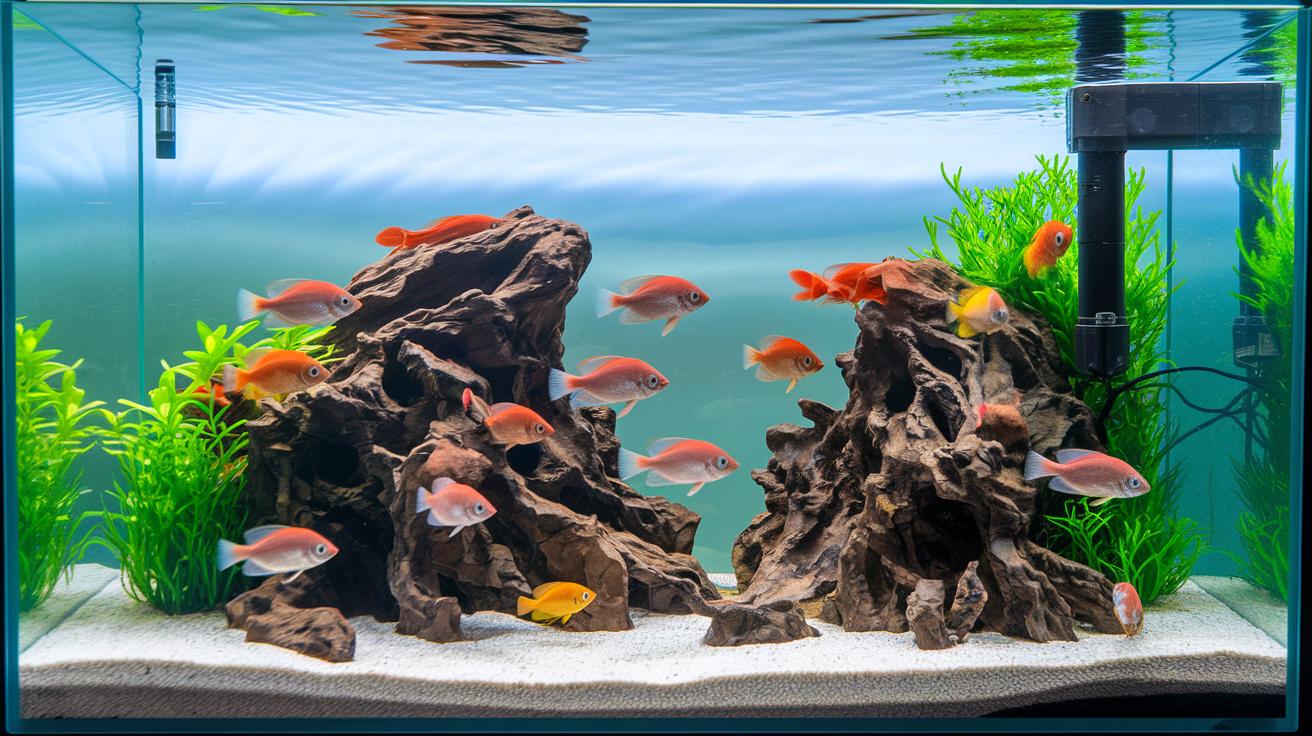
Hang-on-back filters work almost silently thanks to their tiny micro-impellers that run with a gentle hum. They let you tweak the water flow easily, so whether your tank is small or medium-sized, you can create a soothing, steady current that helps your fish feel right at home.
Sponge filters, on the other hand, use an air pump to push water through a foam block. This setup is excellent for tanks with delicate or young fish since it delivers a soft, consistent flow without much noise. They’re also super easy to look after, making them a favorite for breeding tanks where a calm environment is key.
For most everyday setups, go with hang-on-back filters when you like to adjust the water flow. But if you’re caring for sensitive fish or rearing fry, sponge filters might be the way to go.
Filter Media and Maintenance Tips for Freshwater Tank Health
Filter media work together like a team to keep your freshwater tank sparkling clear. There are three main kinds. Mechanical media, like foam pads and filter floss, catch large bits that make your water look cloudy. Biological media, such as ceramic rings and bio balls, give a home to friendly bacteria that help break down waste. Chemical media, think activated carbon and phosphate removers, tackle unwanted toxins, keeping the water safe for your fish.
For mechanical media, give your foam pads and filter floss a good rinse about once a month. This simple step keeps the filter working well, much like how you might clean a coffee filter before making your next brew. It helps prevent clogs and keeps the water flowing smoothly, much to the delight of your aquatic pals.
When it comes to chemical media, it’s best to swap them out every four to six weeks. Changing these pieces often stops old toxins from hanging around in the water. It’s a bit like replacing a car’s filter to keep everything running smoothly without a build-up of grime.
Biological media need a gentler touch. Clean or backwash them only once a year so the good bacteria can keep doing their job. When you treat these media carefully, you help your tank’s natural cycle stay in balance, ensuring a healthy environment for your fish.
Lastly, doing regular flow checks and replacing media in stages can help prevent a sudden drop in those beneficial bacteria. Check your flow rates once a month, inspect impellers, and make sure seals aren’t leaking. These little steps all add up to keeping your filter running like a well-oiled machine for many years to come.
Recommended Filters by Tank Size: From 20 to 75 Gallons
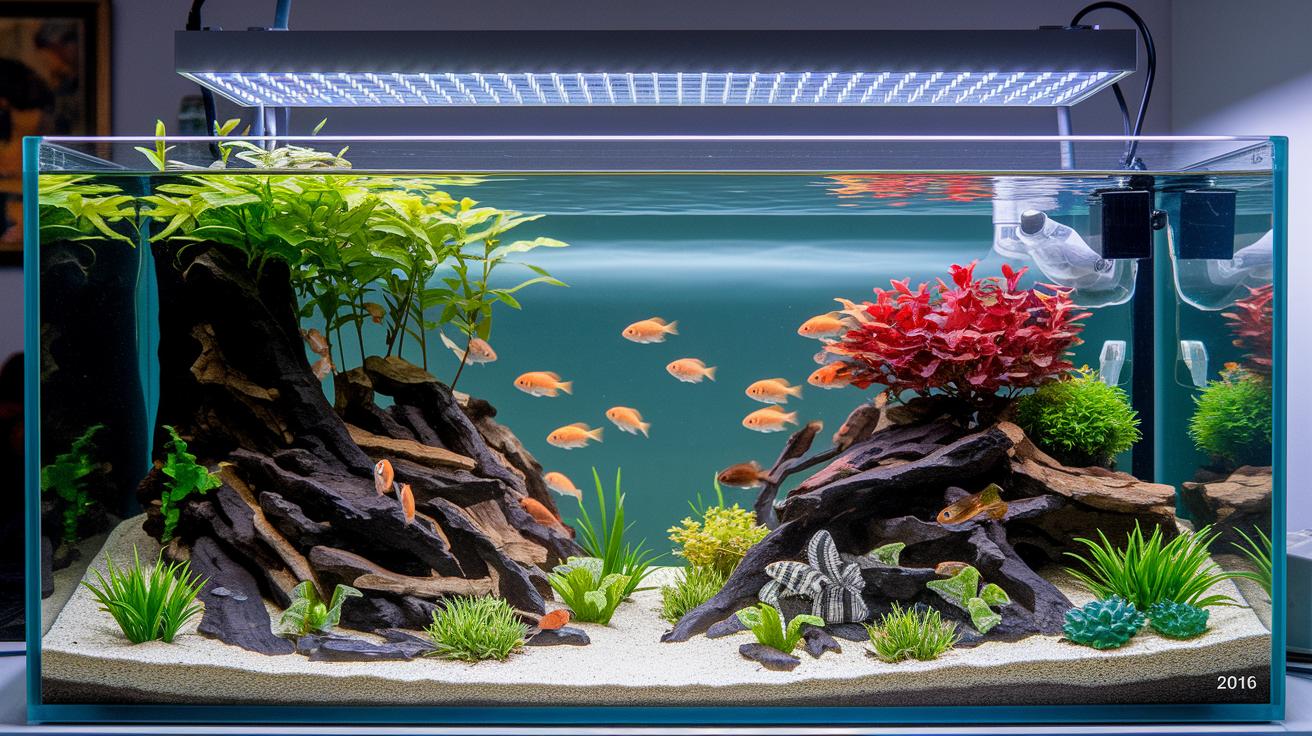
When picking a filter, it's all about knowing your tank size and choosing one that moves water at about 4 to 5 times your tank's volume. Think of a 20-gallon tank as a small, calm stream where a gentle flow clears debris without disturbing the peaceful water.
For a 20-gallon setup, filters like the AquaClear 50 HOB, which moves around 200 GPH, or the Fluval 107 canister, offering 130 GPH, work perfectly to keep things balanced. In a 55-gallon home, the Fluval FX4 canister, handling about 925 GPH, or the Eheim Classic 2213, flowing at 79 GPH, gently meets the tank's needs. And for those with a larger 75-gallon aquarium, you have choices like the Marineland Magnum 350 HOB at 350 GPH, or the Penn-Plax Cascade 1000 canister with a rate of 265 GPH, each option blending performance and value nicely.
Remember, matching your filter's GPH to your tank's size helps create a smooth, natural flow that keeps the water clear and your aquatic buddies happy.
Final Words
In the action, the post showed how a clear mix of mechanical, biological, and chemical methods keeps your tank safe. We explored several filter types, from canister units to quiet hang-on-back and sponge filters, and discussed matching flow rates to tank volume while balancing cost and upkeep.
This insight can guide you to choose the best aquarium filters for freshwater tanks that not only clean the water but also create a serene aquatic habitat. Enjoy creating your underwater world!
FAQ
What are the best aquarium filters for various tank sizes, such as large, 50-gallon, and small tanks?
The best aquarium filters meet your tank’s volume needs. For large or 50-gallon tanks, canister or hang-on-back filters work well, while compact systems or filter cartridges suit small tanks perfectly.
What do aquarium filter recommendations on Reddit and Amazon suggest?
Aquarium filter suggestions on Reddit and Amazon typically focus on trusted models that balance flow, quiet performance, and easy upkeep, ensuring healthy and clear water for freshwater tanks.
How do I keep my fish tank water crystal clear?
Keeping your fish tank crystal clear means using a filter that blends mechanical, biological, and chemical media, paired with a regular cleaning routine to remove debris and maintain water quality.
What are the advantages and disadvantages of canister filters for a fish tank?
Canister filters use multi-stage filtration to keep water clean and clear, though they come with a higher cost and more complex maintenance compared to simpler systems.
What type of aquarium filter is most effective?
The most effective filters blend mechanical, biological, and chemical processes. Models like canister, hang-on-back, and sponge filters all work well when chosen based on your tank’s size and fish load.
Which fish tank filter is the easiest to maintain?
Filters that are easiest to maintain, such as many hang-on-back models, feature accessible components for quick media changes and cleaning, making routine upkeep simple and straightforward.