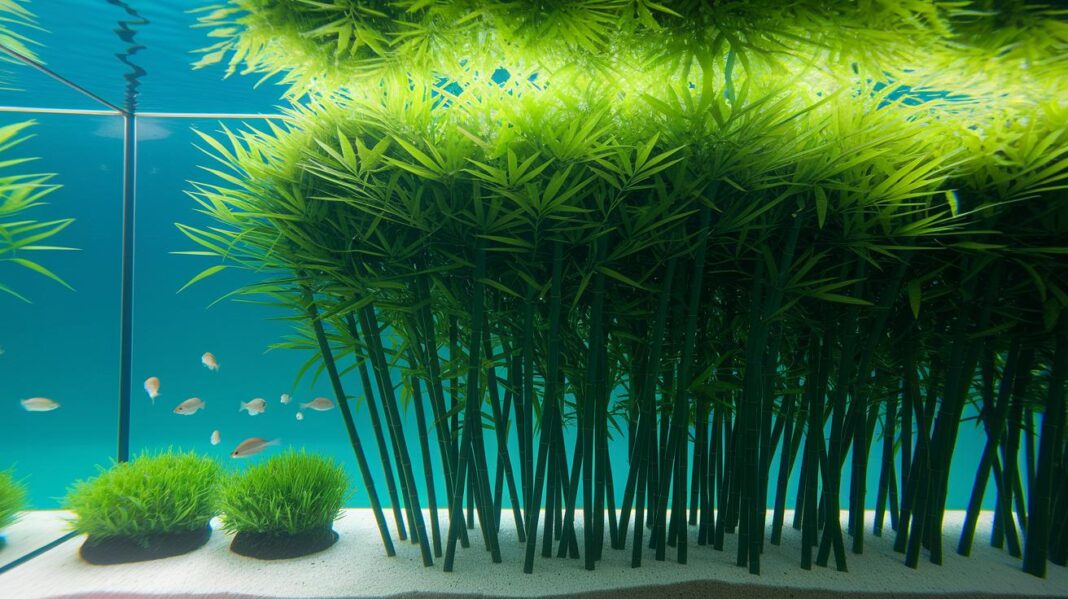

Ever wondered if bamboo can make a cozy home in your aquarium? It may sound a bit odd, but choosing the right kind can bring a natural and lively feel to your fish tank.
Take lucky bamboo, for example, it only needs a little water to thrive, kind of like a splash in a shallow pond. But true bamboo prefers to be fully submerged, enjoying the deep, calming flow of your tank's water.
In this post, I'll guide you through comparing these two favorites. I'll explain the conditions each one loves and share simple tips to craft a balanced, charming underwater scene. Stick around and let’s dive into a world of honest insights for a healthier, more beautiful display.
Bamboo Plant Varieties for Aquariums: Selection and Compatibility
When setting up your aquarium, you might wonder about the differences between lucky bamboo and true bamboo. Lucky bamboo, which is really Dracaena sanderiana, isn’t a real bamboo at all. It loves conditions that are sometimes underwater and sometimes above water. It works best in freshwater tanks with a neutral pH (about 6.0–7.5) and water temperatures between 60°F and 80°F. Plus, it makes a lovely addition to tanks with betta fish or other community fish.
True bamboo, on the other hand, comes from groups like Phyllostachys. These plants have thicker stalks and grow at a different rate, so you might need to adjust how you take care of them. Both lucky and true bamboo are safe if your fish decide to nibble on a leaf, and they mix well with other aquatic life.
The way you plant them can also make a difference. Lucky bamboo does best when its roots are underwater but its leaves stay dry. True bamboo, however, can handle being fully underwater if your tank setup is just right. Thinking about where to place these plants can add a natural, layered look to your aquarium, whether you want them in the midground for a balanced view or in the background for a lush scene.
| Type | Scientific Name | Submersion Method | Key Requirements | Fish Safety |
|---|---|---|---|---|
| Lucky Bamboo | Dracaena sanderiana | Partial or Full Submersion | pH 6.0–7.5, moderate lighting | Safe for all species |
| True Bamboo | Phyllostachys spp. | Typically Full Submersion | Varies with species, robust growth | Safe for all species |
Think about each plant’s needs to create an aquarium that feels both lively and healthy. Happy fishkeeping!
Aquarium Water Parameters and Lighting for Bamboo Plants
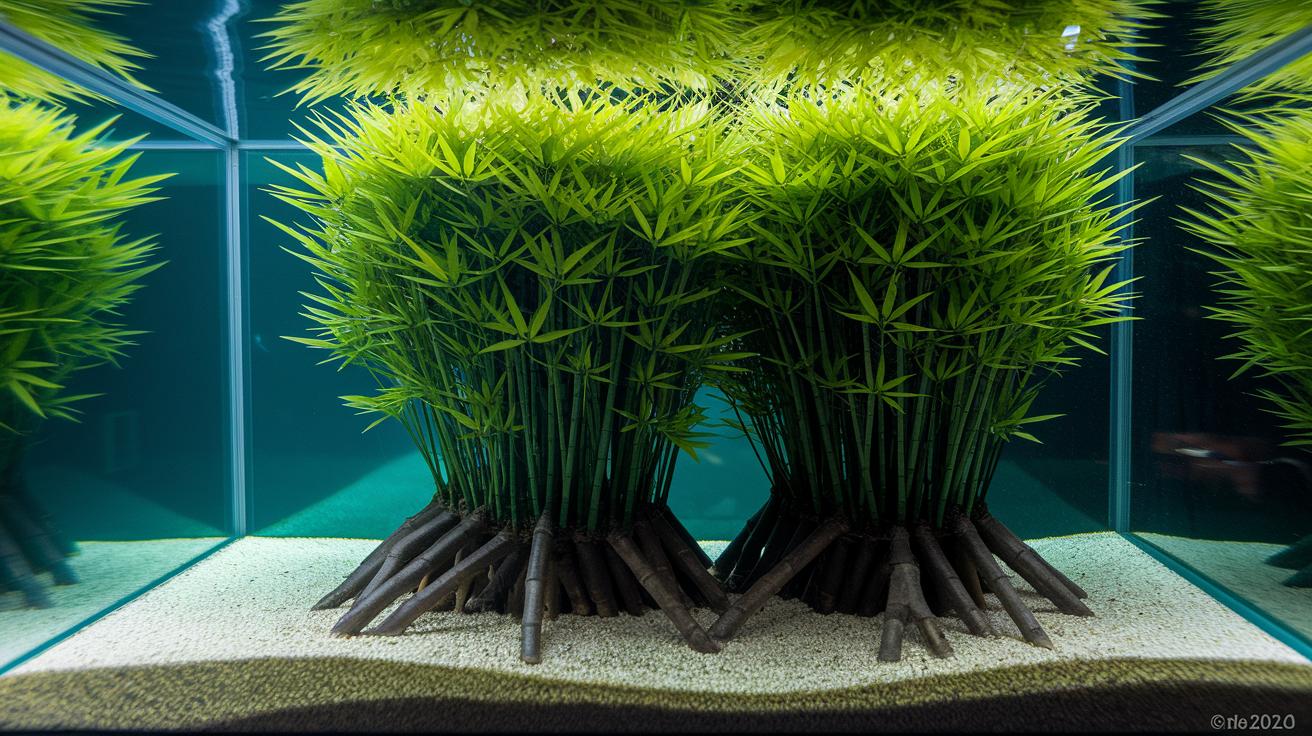
When you're setting up your aquarium, making sure your water is just right is essential. Bamboo plants do best in water with a pH between 6.0 and 7.5, and they love temperatures that are comfy in the 60°F to 80°F range. It’s a bit like arranging the perfect underwater party, the right conditions help your bamboo grow strong and lively.
Make sure to cover the roots with about 2 to 3 inches of water. This depth keeps the roots nicely moist while letting the leaves either float atop the water or sink completely, depending on how you like it. A handy tip: before you plant, give your water a quick test to ensure it fits that perfect sweet spot.
Lighting is important too. Moderate light is just the trick to keep the leaves looking healthy and free of yellow spots, all while boosting growth. If the light’s too bright, you might see changes in color, and if it’s too dim, your bamboo might struggle a bit. Think of the light as creating a gentle, glowing ambiance in your tank, it makes the bamboo look its best.
And if you ever notice that your carbon dioxide levels seem a bit low, consider experimenting with a liquid CO₂ supplement. This little boost can help nudge your bamboo to flourish, keeping your aquarium scene vibrant and full of life.
Bamboo Plants for Aquarium: Lively Aquatic Charm
Let's start by choosing the method that suits your aquatic garden. You can go with partial submersion by creating a substrate bed about 3 inches deep. This lets the roots settle nicely while keeping the top leaves dry. Or, you might prefer full submersion, anchoring the bamboo securely so every part of the plant gets bathed in water. Imagine your tank as a little garden where bamboo stalks form a natural pathway for your fish.
Before you plant, always trim any long roots down to about 2 to 4 inches. This small step makes the bamboo easier to handle and helps keep it steady. Think about where you want your bamboo to live: placing them in the midground offers a balanced look, while positioning them toward the background can add a sense of depth. Betta tanks, for instance, look great with midground plants as they highlight the fish’s bright colors against the soft greens, and community setups can play with several placements to create an engaging layered effect.
Try these simple steps:
- Use a substrate that lets water flow freely yet holds enough moisture for partial submersion.
- Trim the roots to a neat 2 to 4 inches.
- Secure the bamboo in place, whether you prefer it partly above water or fully submerged.
- Arrange the stalks thoughtfully to boost your tank’s depth and overall charm.
Following these friendly tips will bring a lively aquatic vibe to your aquarium, turning it into a serene underwater haven that feels as natural as a rippling stream.
Maintenance and Troubleshooting for Aquarium Bamboo Plants
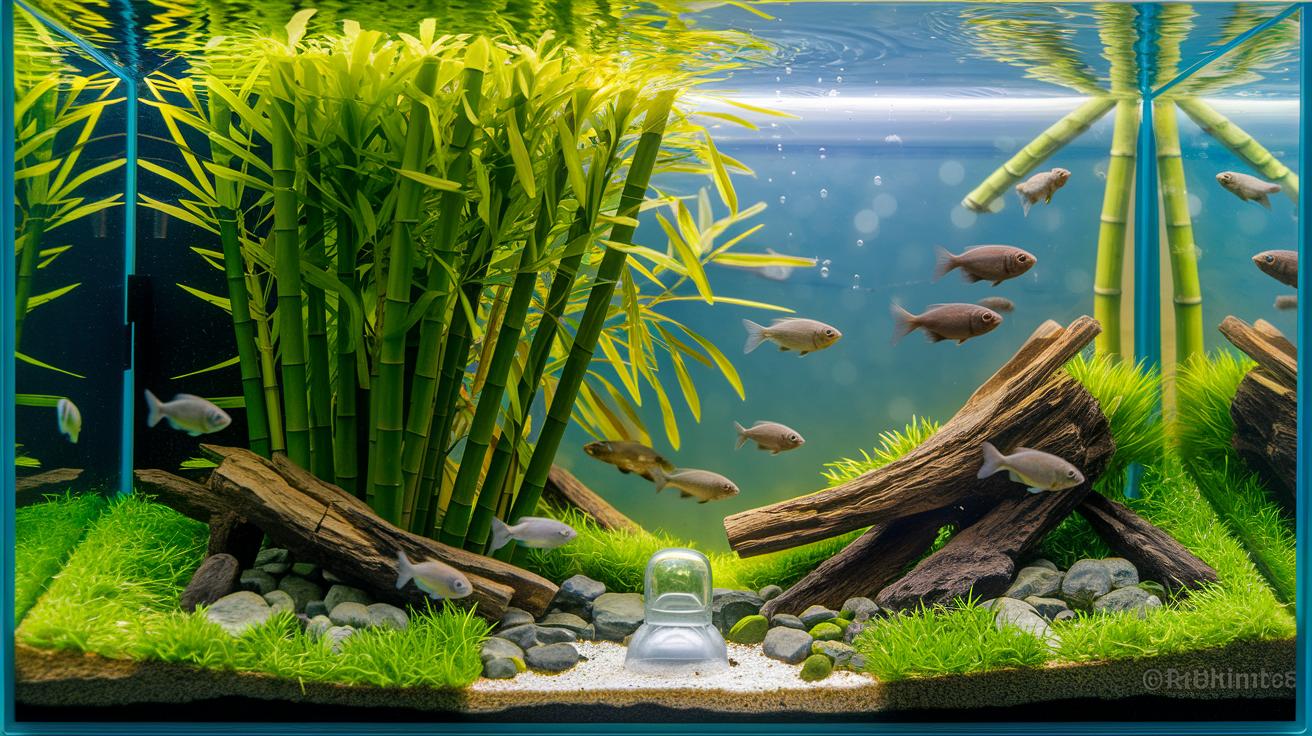
Keeping your aquarium bamboo healthy is a bit like giving your favorite fish a gentle pat on the back. Each month, take a moment to snip off any yellow leaves and trim long roots. It’s like giving your plant a refreshing haircut that keeps it looking sharp and feeling good.
Feeding your bamboo is important too. Use aquarium-safe liquid fertilizers, a simple way to add nitrogen and minerals, much like watering a small garden. If you notice brown spots or a lackluster look, your bamboo could be hinting that it needs a little extra nutrient love. In these moments, tweaking the CO₂ and fertilizer amounts can help steady things out.
Oxygen is the secret to a happy plant as well. Adding an air stone or pump in your tank releases a gentle burst of oxygen around the roots, much like a soft breeze near a garden on a sunny day. This simple step helps the roots soak up nutrients and stay lively.
Here’s a quick checklist to keep your aquarium bamboo thriving:
- Trim yellow or damaged leaves and manage long roots.
- Feed with aquarium-safe liquid fertilizers for those essential minerals.
- Use air stones or pumps to boost oxygen around the roots.
- Watch for any brown spots or discoloration and adjust CO₂ and nutrients if needed.
With steady care, aquarium bamboo can grow about 4 to 12 inches a year and live 1 to 5 years, sometimes even over a decade. Taking the time to look after it not only makes your bamboo look lush but also keeps your entire tank a balanced, peaceful underwater haven.
Aesthetic Benefits and Design Ideas Using Bamboo in Aquariums
Bamboo in your aquarium brings a burst of lively green and playful twists that transform your tank into a little underwater garden. Its smooth curves catch the eye, whether you showcase it up close or let it drift quietly in the background. It’s like placing a unique piece of art right in the heart of your space.
Not only does bamboo look stunning, but it also offers some clever benefits. The plant gives your fish cozy hideaways that can help lower their stress, and it even acts like a tiny filter by sucking up extra nitrates that might make the water look a bit cloudy. It’s almost like having a little lucky charm under water, creating a calm and healthy environment.
For those with smaller tanks, try arranging a tight cluster of bamboo. In a 20-gallon tank, for example, a neat grouping can gently frame the swimming area and bring a sense of natural harmony. It’s a simple yet effective way to boost your tank’s charm while keeping everything balanced and inviting.
Live vs. Artificial Bamboo for Aquariums: Pros and Cons
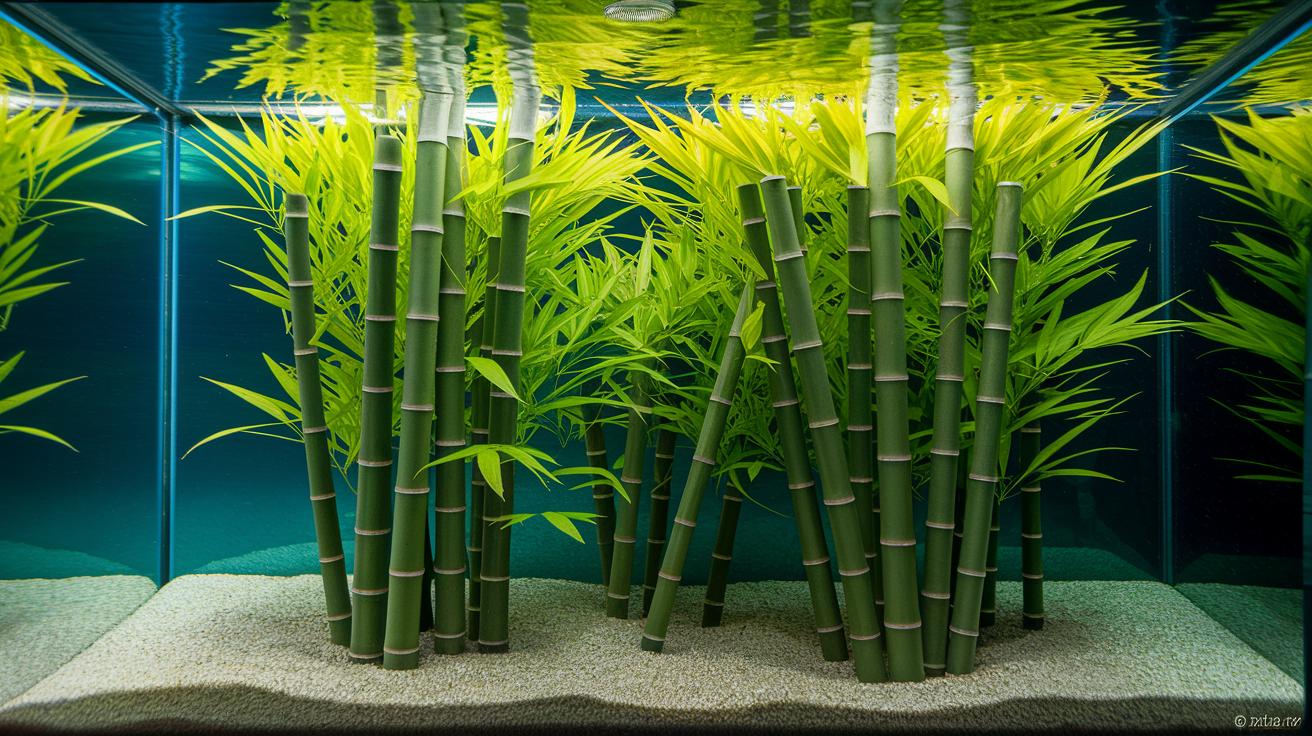
Live bamboo adds a splash of natural beauty to your aquarium, almost like having a mini garden that mimics the gentle flow of a stream. It’s beautiful, but it does need some extra care. You have to trim it often, feed it a bit with nutrient boosts, and keep an eye on water stuff like pH and temperature. I usually trim mine every month when I see the leaves looking a little tired, much like caring for your favorite potted plant.
Artificial bamboo is a neat option if you’d rather skip the extra work. It looks good without ever needing a trim or worrying about water changes affecting it. But watch out, it can catch bits of debris, and you might need to give it a scrub every now and then to keep your tank sparkling. Plus, while you pay for live bamboo continuously depending on the variety, artificial bamboo is usually a one-time buy.
Key points to consider:
- Live bamboo: Needs regular trimming, occasional nutrient boosts, and water monitoring.
- Artificial bamboo: Easy to maintain but may hold onto tank debris.
Both types are safe in your tank, even if a piece ever comes loose, so your fish remain happy and secure. In the end, think about how much time you want to spend on care versus how natural you want your aquarium to look.
Final Words
In the action, we covered various parts of setting up and caring for bamboo plants for aquarium. We learned how to choose between live and artificial options, cover planting techniques, and maintain water chemistry and lighting for a thriving environment.
We also explored design ideas that add charm and balance to your tank setup. Every step we discussed makes achieving a clean, attractive underwater world more manageable. Enjoy creating a space that brings joy to both you and your aquatic friends!