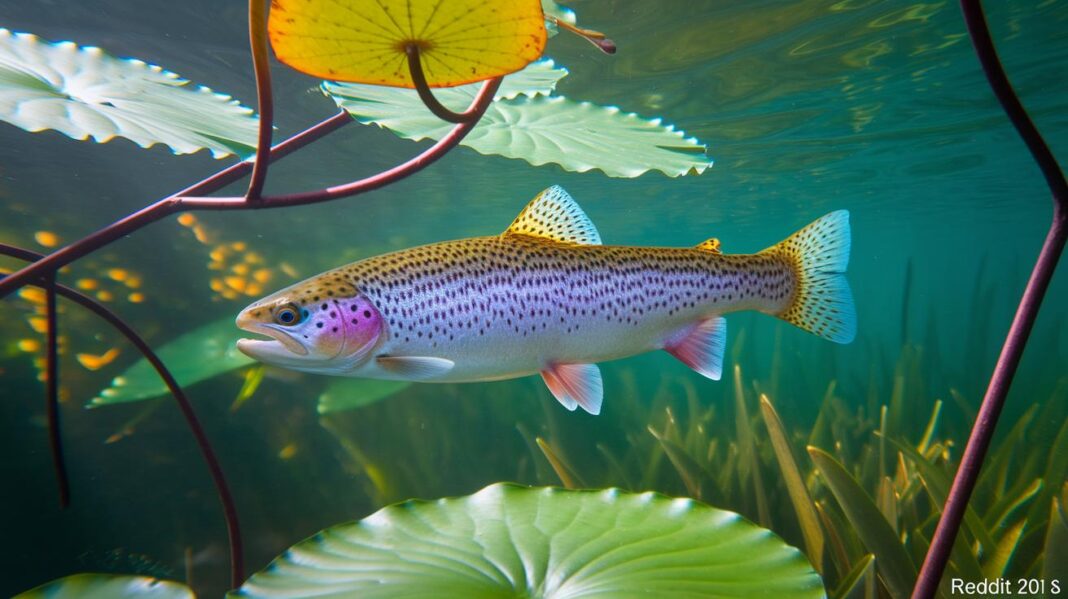

Have you ever thought about whether trout can really call a backyard pond their home? Imagine a cool pond with crystal clear water, where the temperature, oxygen, and depth are just right, like a small, natural stream made especially for them.
In this kind of spot, trout find a little piece of nature that feels as wild and free as the streams they love. I'm here to share some simple insights about what makes a pond ideal for trout, so they can live happily and naturally.
Ever notice how calming a well-kept pond can be? Dive in and discover how creating the perfect environment can help your trout truly thrive.
Trout in Ponds: Assessing Habitat Suitability
Trout can happily live in ponds if the conditions are just right. They love cool, clear water where temperatures stay between 50 and 65°F. When water is in this range, it feels fresh and clean, and there’s plenty of oxygen for them to breathe. But if the water warms above 70°F, trout start to feel stressed, so keeping an eye on the temperature is really important.
A good pond for trout should be at least 6 to 8 feet deep and cover around a quarter of an acre. Think of it like this: a well-sized pond with clear water and plenty of oxygen is like a cozy home for trout. These dimensions help the pond handle sudden changes in the weather, keeping everything stable. When the water stays clear, it shows that the pond has good quality and enough oxygen, while murky water might mean problems that make it hard for trout to thrive.
In ponds that check all these boxes, trout find their perfect spot to live, with cool waters and all the natural food they need. In truth, having clear water, the right depth, and a balanced temperature is key to creating an ideal environment where trout can flourish and lead a healthy life.
Essential Pond Conditions for Trout Health
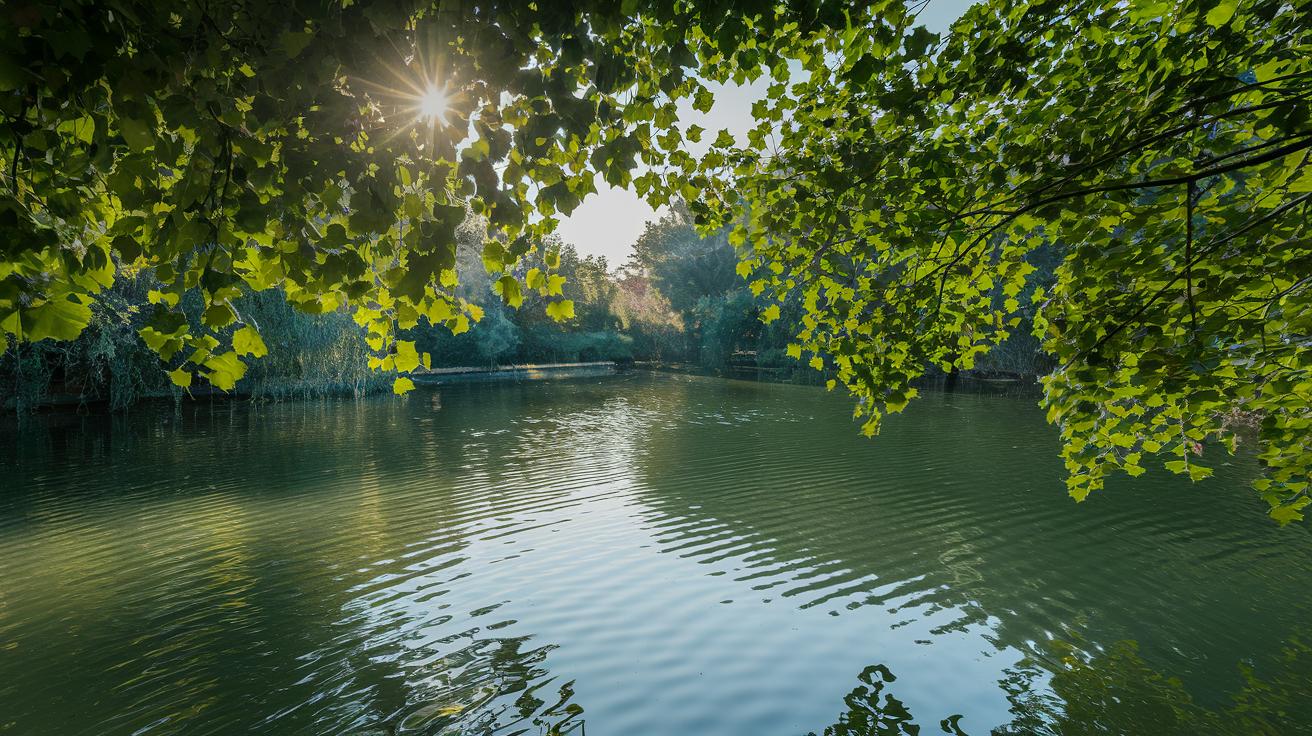
Trout thrive in cool water, so it's best to keep your pond under 70°F. When the sun makes it too warm, you can hang a simple shade cloth, plant some trees along the edge, or set up a gentle surface cooling system like an aerator to keep the temperature just right.
Oxygen is another must for your trout. They need water with more than 6 parts per million of dissolved oxygen to stay active and healthy. Using diffused air stones, a small fountain, or even a little waterfall can create soft, rising bubbles that feel like a gentle underwater dance.
A natural home for trout also means having a pond that is at least 6 to 8 feet deep. This depth creates cool, hidden spots where trout can escape the heat, much like slipping into the comforting shadows of a deep valley on a sunny day.
Finally, keeping the water clear and free of too much vegetation is key. Regularly removing excess algae and weeds, and planting native buffer species along the edge, works wonders. These simple steps, perhaps supported by sediment traps or a bit of flocculant if needed, ensure your pond remains bright and inviting, a perfect backdrop for your trout to swim freely.
can trout live in ponds: Thrive Naturally
When choosing trout for your pond, it helps to know what each type really needs. Rainbow trout are quick learners in new surroundings. They do best when they get good, steady meals and can live in many different pond conditions. It’s like keeping a small garden watered with a gentle, constant drizzle.
Brown trout can handle a little more warmth in the water, as long as there is plenty of oxygen. They do well in warmer conditions compared to some others, but still need clean water and a balanced home to flourish.
Brook trout are a bit more finicky. They need cool water, usually below 65°F, with lots of dissolved oxygen. Think of them as the gourmets of the trout world, they demand the clearest, coolest water, so they work best in ponds that naturally stay that way.
When picking the right kind for your pond, consider your local weather, the pond’s depth, and overall water quality. Here’s a quick guide:
- Rainbow trout: Adaptable and fast-growing
- Brown trout: Tolerate warmer water if there is enough oxygen
- Brook trout: Need very cool, sparkling water
Matching the right species to your pond’s conditions can lead to a lively and healthy trout community.
Stocking Strategies and Population Balance in Trout Ponds
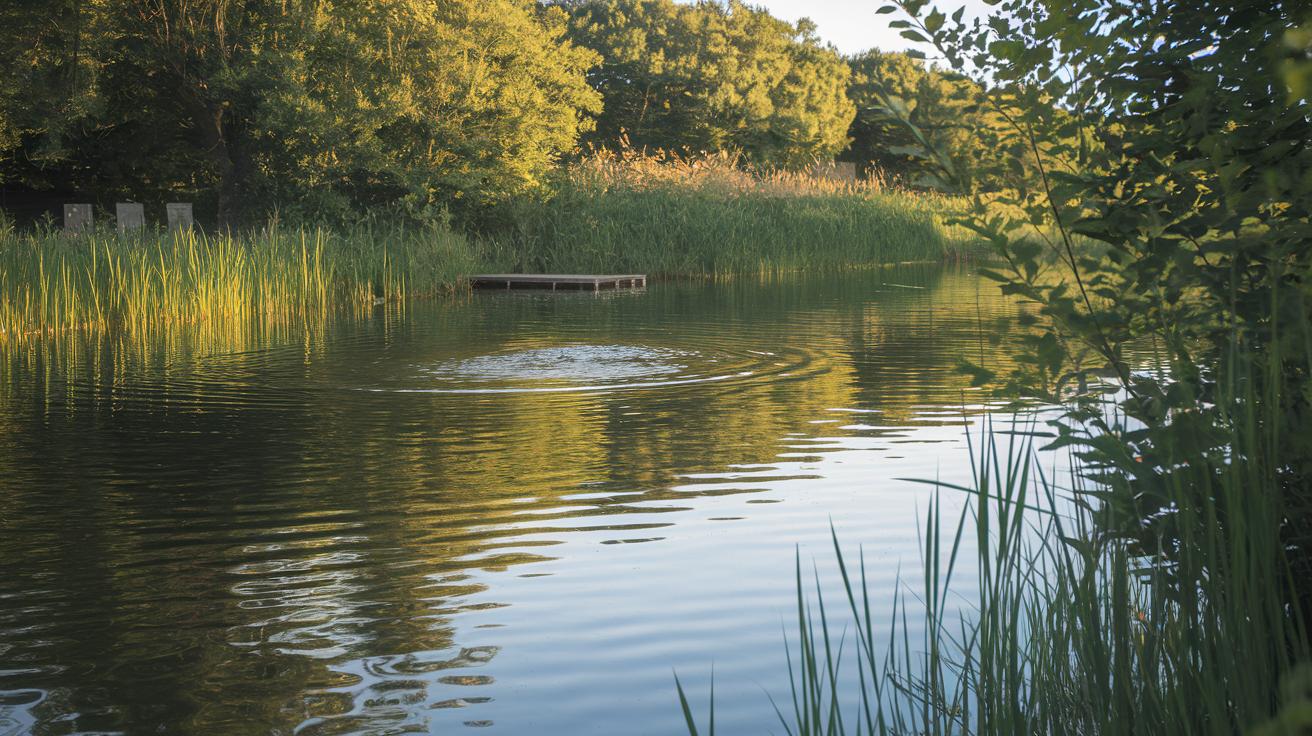
When you’re planning a trout pond, think of it as creating a peaceful underwater neighborhood where every fish has room to swim and find food. A good rule is to aim for about 100 lb of trout per acre. This helps your fish enjoy enough space and good nourishment, making your pond feel as calm as a gentle stream.
Be sure not to pack too many trout into one spot. Too many fish can lead to problems like sickness, fungal issues, and slow growth, like trying to squeeze too many friends into a tiny corner at a party.
Here are some friendly stocking tips:
| Trout Size | Stocking Number per Acre |
|---|---|
| Fingerling trout (3–5 inches) | 100–150 |
| Larger trout (6–8 inches) | 50–75 |
These guidelines help keep your pond balanced. Overstocking can make your trout feel cramped and stressed, much like trying to live in a room that’s too small for everyone.
To add more life to your pond, try introducing other fish like bass or bluegill. This mix works like a well-coordinated community where every fish has its role, helping prevent the trout from feeling too crowded.
If you notice slow growth, more sick fish, or changes in water quality, it might be time to check your stocking numbers. And don’t forget: local rules might require a permit before you start stocking. With these simple tips in mind, you can create a thriving trout pond that feels as natural and inviting as a calm lake.
Designing and Sustaining a Trout Pond Ecosystem
When you're setting up a trout pond, controlling the water flow is like setting the beat for a calm, natural song. By making sure the water enters and leaves in a steady, controlled way, you help keep your fish safe and the water levels just right, almost like mimicking a wild, gentle stream.
It also helps to nurture a natural food web. Encouraging plenty of small aquatic insects and plankton lets your trout enjoy a natural, balanced diet. Think of it as creating a mini wild stream right in your backyard where the fish can feed and grow strong without relying too much on extra food.
Managing the plants in your pond is important too. Unwanted plants like Nuttall’s pondweed can sometimes cause oxygen levels to drop in the summer, which stresses your fish. It’s best to remove these intruders early on and use only a little bit of organic fertilizer so you don’t overload the water with nutrients.
And of course, protecting your fish with barriers like otter fencing keeps pesky predators at bay. With these simple steps working together, your pond can become a balanced and welcoming home where trout can truly thrive.
Maintenance and Troubleshooting for Trout Pond Health

Taking care of your trout pond starts with regular care. Keeping the water moving with steady aeration stops it from splitting into layers of different warmth and oxygen. When you see those gentle bubbles rising, you know the oxygen is spread evenly even if the water warms just a little.
Making sure the water circulates well also helps. When your pond stays active, algae and debris have less chance to settle in one spot. Mixing in a small fountain or waterfall with your aeration system creates a lively pond where the water feels fresh and full of oxygen.
Don’t forget about a basic filter, too. A simple filtration system clears away debris and cuts down on harmful ammonia. Regularly cleaning the filter helps remove particles before they get a chance to settle and build up.
It’s important to check your water quality every week. Testing basics like temperature, oxygen levels, pH, and ammonia can catch problems early. These few simple tests guide you to adjust your setup before anything goes off track.
Each season brings its own needs. In the warm months, adding aquatic or surface covers can help keep the water cool. When the cold sets in, focus on winterizing the deeper parts of your pond to protect your fish from sudden temperature shifts. Every now and then, a complete clean-out can refresh the whole system.
- Weekly water checks
- Summer shading for cooler water
- Winter care for deeper zones
Sticking to a regular routine makes it easier to spot troubles and keep your pond balanced. When everything flows smoothly, your trout can enjoy a healthy, vibrant life.
Final Words
In the action, this guide explored how temperature, oxygen, depth, and water clarity work together to keep a trout pond healthy. We looked at different trout types, smart stocking, and designing a stress-free pond environment. Practical maintenance tips round out easy steps for a lively aquatic habitat. Remember, getting these elements right means your pond shows nature’s best, proving that can trout live in ponds when conditions are just right. Enjoy watching your underwater world flourish!
FAQ
How long can trout live in ponds?
The lifespan of trout in ponds depends on meeting their habitat needs. When ponds have cool, clear water with enough oxygen and proper depth, trout can live for several years.
Can trout live in ponds in Florida, Texas, or California?
The ability for trout to live in ponds in states like Florida, Texas, or California hinges on maintaining cool water, proper depth, and high oxygen levels. Ponds in warmer regions may need special cooling techniques.
What are the rainbow trout pond requirements?
The rainbow trout pond requirements include maintaining water temperatures between 50–65°F, ensuring dissolved oxygen levels exceed 6 ppm, having at least 6–8 feet in depth, and keeping the water clear to signal good habitat quality.
Are backyard trout ponds and ponds for keeping trout feasible?
Backyard trout ponds and stocked ponds can be successful if they mimic natural trout habitats with cool, well-oxygenated water, sufficient depth, and clear conditions to provide a safe and supportive environment.
Can trout live in a pond with bass?
The possibility of trout coexisting with bass depends on balanced pond management. By designing the pond with safe zones and proper stocking levels, trout can live alongside bass with reduced risk of predation.
What trout are best for pond stocking?
Rainbow trout and brown trout are best for pond stocking because they adapt well to managed water conditions. Brook trout, needing colder and more pristine water, often struggle in typical pond environments.