

Ever thought of giving your aquarium a quick refresh, almost like a sprinkle of magic? The best water conditioner turns harsh chemicals into safe, friendly elements that your fish will love. It uses ingredients like sodium thiosulfate, which changes strong chlorine into calm, gentle compounds.
In this post, we share our top picks that make water changes feel like a smooth, easy ripple through your tank. You’ll see how these conditioners keep your underwater world bright and healthy, so you can enjoy more quality time with your aquatic pals.
Top Picks for the Best Water Conditioner for Aquarium Water Changes
Seachem Prime is a favorite among fish lovers when it comes to treating your tank’s water. It uses sodium thiosulfate, kind of like a magic potion, to change harmful chlorine and chloramine into safe chloride and sulfate. Plus, it comes with pH buffers and a bit of aloe vera to care for your fish’s natural slime layer. At just 1 ml per 10 gallons, you can even use up to five times that amount if you’re doing a big water change. Imagine refreshing a 60-gallon tank with a 50% water change and treating the water as if it were 150 gallons. Cool, right?
API Tap Water Conditioner is another top pick. It also relies on sodium thiosulfate to clear out toxins, and it throws in stress-coat agents that help protect your fish’s delicate scales and fins. This makes it a great everyday choice, keeping your underwater friends safe during water changes.
Kordon NovA offers a concentrated formula that is perfect for keeping your aquarium as safe as possible. Its blend of detoxifying and soothing ingredients works together to maintain a stable and welcoming underwater home, making it a trusted pick for a healthy fish environment.
AquaSafe is well-loved for its ease of use and clear dosing steps. With simple instructions and a formula that quickly neutralizes toxins, it’s a reliable option when you need to refresh your tank in a hurry.
Each of these products follows the standard dose of 1 ml per 10 gallons, ensuring that your fish always enjoy clean, safe water.
How Sodium Thiosulfate-Based Conditioners Work During Aquarium Water Changes

Imagine this: sodium thiosulfate is like a gentle cleaning helper that changes chlorine and chloramine into chloride and sulfate, which are far kinder to your fish. When these chemicals are neutralized, they don't worry your fish anymore. Just know that this process can use up some of the oxygen in the water. So if you're doing a big water change or your tank already feels a bit low on oxygen, it's smart to keep an eye on things.
Often, this conditioner also comes mixed with goodies like aloe vera and pH buffers. Aloe vera acts like a soothing touch, easing stress by caring for the fish's natural protective layer. Meanwhile, pH buffers help keep the water balanced, much like making sure you have the right mix of salt and water when cooking your favorite meal. This balance makes sure the environment is just right not only for your fish but also for the helpful bacteria working behind the scenes to keep the tank healthy.
Think of the whole process as a careful, controlled cleaning for your tank. It works beautifully to make the water safe and supports the overall health of your underwater habitat, giving your fish a happy, balanced home.
Best Water Conditioner for Aquarium Water Changes Shines
When you're choosing a water conditioner, be sure to check that Sodium Thiosulfate is listed among the ingredients. This key ingredient changes harmful chlorine and chloramine into safe substances. Seeing "Active Ingredient: Sodium Thiosulfate" on a label can quickly build your trust in the product.
Also, look for water conditioners that include pH buffers and stress-coat additives like aloe vera. These ingredients not only neutralize toxins, they also comfort your fish, much like a gentle ripple on a quiet lake. pH buffers help keep your water steady, which is important for both your fish and the good bacteria that clean your tank.
It’s smart to choose concentrate formulas with flexible dosing options rather than ready-to-use liquids. This lets you adjust the dosage based on your tank's size or the volume of water you are changing, making it easier to maintain a balanced aquatic home.
Make sure the conditioner is biodegradable and safe for beneficial bacteria, so your fish have a non-toxic habitat. Steer clear of products with dyes, fragrances, or unnecessary fillers. Instead, choose a freshwater treatment that truly cares for your pet's environment.
| Key Feature | Why It Matters |
|---|---|
| Clear Ingredient List | Ensures you know what you’re putting into your tank |
| Adjustable Dosing | Allows you to tailor the treatment to your tank’s needs |
| Eco-Friendly Formulation | Keeps the water safe for fish and good bacteria |
| No Unnecessary Additives | Prevents unwanted chemicals from affecting your aquatic life |
Each of these features helps create a water conditioner that truly shines at keeping your aquarium healthy and lively.
Proper Dosage and Application Guide for Aquarium Water Conditioners
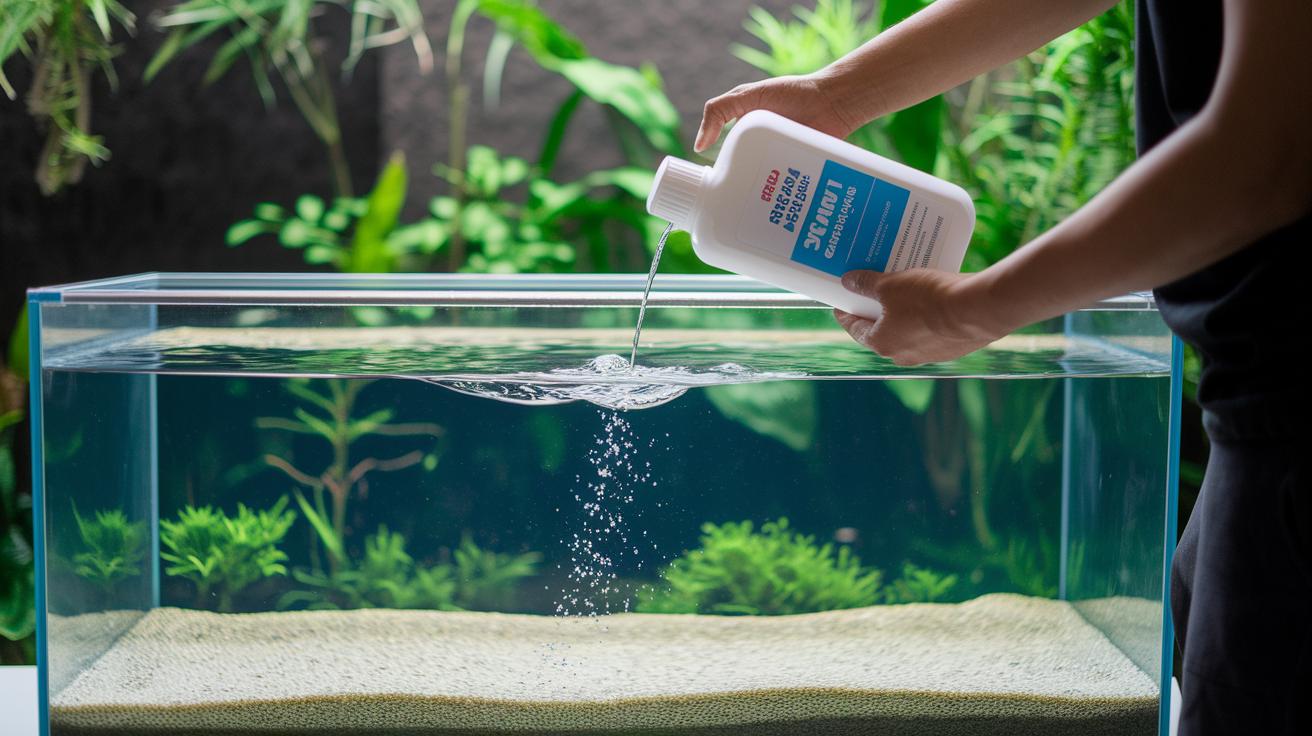
Let's dive into how to treat your aquarium water with care. Start with the basics: mix 1 ml of conditioner for every 10 gallons of new water. It’s like following a simple recipe that helps keep your fish happy.
First, fill your tank with fresh water so the conditioner can mix evenly. Once your tank is full, add the right amount of conditioner based on your tank’s size. For example, if you’re treating 20 gallons, use 2 ml. It’s as simple as measuring your favorite ingredient!
If you're dealing with higher chloramine levels or a big water change, you can safely use up to 5 times the standard dose. Imagine a 60-gallon tank with half a water change, treat that new water as if it were 150 gallons. A gentle stir afterward will help everything blend together, much like the soft ripple of water on smooth stones.
Always add the conditioner after filling your tank. That way, you avoid any patchy spots and ensure your aquatic home is as refreshed and safe as a calm, clear lake.
Imagine each drop of water treated with care, creating a safe haven for your finned friends.
Comparative Table of Leading Best Water Conditioner Products
Let's dive right in and compare some well-loved water conditioners. Each product is picked for its ingredients, dosage tips, price per ounce, and special features that help you keep your aquarium safe and vibrant. It’s like choosing the best seasoning for your favorite meal, every little detail makes a difference.
| Product | Active Ingredients | Dosing | Price per Ounce | Unique Formula Features |
|---|---|---|---|---|
| Seachem Prime | Sodium thiosulfate, pH buffers, stress coat agents | 1 ml per 10 gallons (up to 5 times for heavy changes) | Mid-range | Trusted detox and fish skin support |
| API Tap Water Conditioner | Sodium thiosulfate, stress coat agents | 1 ml per 10 gallons standard dose | Budget-friendly | Reliable everyday detox with steady results |
| Kordon NovA | Concentrated sodium thiosulfate blend, stress coat additives | Flexible dosing for large water changes | Slightly higher | Highly concentrated for fast tank renewal |
| AquaSafe | Sodium thiosulfate, pH buffers, stress coat agents | 1 ml per 10 gallons with simple steps | Affordable | Quick neutralization with easy dosing |
Each water conditioner shines in its own way. For instance, Seachem Prime not only battles chlorine and chloramine with its balanced mix but also aids fish health with pH buffers and a gentle protective coat. API Tap Water Conditioner is a great choice if you want solid everyday performance without breaking the bank. AquaSafe scores points with its simple, clear dosing instructions, making it easy for anyone to use. And if you need a mighty boost for large water changes, Kordon NovA’s concentrated formula delivers just that.
This side-by-side guide gives you a clear look at performance, dosing options, and cost so you can decide which product is the perfect fit for your aquatic world. Enjoy making your tank a happy home for your fish!
FAQs About Using the Best Water Conditioner for Aquarium Water Changes
-
Do fish really need a water conditioner?
Yes, they do. Water conditioners help clear out chemicals like chlorine and chloramine that can hurt your fish. If you're curious about how it all works, check out our product review section for more details. -
Is overdosing the conditioner harmful?
Definitely. Using too much can lower the oxygen in your tank and stress your fish. We usually recommend sticking to about 1 ml per 10 gallons. Have a look at our dosage guidelines in the detailed instructions section to be sure you're on track. -
How do additives like aloe vera and pH buffers help?
These additives are great for easing stress and keeping the water balanced. They work a bit like a soothing hand on a rough day. For more on what each ingredient does, head over to our additives review section. -
When is the best time to use water conditioner?
It’s best to add it right after you change the water, but before you put your fish back in. This way, you give your fish the safe, clean water they need. For a full guide on water changes, check out our step-by-step water change guide section.
Budget-Friendly Tips for Maximizing Value from Aquarium Water Conditioners

Using concentrated formulas is a clever way to save money while keeping your aquarium water sparkling clear. These treatments allow you to use only a small amount each time you change your water, cutting down on waste and expense. Using a dropper or syringe to measure every dose means you add just the right touch, each drop helps safeguard your fish without costing a fortune.
Sometimes, it helps to do smaller, more frequent water changes instead of one big one. This way, you treat just a section of your tank at a time, which means your conditioner lasts longer over many sessions. And why not consider additives that handle dechlorination, balancing pH, and even give a protective stress coat? They work on several levels at once, giving your aquarium triple benefits with a single bottle.
By mixing these handy tips into your routine, you keep your aquatic home crystal clear and healthy without breaking the bank. It’s like nurturing a mini underwater paradise, one measured drop at a time.
Final Words
In the action, we covered top picks, the science behind sodium thiosulfate, and key features to watch for in the best water conditioner for aquarium water changes. We shared clear instructions on proper dosage and ways to save while keeping your tank safe.
The article guides you through product comparisons, mini-reviews, and FAQs that make fish care simpler. The more you learn about your tank water needs, the more confident you'll feel in creating a safe, attractive aquatic home. Happy tank keeping!
FAQ
What are some top-rated water conditioners for aquarium water changes?
Top-rated water conditioners, as discussed on Reddit, DIY forums, and Amazon, include popular brands like Seachem Prime and API products. They work by neutralizing chlorine and chloramine while adding pH buffers and stress-coat agents.
How do you use a water conditioner for your fish tank and how long does its effect last?
The water conditioner is added after filling your tank, using about 1 mL per 10 gallons. It quickly neutralizes toxins, and its protective benefits last until the next water change.
Which water conditioner works best for planted aquariums?
For planted aquariums, the best water conditioners use gentle formulas that remove harmful chemicals while including pH buffers that support both plant and fish health.
What water conditioners are available at Walmart?
Walmart carries budget-friendly water conditioners, including some API options that effectively remove chlorine and chloramine and provide additional protection for your fish.
How can tap water be made safe for fish without using a conditioner?
To make tap water safe without a conditioner, let it sit for at least 24 hours so chlorine can dissipate naturally. However, this method won’t remove chloramine, which may require treatment.
What should you use when changing aquarium water?
When changing aquarium water, use a water conditioner that neutralizes chlorine, maintains pH balance, and adds stress-coat ingredients, creating a safe environment for your fish.
Can water conditioners help reduce the number of water changes in an aquarium?
While water conditioners help maintain water quality by neutralizing toxins, they don’t replace regular water changes. Consistent partial changes and monitoring remain key to a healthy aquarium.
Should you use water conditioner every time you change aquarium water?
Yes, using a water conditioner with every water change ensures that harmful toxins like chlorine and chloramine are neutralized, keeping your fish safe and your water balanced.
Are water conditioners for aquarium water better than other treatments?
Water conditioners provide a direct way to remove harmful chemicals, balance pH, and add protective agents, making them a reliable choice for routine care compared to other treatments.
What are some trusted water conditioner brands?
Trusted brands include Seachem Prime, API Tap Water Conditioner, API Stress Coat, API Quick Start, Seachem Stability, and API Aqua Essential, all renowned for their quality and fish-friendly formulas.