

Ever thought about creating your own bubbly underwater haven at home? Imagine setting up a tank where plants and little helper bacteria team up like a friendly crew, turning waste into nourishment much like nature’s own recycling system.
This guide is like a chat with a buddy who loves aquariums. We’ll take you through each step, planning your design, prepping your tank, and keeping everything flowing just right, much like watching a gentle current in a calm pond.
Building your own aquatic world is a bit like cooking your favorite meal: you start with the basics, mix in your ideas, and finish with a touch of care. And soon, you’ll have a vibrant, self-cleaning habitat that lets you sit back, relax, and enjoy the soothing ripple of life underwater.
Step-by-Step Building Your Custom Aquarium Ecosystem
A custom aquarium ecosystem is like your very own slice of nature, right in your home. It’s a tank designed to copy real water settings, where living plants and friendly bacteria work together to break down fish waste and keep the water clean. In simple terms, the tank turns harmful waste into safe nutrients, so once everything is set up, you hardly need to worry about constant cleaning.
Self-sustaining tanks mean less work for you. Aquatic plants soak up waste nutrients and help keep algae at bay, while bacteria change fish waste into ammonia and then into gentler nitrates. With lots of plants and a smart design, after about 4 to 6 weeks of cycling the tank, you only need to add a bit more water now and then. This gentle balance takes stress off the fish and keeps your tank healthy, letting you enjoy a beautiful underwater scene without too much upkeep.
- Plan your tank design.
- Select and size your tank – check out custom aquarium tanks at https://sweetfysh.com?p=296.
- Lay down a nutrient-rich substrate.
- Set up your filtration and water flow (this helps the water stay clear).
- Install and adjust the lighting and heater.
- Cycle your tank to build a colony of friendly bacteria.
- Plant quick-growing greenery.
- Introduce your fish slowly.
Every step matters in making your aquarium a balanced home. From sketching out your design to easing in new fish, each part works together like the currents in a stream. With the right substrate, smooth water movement, and properly set lighting and heat, you’re setting up a thriving, self-sustaining ecosystem where plants and bacteria help create a lively, healthy world for your aquatic friends.
Planning and Preparation for Your Custom Aquarium Ecosystem

Start by making a simple checklist. Think of it like preparing for a little day trip with your favorite fish. Write down the tank size, your budget, where you’ll set it up, and all the must-have gear like the tank itself, a filter to keep the water clear, a heater, a test kit to check water quality, substrate for a cozy bottom, lights, plants, and fertilizers. This careful planning saves you from scrambling later. And if you’re looking for good deals or advice, check out aquarium supplies online to compare options.
Next, focus on creating a gentle home for your underwater garden. Choose a nutrient-rich substrate such as UNS Controsoil spread 1½ to 2 inches deep to give plant roots that comfy start. Fast-growing stem and floating plants work like tiny sponges, soaking up extra chemicals to keep your water clear and healthy. A sprinkle of UNS Plant Food All in One helps non-rooted plants flourish, which means less work for you down the road. With the right mix of materials and a clear budget, you’re setting the stage for a balanced, low-maintenance aquatic haven that feels as calming as a quiet ripple in still water.
Establishing the Nitrogen Cycle in Your Custom Aquarium Ecosystem
A steady nitrogen cycle is the heart of a happy aquarium. When fish waste and old plant bits break down, they release ammonia that can harm your aquatic pals. Luckily, helpful bacteria jump into action. These tiny workers change ammonia into nitrite and then into a gentler nitrate, much like turning a rough current into a calm stream.
Starting up your bacteria colony is key when you set up your tank. It’s like inviting helpful neighbors to make your home just right. With lush, dense planting soaking up extra nutrients and even deep sand beds creating a slow build-up of special bacteria, the stage is set for a balanced ecosystem, even if some of these bacteria take a long time to settle in.
| Phase | Bacteria Action | Duration |
|---|---|---|
| Ammonia Peak | Ammonia turns into Nitrite | Weeks 1–2 |
| Nitrite Peak | Nitrite turns into Nitrate | Weeks 2–4 |
| Nitrate Stabilization | Colony gets established | Weeks 4–6 |
Before adding any fish or other tank residents, it’s wise to check the water with a reliable test kit. Look at the levels of ammonia, nitrite, and nitrate to make sure everything is calm and clear. Knowing your water is safe gives you the peace of mind to watch your tiny friends thrive.
Managing Light, Temperature, and Nutrients in Your Custom Aquarium Ecosystem
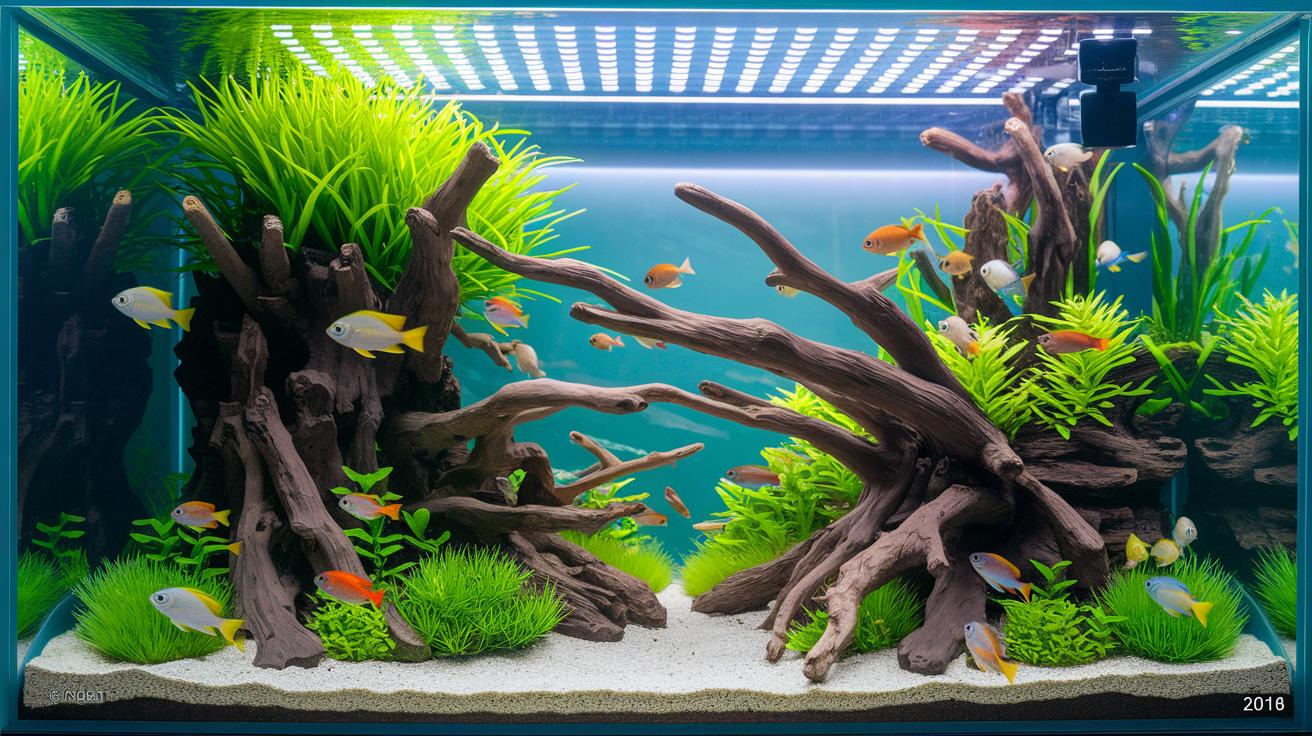
Getting your aquarium to feel like a vibrant underwater world starts with smart choices about lighting and heat. Choose LED lights made for plant growth that work for 6 to 8 hours each day and come with dimming options so you can keep algae from overgrowing. Set your lights to follow natural daylight cycles, just like a sunrise that slowly brightens the tank, so your plants soak up the right amount of energy. And don’t skip the heater: keep your water comfortably warm between 75 and 80°F, a perfect range for tropical species.
Taking care of nutrients is just as important for keeping your water fresh. Use both substrate fertilizers and liquid doses to keep essential minerals flowing into your plants all the time. Make it a habit to test your water for pH, ammonia, nitrite, and nitrate levels, kind of like giving your tank a regular check-up. This routine helps ensure that your aquatic friends live in a balanced, healthy, and vibrant environment.
Integrating Plants and Hardscape in Your Custom Aquarium Ecosystem
Start by building your underwater world from the ground up. Spread 1½ to 2 inches of nutrient-rich substrate evenly across your tank, it’s like giving your plants a soft, food-filled bed. Then, gently cover it with about 1 inch of gravel to lock everything in place, just like nature forms a riverbed for little fish to nibble around in.
Next, pick and place your favorite plants. Use fast-growing stem and floating varieties to fill about 60–70% of your tank. These lively greens help soak up extra nutrients and keep pesky algae at bay. Arrange them in loose clusters with some open areas, giving your fish plenty of room to dart around. Imagine it like planting a small underwater garden where every leafy friend plays its part.
Finally, add some natural wood and rocks to bring in that true nature feel. Position driftwood carefully and arrange smooth stones to create open swim lanes, which boost water flow and hide any equipment. These hints of nature offer perfect anchor points for your plants and create a calm, natural escape reminiscent of a serene stream.
Stocking Your Custom Aquarium Ecosystem with Fish and Invertebrates

When picking out species for your aquarium, start small and choose ones that get along well together. Begin with one or two little schooling fish or shrimp for every 2 gallons of water. This gentle start helps your new tank settle in, much like a calm ripple across a quiet pond.
It’s best to pick peaceful creatures that prefer the same water and warmth. Doing so keeps the environment steady and gives all your aquatic friends room to grow. Matching fish and invertebrates that need similar care is the secret to making sure they all thrive.
Introduce new critters one or two at a time each week. This slow approach lets your tank adjust gradually and stops harmful chemical spikes from upsetting the balance. Keep an eye on your water with a trusty test kit to check ammonia, nitrite, and nitrate levels. When things look good, you can add a few more, ensuring every inhabitant stays happy and healthy.
Maintenance and Troubleshooting for Your Custom Aquarium Ecosystem
Keeping your aquarium happy is really about giving it a little love on a regular basis. Check in often by topping off water lost to evaporation and gently scooping out any faded leaves or bits of struggling plants. Testing your water’s pH, ammonia, nitrite, and nitrate levels is like listening to your tank’s heartbeat, helping you catch any changes before they become a problem. This gentle care keeps your underwater friends relaxed and secure without the need for big, disruptive water changes.
Identifying and Correcting Nitrogen Spikes
If you notice a sudden change in your tank, start by using a quick test kit to measure ammonia and nitrite levels. When these numbers climb too high, a small water change can bring things back to a calm state. Also, easing up on feeding for a few days gives your tank’s natural bacteria time to tidy up the waste. It’s like giving your aquarium a mini-refresh, keeping the water balanced and stress-free for your fish.
Managing Algae Outbreaks
Sometimes, you might see algae start to take over when your tank gets too much light or when extra nutrients build up. When this happens, try shortening the time your LED lights are on. You can also trim back overgrown plants to reduce the extra nutrients that feed the algae. If it feels right for your setup, adding a few algae-eating buddies can help restore balance naturally. These simple steps keep your aquatic world clear and inviting, letting your little underwater paradise thrive.
Final Words
In the action, we reviewed each phase of planning your custom aquatic setup. We touched on material prep, cycling the nitrogen process, and carefully arranging plants, hardscape, and livestock. Each section shows how saving steps add up to a balanced and dazzling underwater space.
Every key point works together for building a custom aquarium ecosystem step by step. Enjoy watching your vibrant aquatic home thrive with care and patience!
FAQ
How do I build a custom aquarium ecosystem step-by-step?
The process of building a custom aquarium ecosystem step-by-step involves planning your design, selecting and setting up the tank, substrate, filtration, and cycling before introducing plants and fish. This guide offers clear, ready-to-use instructions from free resources and videos.
How do I create a self-sustaining fish tank ecosystem?
The method to create a self-sustaining fish tank involves cycling the water, planting nutrient-absorbing vegetation, and gradually adding compatible species to maintain a natural balance and reduce routine upkeep.
How much does it cost to make a custom fish tank?
The cost to make a custom fish tank varies based on size, equipment, and materials. Expenses include the tank, filtration, lighting, and decorative elements, with budgets ranging from modest to premium investments.
Can I leave my aquarium light on 24/7?
Leaving your aquarium light on 24/7 can disturb natural cycles, stressing fish and hindering plant growth. It’s best to set a photoperiod—typically 6–8 hours daily—to support a balanced environment.