

Ever wondered if your aquarium could become a fun community of bright, friendly fish? In a freshwater tank, every fish has its unique role, from the ones that clean up the bottom to the playful swimmers near the top. Think of your tank as a little underwater town where each fish brings its own special sparkle. Here, we'll share tips on how to choose fish that get along nicely, so your tank feels like a calm, colorful home.
Freshwater Community Fish: Radiant Tank Companions
When setting up a community tank, it helps to pick fish that play different roles, sort of like a friendly underwater team. You want to mix species that work well together, where each one fills its own special spot. Imagine bottom dwellers tidying the tank floor, mid-level swimmers cruising around, and lively schooling fish adding splashes of color. It’s like watching the gentle ripple of water on smooth stones while every fish plays its part.
| Species | Max Size | Temperament | Min Tank Volume | Recommended Group Size |
|---|---|---|---|---|
| Cory Catfish (Corydoras spp.) | 2–3 inches | Peaceful bottom scavenger | 20 gal | 6+ |
| Neon Tetra (Paracheirodon innesi) | 1.5 inches | Vibrant schooling fish | 10 gal | 6+ |
| Cherry Barb (Puntius titteya) | 2 inches | Peaceful mid-level shoaler | 15 gal | 6+ |
| Guppy (Poecilia reticulata) | 1.5–2 inches | Active livebearer | 10 gal | 6+ |
| Platy (Xiphophorus maculatus/variatus) | 2–3 inches | Colorful livebearer | 10 gal | 6+ |
| Bristlenose Pleco (Ancistrus sp.) | 4–5 inches | Calm algae-eater | 30 gal | 1 |
| Dwarf Gourami (Trichogaster sp.) | 2–3 inches | Centerpiece, territorial | 10 gal | 1 |
| Otocinclus Catfish (Otocinclus affinis) | 1.5–2 inches | Gentle algae eater | 10 gal | 6+ |
| Celestial Pearl Danio (Danio margaritatus) | 1 inch | Mesmerizing shoaler | 5 gal | 6+ |
| Rummynose Tetra (Hemigrammus rhodostomus) | 1.5 inches | Sensitive shoaler | 10 gal | 6+ |
When you put these ten species together, you create a blend of beauty and practicality. The mix pairs active swimmers with quieter, bottom-living friends so that every part of the tank gets a little attention. Think of it like a well-rehearsed underwater ballet, the lively Neon Tetras bring motion and sparkle, the hard-working Cory Catfish help keep things neat, and that standout Dwarf Gourami acts like a showstopper. It’s the perfect recipe for a community aquarium that dances with every fresh ripple, making every moment by the tank a little more magical.
Understanding Freshwater Community Fish Compatibility

Creating a calm aquarium starts with matching fish that truly get along. When your fish share similar water needs and a love for their space, the tank feels like a little underwater paradise where every fish can thrive.
- Group Dynamics: Schooling fish like Neon Tetras and Rummynose Tetras feel safest in groups of six or more. This helps them show off their best colors and feel right at home.
- Territorial Behavior: Some fish, such as Dwarf Gouramis, do best when they're the only one of their kind in a tank. Giving them their own space helps keep disputes at bay.
- Niche Partitioning: Think of your tank like a bustling underwater neighborhood. Bottom dwellers like Corydoras and Otocinclus can hang out at the floor, while mid-level swimmers and top dwellers enjoy different zones. This balance keeps every area busy yet peaceful.
- Size Compatibility: It’s important to match fish sizes too. Small, delicate fish may get overwhelmed by larger, more energetic ones, so pairing similar sizes helps everyone feel safe.
- Water-Parameter Match: Aim for a group of fish that all thrive in the same temperature (72°F–78°F) and pH levels (6.8–7.4). When they share these conditions, life in your tank flows smoothly.
After introducing your new friends, keep a close eye on their interactions. If you notice any fish hiding more than usual or signs of aggression, it might be a clue that a few adjustments are needed. Regularly watching your tank lets you catch little issues early, ensuring that every fish finds its perfect spot in a lively, balanced community.
Designing the Perfect Environment for Freshwater Community Fish
When you’re setting up a tank for your fishy pals, think of it like creating a cozy underwater haven. It all starts with knowing what each species needs. For example, Indian Glassfish or Bristlenose Plecos will thrive in a tank around 30 gallons, while a nano Crowntail Betta feels right at home in a 5-10 gallon setup. By planning carefully, you'll ensure each fish finds a little slice of paradise.
A solid base for your aquatic world comes from choosing the right substrate. Fine sand is a smart pick for bottom dwellers like Corydoras and Otocinclus since it’s soft on their barbels and won’t hurt their sensitive skin. Adding a few pieces of driftwood and natural caves gives shy species like Plecos a snug retreat and adds a hint of nature’s calm to your aquarium.
Decor and plants play a big part in creating a balanced setup. Dense greenery offers safe hiding spots for small tetras, while open water areas let energetic swimmers like danios zip around freely. This mix of textures and natural touches not only makes your tank look lively, it also mimics a real underwater paradise.
Tip: Keep a balance between plenty of cozy spots and clear swimming areas so that every fish, whether a gentle bottom dweller or a lively mid-swimmer, gets both a little privacy and enough room to explore.
Care and Maintenance Essentials for Freshwater Community Fish
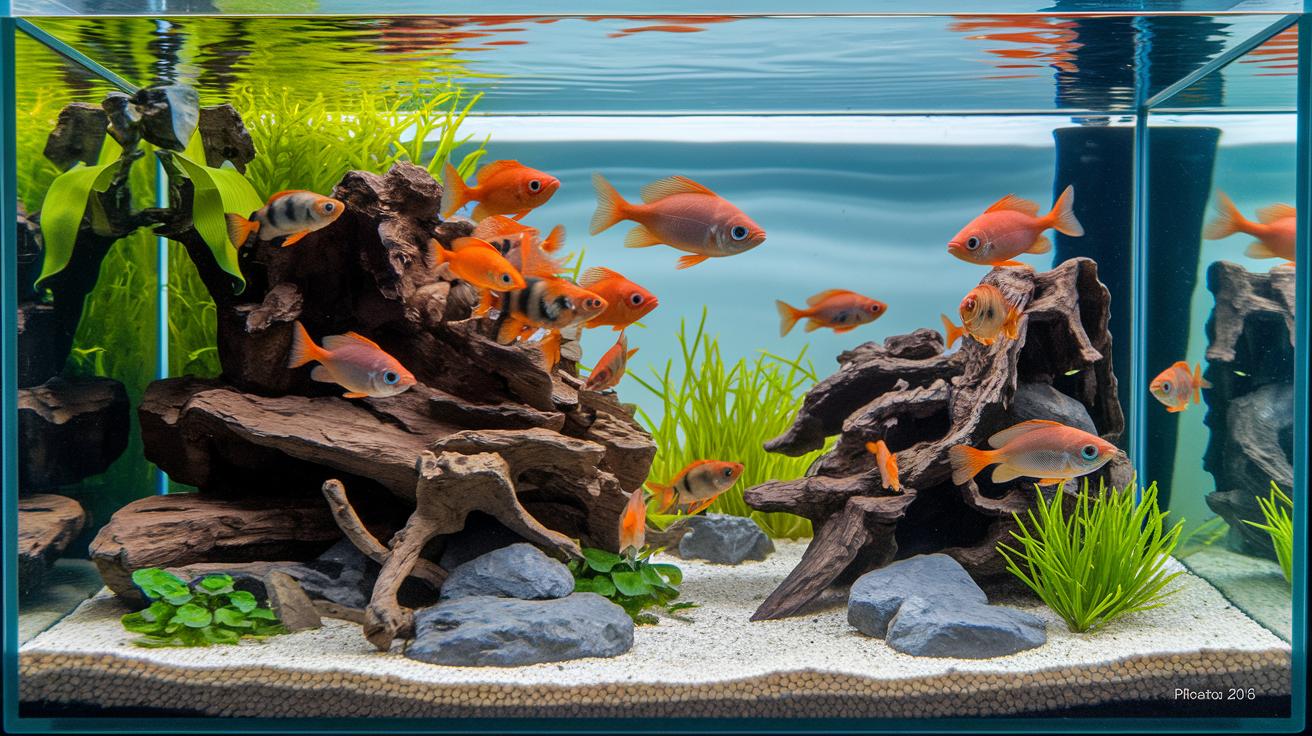
Regular water changes are the heart of a well-loved tank. When you trade out about 20-30% of your water each week, you keep nasty nitrates in check. And by rinsing your filter parts with water from your tank every three to four weeks, you're helping the good bacteria work quietly to keep your water bright and clear.
Keeping an eye on your water’s numbers is just as important. Make sure the temperature stays cozy between 72°F and 78°F, check that the pH is around 6.8 to 7.4, and watch the general hardness (GH) to keep it between 4 and 12 °dH. A quick monthly look at your heater, filter, air pump, and lighting timers can catch small issues before they become big hassles.
Creating a simple maintenance calendar will really pay off. Mark down your weekly water changes, note when your filter needs care every two to four weeks, and set a monthly date for checking all your equipment. This keeps your routine neat and lets every fish glide around a thriving, well-cared-for tank.
Feeding and Nutrition for Freshwater Community Fish
Keeping your fish happy means feeding them regularly. Try feeding them twice a day, once in the morning and once in the evening, and only give them as much food as they can eat in about two minutes. This way, you avoid leftovers that can make your tank water dirty and you make sure every fish gets the nutrition they need. I remember when I adjusted my feeding portions in my early tanks, it saved me from cleaning up a big mess after each meal!
When planning meals for your fish, mix it up with different types of food. Many fish do well on good-quality flakes or pellets, but sometimes add live or frozen treats like brine shrimp, daphnia, or bloodworms for extra energy. Bottom feeders like Corydoras and Otocinclus appreciate sinking wafers, and plecos enjoy algae wafers. More active fish such as tetras, barbs, guppies, platies, and gouramis usually do great on a standard flake or pellet mix.
Tip: Keep an eye on your fish during feeding. If you see extra food left after two minutes, it might be a sign to cut back a little to keep your tank water clean and your fish healthy.
Troubleshooting for Freshwater Community Fish Tanks
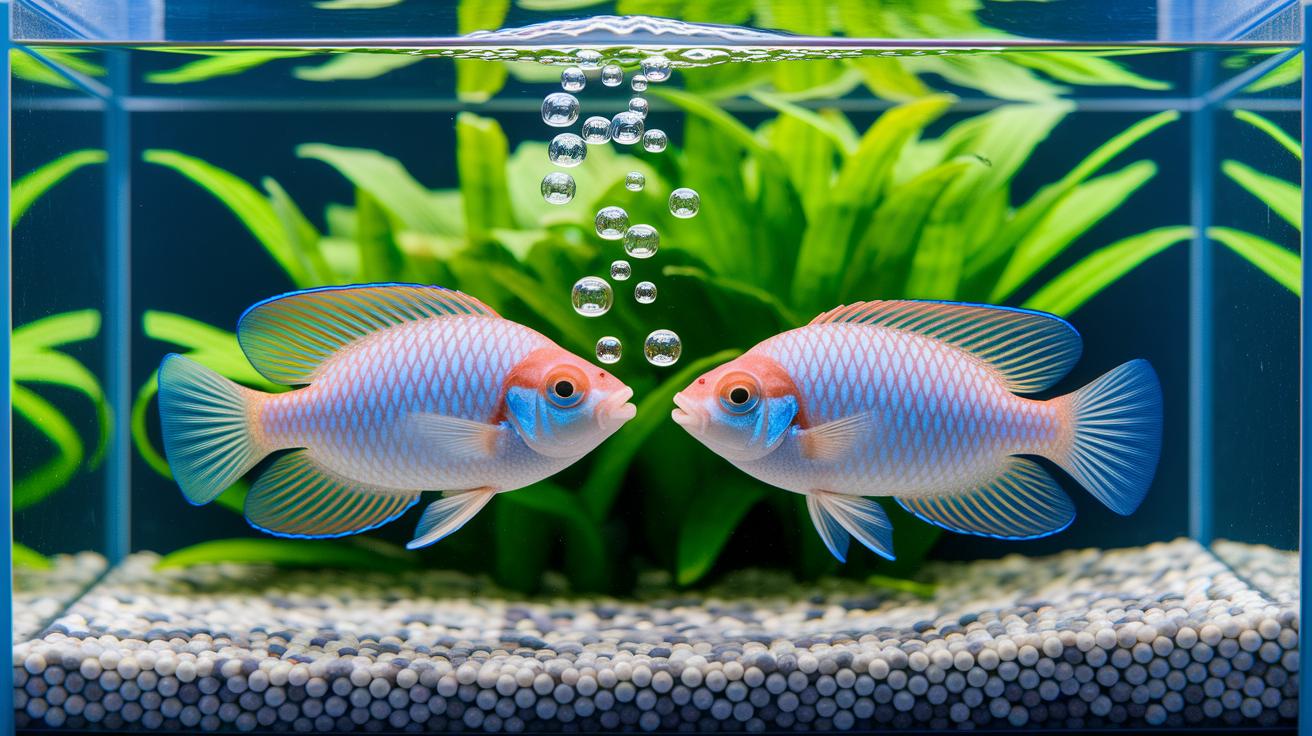
When you get new freshwater community fish, it's wise to set them aside in their own space for 10-14 days. This gives you time to watch them closely for any signs of common issues like ich or fin rot. I remember keeping my tetras separate until I was absolutely sure they were healthy before joining the group.
Keep your eyes peeled for any unusual fish behavior. If your fish start hiding, swim erratically, or show torn fins, it might mean they're stressed or something isn’t quite right. A little tip: treatments like methylene blue can help with fungal issues, and an aquarium salt dip might ease minor parasite problems.
It’s also important to manage your tank space well. A good rule of thumb is to allow one inch of fish per gallon of water to keep them comfortable and healthy. And if you notice overcrowding or persistent issues, don’t hesitate to reach out to an expert for some extra guidance.
Final Words
In the action, we reviewed a practical way to set up your tank with balanced species and a lively setting. We covered key tips on choosing the right mix of fish, maintaining water quality, and fine-tuning feeds to keep your aquatic home thriving. Each section helped explain how to bring together aesthetics and care, supporting your goal of creating an ideal environment for freshwater community fish. Enjoy setting up your space, and may every ripple remind you of the joy your tank brings.
FAQ
What are some examples of large peaceful community fish?
The term “large peaceful community fish” often includes species such as the Bristlenose Pleco, which remains calm and provides balance in freshwater tanks by coexisting well with more active companions.
What are some common freshwater community fish species?
The common list of freshwater community fish includes Neon Tetra, Cory Catfish, Cherry Barb, Guppy, Platy, Dwarf Gourami, Otocinclus, and Rummynose Tetra, creating a diverse and lively aquarium.
Where can I buy freshwater community fish?
Freshwater community fish are found at local pet stores and online aquatic retailers. Purchasing from trusted sources means you receive healthy fish and proper acclimation guidelines to begin your tank off right.
What are ideal tank mates for a freshwater community setup?
Ideal tank mates for a freshwater community setup include species with similar water needs and gentle temperaments like Neon Tetra, Guppy, and Cory Catfish, ensuring a balanced and harmonious aquarium.
What is a freshwater community fish compatibility chart?
A freshwater community fish compatibility chart groups species by behavior, size, and water preferences, helping you choose matching tank mates that live peacefully and establish a well-organized community aquarium.
Which community fish combinations enhance a freshwater aquarium?
Community fish combinations work best when mixing schooling species like Neon Tetra with bottom dwellers such as Cory Catfish and mid-level swimmers like Cherry Barb, ensuring every fish thrives in its own niche.
How many community fish can live in a 20-gallon tank?
In a 20-gallon tank, you can usually keep between 15 to 20 small community fish. Always check the size and temperament of each species to avoid overcrowding and ensure a stress-free environment.