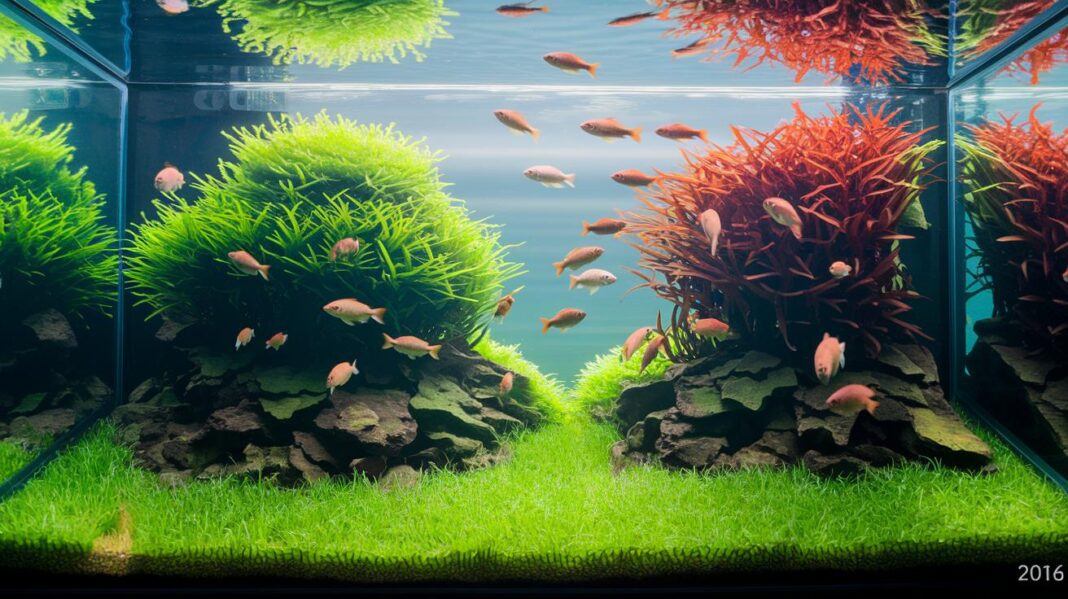

Ever thought your aquarium could feel like stepping onto a soft, green rug? Carpeting plants can transform a plain tank into a vibrant, natural scene that’s as beautiful as it is useful.
These plants act like nature’s own filter, they soak up extra nutrients, keeping your water clear and healthy. Imagine low-growing species like Dwarf Hairgrass spreading out across the tank floor, creating a lush, living carpet that catches your eye and gives your fish a cozy place to swim.
It’s amazing how a few simple plants can turn any aquarium into an inviting underwater oasis.
Carpeting Aquarium Plants: Lively green design
Carpeting aquarium plants, such as Dwarf Hairgrass and Java Moss, grow very low and spread out to cover your tank’s floor like a soft, green rug. They create a beautiful, dense layer that not only makes your aquarium look lively and full of life but also acts like nature’s own water filter by taking up extra nutrients. Imagine a tiny underwater landscape where each small leaf plays an important role in keeping the water clean and balanced.
These plants also make a great hideout for little fish and invertebrates, adding layers to your tank’s design. They clearly mark the foreground, letting you showcase other decorations like rocks or driftwood in the midground and background. Some fish keepers even say that a well-planted carpet can help keep algae at bay because it competes for the nutrients algae need to grow.
Using carpet plants in your aquarium is like laying out a living rug that brings everything together. Their simple, even growth creates an inviting, natural look while helping keep your water clear. Perfect for smaller tanks where every inch matters, these plants bring calm and balance to your aquatic world, blending stunning looks with real benefits for your fish friends.
Popular Carpeting Aquarium Plant Species
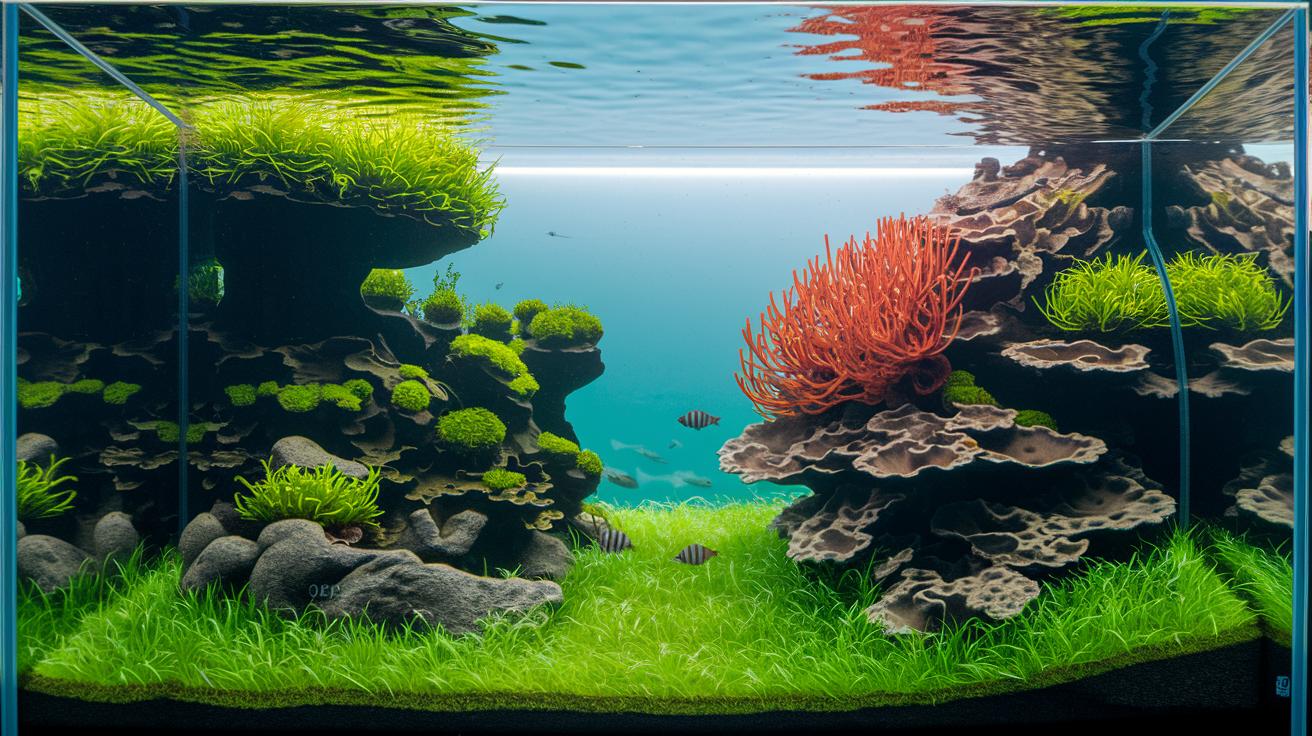
Carpeting aquarium plants bring a lively, green rush to your tank while serving up both beauty and practical benefits. When choosing your underwater rug, think about how the plant looks, how quickly it grows, and the kind of home it needs. Some have tiny, delicate leaves that join together like a snug, woven mat. Others boast a grass-like charm that brings a natural vibe to your aquatic world.
Imagine watching Dwarf Baby Tears spread out into a soft, green blanket that gently covers your substrate. Each species has its own character and charm, making it easier for you to pick the one that fits your underwater dream.
| Species | Light Requirement | CO₂ Needs | Growth Rate |
|---|---|---|---|
| Dwarf Baby Tears (Hemianthus callitrichoides) | High (80–100 µmol) | High (CO₂ injection beneficial) | Fast |
| Monte Carlo (Micranthemum ‘Monte Carlo’) | Moderate | Low-Moderate (adaptable to low-tech) | Moderate |
| Glossostigma elatinoides | High | High (requires extra CO₂ for best spread) | Fast |
| Dwarf Hairgrass (Eleocharis parvula) | Moderate-High | Low-Moderate (can thrive in low-tech tanks) | Moderate |
| Micro Sword (Lilaeopsis brasiliensis) | High | High (needs CO₂ and proper fertilization) | Rapid |
Monte Carlo is a friendly choice, especially if you’re new to tank keeping. Its forgiving nature means it does well even when light and water nutrients are nicely balanced. Glossostigma, on the other hand, lights up your tank floor with tiny round leaves that spread quickly when there's plenty of light and CO₂. Then there's Dwarf Hairgrass, which gives your aquarium that wild, natural seascape look without demanding high-end equipment. And if you're running a high-tech setup, Micro Sword is your go-to, thriving under strong lighting and steady CO₂ boosts to create a vivid, flourishing carpet.
Sometimes watching these plants spread is like catching a mini nature marvel right in your tank. Ever notice how mesmerizing it is to see a little patch of green grow and transform your aquarium into a lively underwater garden?
Key Tank Conditions for Carpeting Aquarium Plants
Lighting Requirements
Carpeting plants need the right kind of light to form a beautiful, thick green blanket on the bottom of your tank. Aim to have a light intensity of over 50 µmol at the substrate, though many aquarists find that 80–100 µmol really encourages the plants to spread out nicely. Using dependable LED or T5 lighting ensures that every little corner gets its share of brightness. Keeping your lights on for about 8 to 10 hours a day gives the plants a steady rhythm, just like the gentle push and pull of ocean tides. Setting a timer for your lights can make it feel like nature’s own day and night cycle, helping your plants feel calm and secure.
Substrate Selection
The base your plants grow in is as important as the light that feeds them. A nutrient-rich, loamy substrate works best, ideally with equal parts clay, silt, sand, and a splash of organic matter (no more than 20% organics). This mix gives your carpet plants the essential nutrients they need to develop their roots and spread evenly without wasting any vital space. Both beginners and experienced aquarists often choose commercial aquasoils to keep things simple and effective. In shallow tanks, those under 12 inches deep, the substrate benefits from more light and better gas exchange, almost like a clear, bubbling brook that keeps everything fresh and lively.
Stable Water Parameters
Stable water chemistry is key for keeping your carpet plants happy and thriving. Aim to keep the pH between 6.5 and 7.5, along with moderate water hardness, to support steady growth even when light might be a bit low. Regularly check your general hardness (GH) and carbonate hardness (KH) to prevent any sudden changes that could stress the plants. A routine of small water changes adds a refreshing touch, much like a cool dip on a hot day, helping to keep nutrient levels balanced and the environment calm. Together, these steady conditions let your carpet plants grow strong and lush, creating a little underwater garden that feels as natural as a peaceful stream.
Planting Techniques for Carpeting Aquarium Plants

Start by picking out bright, young plantlets that seem full of life. When you get ready to plant, gently place small clusters about 1–2 inches apart on your tank's substrate so every little group gets plenty of light and nutrients. This careful spacing helps the plants slowly blend into a smooth, green carpet instead of growing into clumpy patches.
It’s a good idea to ease the plants into your tank’s water conditions, which helps lower any stress or shock they might feel. Once they’re a bit used to their new home, press them lightly into the substrate so they set well. With time, their runners will gently connect, creating an even, beautiful layer across your aquarium floor.
Here are six essential tips for a thriving carpet:
- Specimen selection: Pick young, robust plantlets.
- Spacing: Leave about 1–2 inch gaps between groups.
- Acclimatization: Let plants slowly adjust to your tank water.
- Pressing runners: Gently tuck in runners so they stick.
- Initial trimming: Snip off any weak or damaged leaves.
- Shallow-tank considerations: Use shallow tanks to boost light reaching the substrate.
Taking your time with these steps will reward you with a lively, lush carpet that makes your aquarium look natural and inviting.
Nutrient and CO₂ Strategies for Carpeting Aquarium Plants
Liquid carbon supplements can be like a refreshing treat for your carpet plants. They let you skip the fuss of fancy CO₂ injection systems while still giving your plants the carbon they need to make food. Glutaraldehyde-based formulas act like a balanced vitamin boost, they feed your plants for healthy growth and keep unwanted algae in check. It works especially well for friendly species like Dwarf Hairgrass, Monte Carlo, Microsword, and Marsilea in a simple, low-tech tank.
Natural CO₂ alternatives offer a gentle, natural boost too. For example, mixing a tiny bit of topsoil into your substrate slowly releases CO₂ over time, just like a soft ripple of energy for your plants. You might also try adding fast-growing surface plants. As they grow, they naturally release CO₂, helping form a mini ecosystem where both surface and carpet plants flourish. Think of adding a water sprite that continuously gives off small bursts of CO₂, it’s a natural and clever way to support your underwater garden.
With either liquid carbon or natural CO₂, you can dodge the high costs and complexity of dedicated CO₂ systems. Sure, a few species like Glossostigma and HC Cuba might still need a bit of extra attention and occasional nutrient treats, but a well-fed substrate teamed with these strategies usually keeps most carpeting plants healthy. Using these techniques can simplify your routine and create a lush, green carpet that makes your aquarium feel as calming and beautiful as a gentle underwater dance.
Maintenance and Troubleshooting for Carpeting Aquarium Plants
Keeping your carpet plants happy is all about a steady, gentle care routine. I like to think of it as giving your underwater garden a weekly spa day: a 25% water change keeps things fresh and balanced, while just the right mix of macro and micronutrients helps your plants thrive and keeps algae at bay. It’s like checking a friend’s pulse, regular pH and hardness tests help you catch any small changes before they become big problems.
Here are some friendly reminders:
- Stick to a regular nutrient dosing schedule that gives your plants the essentials they need.
- Change 25% of your water every week for a refreshing reset.
- Check your tank’s pH and hardness often to keep conditions steady.
Sometimes you might notice slow sideways growth, patchy coverage, or little green algae spots. When that happens, try adjusting your light intensity, it can give your plants a little extra push to spread out. A small tweak to your nutrient mix might also help them bounce back. And if you’re looking for a natural fix, think about inviting in a few algae-eating shrimp or small fish like Otocinclus or cherry shrimp. They’re great at keeping algae under control while adding a bit of lively charm to your tank.
With these simple steps, your carpet will soon look as vivid and inviting as a sunlit reef. Enjoy watching your aquatic paradise flourish!
Aquascape Inspiration with Carpeting Aquarium Plants
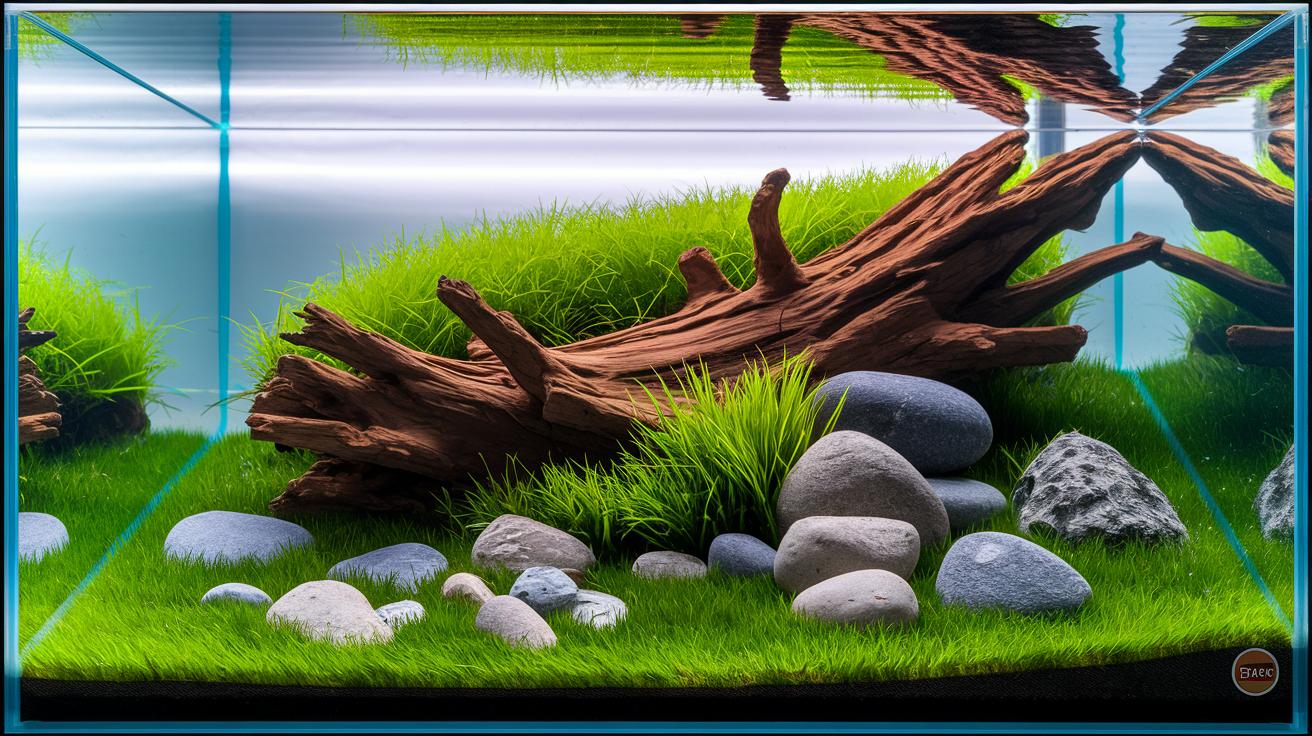
Imagine a tank where tiny strands of Dwarf Hairgrass create a soft green carpet, set against driftwood and smooth stones that feel like nature’s artwork. It looks much like a peaceful riverside, calm and inviting. A gentle slope in the front makes sure every bit of the carpet catches the light, causing a lively swirl of green under your aquarium lights.
Now, picture adding some stem plants in the middle to bring a bit of height and a wild touch. Think of a scene where a vibrant carpet meets delicate running stems that add true depth and structure to the tank. Some setups let the green carpet shine on its own, similar to a living painting, while others bring in small shrimp that quietly trim algae, keeping the scene crystal clear. These ideas encourage you to play with nature, balancing hard elements like wood and stones with the soft, living textures beneath, turning your tank floor into a stunning underwater display.
Final Words
In the action of this discussion, we've explored how to create a thriving aquatic floor using live, lush greenery. We covered species comparisons, ideal tank conditions, practical planting methods, and nutrient tips that work together to build a perfect underwater scene. Each section builds on the next to help you create a calm, balanced space for your aquatic pals. Embrace these ideas and enjoy the art and benefits of carpeting aquarium plants while watching your tank transform into its very best self.
FAQ
Are carpeting plants good for an aquarium?
Carpeting plants are good for an aquarium because they create a lush, low-growing foreground that improves water quality by absorbing excess nutrients while adding visual depth and natural habitat for tank inhabitants.
Which carpeting aquarium plants thrive without CO₂ injection and suit beginners?
Carpeting aquarium plants like Monte Carlo and Dwarf Hairgrass often thrive without CO₂ injection. They adapt well to simple setups, making them beginner-friendly choices for creating a natural carpet in your tank.
What is the easiest aquarium plant to carpet?
The Monte Carlo plant is considered one of the easiest to carpet because it requires moderate light and minimal extra CO₂, allowing newcomers to establish a graceful green carpet with less fuss.
What is the fastest growing carpet plant for aquariums?
Glossostigma elatinoides is known for its rapid growth, quickly forming a dense carpet under proper lighting and nutrient conditions, which makes it a go-to option for aquascapers seeking speedy coverage.
What is the best substrate for carpeting plants?
A nutrient-rich, loamy substrate—typically a blend of clay, silt, and sand—provides the right support for carpeting plants’ roots, promoting robust growth and a consistent carpet look in your aquarium.
What types of carpeting plants can I find for my aquarium?
Aquatic carpeting options include Monte Carlo, Dwarf Hairgrass, Java Moss, and Glossostigma. Each variety offers unique textures and growth habits to enhance the beauty and balance of your tank’s landscape.
Where can I buy carpeting aquarium plants?
Carpeting aquarium plants are available at local aquarium supply stores and through reputable online retailers. Look for sellers with plant care tips to help you choose the best species for your tank.