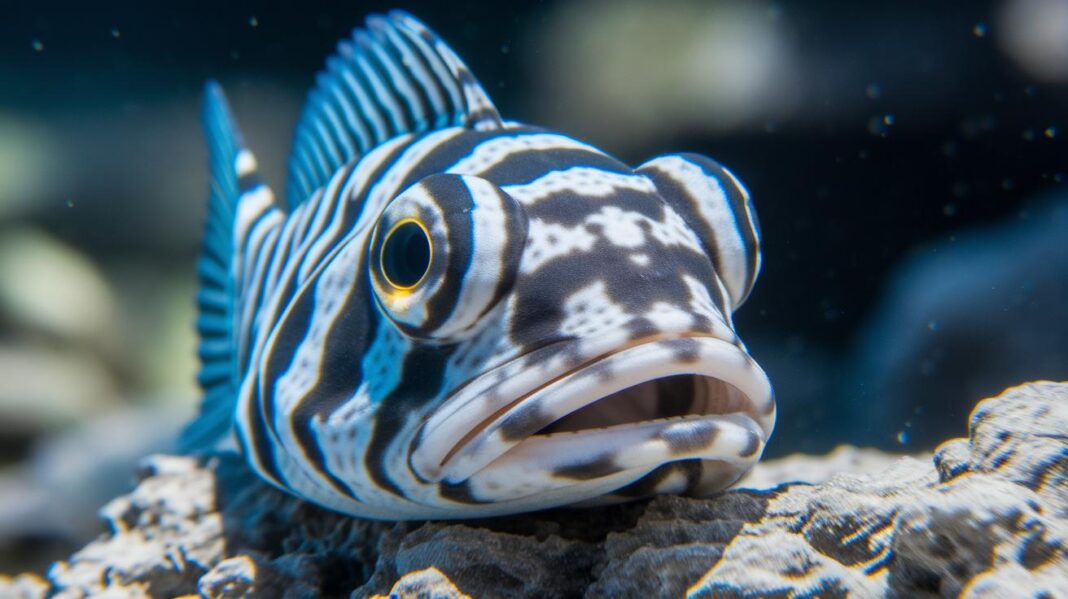

Ever wonder how fish keep their gills safe while swimming in flowing water? Fish have a special shield called the operculum that protects their gills and helps them breathe easily, almost like smooth water gliding over cool pebbles.
This sturdy cover is made of four main parts. It not only guards the delicate gills but also hides tiny canals that sense even the softest water movements. In this article, we dive into how this natural shield keeps fish healthy and ready to thrive in their underwater world.
Operculum of Fish: Definition and Essential Roles
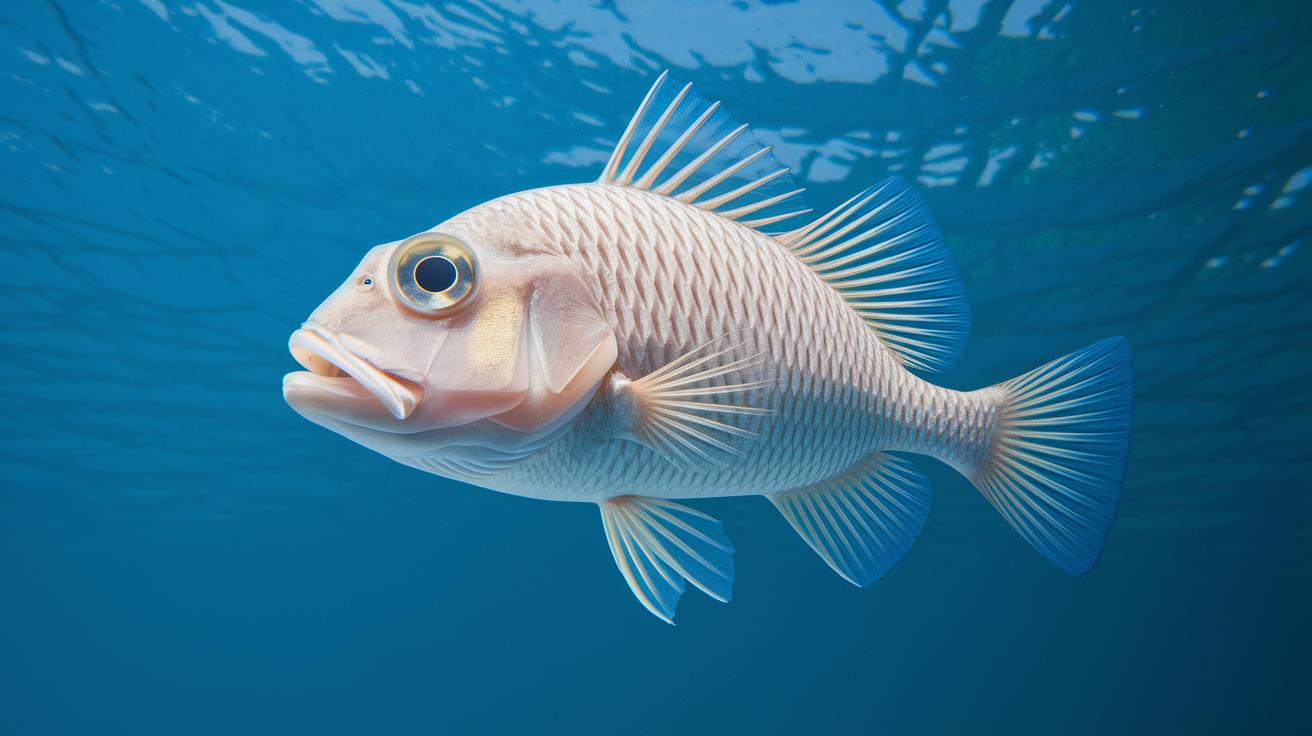
The operculum is like a sturdy cover that protects a fish's gills. In bony fish, it’s made of four main parts: the preoperculum, suboperculum, interoperculum, and the operculum plate. Think of it as a natural shield that not only supports a fish's face but also guards its precious gills.
This cover has a special job. It holds a sensory canal, the preoperculo-mandibular lateral line, that helps fish pick up on water movements when they feed or breathe. Since it’s one of the first bony parts to form when a fish is growing, the operculum is key to making sure fish can breathe well and absorb the nutrients they need.
Key functions of the operculum include:
- Providing firm support to keep the fish’s head stable.
- Protecting the delicate gills from debris and injury.
- Housing sensory canals that help detect water movements.
- Guiding water smoothly over the gills for better oxygen exchange.
By neatly covering and guarding the gills, the operculum helps water flow just right, making sure fish can breathe easily. It’s like nature’s own safety net, keeping these underwater creatures vibrant and healthy while they go about their daily swim and feast.
Operculum of Fish: Fascinating Natural Structure
Preoperculum
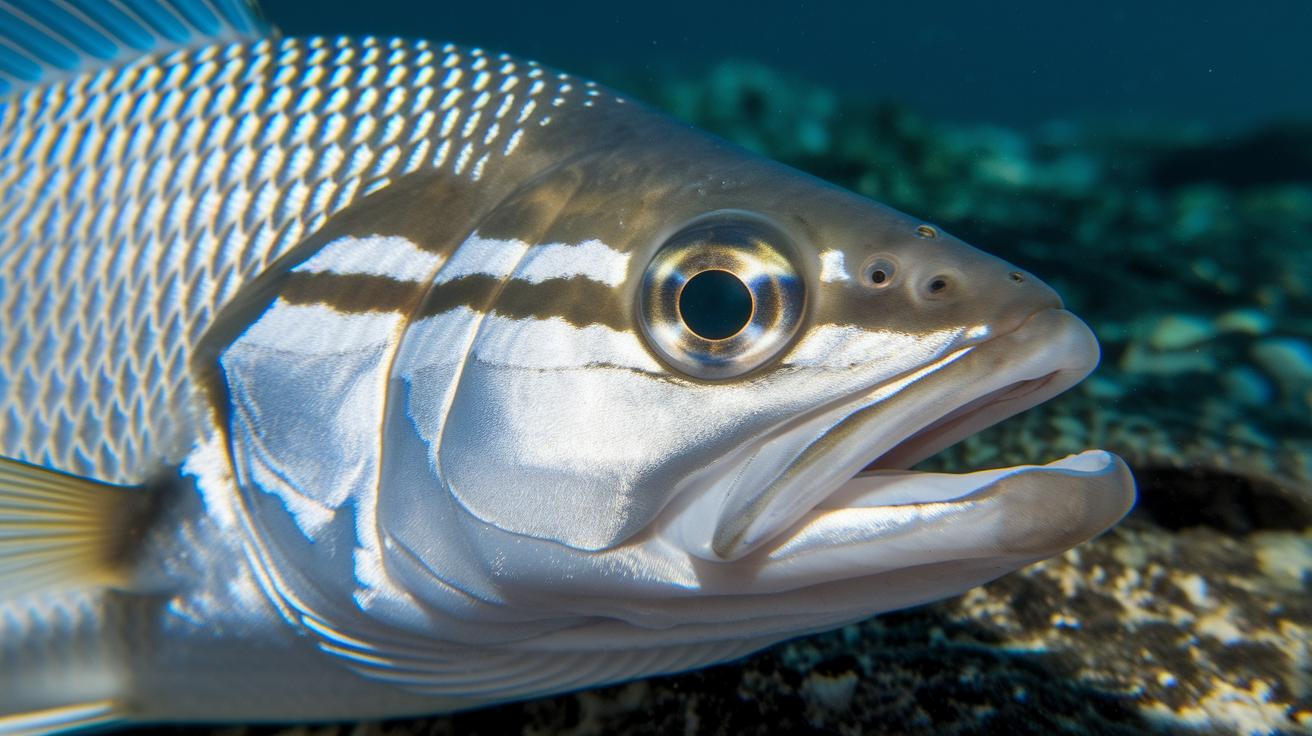
The preoperculum is the first curved bone in a series that forms the fish’s gill cover. It has gentle ridges leading to small pores that help the fish sense its environment. Often, it looks a bit like a boomerang with a horizontal part that rests over the interoperculum and a vertical part that slides over the opercle. Some fish even have tiny spines or fine teeth on it, which boosts both protection and sensory ability. This special design is key to keeping water flowing nicely over the gills.
Suboperculum
The suboperculum sits right beneath the large operculum plate and acts like a sturdy supporter for the gill cover. It is found just behind the preoperculum and helps keep the fish’s face steady while swimming. Its strong structure spreads out the force of movement, which makes sure the operculum stays in place. Even though it might seem plain, this bone is essential for the overall gill cover system and for smoothing the water flow over the gills.
Interoperculum
The interoperculum is a slim bone that works like a bridge, linking the preoperculum with the main operculum plate. This delicate connector holds the gill cover together and neatly joins the tiny sensory canals. Even though it is modest in size, the interoperculum is vital for letting the gill cover move flexibly, so the water flows efficiently over the gills.
Operculum
The operculum is the broad, protective plate that covers the gill arches. It forms the final shield between the sensitive gill tissues and the surrounding water. With its wide shape, the operculum can absorb bumps and guide water smoothly during breathing. Many fish have evolved unique shapes and thicknesses in this bone to suit different watery homes, boosting its role in protection. Overall, the operculum is incredibly important for a fish’s survival, ensuring that its breathing remains safe and strong.
Respiratory Mechanics of the Fish Operculum
Imagine the fish’s operculum as nature’s own water pump, gently moving water one way over its gills in a calm, rhythmic beat, much like the slow dance of waves along a sandy shore. When a fish opens and closes this bony flap, it creates a steady current that washes fresh water past each gill filament, making sure every bit of water is packed with oxygen for the fish to breathe easily.
It’s pretty cool how this movement works, almost like how a breeze carries a whiff of fresh air right to your nose on a crisp morning. In fact, the operculum’s rhythmic motion is guided by a special sensor, the preoperculo-mandibular sensory canal, that picks up on tiny changes in water flow. This means when there’s a rush of food or a small shift in the water around it, the fish can adjust its pumping to keep everything running smoothly.
Every time a fish “breathes” by this method, it gets a new gulp of oxygen-rich water, much like taking a deep, refreshing breath on a sunny day. This efficient process keeps the gills clear from the old water, reducing any chaotic swirls around them and making it easier for the fish to glide gracefully through its underwater home.
The blend of gentle mechanical movement and smart water flow is what makes the operculum so important. It perfectly balances the fish’s need to eat and breathe, much like finding just the right current when you’re swimming in a lazy river, helping the fish stay energetic and healthy in its watery world.
Evolutionary Development of the Fish Operculum
Nearly 430 million years ago, the first gill covers began to emerge. Early fish built bony shields to keep their tender gills safe while making breathing a little easier. Fossils show us these early, simple structures that later evolved into the advanced gill covers we see today. It’s like nature slowly fine-tuning a vital piece of underwater gear.
Modern genetics adds a cool twist to the story. Researchers have found that fish and even land animals share similar gene blueprints for building parts of their faces and heads. In plain language, the same basic instructions were reused to create different features, each serving its own important job. It’s pretty amazing how shared genes helped make life a bit more secure for many creatures.
And the benefits of the operculum are crystal clear. By keeping the head steady and protecting those delicate gill tissues, this structure has let fish thrive in all kinds of watery homes. Its lasting presence over millions of years reminds us that even the tiniest change can be a real game-changer for survival.
Comparative Morphology of Fish Opercula Across Species
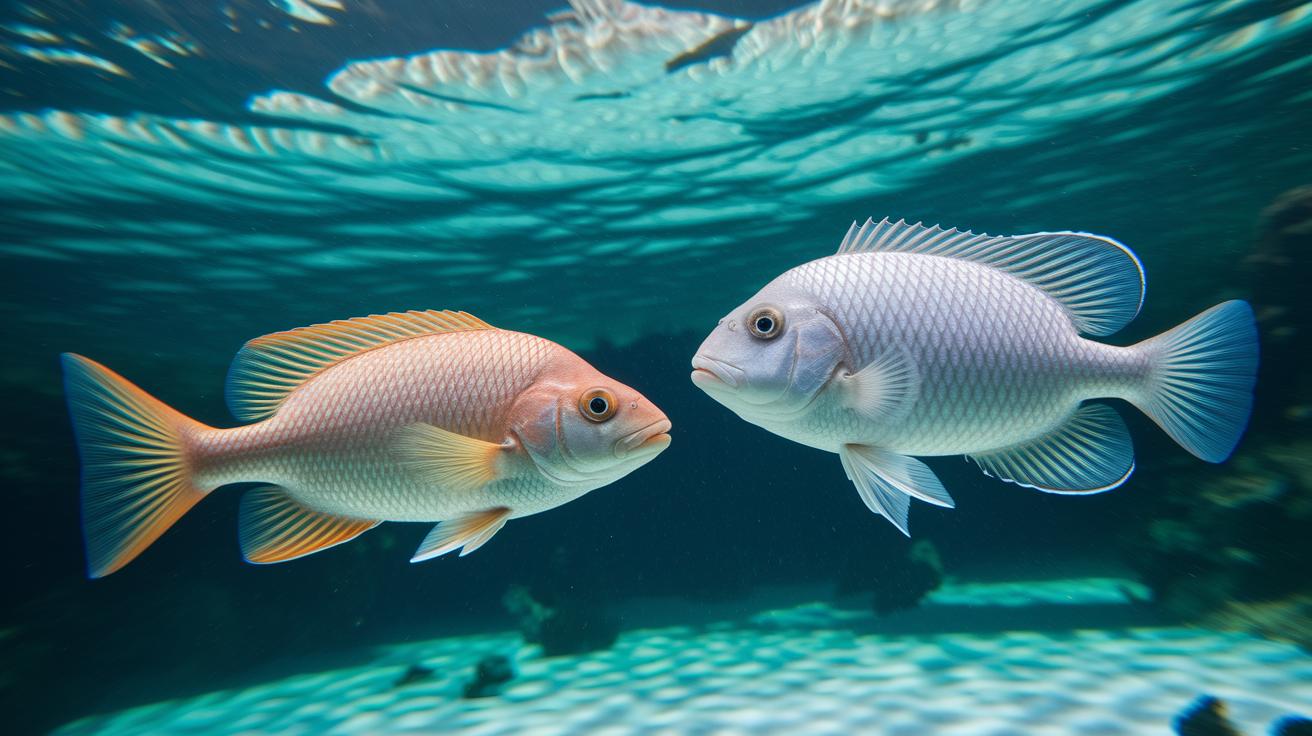
Fish opercula show us nature's creativity in design, each one shaped by the fish's way of life and the waters where they swim. Some fish have designs that help push water over their gills for breathing, while others have tougher parts that act like armor. For example, in places where predators are plenty, you might see tiny spines or little teeth on the front edge, which help the fish feel their surroundings and defend themselves. Meanwhile, in calm or structured waters, many fish have more rounded or sleek opercula that let water flow gently by to keep their breathing smooth. Even tiny changes in bone shape or surface can be a big help for a fish living in its unique home.
Below is an HTML table that compares four groups of fish. Each row shows how different shapes and textures on the operculum are suited to the fish's way of life. Note how species like salmonids use longer, narrow plates to keep water moving fast over their gills, while the smooth, rounded design of cichlids helps them stay safe among rocks. These differences tell us that each fish has evolved its own style to tackle its surroundings and challenges.
| Species | Operculum Morphology | Adaptive Feature |
|---|---|---|
| Salmonids | Elongated, streamlined plate | Optimizes water flow in fast-moving streams |
| Cichlids | Rounded, robust shape | Provides protection in rocky, structured habitats |
| Catfish | Preoperculum with fine teeth | Enhances sensory detection in murky waters |
| Pufferfish | Spiny, textured operculum | Deters predators and manages sudden water shifts |
Operculum Health in Aquaculture and Aquarium Care
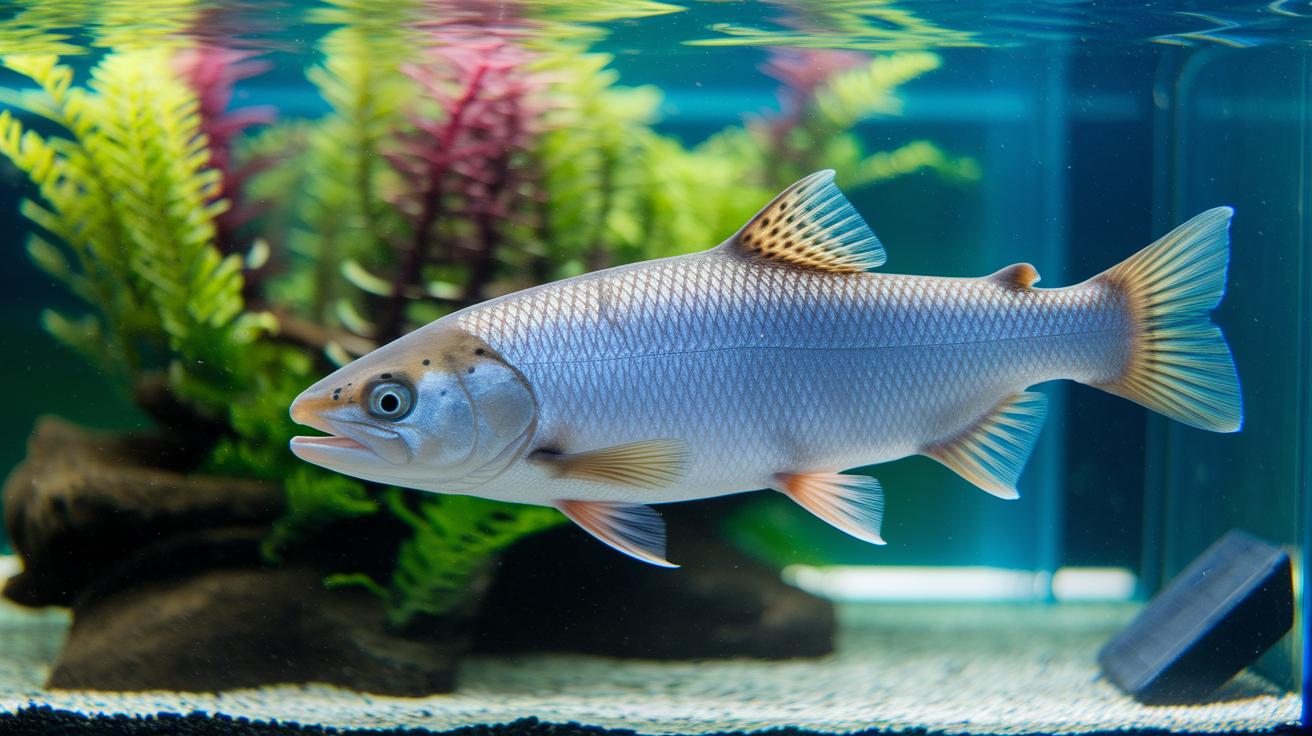
Sometimes fish, whether living in a farm or a home aquarium, show odd changes in their gill covers, known as the operculum, which can make breathing harder and sap their energy. In some young salmon, nearly 80% might have a shortened operculum. These changes, along with other bone quirks around the gill cover, can reduce the smooth water flow needed for proper breathing.
That’s why it’s important to watch for these signs carefully. Issues can come from less-than-ideal water quality or a lack of essential nutrients in their food. For anyone who keeps an aquarium, glancing at how the fish’s operculum works is a key daily step.
Common signs that a fish might be struggling with its operculum include:
- An unusual shape or a misaligned gill cover
- Noticeable shortening or unevenness in the operculum
- Changes in color or texture around the gill area
- Slower movement or labored breathing
- Behavior that shows stress, like hiding or swimming erratically
In both aquaculture and aquarium settings, keeping the water clean and ensuring proper nutrition can really help prevent these problems. Good cleaning supplies for your tank (https://sweetfysh.com?p=50) keep the water sparkling and free of build-up. Likewise, quality fish care products (https://sweetfysh.com?p=238) support strong, healthy fish.
Regular check-ups and quick responses to any of these signs help the operculum do its job well. With thoughtful care and regular monitoring, you can reduce stress on this vital area and keep your aquatic friends thriving, just like a peaceful stream keeping its flow steady.
Final Words
In the action of exploring fish gill cover roles, detailing bone components, and unpacking respiratory mechanics, this article showcased how to create a balanced, eye-catching tank. It touched on evolutionary aspects and compared different species while offering care tips for aquaculture and aquariums. Every step aimed to make fish care both simple and engaging. Enjoy applying these ideas as you refine your aquatic setup, learning more about the operculum of fish along the way.
FAQ
What does an operculum do for fish?
The operculum in fish covers the gills, protecting them while helping to pump water for breathing. It supports respiration and plays a role in feeding efficiency.
What does an operculum look like?
The operculum is a bony, protective flap that covers the gill arches. It is made up of several bones, often with an L- or boomerang-like shape, and may have small tooth-like features.
What happens if the operculum is damaged in fish?
Damaged opercula can reduce water flow over the gills, hampering breathing. This may lead to stress, potential infection, and overall reduced vitality in the fish.
What is an operculum tooth in fish?
The term refers to the small, tooth-like structures found on parts of the operculum. These fine teeth aid in defense and sometimes in the processing of food.
What is an operculum in gastropods?
In gastropods, the operculum acts like a door to seal the opening of their shell. It provides an extra layer of protection against predators and environmental hazards.
How does the operculum function in fish aquariums?
In aquariums, a healthy operculum ensures proper water flow over the gills for effective oxygen uptake. Keeping the tank clean helps maintain your fish’s respiratory health and overall well-being.