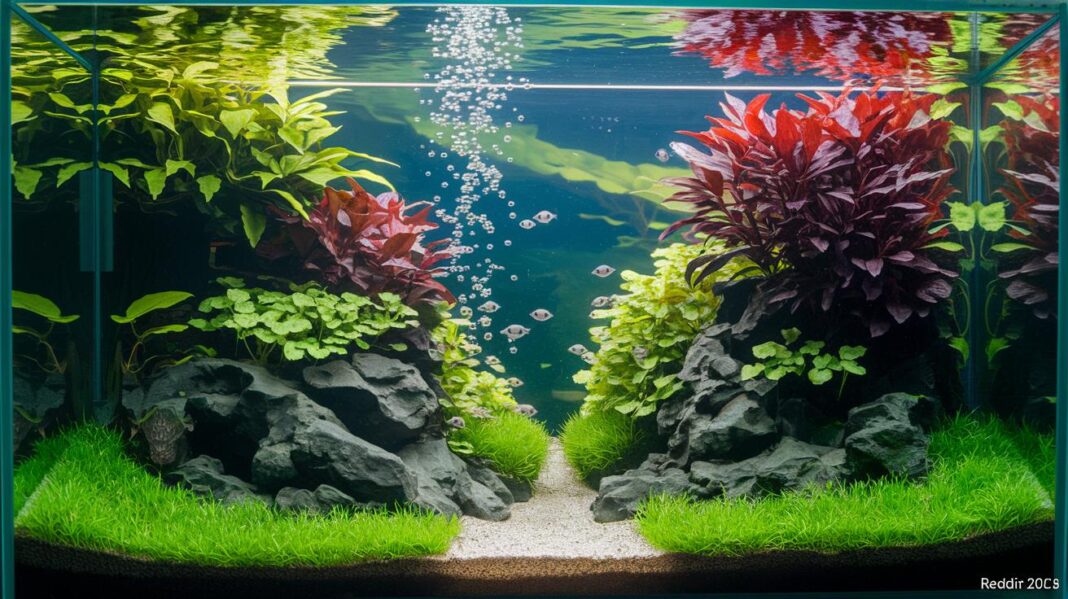

Ever wondered if your aquarium could be like a mini pond that takes care of itself? Imagine it becoming a little water garden where the plants and fish live in perfect harmony. Start by choosing a sunny or cozy spot, add a nutrient-rich layer at the bottom, and introduce some fast-growing plants that work like nature's own cleaners. This simple setup quietly filters your water while keeping your fish smiling and your work light. It’s like creating your own balanced underwater community right at home. Ready to watch nature bloom right in your living room?
Blueprint for Creating Micro-Ecosystems in Your Aquarium
Begin by choosing a spot in your home where natural light is low and the temperature stays steady. Think of your self-sustaining aquarium as a tiny, natural pond where plants soak up ammonia and nitrates from fish waste and decaying matter. Fun fact: even a small drop of water in a peaceful pond can come alive with countless tiny organisms working together to keep things balanced.
Imagine designing your aquarium like setting up a delightful underwater puzzle. You plan the cycle, add the right plants, and then introduce just a few fish to create a charming mini habitat. Using fast-growing stem and floating plants not only helps with nutrient absorption but also keeps algae in check.
- Pick a stable spot where the temperature remains constant.
- Create a nutrient-rich substrate and get ready for the nitrogen cycle (that friendly process where harmful waste turns into plant food).
- Let the tank run empty at first so good bacteria can settle in.
- Plant a mix of speedy-growing stem and floating varieties.
- Introduce your early fish slowly to keep nitrate levels in check.
- Use LED lighting for 6 to 8 hours each day to give your plants the boost they need.
Patience is key as your micro ecosystem starts to thrive. The nitrogen cycle, powered by beneficial bacteria, transforms toxic ammonia into nitrites and then into nitrates. This steady buildup of life supports lush plant growth and creates an environment where fish and invertebrates can live naturally and happily together. Isn't it amazing how setting up an aquarium can feel like watching nature unfold right before your eyes?
Core Aquatic Habitat Design Essentials for Micro-Ecosystems
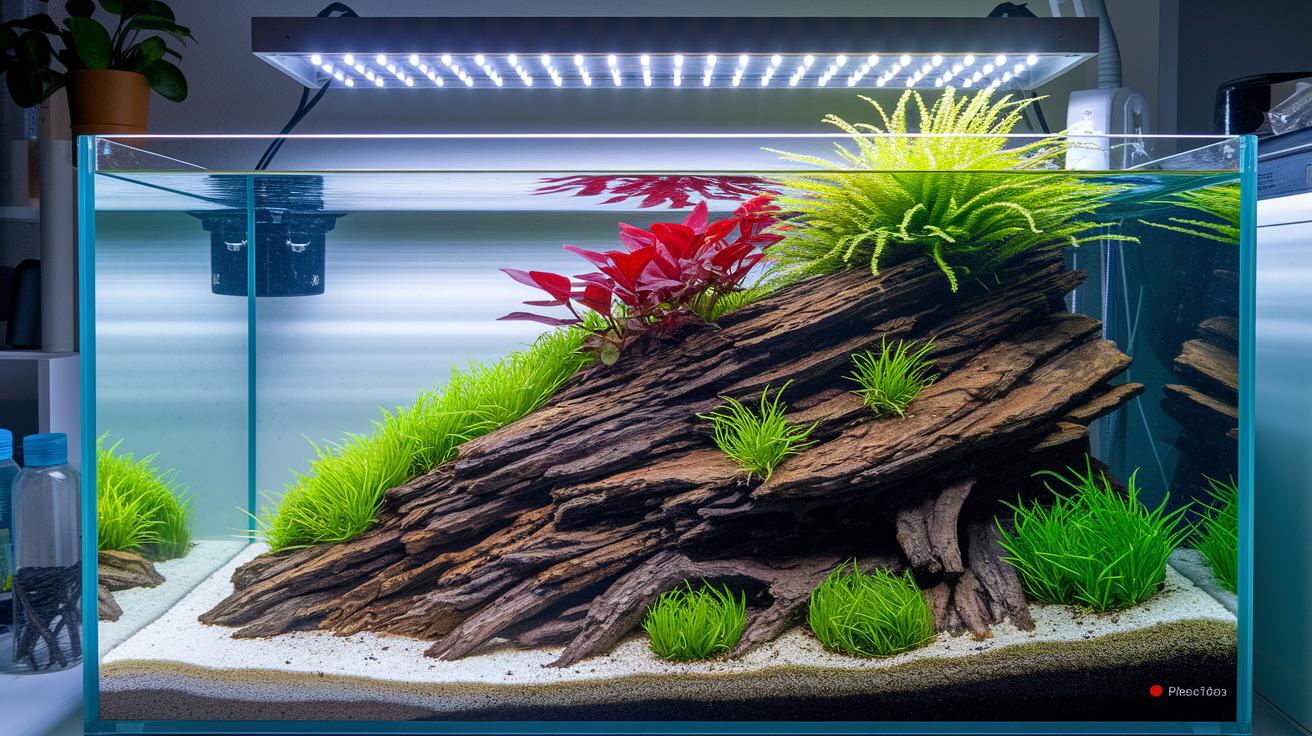
Start with a nutrient-packed layer about 1.5 to 2 inches deep. This bottom layer acts like a sturdy foundation for your underwater garden, giving plants the minerals they need and keeping their roots snug.
It not only anchors your plants but also slowly releases vital nutrients, almost like nature’s gentle feeding ritual that helps them grow strong and healthy. Adding a bit of all-in-one plant food gives a little extra boost to plants without strong roots, making your tank feel more like a natural stream.
A deep sand bed might take some patience to set up, but trust me, it’s worth it. Underneath the sand, friendly bacteria work hard to break down extra chemicals, keeping the water calm and clear over time.
Then, there’s the magic of a dedicated LED plant light with adjustable brightness. By mimicking a perfectly set sun, it helps your plants turn light into energy while keeping those pesky algae blooms under control.
When you bring all these elements together, you’re crafting a tiny, natural world that feels as close to nature as a gentle ripple on a quiet pond. By balancing the right substrate, lighting, and nutrient delivery, your micro-ecosystem will flourish with minimal upkeep.
Creating micro-ecosystems in your aquarium: Thrive Naturally
Imagine designing your tank like you’re putting together a tiny, magical underwater village. Mixing different plants and animals creates not only a pretty view but also a system that naturally keeps the water clear and balanced. Each little resident plays a special role, much like members of a close-knit community that work together to maintain a healthy, sparkling home.
Recommended Plant Species
- Anubias – This plant grows steadily even in low light, adding shape and interest without needing much fuss.
- Java Fern – A resilient option that adapts well, offering a soft, green background.
- Amazon Sword – A sturdy plant that beautifies your tank and helps soak up extra nutrients.
- Hornwort – A fast-growing water helper that boosts oxygen levels.
- Water Sprite – A floating plant that quickly covers open spaces, softening harsh light and keeping algae in check.
- Dwarf Sagittaria – A compact but vigorous plant that enriches the tank’s natural look.
Recommended Animal Species
- Neon Tetras – These small, calm fish add splashes of color and help with gentle water movement.
- Cherry Shrimp – Hardworking cleaners that break down organic waste naturally.
- Mystery Snails – Great at grazing on biofilm while adding some fun, unique movement among the plants.
- Corydoras Catfish – Bottom dwellers that stir the substrate, which can boost overall tank health.
- Guppies – Lively swimmers that keep water moving and brighten up the scene.
- Amano Shrimp – Excellent grazers known for their knack for keeping algae under control.
Taking your time to introduce these plants and animals helps you keep a close eye on important water factors like ammonia, nitrites, and pH levels. Watching them interact is like enjoying the gentle flow of a stream, where every ripple plays its part in creating a thriving, natural ecosystem.
Mastering Water Chemistry and Biological Filtration in Micro-Ecosystems

Imagine your aquarium as a mini pond where friendly bacteria work quietly in the gravel and filter materials. These tiny helpers change ammonia into nitrites and then into nitrates, making sure your water stays clean and safe for your fish and plants. Keeping a pH between 6.5 and 7.5 is like giving these bacteria the cozy home they need to do their job well.
CO2 injection is another nifty trick to boost your aquarium’s vibe by helping plants take up more nutrients. With a CO2 setup, you might notice your plants grow faster and grab those extra nitrates, keeping the water balanced. But if you're running a low-tech tank, it's important to let the process of nitrate breakdown do its work to prevent too many chemicals from piling up. In the end, a little attention to these details keeps your little underwater world thriving like a lively stream.
Maintenance and Troubleshooting for Nano Habitat Development in Your Aquarium
Regular care is the lifeblood of your nano habitat. In the early days, topping off your tank simply makes up for water lost to evaporation, keeping your fish calm and happy. Checking your water often helps you catch tiny changes in pH, nutrients, or temperature before they turn into bigger issues. A few small tweaks to the light or nutrients can stop algae in its tracks, letting your little water world thrive without any stress.
Routine checks and scheduled tests save you from the messy business of big water changes. Instead of drastic fixes, try small, steady adjustments that maintain the perfect conditions for your fish, plants, and little critters. Every subtle change you make contributes to a balanced, self-sustaining habitat that almost takes care of itself.
Keep an eye out for little hints like changes in water clarity, shifts in plant color, or even if your fish behave differently. These small signals remind you when it's time for a quick check or a minor tweak.
Final Words
In the action, we outlined the design, setup, biology, and care needed for a thriving aquatic habitat. We discussed essential topics like substrate choice, lighting, water parameters, and a balanced mix of plants and animals.
Our guide helped simplify complex processes, making self-sustaining water systems accessible. Enjoy the process of creating micro-ecosystems in your aquarium, and watch your underwater world flourish with harmony and life.
FAQ
Frequently Asked Questions
What does creating micro ecosystems in your aquarium on Reddit mean?
Creating micro ecosystems in a fish tank on Reddit means sharing real-life tips and experiences where lights, plants, and small organisms work together to form a balanced aquatic habitat.
How is a self-sustaining fish tank ecosystem structured?
A self-sustaining fish tank ecosystem is organized with plants that take up fish waste, bacteria that process chemicals, and careful fish choices that help control algae, keeping nature’s balance in a small space.
What does an Aquarium Ecosystem project involve?
An Aquarium Ecosystem project involves planning the setup, cycling water, planting live species, and adding the right livestock to replicate a balanced natural habitat inside your tank.
What information does an Aquarium Ecosystem diagram show?
An Aquarium Ecosystem diagram shows how plant roots, fish, bacteria, and water flow interact. It provides a clear visual guide for designing and assembling your own balanced underwater system.
What does an Ecosystem fish tank setup kit include?
An Ecosystem fish tank setup kit generally includes substrates, live plants, bacteria cultures, and safe livestock selections. It helps beginners build a steady underwater habitat that takes care of itself.
How do self-sustaining aquarium plants thrive?
Self-sustaining aquarium plants thrive with regular light exposure and small doses of nutrients. They absorb waste and maintain water clarity, offering natural beauty and simple care for your tank.
What fish work best for a self-sustaining aquarium?
The best fish for a self-sustaining aquarium are small, hardy species that produce moderate waste and live peacefully together, aiding in keeping the nutrient balance just right.
How do you get micro organisms in an aquarium?
Getting micro organisms in an aquarium usually means adding substrate from an established tank or using microbial starters. These tiny helpers multiply to support a naturally balanced system.
Is it possible to create a self-sustaining fish tank?
Creating a self-sustaining fish tank is possible by setting up healthy plant growth, introducing beneficial bacteria, and selecting the right fish to naturally process waste and keep the water clear.
How do you make a self-sustaining ecosystem in a tank?
Making a self-sustaining ecosystem in a tank comes from proper water cycling, balanced numbers of plants and fish, and bacteria that manage waste, all working together to stabilize the habitat.
How do you naturally add CO2 to an aquarium?
Natural CO2 is added by maintaining a healthy mix of live plants and allowing organic matter to break down. This process boosts gas exchange and supports plant growth in your tank.