

Ever thought about swapping your aquarium water more quickly without breaking the bank on fancy tools? This guide walks you through creating super simple DIY water change systems using everyday parts.
You'll find easy tips that make maintenance feel less like a chore and more like a fun project. Think nifty pumps and spill-free setups that help you save time and money while keeping everything crystal clear.
So, why not try a little creative twist to give your fish a cozy, refreshed spot to swim around?
Achieving Efficient DIY Aquarium Water Change Systems
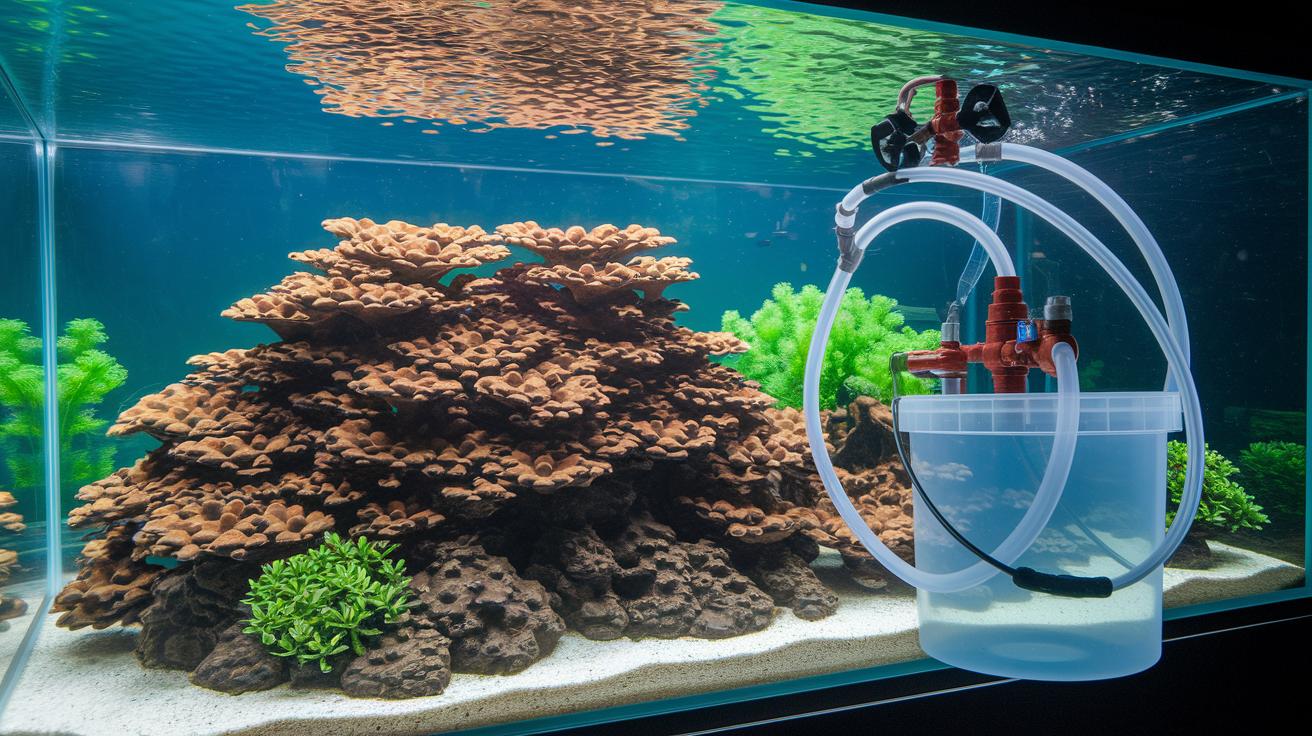
Many fish lovers in online communities are brainstorming clever ways to make water changes both easier and cheaper. For instance, one enthusiast managed to change 50 gallons of water in just half an hour using a simple setup that works like a charm. It's inspiring to see how passion and creativity flow through these projects.
Experienced aquarists bring a friendly, helpful touch by using smart, everyday parts that pack a punch. They rely on tools like ATO pumps placed in saltwater buckets (they help keep your tank running smoothly) and Python tubing that makes cleaning and filling spill-free. They also add inline and check valves to the mix. One post even said, "Imagine flipping a switch and watching your tank refresh without a hitch!" It’s a great way to save time and avoid messy work.
If you're on the lookout for a budget-friendly way to breathe new life into your tank, check out these cost-effective aquarium maintenance tips: https://sweetfysh.com?p=3262. DIY systems let you create a setup that matches your tank's needs perfectly, blending the smart touch of automation with simple, hands-on fixes. With quality parts and a bit of creativity, even these basic systems can outperform many commercial options.
This straightforward, easy-to-build design means every water change is quick, clean, and efficient. It’s a friendly nod to the creativity and passion that makes aquarium care such a joy for fish lovers everywhere.
Essential Components for Homebuilt Aquarium Water Change Mechanisms
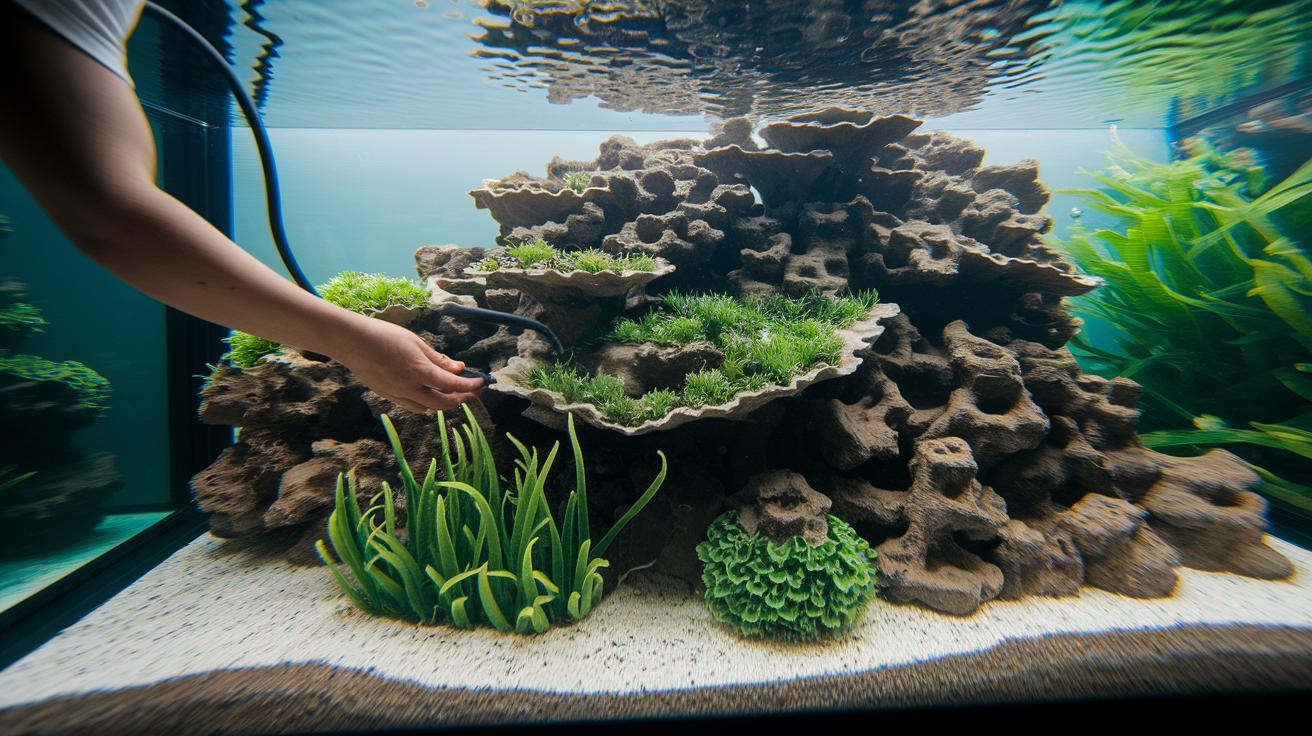
Many tank enthusiasts have discovered that a neat water change system can be finely tuned to meet your tank's special needs. One passionate aquarist once readjusted an inline valve after noticing the water wasn't flowing evenly. I even had a moment of surprise, thinking my tubing was to blame until I found out a misaligned check valve was causing the hiccup!
When things don't seem right, start by checking that your tubing is secure and that each valve is set up correctly. If your water levels seem off, take a moment to inspect each valve to see if it needs a little extra care. Some friends have even repositioned their return-line brackets to reduce noise and prevent small leaks, making their setups perfectly tailored.
| Tip | Description |
|---|---|
| Check for Blockages | Scan inline valves for any tiny blockages that might be slowing down the flow. |
| Secure Fittings | Ensure quick-disconnect fittings are snug to make maintenance easier. |
| Adjust Valve Settings | Tweak the valves if the water flow seems inconsistent. |
For friendly advice on cleaning and maintaining your aquarium water pumps, head over to the guide at cleaning and maintenance of aquarium water pumps.
DIY aquarium water change system ideas: Bright & Simple
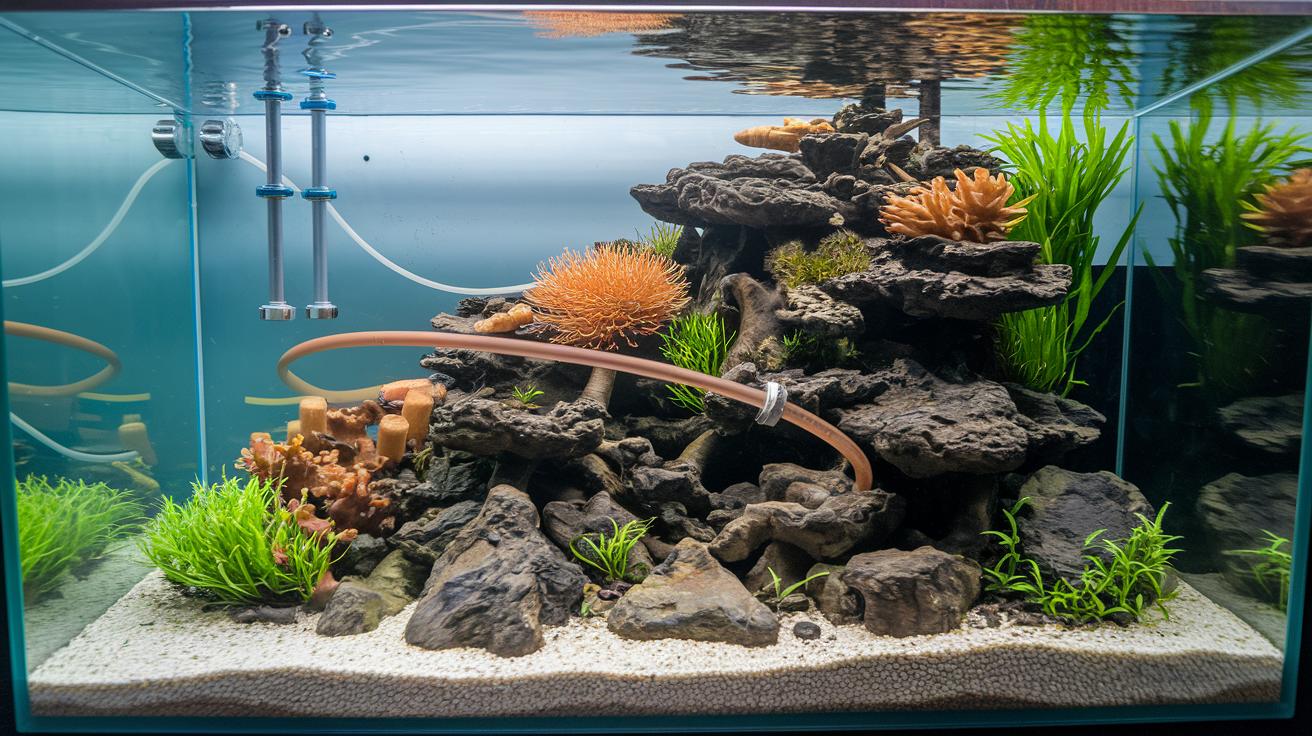
First off, set up a raised water reservoir to feed your siphon system. Think of it like giving your water a little boost, much like placing a water jug on a sturdy step so gravity can work its magic.
Here’s how to get started:
- Put your reservoir on a raised platform so gravity naturally moves the water.
- Connect a ¾″ ID Python no-spill tube from the reservoir to your aquarium, make sure the tube isn’t twisted or kinked.
- Add anti-siphon valves along the tube to keep the water flow steady and stop any sneaky backflows.
- Install quick-disconnect fittings at both ends of the tube so you can easily take it apart for cleaning or adjustments.
- Position the drain line so water flows out smoothly; keep it level to avoid air bubbles interrupting the siphon.
- Test your setup by running a safety check to find any leaks or airflow issues, and tweak the valves as needed for a balanced flow.
Imagine a fellow aquarist saying, "I was amazed when my simple siphon system cleared 50 gallons in 30 minutes without any manual pumping, just pure gravity at work!"
By using these easy steps, you'll build a water change system that cuts down on manual effort while keeping things efficient. It’s all about a cost-effective, simple design that makes maintaining your tank as soothing as watching gentle ripples on water.
Implementing Automated Pump-Based Aquarium Water Change Solutions
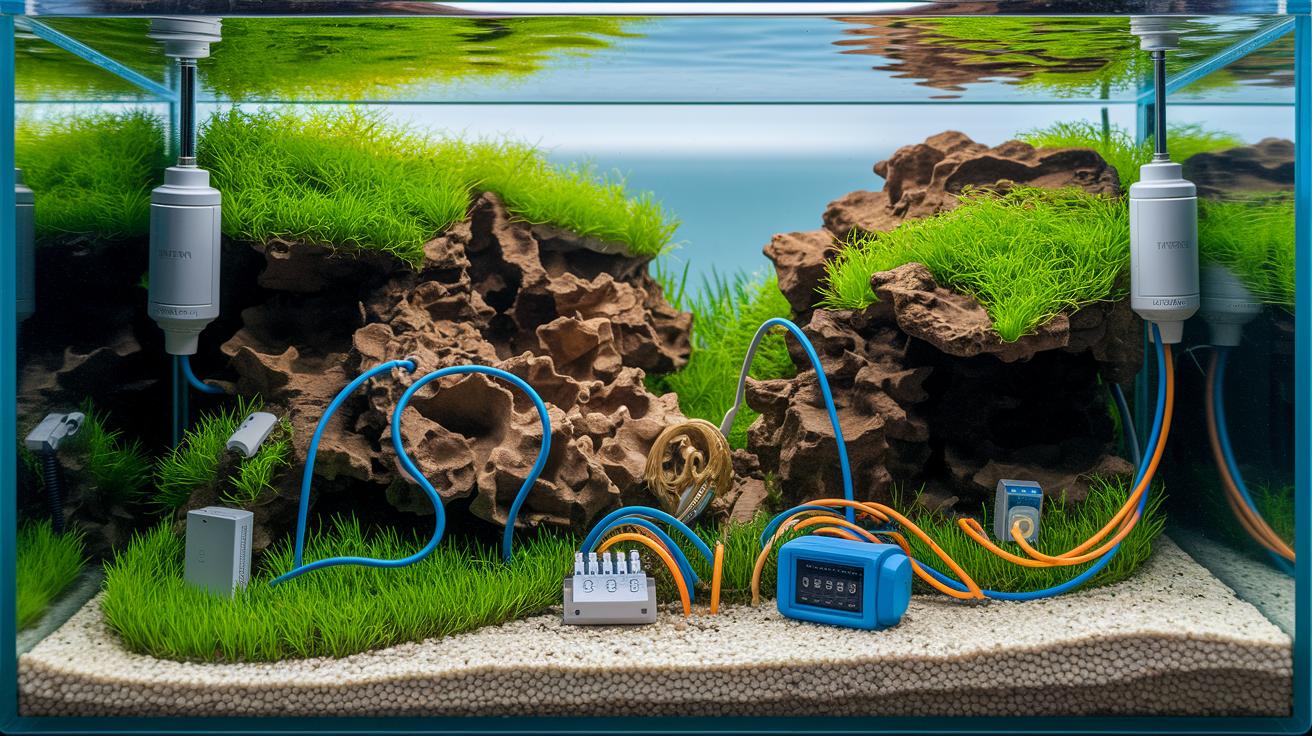
Imagine having an aquarium that takes care of itself while you relax and enjoy the gentle flow of life. Many aquarium enthusiasts use a refill pump paired with a drain pump to keep the water fresh. The refill pump sits in a reservoir, quietly doing its job while the skimmer keeps everything running smoothly. Simple sensors like float switches, along with digital timers and a custom relay circuit, work together to make water changes feel as natural as a peaceful stream.
Wiring this setup is simpler than you might think. A float switch senses when the water level drops and signals the refill pump to start. Then, a digital timer coordinates with the drain pump so water leaves gradually and steadily. A smart relay circuit makes sure the pumps never run at the same time, protecting your system just like a well-timed swim.
Wiring Schematic Tutorial
- Place the float switch in your water reservoir so it stops the refill pump once the water level rises.
- Connect the digital timer to both pumps, setting it so the refill happens first and draining follows next.
- Add a relay module between the power source and the pumps; it acts like a friendly traffic cop, ensuring the pumps don’t overlap.
- Test each connection with a multimeter to make sure the electricity flows correctly without any surprises.
- Finally, secure all wiring with waterproof connectors to protect everything from moisture.
Always take a moment to double-check your connections and secure all parts to keep your aquatic family safe. Running regular tests on this automated cycle helps catch any issues early, so your tank stays clean and your fish swim happily.
Integrating Plumbing for Large Aquarium Water Change Systems
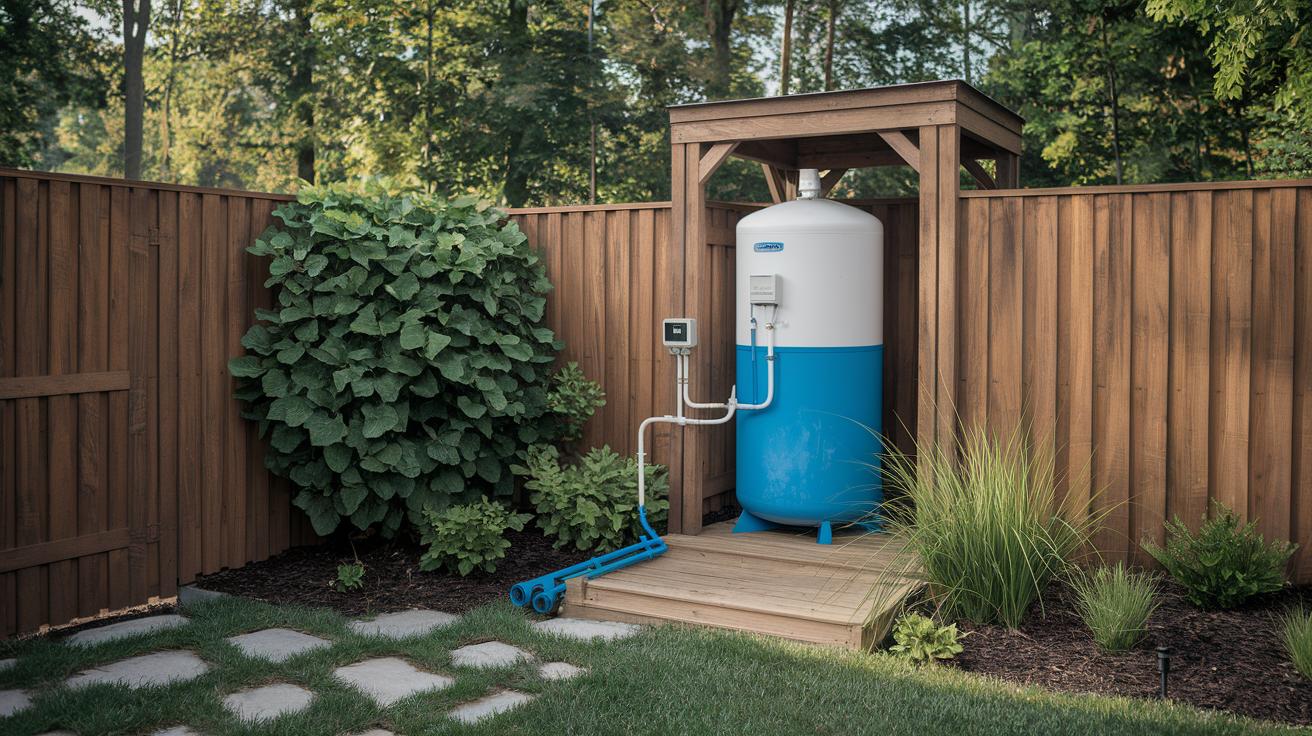
Imagine linking your 180-gallon show tank to a hidden sump in your basement, much like one experienced 5000 Club member did. They used inline ball valves (simple knobs to control water flow) and 1-inch PVC pipes, all held together with strong return-line brackets, to smoothly handle water height and pressure. This setup shows that a bit of careful planning can turn your DIY water change ideas into a reliable and efficient system.
Inline arrangements create a clean look and let you control the water flow really well. The modular exchange valve means you can swap or adjust parts without rebuilding everything. Meanwhile, bracket-mounted methods make it easier to do routine maintenance and quickly fix any little issues.
A key part of this design is keeping water pressure in check with bypass loops. These loops help your filters stay clear while water keeps flowing nicely. Adding a digital timer means each water change happens on schedule, so you won't have to check on it all the time. With simple adjustments to the timer and valves, you can keep the water flow smooth and the pressure balanced just right.
Try these ideas out and tweak them to fit your tank. Before you know it, you'll have a smooth, safe, and effective plumbing setup that makes large aquarium water changes as easy as a gentle ripple.
Maintenance Tips and Troubleshooting for DIY Water Change Systems

Keeping your DIY water change system in great shape is a lot like tending to a peaceful aquarium. A little routine check-up can make your setup run as smoothly as a calm stream. Many aquarium enthusiasts set aside a day each month to inspect motor parts, clean pump impellers, and rinse the tubing with dechlorinated water after every water change. It’s also smart to take a close look at your skimmer drains to keep clogs or leaks at bay.
Consider keeping a simple maintenance checklist, think of it like a diary for your system. By logging each water change, you can note run times and spot any irregular water flow. Here are some handy tips:
- Clean pump impellers every month to prevent any buildup that might slow things down.
- Flush all tubing with dechlorinated water after each change to clear any lingering debris.
- Regularly inspect your skimmer drains to catch any blockages early.
- Keep a bit of spare tubing nearby in case of wear or unexpected leaks.
- Record every water change, tracking timings and the system's response to plan ahead for preventive care.
These steps not only help you catch small issues before they become big problems but also keep your underwater world stress-free. Regular monitoring means you’ll notice any faults quickly, ensuring your fish remain safe and happy, just like the gentle flow of water on smooth stones.
Final Words
In the action of crafting your very own setup, you’ve explored key components, hands-on siphon builds, automated pump methods, and plumbing tricks. The article walked through each step, from choosing quality parts to troubleshooting maintenance tasks, with plenty of practical tips for any aquarist. These DIY aquarium water change system ideas offer a clear, budget-friendly plan to keep your tank pristine and vibrant. Let your creativity flow as you create a healthier and happier home for your aquatic friends!
FAQ
Q: What can I learn from a DIY aquarium water change system ideas PDF and easy water change setups?
A: The DIY aquarium water change system ideas PDF and similar guides explain clear, step-by-step methods using common materials to build affordable and simple systems that keep your tank clean and healthy.
Q: How do automatic water change systems work for both freshwater and saltwater aquariums?
A: Automatic water change systems use pumps, timers, and no-spill tubing to replace old water reliably. Freshwater setups often use gravity or pump methods, while saltwater systems may include ATO pumps to maintain stable conditions.
Q: What is the Python water changer and how does it function?
A: The Python water changer refers to using a 25-foot tubing solution that provides a no-spill operation, allowing a smooth water exchange process that minimizes mess and helps keep maintenance efficient.
Q: How can I create water flow in my aquarium DIY style?
A: Creating water flow DIY-style involves setting up methods like gravity-driven siphons, pump circuits, or simple in-tank circulators to simulate natural water movement and provide oxygen-rich water for your fish.
Q: How do I change water without harming my fish?
A: Changing water safely means gradually replacing water with pre-treated, temperature-matched water while monitoring the process to avoid shock or stress on your fish, keeping them safe and comfortable.
Q: Can I use a garden hose for filling a fish tank?
A: Using a garden hose is possible if the water is dechlorinated, free of harmful chemicals, and gently added, ensuring that filling the tank does not disturb the environment or pose risks to your fish.
Q: What is the best method for changing water in a fish tank?
A: The best method for changing water in a fish tank involves gradual water replacement with water that is pre-treated and temperature-matched, while using either a siphon or pump system designed to be gentle on your aquatic pets.