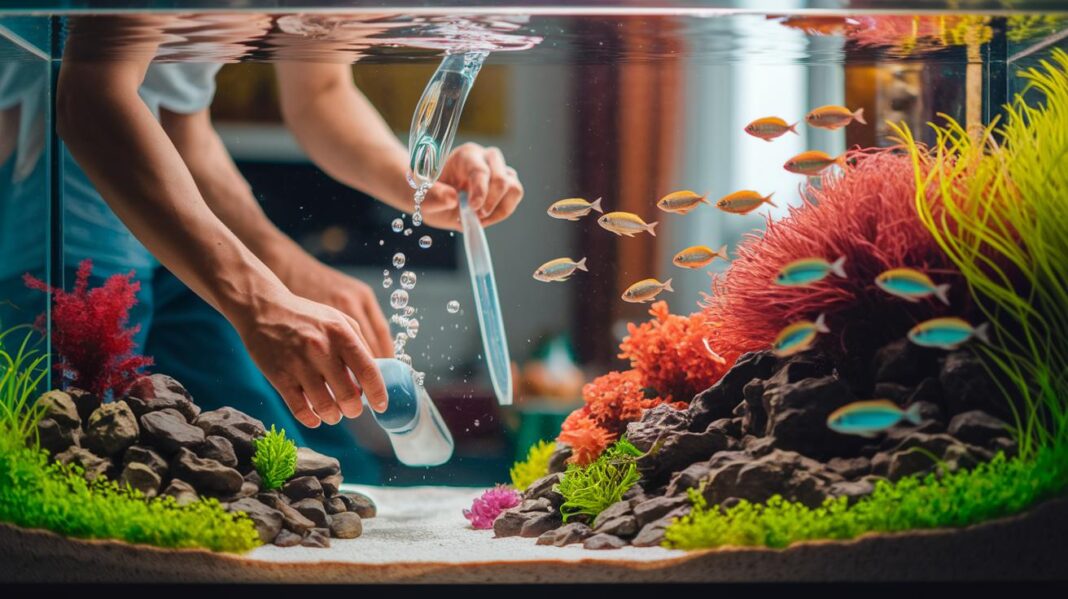

Ever wonder if your crowded tank could shine like a calm, clear pond on a sunny day? Many fish lovers say a slow water change is the secret to sparkling results.
By gently replacing old water with fresh, oxygen-rich water, you give your tank a little boost, almost like a soft breeze clearing away a morning mist.
Today, let’s chat about simple ways to keep your aquarium balanced and clear while caring for your aquatic pals. If you’re dreaming of a tidier, more inviting home for your fish, you’re in the right place.
Efficient Water Replacement Techniques for Crowded Aquariums: Sparkling Results
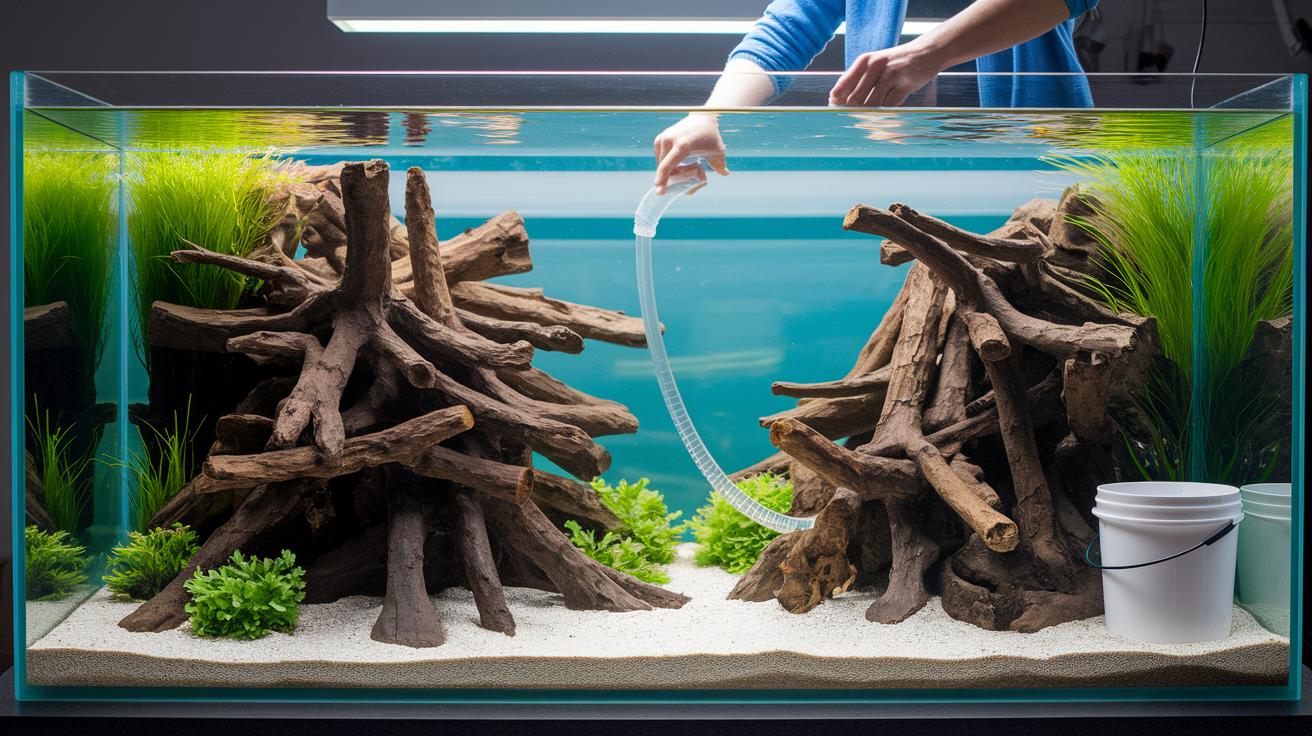
Let’s dive into keeping your tank fresh and sparkling, just like the gentle dance of water on smooth pebbles. First, grab your must-have tools: a siphon, a gravel vacuum that matches your tank’s gravel style, and a couple of sturdy buckets with spigots. Fun fact: even a gentle siphon can mimic a mini waterfall, easing out debris without stirring up too much sediment.
For tanks anywhere from 10 to 100 gallons, try replacing 10–20% of the water every week or two. It’s a bit like opening a window to let in fresh air, this careful swap helps keep nitrates and phosphates low while boosting oxygen levels. When you begin, gently use the siphon to lift water near the bottom and be careful not to wash away too many of the good bacteria that keep your aquarium balanced.
Here’s how to make your water change a smooth swim:
- First, set the scene by turning off any equipment that might be affected by water movement.
- Next, place a bucket nearby and fill it with a mix of old and fresh water, matching temperatures closely (within about 1°F) like getting just the right seasoning for your favorite meal.
- Then, slowly insert the siphon into the tank and press the trigger to start drawing water. Use your gravel vacuum on the bottom only where you see clumps of debris, no need for a deep scrubbing session that could upset the tank’s delicate balance.
- Finally, once you’ve removed around 10–20% of the water, stop. Avoid doing more than 30% at once so you don’t disturb those helpful nitrifying bacteria that act like tiny custodians for your fish.
Remember:
- Take it slow, like the calm ripple through a quiet pond.
- Don’t rush, the gentle approach keeps your underwater pals feeling safe.
Using these tender, careful steps will ensure your crowded aquarium remains a clear, tranquil haven for your fish.
Determining Optimal Water Change Frequency in Crowded Aquariums

First, take a good look at your tank’s size and how many fish are swimming around. For a small tank with just a few fish, it’s best to change about 10–20% of the water each week. Think of it like letting in a little sunlight to refresh your underwater world. If your tank is bigger or has more fish, you might stretch the water change to every 10–14 days.
Next, use a handy rule of thumb: for each inch of fish, you should have about 1 gallon of water. This helps keep your tank from feeling overcrowded while keeping the water nice and clean.
Also, keep track of your water’s health. Regularly test your nitrate levels, they should be under 20 ppm, and check that phosphates stay below 0.5 ppm. These numbers tell you when it’s time for a water change. And if you notice your filter slowing down, it might be a sign that tiny debris is building up.
- Check your fish size and how much water you have.
- Keep nitrate levels under 20 ppm and phosphate levels below 0.5 ppm.
- Watch for any changes in your filter’s flow.
By adjusting your water changes to fit your tank’s needs, you’re setting up a cozy, clear space for your aquatic friends to thrive.
Essential Equipment for Water Replacement in Crowded Aquariums

Changing the water in a busy tank can feel like taming a playful current, but using the right tools makes it a breeze. Adjustable siphon hoses let you control the water flow, much like guiding a gentle stream to suit your aquarium’s mood. A gravel vacuum head that fits your substrate works quietly to sweep away debris, just like a careful hand clearing leaves from a garden path.
Buckets with spigots or standpipes make mixing and transferring water safe and simple. Aquarium-safe water conditioners and dechlorinators help keep your water healthy without any extra hassle.
For those times when you need to refresh a large amount of water, an auxiliary pump draws water efficiently, making the process smoother. And don’t overlook filter pre-cleaning brushes or pads, they gently remove buildup to keep your filter working its best.
Here’s a quick list of must-have tools:
- Adjustable siphon hoses
- Gravel vacuum head suited to your substrate
- Buckets with spigots or standpipes
- Aquarium-safe water conditioners and dechlorinators
- Auxiliary pump for large water changes
- Filter pre-cleaning brushes or pads
Take a peek at the gear recommended on best tools for aquarium tank cleaning if you’re curious about making your next water change even easier.
Adjusting Water Chemistry After Water Replacement in Crowded Aquariums

Right after you finish your partial water change, take a moment to test your water. Make sure the pH sits comfortably between 6.8 and 7.6 for your freshwater tank. Also, check that ammonia and nitrite are at 0 ppm and that nitrates stay under 20 ppm. It’s like giving your tank a quick tune-up before your fish dive in for their day.
Next, match the temperature of the new water to your tank’s water within about ±1°F. This small step helps keep your aquatic friends calm and happy. Then, add a dose of bacterial supplements to rebuild those beneficial colonies that work to keep your water clear and healthy.
If your tank uses trace minerals or reef additives, add them slowly. Adjust your buffers gradually over the next few hours, too. This careful, step-by-step approach prevents sudden pH swings that could stress your fish.
For a more detailed guide on balancing your tank’s chemistry during a water change, check out the how-to guide on maintaining fish tank health. These thoughtful steps help ensure your busy tank remains a vibrant, stable home for your aquatic pals.
Troubleshooting Water Replacement Issues in Crowded Aquariums

When you're changing water in a busy tank, a few things might not go as smoothly as you hope. If you stir up the substrate too quickly when siphoning, you could end up with cloudy water. Slowing your pace lets the water settle into clarity, like calm ripples on a quiet pond.
Sometimes you might notice fish hiding or even gasping if the water changes happen too fast. Keeping things slow and steady helps your finned pals feel safe and relaxed. And if you see the filter slowing down, that might be its way of saying it’s overwhelmed by debris. In that case, try using pre-filter socks or work in smaller water swaps to give it a breather.
There’s also the risk of a sudden nutrient boost that can lead to unwanted algae. A UV sterilizer or a phosphate remover can act like a gentle wave washing away excess algae. Plus, checking the tank’s corners for spots missing that soft aeration can help maintain a balanced mini-ocean in your aquarium.
- Cloudy water from quick substrate disturbance
- Fish stress shown by hiding or gasping
- Filter overload from debris slowing down water flow
- Algae blooms triggered by sudden nutrient spikes
Taking these simple steps can make your water changes as smooth as a quiet swim.
Final Words
In the action, we explored clear steps for safe partial water changes in crowded tanks. We covered smart schedules, essential tools like siphons and gravel vacuums, and careful adjustments for water chemistry. We also looked at signs of stress and quick fixes when challenges arise. These insights help keep your tank clean, balanced, and welcoming for your aquatic friends. Armed with these water replacement techniques for crowded aquariums, you’re all set to build a bright, healthy underwater space for your pets.
FAQ
Q: What are the best water replacement techniques for crowded aquariums?
A: The best water replacement techniques for crowded aquariums begin with partial changes of 10–20% using a siphon and gravel vacuum. This method reduces debris and maintains beneficial bacterial balance while keeping fish safe.
Q: How do water changes help maintain an overcrowded aquarium without harming fish?
A: Water changes for an overcrowded aquarium remove excess nitrates and phosphates, which in turn boost oxygen levels. Using gentle equipment and matching replacement water temperature keeps fish calm and healthy.
Q: How can I do water changes on big tanks without stressing the fish?
A: For big tanks, take gradual partial water changes using an adjustable siphon and gravel vacuum. This careful approach avoids drastic shifts in water chemistry, ensuring your fish face minimal stress during maintenance.
Q: How often should I perform a partial water change in my fish tank?
A: Partial water changes should be done weekly to bi-weekly, depending on tank size and fish density. This schedule helps maintain water quality by keeping nitrate and phosphate levels in check while supporting your tank’s ecosystem.