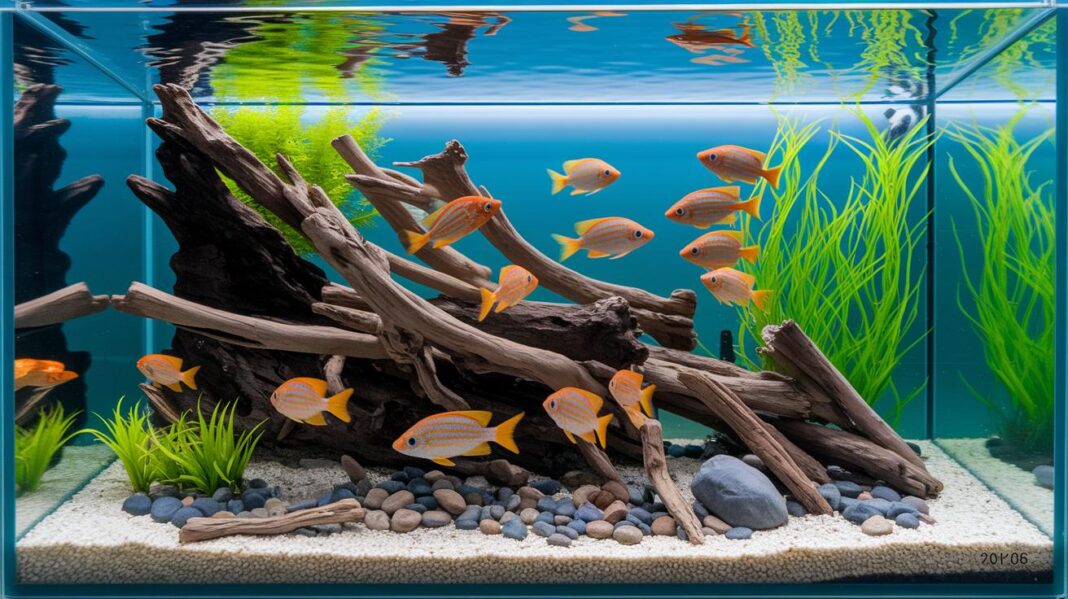

Have you ever thought about how a simple piece of driftwood might change your tank? It brings a bit of nature’s charm right into your underwater world. This timeworn wood gently lowers the water’s pH while offering snug hideaways for your fish pals. Plus, its tea-colored tint encourages the growth of friendly bacteria.
Using driftwood is like building a cozy, natural home for all your aquatic buddies. It not only makes your tank look beautiful but also supports a healthy environment for your fish. Isn’t it amazing how nature always finds a way to soothe and inspire us?
Essential Benefits of Driftwood in Fish Tank Environments
Driftwood in your fish tank brings a charming mix of natural beauty and practical benefits. It comes from weathered wood found along riverbanks, seashores, or lake edges, and it turns your aquarium into a little underwater haven. Ever wonder how a simple piece of wood can look so inviting? It’s traveled along natural waterways, slowly shaping itself with time.
When driftwood settles in your tank, it releases tannins, natural compounds that gently lower the water’s pH. This is a real treat for fish like tetras and Discus, which prefer a softer, slightly acidic environment. Sure, the water might take on a tea-like tint, but it’s completely safe. Plus, these tannins help foster a rich community of beneficial bacteria by growing a biofilm that keeps the water balanced.
Driftwood also offers cozy hiding spots and shelters for your fish. Its natural crevices are like little nooks in a forest, inviting both fish to explore and helpful microbes to set up camp. Many aquarium enthusiasts love driftwood because it mimics a wild, natural habitat where fish can tuck away and feel secure.
And there’s more than just function, driftwood looks stunning too. Its textured, weathered surface adds depth and creates a lived-in look that complements the vibrant colors of your aquatic friends. Imagine a graceful piece of driftwood curving elegantly against a backdrop of gently rippling water, a perfect blend of art and nature.
By incorporating driftwood into your tank, you get a piece that supports natural processes while enhancing the overall look of your aquarium. It’s a win-win, offering both a striking visual element and functional benefits that help keep your underwater world thriving.
driftwood in fish tank sparks vibrant aquatic charm
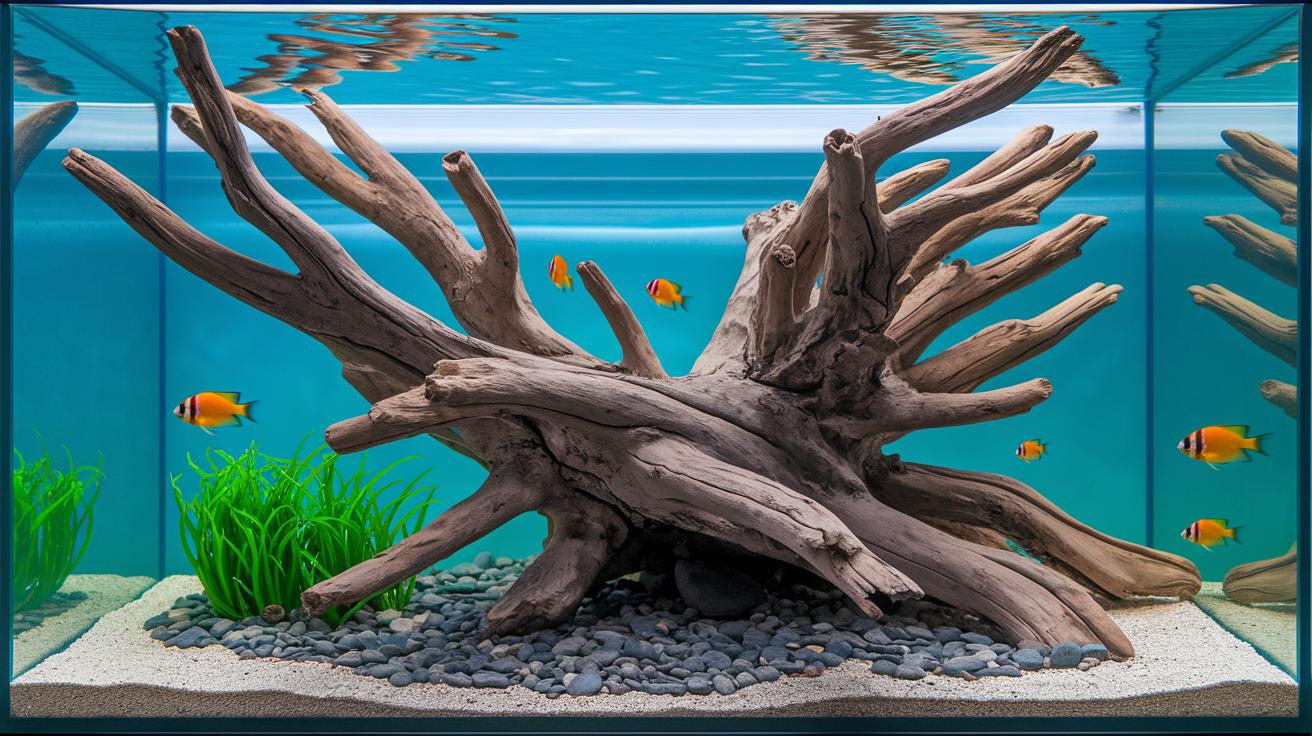
When you pick driftwood for your aquarium, think of it as choosing a special treasure that suits both your personal style and your tank’s needs. You can find options like Spider Wood, Amazon Wood, Malaysian and Pacific Driftwood, or even Dragon Wood. Each one has its own unique shape and feel, so you can find a standout piece that not only brightens up your tank but also gives your fish a cozy hideout, just like a secret nook in a peaceful forest.
Always look for driftwood that comes from sustainable sources. It should be free of harmful chemicals and pests, keeping both the environment and your fish safe. Plus, denser pieces slowly release natural tannins. This helps keep your water’s pH steady and makes your driftwood a long-lasting part of the scenery.
Before you commit, here are a few things to remember:
- Check for any signs of decay or wear.
- Look for interesting branch details that let you set up creative spots.
- Make sure your driftwood will hold up over time.
Choosing the best driftwood turns a simple find into a charming, eco-friendly centerpiece that adds a splash of vibrant life to your tank.
Pre-Treatment Techniques: Cleaning, Boiling, and Curing Driftwood for Your Fish Tank
First up, give your driftwood a good rinse under running water. Grab a stiff brush and scrub away any dirt or debris like you're polishing a smooth stone, keeping the wood’s natural beauty intact. This simple rinse avoids harsh soaps and chemicals, so your fish tank stays safe and cozy. You can even check out some trusted aquarium cleaning supplies over at https://sweetfysh.com?p=50.
Next, it's time to boil the driftwood. Place it in water and let it boil for about 1 to 2 hours. Boiling acts like a warm steam bath that kills off germs while helping tannins escape, making the wood safe and ready for use. When you see the bubbles rising, think of it as a little underwater show, each bubble whisking away unwanted germs.
Finally, cure your driftwood by soaking it in dechlorinated or RO water for 1 to 2 weeks. Change the water every day, especially if the wood takes on a deep tea tone, and keep an eye out for any early signs of fungus. Following these steps gives your driftwood a proper aquatic spa day, ensuring it becomes a healthy, long-lasting part of your fishy haven.
Managing Water Chemistry and Clarity When Using Driftwood in Fish Tanks
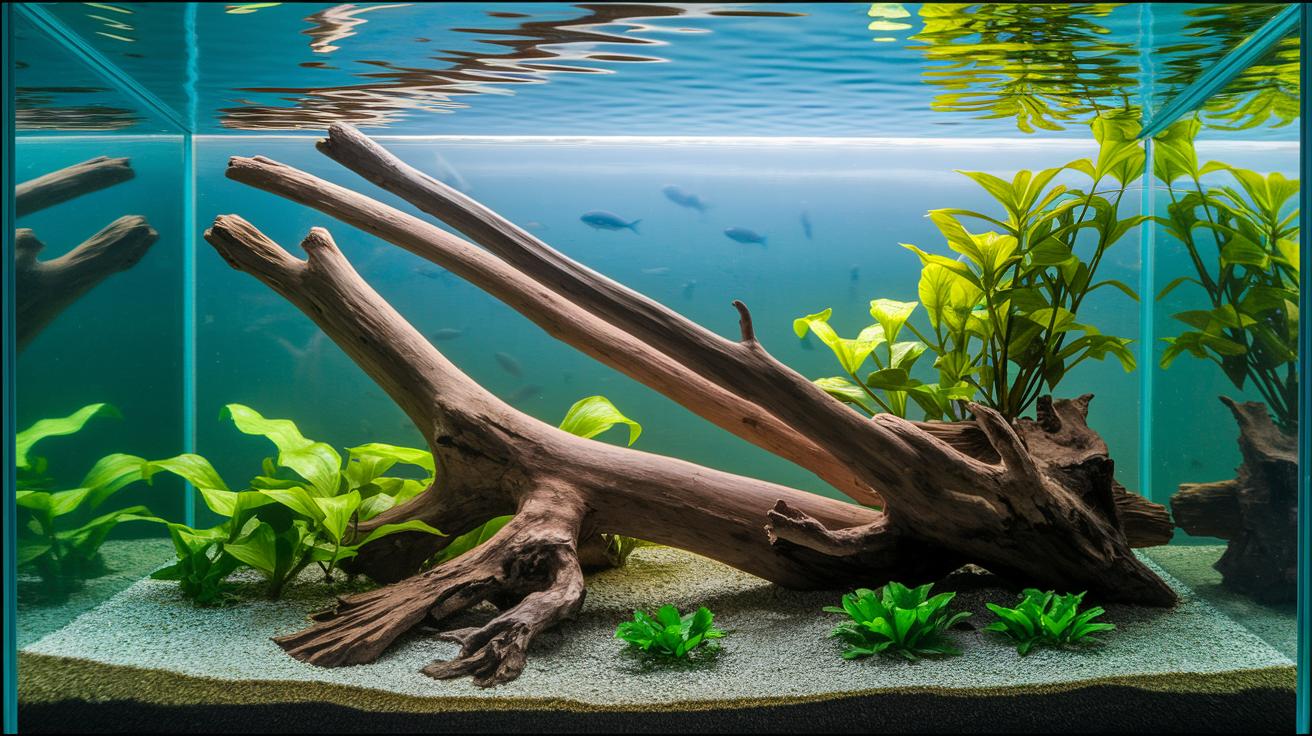
Driftwood softly adds tannins to your tank, making the water take on a gentle tea-like glow and slightly lowering the pH. This cozy change is just right for fish like Discus and Cardinal Tetras that love a bit of acidity. I once heard a friend in the aquarium world say their tank felt like a snug retreat, dimmed perfectly by the driftwood, almost like watching sunlight filter through water.
To keep your water looking clear while still enjoying driftwood’s natural perks, you can use an activated carbon filter or do occasional water changes. This way, you manage any extra color without losing the benefits of those natural organics. Think of it like perfecting a recipe; regular testing with easy-to-use pH and GH kits makes sure everything stays balanced. You can pick up these kits from your favorite freshwater supply store, like Sweetfysh.
- Check your water often with a trusted test kit.
- If the pH drops too low, add a little buffer to balance things out.
- Use carbon filtration or perform small water changes to keep things clear.
- Watch your fish closely, their behavior is a great underwater whisper about water quality.
By paying attention and making small tweaks here and there, you’ll keep your tank both healthy and visually appealing, a perfect blend of nature’s beauty and your caring touch.
Stabilization and Installation of Driftwood in Fish Tank Layouts
When you first get driftwood for your tank, it might just float around like a lost little boat. To help it sink, start by soaking it in water for a few days. This little trick lets the wood soak up the water and become heavier. You can also tie a few small, safe weights, think slate or ceramic pieces, to guide the driftwood down. Imagine tying a tiny ceramic brick with nylon line and then watching your driftwood gently settle, like it’s being pulled by a secret current.
Once your driftwood is safely at the bottom, keep it in place for the long haul. Use silicone or epoxy that’s safe for aquariums to stick the wood to solid bases like rocks or slate. It’s kind of like putting together a puzzle; you carefully apply the glue where the surfaces touch so the driftwood stays put, creating a neat, underwater scene that doesn’t shift over time.
Next, think about where to put everything in your tank. Position your driftwood along with some substrate ballast or use adjustable supports if you need a bit more help. This extra support makes sure your design stays balanced, just as you would steady a rowboat on a gentle lake.
- Soak driftwood in water for several days to help it sink.
- Tie lead-free weights with nylon line for an extra push downward.
- Use aquarium-safe silicone or epoxy to secure the driftwood to rocks or slate.
- Place driftwood near the substrate or add supports to keep the layout balanced.
Aquascape Design Ideas with Driftwood in Fish Tank Settings
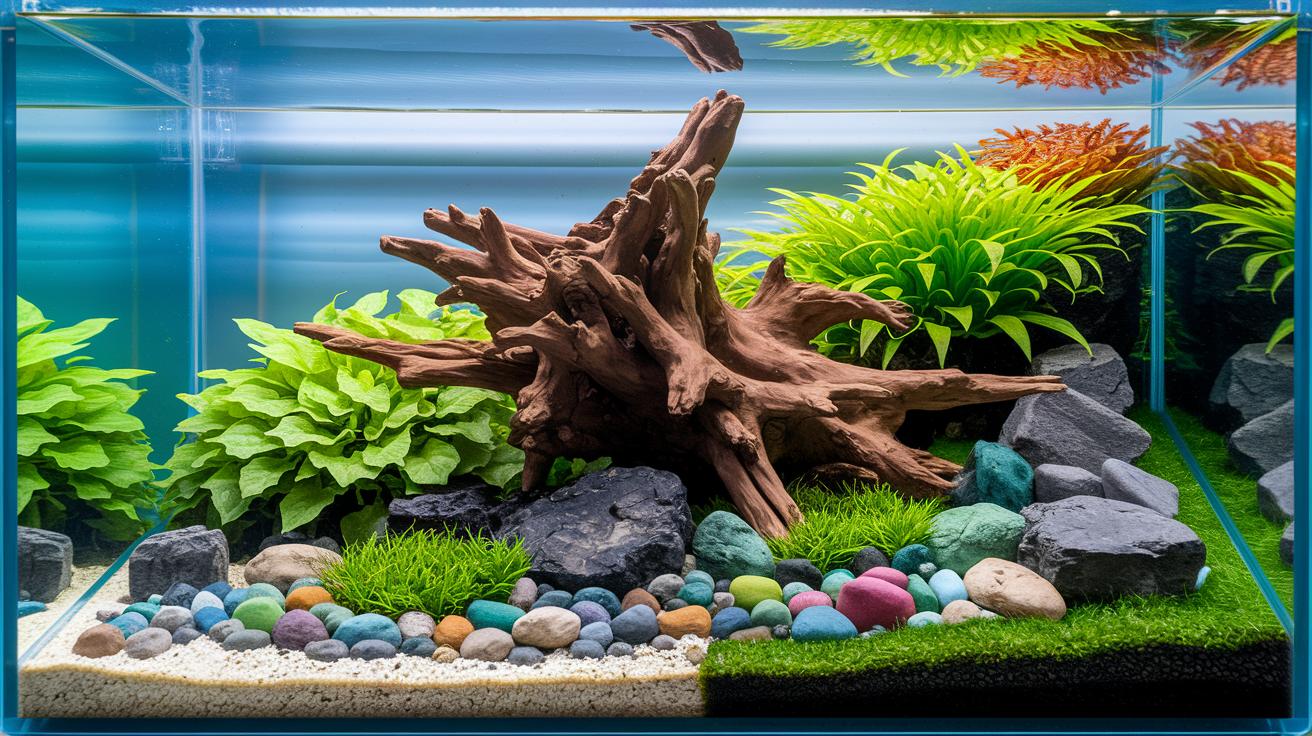
Imagine your aquarium as a little underwater wonderland. A piece of driftwood can be more than just a decoration, it can be the star of the show, the background charm, or even a tall, natural sculpture. Picture it arching like a little doorway, creating cozy nooks where your fish can hide and play. It's not only about looks; it also gives your fish a calm spot to feel safe.
Next, try tucking in some easy-to-grow plants like Anubias or Java Fern along the driftwood. You can gently secure them with thread or aquarium-safe glue, like hanging tiny garden ornaments. These green spots add a lively contrast against the wood, much like a burst of fresh air in your underwater scene.
Then, consider mixing in a few rocks with your driftwood setup. When everything blends together, the driftwood, plants, and rocks, it feels like a mini natural world. Crannies and small caves created this way offer a cool hideout and a perfect lookout for your fish. It’s like piecing together a puzzle, where each natural element supports the next, and everything feels balanced and inviting.
- Use driftwood as a striking centerpiece or a layered background accent.
- Secure bold green plants and delicate mosses to brighten up the scene.
- Add a few rocks for natural, cave-like structures that give your fish fun places to explore.
Maintenance, Longevity, and Safe Use of Driftwood in Fish Tanks
Taking care of your driftwood makes a big difference in keeping your tank lively and beautiful. Every month, give it a quick look over for any soft spots, mold, or hints of decay. A gentle scrub with a soft brush can clear away buildup without disturbing your aquatic friends or their surroundings.
If you see your water turning a deeper tea shade, try doing some partial water changes. This helps wash away extra tannins and keeps harmful chemicals from sneaking into your tank. For a bit more peace of mind, you might want to seal any porous spots on the wood with food-safe epoxy. It’s like adding an extra layer of protection that slows down decay and keeps contaminants at bay.
It’s important to keep an eye on everything. Regularly check your water’s pH and organic levels to make small tweaks when needed. This simple routine not only cuts down on potential contamination but also keeps your driftwood looking fresh and your aquarium thriving.
- Inspect driftwood monthly for soft spots or mold.
- Gently scrub with a soft brush.
- Seal porous areas with food-safe epoxy.
Final Words
In the action, we explored how driftwood adds beauty and function to your tank. It creates safe shelters and promotes a natural feel with its tannin release and pH balancing benefits.
We shared tips on choosing, cleaning, and positioning pieces so that they stay secure and look great. Remember, using driftwood in fish tank setups is a smart, practical way to boost both style and health.
Enjoy setting up your underwater haven with care and a splash of creativity!
FAQ
How to treat driftwood in fish tank
The driftwood in a fish tank is treated by scrubbing it under running water, boiling for one to two hours, and then curing in dechlorinated water for about one to two weeks until its color stabilizes.
How to remove driftwood in fish tank
The driftwood is removed by carefully lifting it with aquarium-safe tools after partially draining the tank, ensuring any anchoring or weight systems are gently detached.
How long to boil driftwood for aquarium?
The driftwood is best boiled for one to two hours to leach out tannins, sterilize the wood, and prepare it safely for your aquarium environment.
How to make driftwood for aquarium?
The driftwood used in aquariums is usually naturally sourced; if creating a driftwood look, select untreated wood to cure and age naturally, which results in that weathered appeal aquarists love.
Where can I find extra large driftwood and aquarium driftwood for sale?
The driftwood, including extra-large pieces, is available at aquatic retailers, online marketplaces, and local fish stores, offering pre-treated options that meet specific décor needs.
Is driftwood good for fish tanks?
The driftwood is good for fish tanks as it adds natural shelter and releases tannins that can gently lower pH, benefiting species that enjoy softer, tea-toned water.
Can you put driftwood straight into aquarium?
The driftwood should not be placed directly into the aquarium; it needs pre-treatment, including cleaning, boiling, and curing, to remove pathogens and excess tannins.
Can driftwood make fish sick?
The driftwood usually does not make fish sick when it is properly treated through cleaning, boiling, and curing, which removes harmful pathogens and chemicals.
How long does driftwood last in an aquarium?
The driftwood can last many years in an aquarium with regular inspections and maintenance, although its lifespan depends on the wood type and ongoing care practices.
What discussions about driftwood can be found on Reddit?
The driftwood discussions on Reddit share treatment tips, placement ideas, and real-life experiences, offering practical insights and community advice for aquarists.