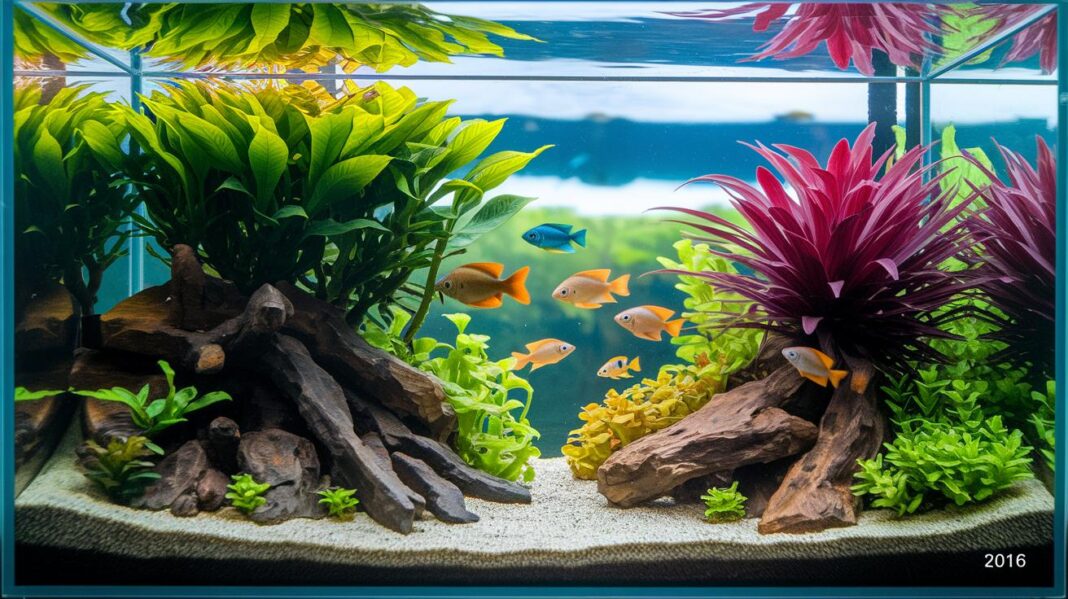

Ever wonder if your aquarium could truly change things for the better? Simple, eco-friendly habits can bring balance to every ripple and plant in your tank. By mixing nature’s own treasures with clever design, you create a friendly underwater home that supports your fish, plants, and even those little helpers that keep your tank clean.
Using local, ethically sourced décor and water-saving routines, even small tweaks can make your water healthier. In this chat, I'll share easy tips to turn your aquarium into a safe, green retreat that flows in tune with nature.
Foundations of Eco-Conscious Aquarium Ecosystems
Eco-friendly aquarium setups are made to look beautiful and work in harmony with nature. They mix old tricks with new ideas to care for aquatic life in a way that doesn’t harm our water homes. You choose materials and design touches like picking the perfect rocks or driftwood, so every part of your tank helps keep the water balanced and safe. A healthy aquarium is more than just a pretty display, it’s a cozy space where fish, plants, and tiny helpful creatures can all thrive. Best of all, these designs use modern yet earth-friendly methods that cut down on chemicals and let nature do its thing.
The big idea is to blend good looks with eco-smart practices. Many aquarium keepers boost water quality by adding natural filters and easy-care plants like Java fern and Anubias. These plants not only freshen the water but also soak up extra chemicals. Plus, by using items picked from nearby sources, you cut down on long trips that add pollution. Every little choice, from the décor to how you save water, helps keep your underwater world in balance and lightens our overall footprint. It’s a feel-good move knowing that each step supports the health of our watery friends.
Below is a list of the key practices that form the backbone of any eco-friendly aquarium setup:
- Ethically sourced driftwood, rocks, and plants
- Local purchasing to lower transport emissions
- Artificial décor options to protect natural habitats
- Live plants for natural chemical absorption and extra oxygen
- Simple water-saving habits like reusing old water
- Low-impact plant choices that save energy
Natural Filtration in Eco-Friendly Aquarium Ecosystems
Biological Filtration
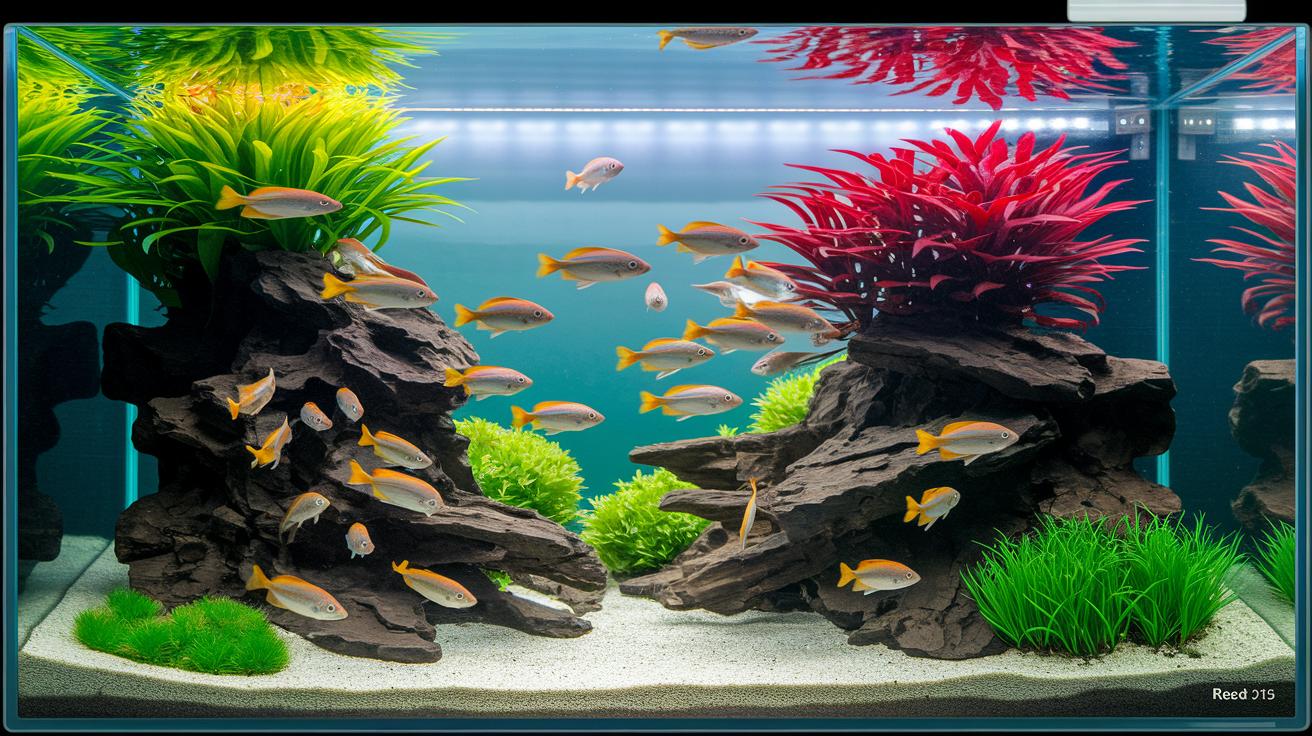
In your aquarium, friendly bacteria form tight-knit colonies that work hard to break down toxic ammonia. These little helpers change ammonia into nitrite and then into nitrate, which is much kinder to your fish. Think of them as tiny underwater workers, quietly keeping your tank fresh and balanced, all without any harsh chemicals. Ever notice how a little teamwork can make your fish's home feel just right?
Plant-Based Filtration
Plants like Amazon Swords and Cryptocoryne bring more than just beauty to your tank. They help by soaking up extra nutrients, like nitrates and phosphates, that might otherwise feed unwanted algae. Using these green allies means you can avoid heavy chemical treatments, and let nature do its gentle, effective work. It’s like having a garden right in your water, creating a calm and natural balance.
Bioactive Substrate Optimization
Choosing a substrate that is rich in helpful microbes adds another layer of natural care. This type of substrate supports microscopic communities that break down waste continuously. By doing so, it stops harmful substances from building up, keeping your aquarium’s water both clear and healthy. Embracing these natural methods, from bacteria and plants to smart substrates, creates an ecosystem where every part plays a role in nurturing life below the surface.
Energy-Efficient Equipment for Sustainable Aquarium Ecosystems
Our underwater world thrives when we use smart tools like lights, pumps, and filters, which all add up to your energy use. Choosing gear that uses less energy is like giving your tank a little eco-friendly hug. When you switch to LED lights, adjustable pumps, or even solar-powered systems, you're helping to lower your carbon footprint while keeping your aquarium happy. Imagine your tank glowing softly with energy-saving light and water moving gently, all without a heavy electricity bill.
LED and Low-Wattage Lighting
LED lights use just between 5 and 20 watts and last way longer than old-style bulbs. They can save up to 80% on energy, making them a real catch for your tank. One fellow hobbyist said, "Switching to LED lighting transformed my tank, the soft, clear glow feels as natural as moonlight on water, while my electricity bill shrank." It’s a win-win for your fish and your wallet.
Variable-Flow Pumps and Filters
Pumps and filters that let you control the flow mean you only use extra energy when you need it. It’s like setting just the right current on a calm day, helping your tank stay clean without wasting power. You get to match the water movement to what your tank needs, keeping everything balanced and energy-smart.
Solar-Assisted Heating and Aeration
Solar-assisted heating systems use sunshine through panels, backed up by batteries, to maintain a cozy temperature in your tank and keep the water oxygen-rich. Picture a sunny day giving power to your heater, nature lending a hand so that your aquarium stays comfortable and green.
| Equipment Type | Energy Consumption (W) | Eco-Benefit |
|---|---|---|
| LED Lighting | 5–20 | Up to 80% energy savings |
| Variable-Flow Filter | 10–30 | Adjustable use and longer lifespan |
| Solar-Powered Heater | Varies | Zero-emission heating |
Sustainable Cleaning and Maintenance for Eco-Friendly Aquarium Ecosystems
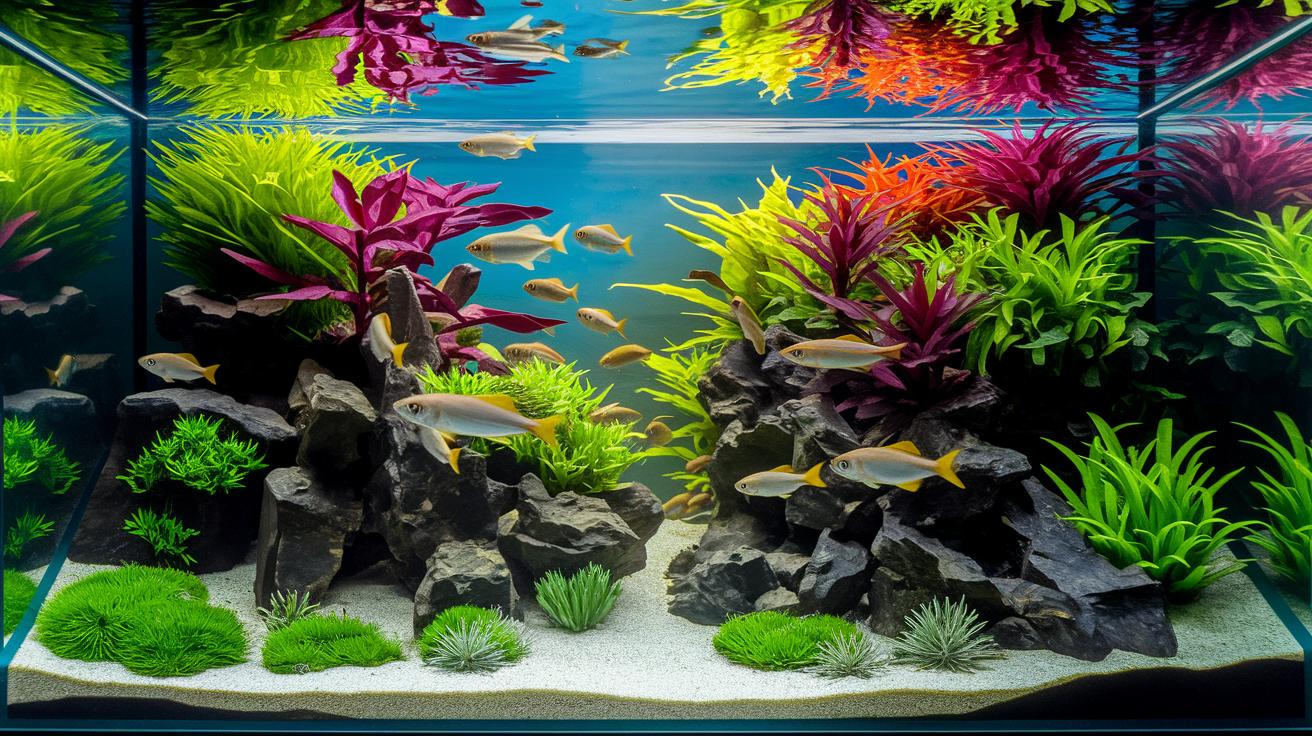
Have you ever thought about giving your aquarium water a second life? After you do your regular water change, you can easily collect that water and use it for watering your garden or cleaning around your home. It saves water and reduces waste, adding a little extra care to your routine. Plus, opting for eco-friendly cleaning tools, like those from aquarium cleaning supplies, means you can keep your tank healthy without harsh chemicals.
Another cool idea is to let live plants help control algae. They naturally keep algae under control, making your tank a calmer home for your fish. Reusing old substrates and decorations also cuts down on extra waste by reducing the need for new resources. Little changes like these work together to build a balanced, eco-friendly aquatic ecosystem.
Responsible Fishkeeping and Biodiversity in Eco-Friendly Aquarium Ecosystems
Choosing the right fish for your tank is a bit like finding the perfect puzzle piece that fits just right. You want fish that match the tank’s size so they have plenty of room to swim and explore. Overcrowding can stress them out and make waste build up, which then makes it tougher to keep your water clean and healthy.
It’s a smart move to pick fish raised in responsible setups. Going for captive-bred or sustainably sourced fish helps protect wild populations. This way, you’re not only caring for your tank buddies, but you’re also looking out for nature.
Regularly checking your water is like giving your aquarium a little check-up. Testing for things like ammonia, nitrite, and nitrate (that’s just fancy talk for chemicals that can harm fish) helps you catch problems early. When your water stays balanced, it supports a lively mix of fish and aquatic plants, creating a cozy, thriving underwater world.
Eco-Friendly Aquascape Design and Materials for Aquarium Ecosystems

Start by choosing eco-friendly materials as your creative building blocks. Ethically sourced driftwood, genuine rocks, and local live plants not only care for the environment but also give your tank a unique, natural look. Think about how these elements can form cool patterns or highlight special spots. For example, you might say, "I curved driftwood into a soft, sweeping line that naturally steered my fish, turning the tank into a living canvas."
Next, add low-impact plants like Java fern and Cryptocoryne to bring both function and style to your setup. These hardy plants work well as gentle backdrops or as standout features to frame your rocks and driftwood. I once had a Java fern that hung like a delicate curtain behind some carefully placed rocks, creating a contrast that was simple yet eye-catching.
Then, mix natural decor with synthetic pieces to round out your design. Resin décor items can mimic the look of natural forms while offering extra durability. I placed a synthetic driftwood piece right in the center of my tank to pull together all the plants and rocks, which brought a clear and balanced flow to the entire look.
For sourcing eco-friendly substrate, décor, and plants, check out aquarium supplies online.
Final Words
In the action, we reviewed sustainable steps for creating a thriving aquarium. We explored natural filtration, energy-efficient equipment, and sustainable cleaning methods that work together with safe fish care and decorative choices.
These eco-friendly practices for aquarium ecosystems blend aesthetic charm with a clean, balanced underwater space. Each tip works like ripples in a stream, building a welcoming home for your aquatic pets. Enjoy crafting your serene underwater world, and let your efforts inspire a healthier aquatic retreat!
FAQ
FAQs
How can I make my fish tank eco friendly?
The process of making a fish tank eco friendly involves using sustainable materials, energy-efficient devices, and natural filtration along with water reuse practices that help create a balanced and environmentally conscious aquatic habitat.
What are eco friendly practices for ecosystem?
Eco friendly practices for aquarium ecosystems include using live plants that absorb chemicals, ethically sourced decor, water conservation, and low-energy equipment to maintain a balanced aquatic environment that supports life.
How can an aquarium be converted into a self-sustaining ecosystem?
Converting an aquarium into a self-sustaining ecosystem means integrating live plants, beneficial bacteria, and carefully selected fish together with gentle filtration systems and water conservation methods that promote natural nutrient cycles.
Are aquariums good for the environment?
Aquariums can be good for the environment when designed with eco friendly practices, such as natural filtration and responsible fishkeeping, which educate about aquatic life and reduce harmful chemical use.