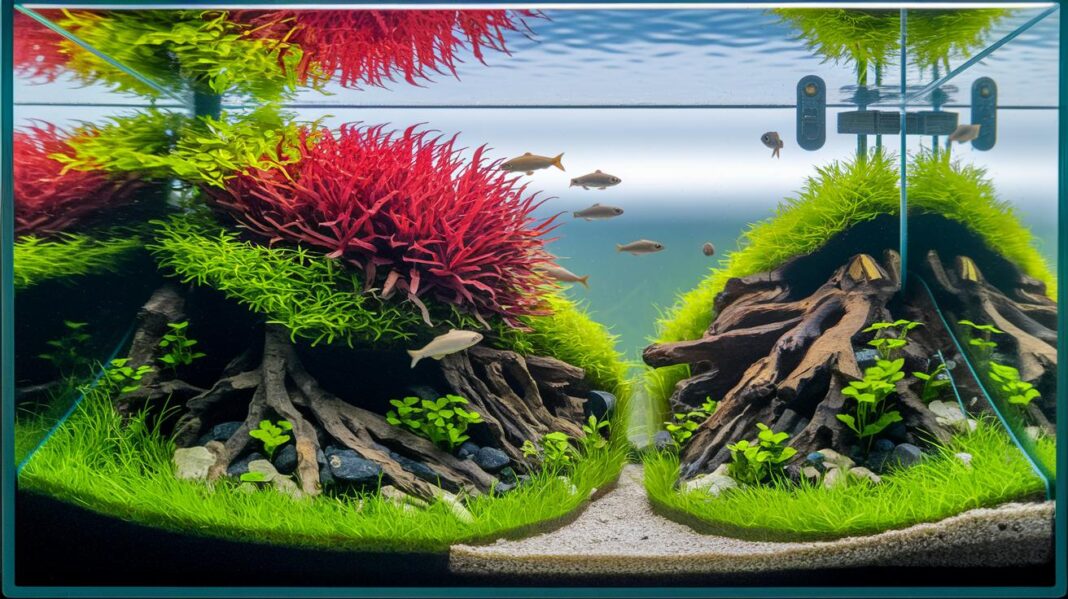

Have you ever thought your tank could bloom into a lively underwater garden? Back in the 1930s, passionate aquarists in the Netherlands started treating their tanks like canvases, carefully placing live plants as if each one were a brushstroke in a moving masterpiece.
Today, that same classic Dutch style still inspires many, blending old ideas with a fresh, modern twist. It reminds us that every tank can transform into a living painting when every plant is placed with gentle care and a bit of creativity.
Dutch Aquascaping Origins and Philosophy
Dutch aquascaping began in the 1930s in the Netherlands when the NBAT, or Dutch Society for Aquarists, started a new way of thinking about tanks. They focused on making underwater gardens filled with live plants instead of using rocks or wood. Every plant was placed with care to build a cozy, living world underwater. Before modern trends took over, these early aquascapers were already turning plain tanks into vibrant, green art pieces.
Over time, people came to call this style classic planted aquarium design. It’s all about balancing colors, textures, and heights of plants so that each one adds to the overall harmony of the tank. Imagine it like creating a living painting where every plant has its special place.
In April 2017, the Aquatic Gardeners Association in Denver, Colorado, held a talk that beautifully captured these ideas. That presentation later traveled to cities like San Francisco, Sacramento, and Seattle, showing how old techniques can mix nicely with new design trends.
Every year, the Aquatic Gardeners Association runs a contest that covers many categories. There are tanks grouped by size, from tiny ones under 28 liters to those over 320 liters, and even special classes like Biotope, Paludarium, and Dutch Aquascape. This contest shows just how much influence and respect the classic approach still has in the world of aquarium design.
Dutch Aquascaping Design Principles
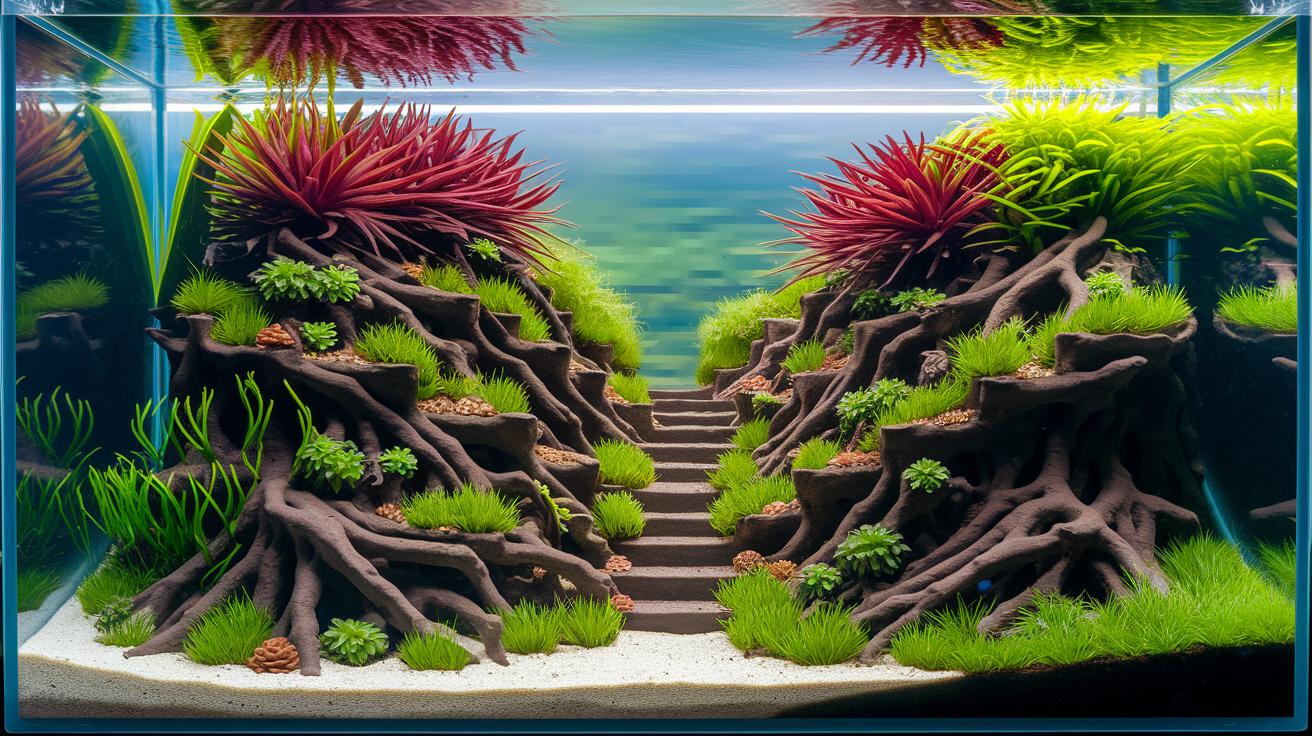
Dutch aquascaping is like a carefully choreographed dance in water. Every plant is hand-picked and placed to build an enchanting underwater scene, where different heights, colors, and textures come together in one lively display. Picture every level of your tank telling its own story: tall plants stand elegantly in the back while shorter ones form cheerful clusters in the front.
A neat trick often used here is terracing. This method lines up plants in gentle, stepped layers that naturally guide your eyes deeper into the tank. By carving out distinct planting zones, your aquarium feels both organically beautiful and thoughtfully designed. And then there’s the street concept, imagine groups of contrasting plants arranged side by side like colorful houses lining a cozy lane, drawing you in to explore every detail.
A handy tip to keep in mind is to include about three types of stem plants for every foot of your tank. This clever guideline amps up the color contrasts and stays true to the classic Dutch aquascaping vibe, along with timeless aquarium design ideas. In truth, you end up with an inspiring, vibrant underwater world that delights both your plants and you.
Dutch Aquascaping Plant Selection and Arrangement
Imagine your tank as a living canvas where every plant has its special role, just like colors in a beautiful painting. In Dutch aquascaping, picking the right plants is key to creating that perfect underwater scene. Start with your favorite stem plants such as Ludwigia inclinata verticillata ‘Cuba’, Rotala rotundifolia, Ludwigia repens, and Bacopa monnieri. These plants bring rich textures and bright hues, setting the stage for a classic aquarium design. Try putting Ludwigia inclinata toward the back to add height, while positioning Bacopa monnieri in the front to create a lively burst of color.
Grouping plants by species can make your aquarium look even more natural. When you cluster similar plants together, it creates a rhythm that feels both harmonious and organic. For instance, you might plant tall stem species at the back, fill the midground with thicker clusters of Cryptocoryne varieties, and finish off with low-growing Anubias up front. A simple guideline is to use about three species for every 30 centimeters of tank width, which helps balance textures and creates a pleasing contrast.
Think of each section of your tank as its own little garden, complete with a unique theme and structure. Keep an eye on plant spacing and layering so each group can shine on its own. Don’t be afraid to experiment with different arrangements, all while watching the overall flow of your aquatic masterpiece. With a thoughtful selection and careful placement, your aquarium will transform into a vibrant underwater garden that captivates anyone who sees it. Enjoy tweaking your layout each week, and let your tank reflect the calm and beauty of a gently flowing stream.
Dutch Aquascaping Equipment and Setup Essentials
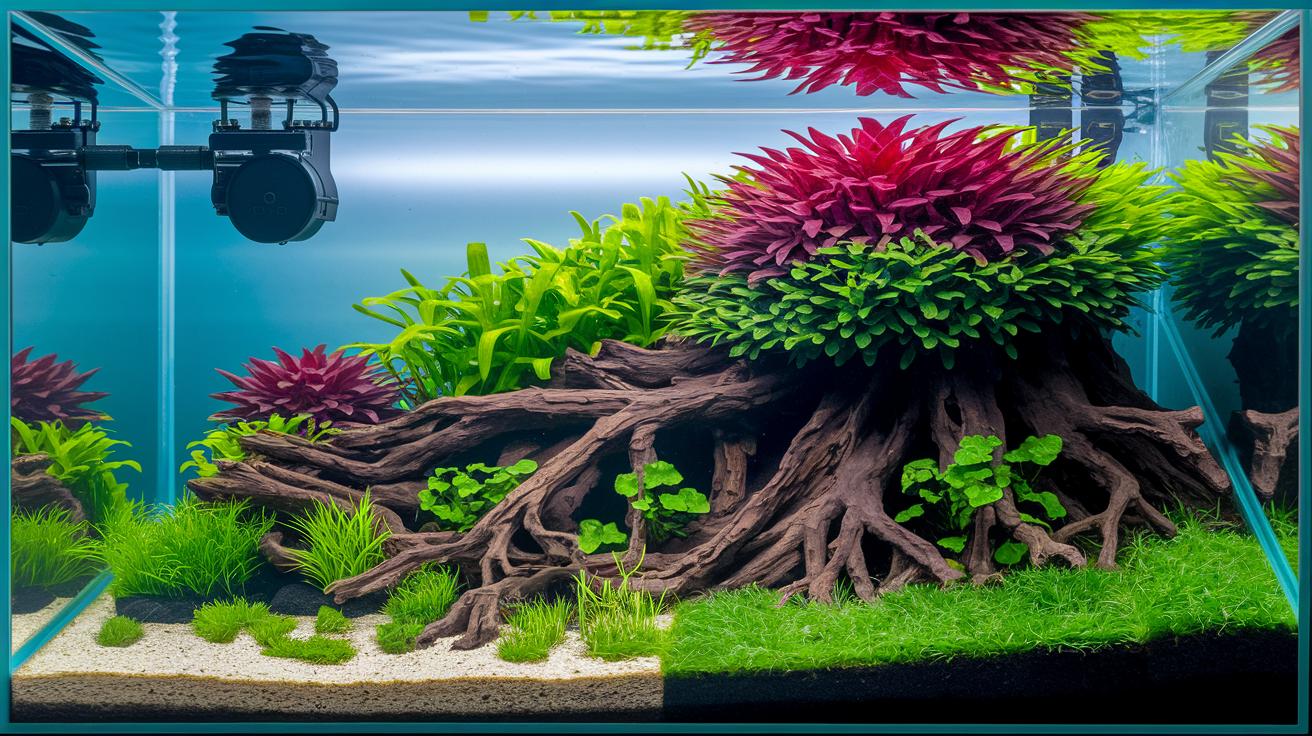
Imagine setting up your own little underwater garden where every plant gets its moment to shine. With the right tools, your dutch aquascape can become a lively, glowing masterpiece. High-output lighting makes sure that even the deepest corners of your tank are bathed in gentle light, much like a soft spotlight on stage.
CO₂ injection equipment works right alongside those lights, giving your plants the extra boost they need. When we talk about CO₂ injection here, think of it as the magic ingredient that makes your leaves perk up and grow faster. Then, there are special fertilizers and nutrient dosing tools that help create just the right mix of goodies for your plants to stay happy and healthy.
To keep your tank's floor just right for plant roots, tools for preparing the substrate are key, they help form a steady, nutrient-rich layer at the bottom. And don’t forget about pruning scissors and algae scrapers. These little helpers keep everything neat, trimming back overgrowth and clearing away unwanted algae like a gentle, careful hand tidying up your favorite space.
An efficient filtration and water circulation system ties it all together by keeping the water fresh and clear, much like a cool, clear stream. Often, hobbyists hide these tools in the background to keep the focus on the lush, green artwork at the front. With careful placement and the right gear, your planted aquarium will not only be functional, but it will also look beautiful and inviting.
Dutch Aquascaping Maintenance Techniques
Keeping your Dutch aquascape in tip-top shape is like tending to a little underwater garden. A bit of steady care makes sure the plants don't crowd each other and the beauty of the terracing stays clear. Trimming plants with care helps both tall and short varieties share the spotlight, giving your tank a balanced and lively look.
Regular water changes and a gentle clean of the gravel help get rid of extra nutrients that can invite those pesky algae. It's sort of like refreshing the water in a fishbowl, simple steps that make a big difference.
- Trim your plants carefully once a week to keep them growing in check.
- Change the water regularly to keep the environment fresh.
- Clean the gravel to sweep away bits and pieces that accumulate over time.
- Keep an eye on nutrient dosing so you don't overfeed your aquatic garden. For tips, check out fertilize aquarium plants.
- Group similar plant types together to make trimming easier and hold on to your design's charm.
When you stick to these friendly routines, your underwater space will stay vibrant and uncluttered. Balancing the water and nutrients not only helps your plants thrive but also keeps the whole tank in harmony. Every little effort you put in transforms your Dutch aquascape into a beautiful, well-organized aquatic world that’s a joy to watch.
Dutch Aquascaping: Fish and Invertebrate Integration
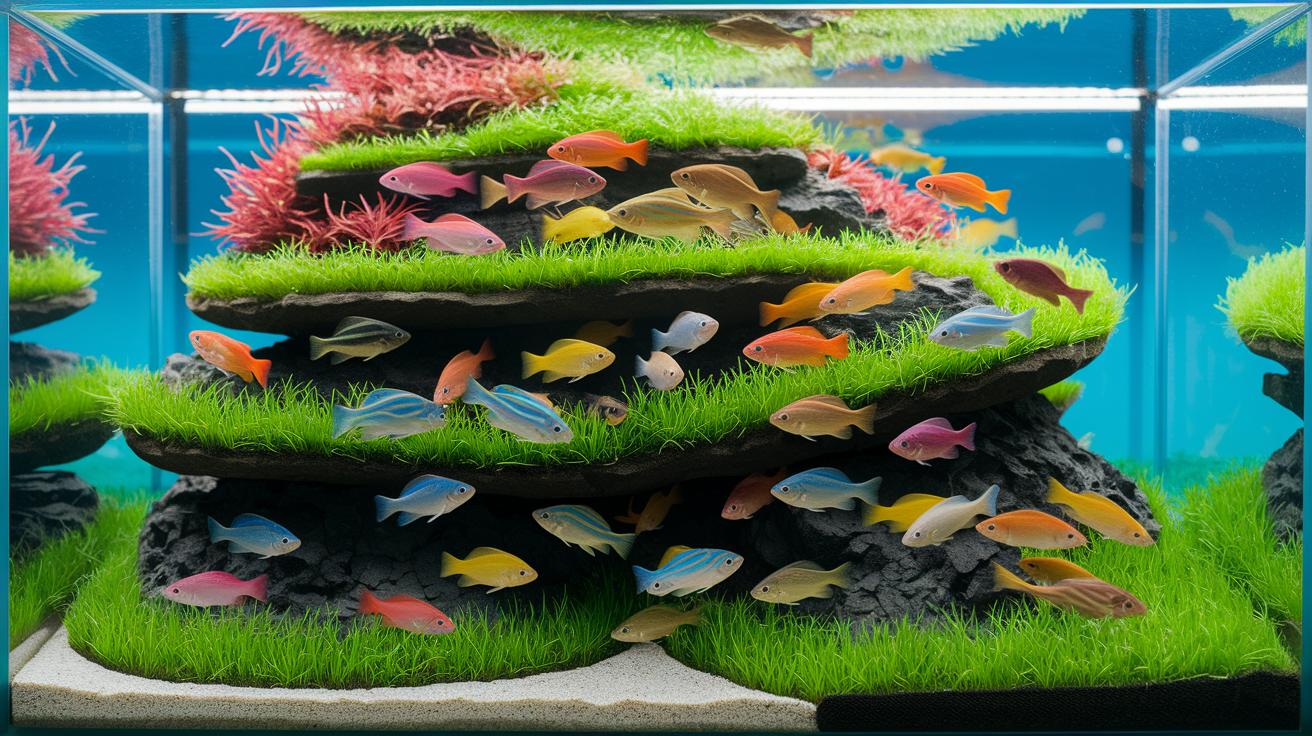
In a well-designed Dutch aquascape, freshwater fish like Apistogramma agassizii and Barbus pentazona are picked with care to match the clean planting zones. Think of each of the three terraces as a little stage where plants and fish work together to create a balanced view. For example, you might spot Apistogramma agassizii in the lower terrace; its bright shades catch your eye while still letting delicate plants shine.
Barbus pentazona, on the other hand, usually swims in the mid-level area, adding a splash of movement that makes the aquarium feel alive. These fish aren’t just for show, they naturally interact with the plants, keeping the ecosystem in perfect harmony.
Then there are invertebrates like Amano shrimp. They bring an extra dose of life as they weave gently through clusters of plants without disturbing the design. Their soft, careful movements and cleaning habits work in tandem with the fish, making sure every part of your tank feels thoughtfully alive and connected.
Dutch Aquascaping Inspiration and Contest Highlights
Dutch aquascaping contests invite you into a world where art and water dance together. Every year at the AGA contests, tanks compete in six size groups along with special classes for Dutch aquascapes. Only a few setups truly capture the unique Dutch style, making their blend of varied plants, bright lighting, and a natural water flow really shine.
These aquascapes are like mini underwater gardens that mix science with creativity. Imagine stepping into a room and seeing a tank that feels like a cozy art gallery, where each plant is arranged to tell a story. Sometimes, a careful layering of colorful stem plants creates a path for your eyes to follow from one standout detail to another.
AGA contests have been hosted in cities such as Denver, San Francisco, Sacramento, and Seattle. Each event brings fresh ideas and clever designs to the table, showing how the Dutch aquascaping style continues to evolve with new trends and inventiveness.
- Tanks are grouped in six sizes plus a few special classes.
- Only the standout entries capture the true Dutch look.
- Regional contests highlight fresh and creative designs.
Dutch Aquascaping vs. Nature Aquarium Style
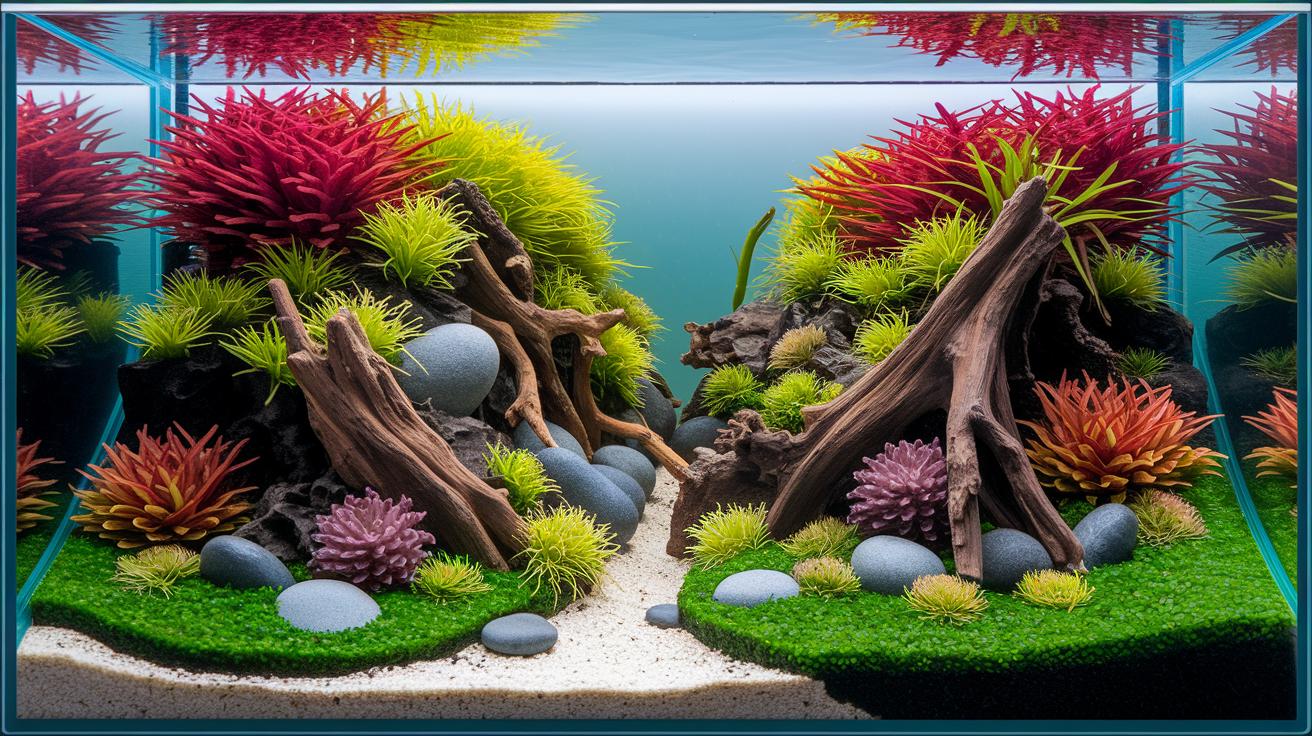
Dutch aquascaping is like setting up a stunning underwater garden where every plant has its own role. In these tanks, you'll see thick clusters of leaves and colorful stems arranged just so, making the whole scene pop like a neat painting. Nature aquarium style, on the other hand, takes a quieter approach. It uses driftwood and stones placed in a relaxed, natural way while letting the plants grow more loosely, much like a little forest at the bottom of your tank.
In a Dutch aquascape, you trim plants carefully to keep everything organized, much like you might prune a garden. You also balance the nutrients to maintain a fresh, vibrant look. Nature aquariums let nature take its course, with fewer plants that gently sway in the water. Think of Dutch aquascaping as a meticulously arranged artwork and nature aquarium style as a lively forest scene. Isn’t it amazing how each style brings its own kind of beauty to your underwater world?
Final Words
In the action, we reviewed the roots and techniques of Dutch Aquascaping. We touched on its history, the artistic plant selection, and key setup items that nurture a clear, healthy tank.
We saw how careful maintenance and thoughtful integration of fish and invertebrates make a striking, balanced aquatic home. The contest highlights and style comparisons keep our creative spark alive. Keep exploring these ideas and watch your underwater world grow into a beautiful, livable space with dutch aquascaping.
FAQ
What is Dutch style aquascaping?
The Dutch style aquascaping refers to a method that centers on lush plant arrangements carved in layers, with neat terraces and vibrant color contrasts inspired by the classic Dutch approach to aquatic design.
How do I create a Dutch aquascape?
The process to create a Dutch aquascape involves planning your plant placement carefully, using terracing techniques, and grouping stem plants together to form a balanced and visually engaging aquatic layout.
What ideas inspire Dutch aquascaping setup and layout?
The ideas behind Dutch aquascaping setup focus on creating clear visual pathways, structured rows of plants, and layered planting zones that echo the original design principles of balance and harmonious natural beauty.
What common plants are used in a Dutch aquascape?
The common Dutch aquascape plant list includes stem plants like Rotala and Ludwigia, along with Bacopa, Cryptocoryne, and Anubias, all grouped by height to highlight foreground, midground, and background contrasts.
What is a low-tech Dutch style aquascape?
The low-tech Dutch style aquascape means setting up a tank with fewer high-tech gadgets, relying on natural light and careful plant selection to maintain the signature layered and vibrant plant arrangements with minimal equipment.
What defines a Dutch aquarium?
The Dutch aquarium is defined by its focus on artful plant arrangements arranged in strict, non-hardscape layouts, resulting in a meticulously layered underwater garden that celebrates the beauty of aquatic flora.
What are highlights of Dutch aquascape competitions?
The Dutch aquascape competitions highlight entries that follow strict rules for plant grouping and terracing, with judges evaluating size, balance, and overall aesthetic to honor the refined art of aquatic garden design.
How does the Iwagumi aquascape theory compare to Dutch style?
The Iwagumi aquascape theory focuses on a minimalistic stone arrangement with sparse planting, while Dutch style aquascaping emphasizes lush, diverse plant groupings arranged in structured layers for a vibrant underwater display.
What substrate works best for a Dutch style aquarium?
The best substrate for a Dutch style aquarium is one that holds nutrients well and supports robust plant roots, providing a stable base for detailed, layered plant arrangements that define the style.