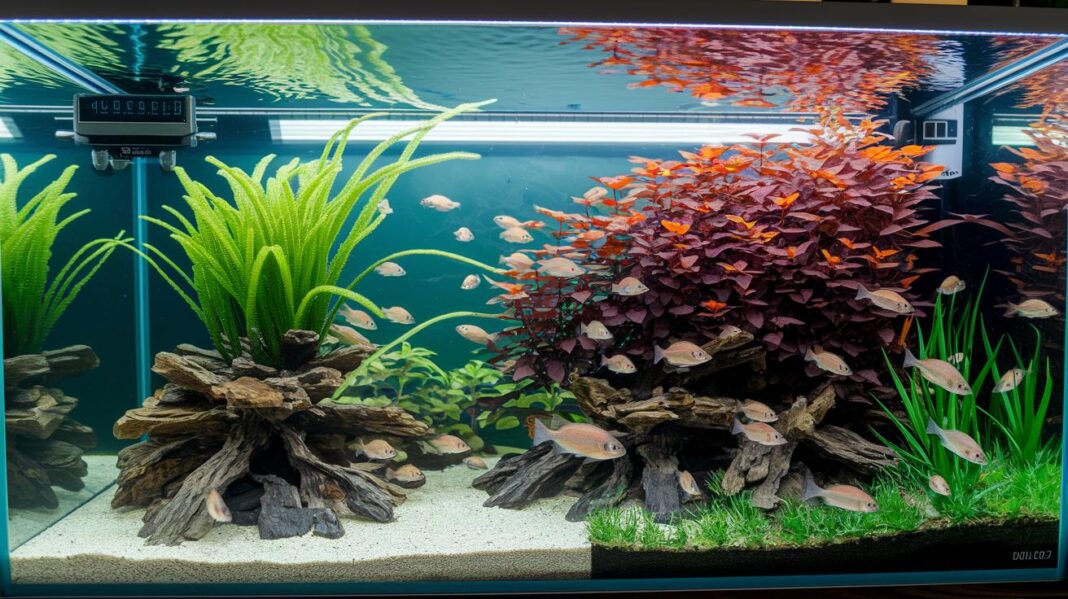

Have you ever wondered if a small change in your tank water might be stressing out your fish? It’s not just about a number but about keeping a peaceful home for your aquatic friends.
When the pH stays between 6.5 and 8.0, your fish can glide around happily like water sliding over smooth pebbles. In this post, we share some friendly, simple tips to help you keep that balance, so your underwater pals can thrive in a calm and soothing environment.
Achieving and Sustaining Ideal pH Levels in Your Aquarium
Taking care of your freshwater tank’s pH is key for keeping your fish happy and healthy. pH tells you how acidic or basic the water is, using a scale from 0 to 14, with pure water sitting right at 7. When the pH is below 7 the water leans acidic, and above 7 it gets more alkaline. Most fish do best when the pH is between 6.5 and 8.0, so keeping an eye on it really matters. Sudden shifts in pH can stress your fish, making them dart around, slow down, or breathe quicker than usual. Simple test tools like multi-test strips help you keep everything in balance.
Here are some key points to remember:
- pH range to aim for: 6.5 to 8.0
- Effects of too much acidity or alkalinity
- How natural minerals help smooth out pH changes
- The impact of big pH swings on fish health
- Why gradual adjustments are best
A steady water environment supports all the natural processes in your tank. Taking the time to make small water changes helps ease any shifts without shocking your fish. Natural minerals act like a soft cushion, slowly keeping the pH balanced. Fun fact: even experienced hobbyists notice a slight pH dip after heavy rain, which shows the hidden effects of natural acidity. This gentle approach helps your fish stay stress-free and active, thriving in a home that feels just like nature.
Understanding pH, KH, and GH Dynamics in Fish Tanks
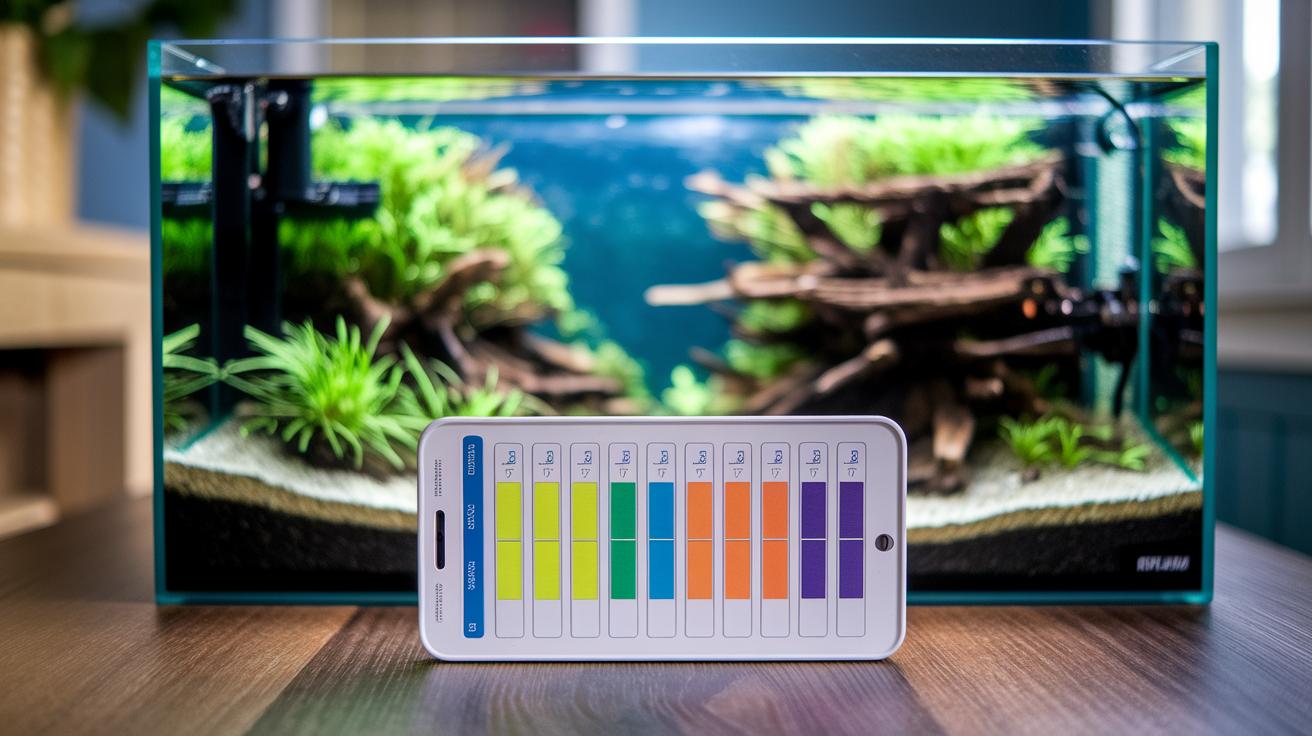
pH, KH, and GH each play an important role in making your aquarium a comfy home for your fish. pH shows you if your water is more acidic or more basic on a scale from 0 to 14. KH, or carbonate hardness, tells you how well your water can buffer changes, and GH, meaning general hardness, measures the levels of calcium and magnesium. Keeping these numbers in balance is a bit like following a perfect recipe, where every ingredient has its part to play.
When you watch these numbers closely, you ensure your water stays stable. Most freshwater tanks do best with a KH between 4 and 8 dKH (70 to 140 ppm), though some fish, like discus and crystal shrimp, like it a bit lower. GH is usually best kept between 4 and 8 dGH (70 to 140 ppm), but for soft-water species, lowering it to about 3 dGH helps a lot. These readings remind us that natural minerals and salt mixes can change the way both KH and GH behave in your tank.
Testing your water with a reliable kit and making gradual water changes can help prevent sudden shifts that might stress your fish. I once made a small change to my routine, and the water felt as calm as a quiet pond. Below is a handy table that sums up these key numbers:
| Parameter | Unit | Ideal Range (Freshwater) | Species Notes |
|---|---|---|---|
| KH | dKH / ppm | 4–8 dKH (70–140 ppm) | Lower for discus/crystal shrimp; >10 for African cichlids |
| GH | dGH / ppm | 4–8 dGH (70–140 ppm) | Lower (~3 dGH) for soft-water species |
| pH | N/A | 6.5–8.0 | Critical for overall health |
Choosing and Using pH Testing Kits and Meters for Accurate Measurement
If you want your aquarium to thrive, keeping an eye on the pH is a must. There are a few simple ways to do this. You can use multi-test strips, liquid reagent kits, or electronic meters. Each tool shows you if your water is too sour or too alkaline. For example, multi-test strips change color so you can match them with a guide when you have fresh chemicals and good lighting. I once used an electronic meter and calibrated it with pH 4.0 and pH 7.0 buffers, which made the readings as clear as a sunny day by the sea.
Regular checks, especially after water changes or when new fish join the tank, help keep your aquatic friends happy. A weekly test is usually a great rule of thumb. Here’s a simple checklist to get you started:
| Step | Action |
|---|---|
| 1 | Calibrate your electronic meter with pH 4.0 and pH 7.0 buffers. |
| 2 | Use multi-test strips under bright light for the best color match. |
| 3 | Test your tank water weekly and more often during big changes. |
| 4 | Follow the liquid reagent kits’ instructions exactly. |
With this gentle routine, checking your pH becomes as soothing as watching a calm tide roll in, keeping your fish feeling right at home. Isn't it nice to know every little step helps make your underwater world a happier place?
Step-by-Step Methods to Adjust Aquarium pH Safely

Adjusting your aquarium's pH should feel as gentle as a soft ripple on a calm pond. Start by making small water changes and mix in some RODI water so your fish can easily settle in their new conditions. You can use natural acids like driftwood tannins or a little bit of vinegar to lower the pH, while adding things like crushed coral, calcite media, or baking soda will help nudge it up gradually. I remember one time during a routine water change I mixed in some RODI water, and the tank stayed balanced without any sudden surprises.
Take your time and work in small steps. Begin by planning your water change in small portions to avoid shocking your fish with rapid pH changes, they might start acting sluggish or breathe more quickly. Each step matters, so mix your additives well with the fresh water before slowly adding it to your tank. Think of it as gently dropping one tiny droplet after another into a quiet pond.
Keep an eye on your fish during the process. Notice if they change their swimming patterns or start breathing more rapidly. These little signs will let you know whether your adjustments are on track or if you might need to tweak your approach. And always steer clear of adding too many chemicals all at once.
| Adjustment Material | Action |
|---|---|
| Natural acids (e.g. driftwood tannins) | Lowers pH |
| Tiny doses of vinegar | Lowers pH |
| Crushed coral in the filter media | Raises pH |
| Calcite media | Raises pH gradually |
| Baking soda | Provides a controlled boost in pH |
Implementing Buffering Strategies to Prevent pH Swings
Buffers are like the gentle caretakers of your aquarium, keeping the water calm and steady. Carbonate hardness buffers work much like a soft cushion, stopping sudden drops in pH and keeping things balanced. You can use a store-bought buffer with clear guidelines or try a DIY approach with baking soda. For instance, adding 1 teaspoon of baking soda per 50 gallons usually boosts your KH by about 1 dKH. Another neat trick is adding crushed coral into your filter media; it slowly releases carbonate ions, smoothing out the pH over time.
Choosing the right method means matching it to your tank’s needs and taking things slow so your fish don’t get stressed. Adding these buffering agents little by little lets your fish adjust gently, much like easing into a cool stream. This careful approach helps keep your water as clear as a gentle ripple, creating a safe and cozy home for your underwater friends.
| Buffer Type | Dosage Guideline | Effect on pH/KH |
|---|---|---|
| Commercial buffer | Follow manufacturer instructions | Stabilizes pH quickly |
| Baking soda | 1 teaspoon per 50 gallons | Raises KH by ~1 dKH |
| Crushed coral | Place in filter media | Slow, long-term pH increase |
Identifying and Troubleshooting Common pH Fluctuation Issues
Sometimes it can be hard to notice when your tank's pH is off until your fish start acting differently. You might see them swimming frantically or breathing more quickly than usual when things aren’t balanced.
Everyday things like decaying plants, too much food, leaching substrate, or driftwood tannins can upset your tank's balance. These factors change the water's makeup really quickly. A small water change, a careful check on the water hardness (KH), and tests for ammonia and nitrate can help give your tank a gentle reset, keeping your fish at ease.
Watch your fish closely, if you notice them gulping at the water or darting around erratically, it might mean the water is too acidic or too basic.
Staying on top of things can save your tank from bigger problems down the line. Regular cleaning of plant debris, watching your fish's feeding habits, and doing scheduled water tests all help keep pH swings in check. I always say that steady, consistent care is the key to a happy, healthy tank.
| Cause | Remedy |
|---|---|
| Decaying plant material | Remove decaying foliage and perform partial water changes |
| Overfeeding | Cut back on food portions and remove extra feed after a few minutes |
| Substrate leaching | Rinse new substrate thoroughly before adding it to your tank |
| Driftwood tannins | Pre-soak driftwood to remove excess tannins |
| Excess waste buildup | Clean filters regularly and monitor for high ammonia levels |
| Infrequent water changes | Establish a regular water change routine |
maintaining proper pH in fish tanks: Blissful Aquatics
Keeping your aquarium happy and healthy begins with a steady care routine. Think of it like tending a little pond where the water’s balance matters as much as the sparkle on your fish. By checking your pH every week, you can notice small changes before they disturb your finned friends.
Every month, set aside a bit of time to test your KH and GH. These tests tell you how strong your water is at handling shifts in acidity, kind of like a safety net for your fish. And every two weeks, try a gentle water change, swapping out about 10–20% of the water, to give the chemistry a soft reset without stressing your aquatic buddies.
It helps a lot to write down these readings so you can track trends over time and make adjustments when needed. You might also consider using automatic dosing or timers for adding in CO₂ or buffering agents. These tools act as steady helpers, keeping your tank’s water just how it should be.
Don’t forget to give your equipment some attention, too. Checking filters, heaters, and dosing systems every couple of weeks keeps everything running smoothly. With this relaxed routine, maintaining a balanced and peaceful tank can feel almost as calming as watching a gentle ripple on clear water.
| Task | Frequency | Materials Needed |
|---|---|---|
| pH Test | Weekly | pH test kit or multi-test strips |
| KH/GH Test | Monthly | KH/GH test kits |
| Partial Water Change | Every 2 weeks | RODI water, water conditioner |
| Equipment Inspection | Every 2 weeks | Filter, heater, dosing system |
Final Words
In the action, we explored pH fundamentals, tank chemistry, and safe adjustment methods that keep your aquatic environment calm and balanced. We talked about pH measurements, meticulous steps for adjustments, and buffering techniques using natural solutions. We also looked into troubleshooting issues that lead to sudden changes and setting up a routine care plan. Following these steps will help you in maintaining proper pH in fish tanks, creating a peaceful space where your pets thrive and enjoy each day to its fullest.
FAQ
Q: What are the signs of low pH in a fish tank?
A: The signs of low pH show up as frantic swimming, lethargy, and rapid breathing. Fish may also act stressed or unusually active in water that’s too acidic.
Q: How is proper pH maintained in fish tanks according to Reddit discussions?
A: The proper pH is maintained by regular testing, gradual adjustments, and using buffering agents. Reddit users stress the importance of small water changes and steady monitoring for fish comfort.
Q: How should pH be maintained in fish tanks after cleaning?
A: The pH can shift after cleaning, so testing the water immediately and making gradual adjustments with buffering products helps restore balance and keeps fish safe.
Q: What are the signs of high pH in a fish tank?
A: The signs of high pH include erratic movements, rapid breathing, and sometimes lethargy. Fish may show strain when the water becomes overly alkaline.
Q: How can you naturally raise pH in a fish tank?
A: The natural raising of pH is achieved by adding crushed coral, calcite media, or small doses of baking soda gradually to the tank while carefully watching the fish’s behavior.
Q: How can you quickly and naturally lower pH in an aquarium?
A: The quick, natural lowering of pH is possible by adding driftwood or peat moss, which release organic acids. It’s best to add them slowly to avoid stressing the fish.
Q: How do you fix high pH in a fish tank?
A: The fix for high pH involves partial water changes with RO or dechlorinated water, using natural acidifying agents, and applying buffers slowly to bring the levels back to a balanced state.
Q: How do you keep the aquarium pH constant?
A: Keeping the pH constant means testing regularly, making gradual adjustments, and using buffering agents. This steady routine helps create a stable and healthy environment for fish.
Q: What is the ideal pH for a fish tank?
A: The ideal pH for most freshwater fish falls between 6.5 and 8.0. Maintaining this range supports a stable and comfortable aquatic environment for thriving fish.