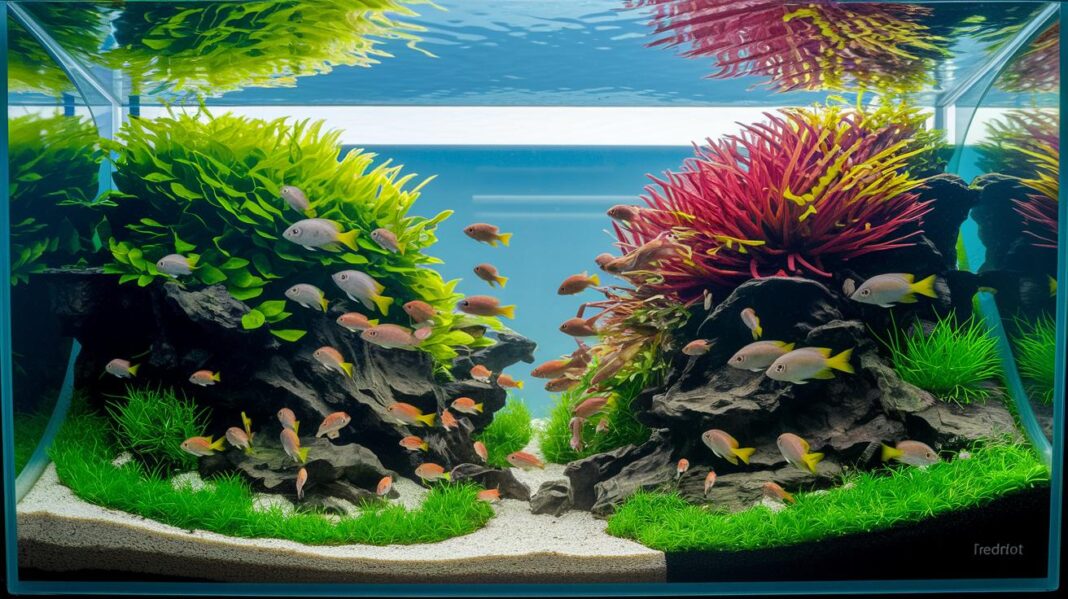

Ever thought your fish tank could be beautiful and kind to the Earth? Eco-friendly aquascaping makes that possible by crafting small underwater worlds that clean themselves using nature’s own methods.
It’s a smart setup that uses low-power lights and natural materials, helping you cut back on chemicals and constant upkeep. I like to imagine it as having a little wild stream right in your living room, where plants and fish team up to keep everything clear and balanced.
In this post, you'll discover how a sustainable design can bring a bright, natural sparkle to your tank while showing some love for our planet.
Eco-Friendly Aquascaping Fundamentals: Sustainable Aquarium Design Overview
Eco-friendly aquascaping is all about blending nature’s beauty with smart resource choices to create a tank that feels like a little slice of the wild. It’s like crafting your own mini ecosystem where plants, fish, and helpful bacteria team up to keep the water clean without relying on lots of chemicals. Imagine it as setting up a self-sustaining habitat, much like a clear stream that cleans itself naturally.
One neat fact is that before eco-friendly techniques became popular, many hobbyists struggled to keep their tanks healthy. Today, thoughtfully designed tanks use energy-saving gadgets, eco-friendly materials, and creative layouts. For instance, you might have low-power LED lights that mimic sunlight and natural substrates that feed plant roots. This clever setup means fewer chemical treatments and less constant cleaning, so your tank stays clear and lively.
Eco-friendly aquascaping also means choosing equipment that gently sips power instead of guzzling it, which helps lower the impact on our environment. By letting nature do its work, like bacteria turning waste into harmless compounds, your tank can stay balanced almost on its own. The result is a vibrant underwater scene that supports a safe and sustainable home for all your aquatic friends while also caring for the planet.
Selecting Sustainable Substrates and Decorations for eco-friendly aquascaping
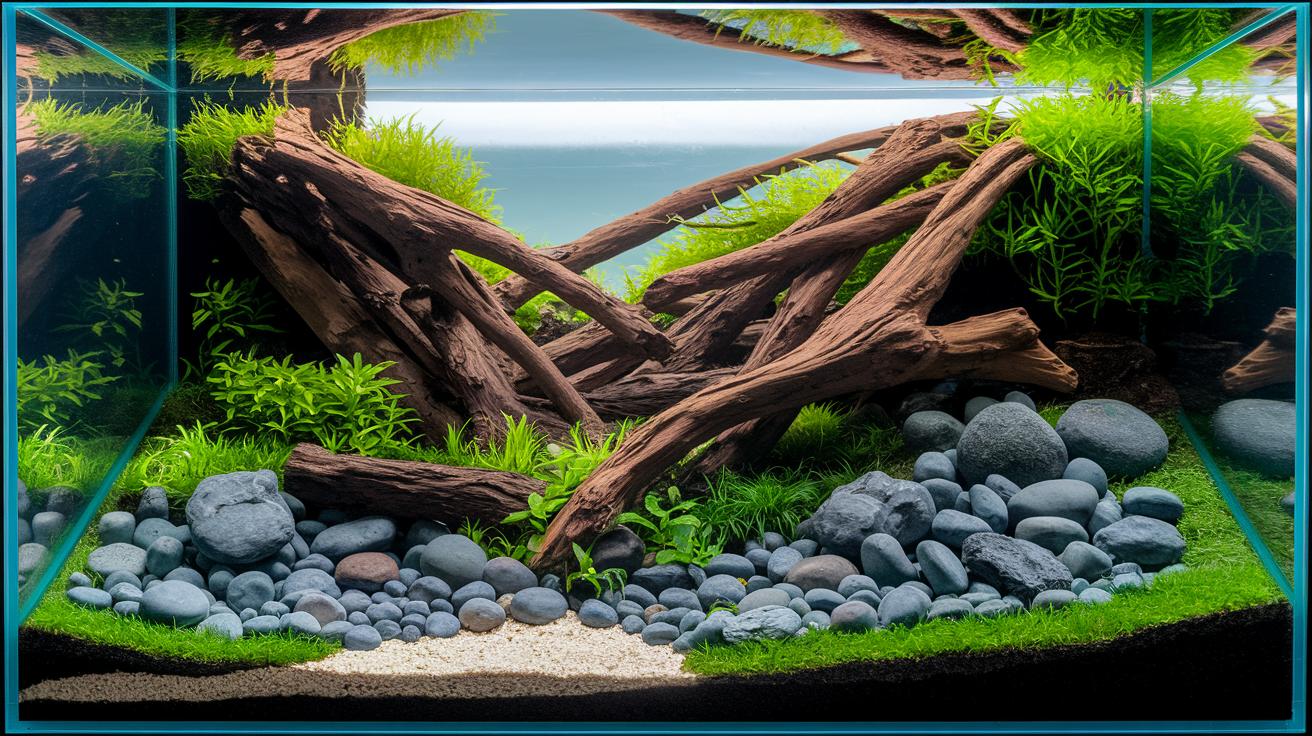
Smart aquascapers know that the right substrate can nourish plants and keep the tank feeling fresh and balanced. For example, a nutrient-rich aquarium soil is like a gentle hand feeding plants with all they need to grow strong. Meanwhile, using inert gravel or pH-stable silica sand offers a steady foundation that supports your aquatic life without upsetting the water’s chemistry. And with the help of special aquascaping tools, you can arrange your materials with care, making sure every particle plays a part in your tank’s natural beauty.
When choosing tank décor, going eco-friendly really makes a splash. Think of FSC-certified driftwood, local river rocks, and biodegradable ceramic ornaments as pieces that echo the charm of a wild riverbank or a rugged stone outcrop. These natural, renewable elements not only add style to your tank but also help lessen its environmental footprint. By combining sustainable substrates with green tank decorations, you create an aquatic display that is as kind to nature as it is pleasing to the eye.
| Material | Benefits |
|---|---|
| Aquarium soil | Delivers root nutrients for thriving plants |
| Washed gravel | Reliable, reusable, and inert base |
| Silica sand | Maintains a stable pH for your water |
| FSC driftwood | Eco-friendly and biodegradable décor |
| Local river rocks | Add a natural, wild look |
| Biodegradable ornaments | Create an eco-safe and engaging design |
Energy-Efficient Equipment Choices in eco-friendly aquascaping
LED lights are a big hit among aquascapers looking to cut back on energy use. They shine beautifully for about six to eight hours a day and let you tweak the colors to feel like natural sunlight. They only use between 15 and 30 watts, which is much kinder compared to old high-energy bulbs. If you're curious about other lighting ideas, there's a guide packed with details that might be just what you need.
Picking the right filter can help keep energy use low too. Many fish lovers choose canister filters, which typically run on 20 to 40 watts and often feature pumps designed to save energy. These filters keep your water clear and sparkling while using less power. Hang-on-back and internal filters are also built with efficiency in mind, so you have plenty of options to suit your tank.
Pumps and air-driven sponge filters are smart choices when you want to keep things efficient. They use only 1 to 3 watts, meaning you get steady water flow without a big energy bill or extra waste. It's a practical way to keep your aquatic setup running smoothly.
| Equipment Type | Eco-Friendly Feature | Power Use (W) |
|---|---|---|
| LED Lighting | Low wattage, adjustable spectrum | 15–30 |
| Canister Filter | Energy-saving pump, long media life | 20–40 |
| Sponge Filter | Air-driven, minimal electricity | 1–3 |
Cultivating Natural Aquatic Ecosystems: Plant Selection and Nutrient Management in eco-friendly aquascaping
Understanding the Nitrogen Cycle
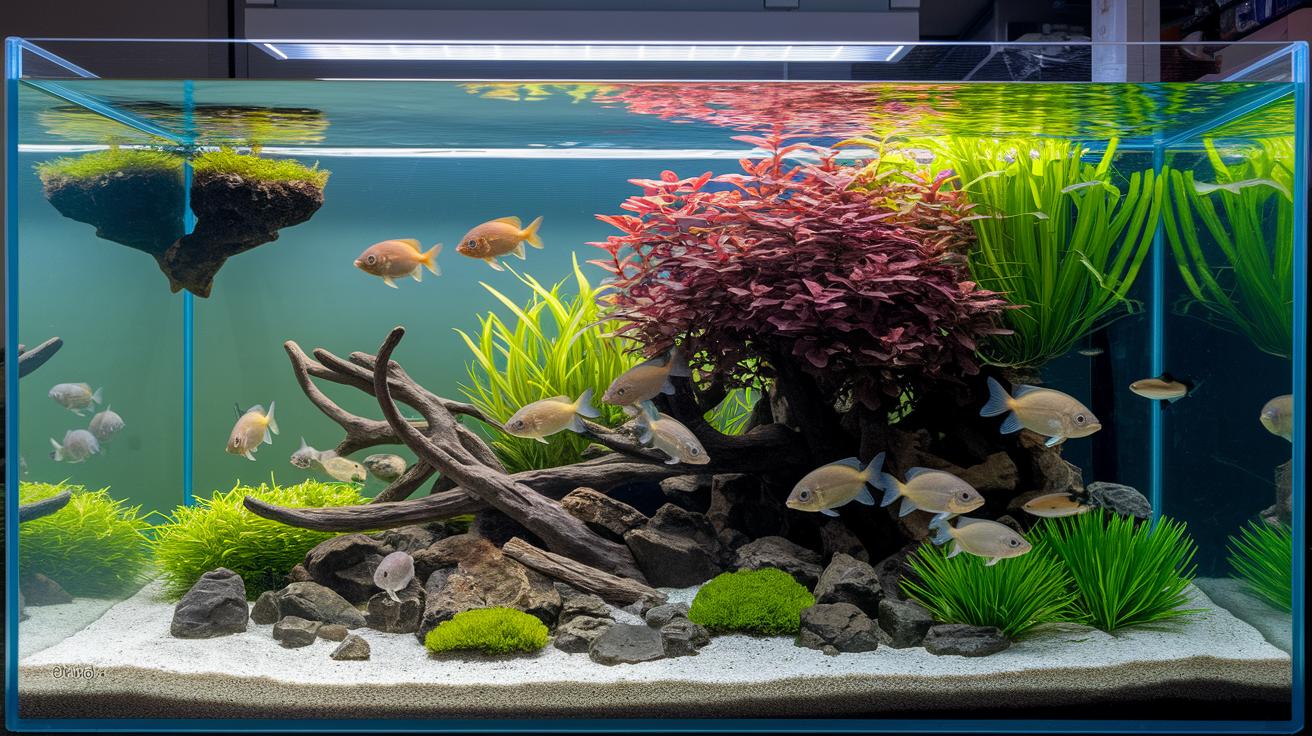
Imagine your aquarium as a lively underwater world where every fish, plant, and speck of debris plays a role. When fish waste and bits of decaying matter break down, they release ammonia into the water. Friendly bacteria then step in, turning that ammonia first into nitrite and later into nitrate. This helpful process usually takes about 4 to 6 weeks when you're setting up your tank. By checking for ammonia, nitrite, and nitrate along the way, you can keep your water balanced and clear. It’s a bit like nature’s own recycling system that turns waste into nourishment for your plants. With fast-growing stem and floating plants soaking up extra nitrates, you might even find you can cut down on frequent water changes.
Choosing Native Flora for Balanced Systems
When it comes to choosing plants, going with hardy, local species makes a big difference. These native plants not only add a splash of natural beauty to your tank but also help manage nutrients on their own. For example, using UNS Controsoil at about 1.5 to 2 inches deep feeds the roots the right kind of nutrients they need to thrive. Then, a touch of UNS Plant Food All in One can work its magic in the water, fueling your aquatic garden even more. These plants work as a team; fast growers quickly absorb extra nutrients, keeping the water clean and balanced. By picking the right mix and keeping an eye on the water’s health, you’re setting up a natural cycle that benefits both fish and plants, creating a peaceful, sustainable underwater haven.
Implementing Low-Impact Maintenance: Chemical-Free Water Management in eco-friendly aquascaping
Keeping your tank crystal clear without using harsh chemicals is easier than it sounds. One clever trick is to mix water conditioners with live nitrifying bacteria. These tiny helpers naturally turn harmful ammonia from fish waste into nitrite and then into nitrate, all without any toxic additives.
Testing your water regularly is really important. By checking the pH along with ammonia, nitrite, and nitrate levels, you can tell when a small top-off is all you need. This careful watch helps you keep the water just right without overdoing it. Even a little change might mean only a gentle refill is needed instead of a complete water change.
When algae starts to show up, try handling it manually. Gently brushing it off with a soft tool and letting your plants grow strong often works better than using chemicals. This approach keeps your tank’s natural balance safe and sound.
Lastly, choose eco-friendly plant fertilizers instead of chemical treatments. Feeding your plants with a safe, natural option supports a balanced nutrient cycle that both your fish and plants can enjoy. It all comes together to create a calm, well-balanced underwater home.
Eco-Conscious Layout and Habitat Simulation in eco-friendly aquascaping
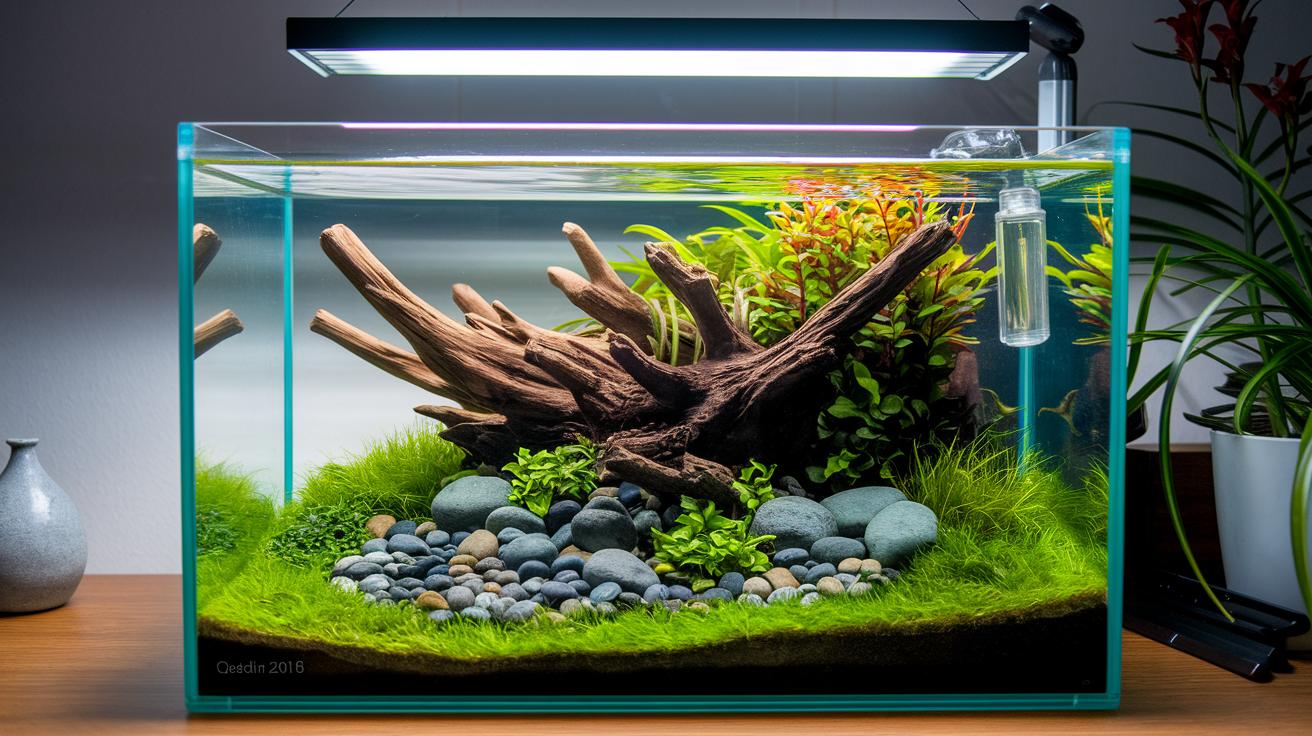
When you design an eco-friendly aquascape, think of it as creating a little piece of nature in your tank. Begin by laying out hardscape elements like nutrient-rich substrate, driftwood, and stones to echo the look of riverbeds and secret caves. Deep sand beds are a real treat because they host friendly bacteria that gradually change harmful nitrates into harmless nitrogen gas, keeping your water balanced. And by setting up open swimming paths with tight clusters of leafy plants, you capture the natural flow of streams and lakes, a bit like watching water ripple over smooth pebbles.
Next, using local wood and rock really adds to the eco-friendly vibe by cutting down on transport emissions while preserving local resources. Consider biodegradable or eco-safe decorations that let nature and art blend together seamlessly. Arranging driftwood next to smooth river stones not only creates cozy shade and hiding spots for your fish but also guides water movement naturally, much like a gentle current. Each well-thought-out detail, from open swimming zones to plant clusters, comes together to build an ecosystem that cleans water, boosts oxygen levels, and celebrates the wonder of nature for a greener future.
Scaling Your eco-friendly aquascaping Projects: Tips for Beginners to Advanced
Begin modestly to build your confidence. If you're new to eco-friendly aquascaping, a 10–20 gallon shrimp tank is a great starting point. Use a soft sponge filter or a hang-on-back system to keep your water clean, and keep your tank warm between 72 and 78°F. This careful setup creates a peaceful space where plants can thrive and shrimp make very little mess.
Plan your tank with care by stocking it slowly. Start with plenty of healthy plants that work like a natural water filter, gently cleaning your tank as they grow. Shrimp tanks are especially lovely because shrimp produce almost no waste and are easier to care for in a smaller space.
When you're ready to expand, try adding a CO₂ injection system. This smart method boosts plant growth, letting you safely introduce more inhabitants. But if you prefer a simpler, low-tech approach, add your fish or shrimp gradually so you don’t overload your little aquatic world.
Remember to give your tank 4–6 weeks to settle and let the plants root before inviting any new critters. Here’s a quick checklist to guide you:
- 10–20 gallon shrimp tank for beginners
- Gentle sponge or hang-on-back filtration
- Steady temperature between 72–78°F
- Start with plants and add animals after 4–6 weeks
Final Words
In the action, we covered everything from choosing smart, sustainable materials to picking low-energy gear and arranging natural plant setups. We broke down each part of an ideal aquarium design that lets nature shine. Every tip adds up to creating a peaceful underwater space where fish flourish together with a balanced ecosystem. Embrace eco-friendly aquascaping and enjoy the calm and clear view of a vibrant, naturally styled tank.
FAQ
What types of eco friendly aquascaping plants work best?
The eco friendly aquascaping plants work best when they are hardy and fast-growing, supporting balanced nutrient cycles while enhancing water quality and providing a natural, soothing aquatic look.
What does an eco friendly aquascaping kit include?
The eco friendly aquascaping kit includes sustainable substrates, biodegradable decor, and energy-efficient tools to help create a green aquatic display that minimizes environmental impact and chemical inputs.
How does eco friendly aquascaping for beginners get started?
The eco friendly aquascaping for beginners begins with simple techniques and low-impact materials, guiding new aquarists through minimal water changes, plant-focused layouts, and practical methods for a balanced tank.
What makes the best eco friendly aquascaping setup?
The best eco friendly aquascaping setup incorporates energy-saving equipment, sustainable substrate choices, and native plants that form a self-sustaining ecosystem, reducing chemical reliance while supporting aquatic life.
What defines a self-sustaining fish tank ecosystem?
The self-sustaining fish tank ecosystem mimics natural aquatic habitats using balanced nutrient cycles, ample plant life, and minimal chemical interventions, creating a stable environment that thrives over time.
What is included in a self-sustaining fish tank ecosystem kit?
The self-sustaining fish tank ecosystem kit offers selected substrates, eco safe decorations, and efficient filtration tools designed to help build and maintain a balanced, naturally thriving aquarium.
What are the best plants for a self-sustaining aquarium?
The best plants for a self-sustaining aquarium are fast-growing, hardy species capable of absorbing excess nutrients, supporting natural filtration, and adapting easily to varying water conditions while adding beauty.
What does the Walstad method involve?
The Walstad method involves using natural fertilizer from fish waste and plant roots to create an eco friendly aquascape, reducing chemical treatments and fostering a balanced, healthy aquarium ecosystem.