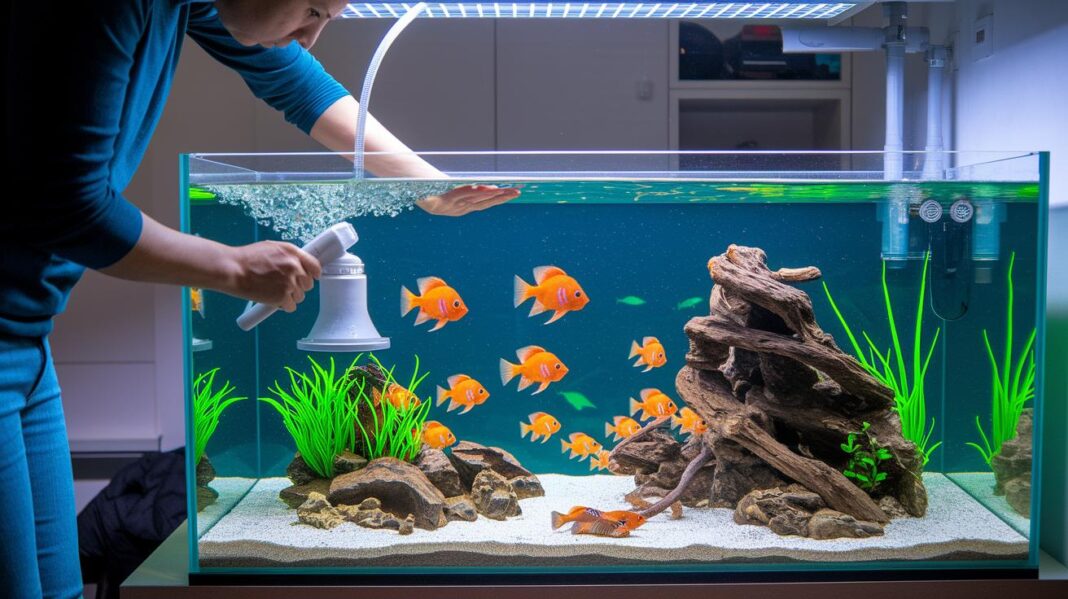

Ever noticed that your aquarium sometimes carries a funky smell? A couple of simple tricks can make it feel as fresh as a gentle stream.
Today, I'll share some easy DIY tips to help chase away those odors. They work by scooping out old food and washing your filters, the parts that work like nature’s little cleaners.
Imagine your tank as a calm pond; with just a bit of regular care, it stays clear and inviting. Stick with these tips and soon both you and your fish will enjoy a serene, clean space.
So, are you ready to see your tank become a low-odor haven where every ripple feels just right?
DIY Fish Tank Maintenance Routine for Minimal Odors
Keep your tank sparkling by removing any decaying bits on a regular basis. Whether it’s every day or every couple of weeks, skim off any leftover food or slimy plant pieces. For example, after dinner grab a small net and scoop out any stray leaves or leftovers, you and your tank will feel the relief! This little routine helps cut down on any gross smells from rotting debris.
Every week, grab your gravel vacuum to clean the substrate. This tool helps suck up sludge and hidden bits from the bottom that might later cause strong odors. Once you’ve cleaned, go ahead and change about 10-15% of the water to wash out any lingering smells. It’s a bit like rinsing dirt off vegetables before you start cooking.
Also, think about using an activated carbon filter during the season and switching out the carbon every month. This filter traps organic compounds before they have a chance to break down and release bad smells. Imagine it like changing a car’s filter to keep the engine running smooth and quiet.
Stick to this simple routine and you’ll quickly enjoy a clean, fresh underwater world that keeps both you and your fish feeling happy and relaxed.
Filter Cleaning Strategies for Low-Odor Aquariums

When your filter gets clogged with sludge from decaying bits, it can trap smells that spoil the fresh vibe of your tank. To keep everything running smooth, give your mechanical sponges a little rinse each week using dechlorinated tank water. This gentle wash is like a refreshing shower for your filter, helping to clean away debris while keeping the good bacteria safe.
Next, make sure you swap out your filter cartridges every two weeks. These little changes can stop unwanted buildup that might otherwise lead to stubborn odors. For a clear step-by-step plan on replacement, a quick look at some helpful aquarium guides can make the task as easy as a leisurely swim.
Then, once a month, tuck an activated carbon packet into your filter. This natural helper works like a tiny sponge for ammonia and other smelly compounds, quietly keeping your water fresh. Just steer clear of sulfur-based water conditioners, as they can give off a rotten-egg scent that no one wants.
Keeping your filter clean is like maintaining a beautiful underwater garden, when things flow smoothly, your fish enjoy a bright, odorless world that feels as clear as a mountain stream.
Odorless Water Change Steps in DIY Fish Tank Care
When your tank starts to smell, try swapping out about 10-15% of the water. On regular weeks, a 25% water change keeps those unwanted smells away, like a gentle shower washing over your favorite rocks.
Next, grab your siphon or gravel vacuum and gently clean out the debris from your tank's bottom. It’s a bit like clearing leaves off the pond floor to keep everything sparkling.
After that, refill your tank with water that’s been dechlorinated and warmed to match the current temperature. This step is super important, matching the water’s warmth helps your fish feel calm, much like easing into a soothing bath instead of a chilly splash.
When you add water conditioner, do it lightly and avoid using any sulfur-based kinds that might dare to add extra scents. Keep it clean and simple, just like adding a hint of mint to freshen up your drink.
Lastly, restart your filter and let the water flow for about 10 minutes. Then, do a quick check on the pH and ammonia levels, making sure everything blends together smoothly, almost like watching the soft ripples form and settle on a still lake.
For a quick tip: during those odor issues, changing 10-15% of your water is like giving your tank a refreshing sprinkle, just enough to bring back that clear, clean vibe.
Non-Toxic Cleaning Solutions for Fresh-Smelling Tanks

To start, try using white vinegar. It gently breaks down those hard water deposits on your glass and acrylic surfaces while keeping your fish safe. Imagine it as quickly swishing a window clean, a little vinegar and a good rinse give you sparkling, residue-free surfaces.
When pesky algae stains pop up, mix a bit of baking soda with water until you get a soft paste. Then, lightly scrub the stained spots like you would tidy up a kitchen counter after a busy day. It’s a simple, natural fix that works wonders.
For extra care on plant leaves or stubborn films, use a spot treatment with hydrogen peroxide. Let it sit for about five minutes before rinsing it off well. This little step gives your plants a bright, healthy boost without any harsh chemicals.
And remember, steer clear of bleach and ammonia-based cleaners. They can leave behind harmful residues and unpleasant smells. These natural methods keep your tank fresh, clear, and perfectly safe for your aquatic friends.
Substrate & Decoration DIY Cleaning to Eliminate Tank Odors
Sometimes, hidden pockets in your substrate can create a rotten-egg smell when debris builds up in low-oxygen spots. A weekly gravel vacuum, go about an inch deep, works like a mini underwater broom to sweep away debris that other cleaning methods might miss.
It’s a good idea to check your bogwood now and then. If you notice signs of tannin release or fungus, remove the wood and let it soak outside the tank for a full day. Think of it like giving your favorite decoration a refreshing bath to help keep your water clean and smelling fresh.
Also, your resin and ceramic decorations need a little love too. Food particles can hide in tiny crevices over time, so rinse them once a month with some tank water. This gentle wash is a bit like carefully cleaning your favorite dish to get rid of any leftover bits.
Stick with these simple steps on a regular schedule and your aquarium will keep smelling pleasant and feeling as inviting as a sunny day by a quiet pond.
Preventing Organic Buildup in Fish Tanks to Reduce Smell

Keeping your tank smelling fresh starts with the basics. Don’t overfeed your fish, only offer as much food as they can finish in about two minutes. Picture handing out a tiny snack that vanishes, so no leftovers can rot and create bad odors.
Balancing your fish count is equally important. When you have just the right number of fish for your tank, waste stays under control, much like following a recipe where every ingredient is perfectly measured.
Also, consider adding some live plants. They naturally soak up nitrates and help keep smells in check without any extra chemicals. It’s like watching a sponge quietly absorb a spill.
| Preventative Measure | How It Controls Odor |
|---|---|
| Avoid Overfeeding | Keeps food from rotting |
| Balanced Stocking | Reduces waste buildup |
| Live Plants | Absorb nitrates naturally |
- Feed lightly
- Keep your fish count balanced
- Add live plants
Selecting DIY Tools & Schedules for Odor-Controlled Aquarium Maintenance
Imagine setting up your own little aquatic haven. First, gather your cleaning tools like you would pick your favorite fishing gear. You’ll need a gravel vacuum to grab leftover bits hiding in the gravel, an algae scraper to polish the glass, a soft-bristle brush for those delicate spots around ornaments, and a siphon hose to remove water carefully. Keep a simple water test kit on hand too; it helps you check for ammonia, nitrite, and nitrate levels every week. High ammonia can give off a sharp smell, so the kit tells you when it’s time to adjust your routine. For more ideas on testing, check out our guide on aquarium test kits.
Then, set up a regular plan to care for your tank. A daily quick look can catch stray debris before it builds into a problem. Weekly water changes help dilute any leftover organic matter that could cause odors. Every two weeks, take time to clean the filter media so it doesn’t hold onto sludge, and each month, replace the activated carbon insert so it continues to soak up unwanted smells.
Sticking to a routine not only keeps your underwater world sparkling but also maintains healthy water and keeps your fish feeling comfy with minimal odors.
- Daily quick checks
- Weekly water changes
- Bi-monthly filter media cleaning
- Monthly carbon insert replacement
Troubleshooting Persistent Smells in DIY Fish Tank Maintenance

Persistent smells in your fish tank can be hard to track down. Sometimes, secret pockets in your tank or rotting bogwood might be causing the odor. If you sniff a strong ammonia smell, kind of like a harsh, soiled diaper, it could mean your water is off balance and needs some quick attention. Overcrowding can also add extra waste, making the smell even stronger. It’s a good idea to take a peek behind decorations for any decaying plant bits, as these hidden culprits can create a big stink.
Diagnosing Ammonia & Organic Smells
Start by testing for ammonia when you first notice that sharp odor. A tank that smells like a soiled diaper usually means there’s too much decaying organic matter at work. If your water gives off an odor like a sour cleaning product, it might be time to adjust your water chemistry. Check your test kit results to see if there’s an ammonia spike. This might mean you need to do a few partial water changes or even lower the number of fish, which helps balance the beneficial bacteria. Regular testing is like an early warning system that guides you toward keeping your water fresh and clear.
Eliminating Equipment & Substrate Odors
Next, take care of the odor sources hiding in your equipment and substrate. A routine clean with a gravel vacuum gets rid of build-up that a standard cleaning might miss. Be sure to clean the filter sludge thoroughly and check your bogwood for any signs of decay or too much tannin being released. If you still notice a lingering odor after your cleaning routine, replacing your filter’s activated carbon can help absorb any remaining smells. Keeping up with these tasks not only prevents odor pockets but also keeps your aquatic home as pleasant as a calm, sparkling pond.
Final Words
In the action, the article breaks down a routine to keep your tank fresh. It covers everything from filter cleaning techniques and water changes to safe cleaning solutions and substrate care. Each step helps reduce buildup and odor while promoting a calm, clean environment. Regular checks and a few simple tools can mean a world of difference in maintaining an appealing aquatic habitat. Try out these DIY tips for low-odor fish tank maintenance and enjoy a space that feels as clear and refreshing as a gentle ocean current.
FAQ
- What DIY tips for low odor fish tank maintenance can I find on YouTube and Reddit?
- DIY tips for low odor fish tank maintenance suggest regularly removing decaying matter, performing scheduled water changes, and using activated carbon in filters to naturally reduce odors.
- How can I create a homemade fish tank odor eliminator?
- A homemade fish tank odor eliminator works by combining regular debris removal, gravel vacuuming, and periodic water changes with activated carbon use to adsorb odor-causing molecules.
- Why does my new fish tank smell bad and appear cloudy?
- A new fish tank can smell bad and turn cloudy due to residual cleaning agents and initial algae growth; regular water changes and proper setup will clear the water and lessen unwanted odors.
- What should I do if my fish tank smells like sewage?
- When a fish tank smells like sewage, it usually signals organic buildup; inspect filters and substrate for decaying material, then clean and perform a water change with dechlorinated water to restore freshness.
- How do I freshen my fish tank water and remove persistent smells?
- Freshening fish tank water involves routine water changes using a siphon or vacuum, along with a monthly activated carbon filter replacement, which helps trap residual odors and maintain balanced water quality.
- How can I clean my fish to avoid bad smells?
- Cleaning fish to avoid bad smells means gently rinsing them with tank water, avoiding harsh chemicals, and keeping your fish care processes simple and free of strong soap residues.
- Why does my fish tank smell shortly after cleaning or continue to smell even after cleaning?
- Persistent smells after cleaning often point to hidden organic buildup or inefficient filtration; a thorough check of the substrate, decorations, and filter maintenance schedule can help clear lingering odors.