
Have you ever thought your fish might not be getting the care they truly deserve? A solid feeding routine works like a gentle current, keeping everything smooth and balanced in your tank. When you stick to a regular schedule, you help keep the water clear and your fish feeling full of life.
This guide is like your go-to toolkit, showing you how to set up a feeding plan that gives your aquatic friends just the right boost. So, why not dive in and check out some simple tips for keeping your tank sparkling and your fish swimming happily?
Structuring Your Feeding Schedule for Balanced Aquarium Fish Nutrition
Having a steady feeding schedule is like setting a gentle current in your tank, it keeps everything moving smoothly and ensures your fish get the right boost of nutrients. When you feed your fish at regular times, you keep the water clearer and avoid giving too much or too little food. For instance, many seasoned aquarists have discovered that a well-timed feeding routine can really brighten water clarity and boost fish energy. It's like watching the soft ripple of water on smooth stones, steady and predictable.
Most fish do well with one meal a day, though some fish lovers prefer to split that into two smaller meals just to be extra sure everyone’s happy. Some energetic or delicate species might even need a little extra attention. You know your fish best, some might gobble their treats in just 30 seconds, while others take up to 5 minutes. Keeping track of this means you prevent leftovers that can cloud your water, protecting your fish from malnutrition or slow growth.
It all comes down to giving them just the right portion. When you offer the perfect bite every time, not only do you keep your tank clean, but you also help your fish stay vibrant and healthy. For more friendly tips on keeping your underwater world thriving, check out this guide on a balanced fish diet for optimal health: https://sweetfysh.com?p=1607
Recommended Feeding Frequency and Portion Control for Balanced Aquarium Fish Nutrition
Keeping a steady feeding schedule helps your fish stay happy and healthy. Most adult fish do well with just one meal a day, while quicker or meat-loving types might enjoy two meals. Smaller or slower feeders benefit from three to five little feedings spread out throughout the day. The trick is to only serve them as much food as they can finish in about 5 minutes, or even 30 seconds for some.
| Fish Category | Feeding Frequency | Portion Guideline |
|---|---|---|
| Carnivorous | 2 times a day | Consumed within 5 minutes |
| Omnivorous | 1 time a day | Consumed within 5 minutes |
| Herbivorous | 1 time a day | Consumed within 30 seconds |
Serving the right amount stops extra food from clouding your water and keeps the tank as clear as a peaceful pond. By matching the portions to what your fish can gobble up in a few minutes, you help maintain a calm and balanced underwater home.
Selecting Nutrient‐Rich Foods in a Balanced Aquarium Meal Regimen
Having a mix of foods in your tank keeps your aquarium thriving, much like a well-prepared meal for a friend. When you offer a variety of foods, you’re giving your fish a natural diet filled with vitamins and minerals they need to grow strong.
Live Foods
Live treats such as brine shrimp, daphnia, and bloodworms bring a refreshing burst of natural goodness into your aquarium. They encourage your fish to indulge in behaviors that feel truly wild, imagine your fish eagerly chasing a tiny, wriggling shrimp that sparks memories of their natural habitat. It’s a fun and healthy way to serve protein and essential nutrients.
Frozen Foods
Frozen foods like frozen brine shrimp or mysis shrimp are just as nutritious but with a handy twist. All you have to do is let them thaw in a small cup of tank water, and they’re ready to serve as a tasty, pre-cut snack for your fish. This method keeps feeding simple while still ensuring that your aquatic pals get all the vitamins they need.
Commercial Foods
Commercial flakes and pellets are designed to offer a balanced meal in each bite. They make it easy to control portions and avoid extra leftovers. Think of it as serving small, perfectly measured doses of nutrition that your fish can quickly enjoy, making each mealtime as smooth as a gentle ripple on the water.
Rotating these different foods each week not only keeps mealtime exciting but also helps prevent any nutrient gaps. This way, your fish get the diverse diet they need, turning every day in the tank into a well-orchestrated, healthy feast.
Species‐Specific Feeding Schedule Strategies for Balanced Aquarium Fish Nutrition
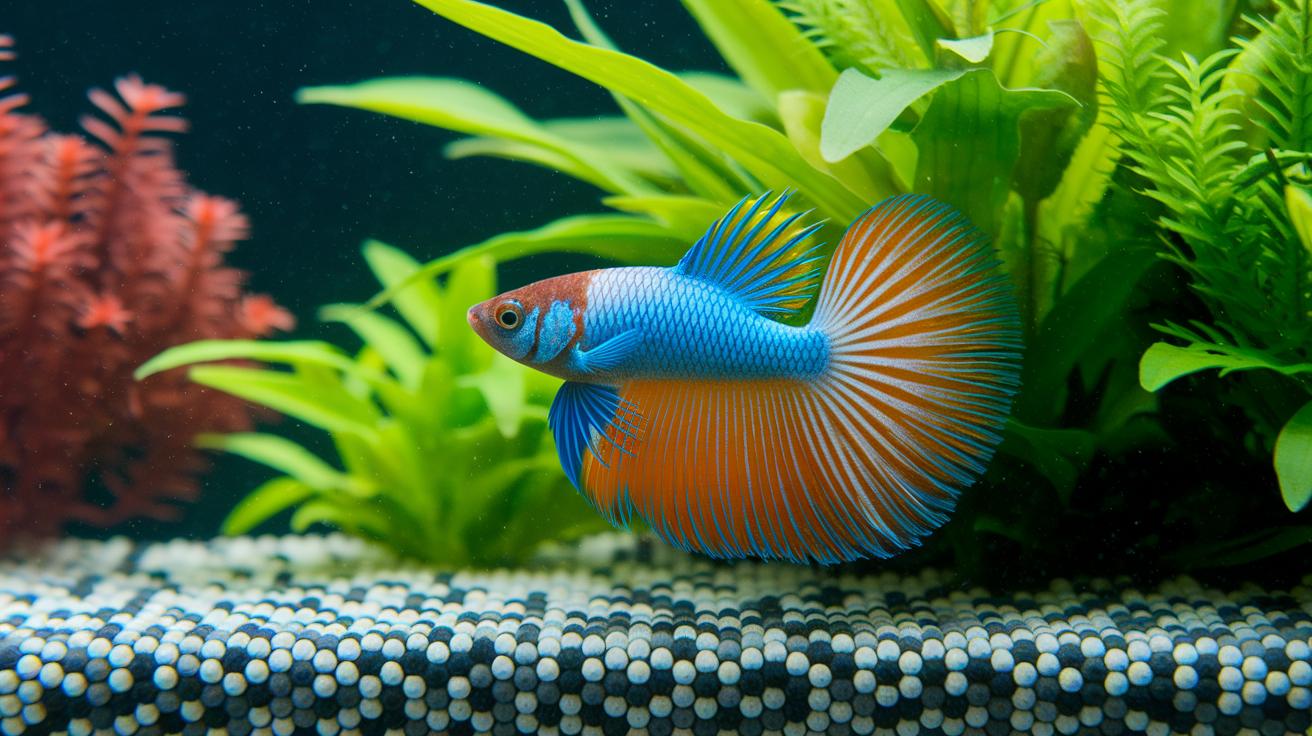
When it comes to feeding your fish, each type has its own needs. Carnivorous species like bettas love protein-packed meals twice a day, while omnivores such as goldfish thrive on one balanced meal every day. You can tweak the feeding times and sizes depending on your fish’s size, age, and activity level. A good tip is to offer portions that disappear in about five minutes so nothing goes to waste.
Herbivorous fish do best with one or two meals filled with veggies. In community tanks, it's smart to mix up the feeding schedule to suit all the different fish habits. Keep an eye on how your fish behave during feeding; their reactions can help you tell if they're still hungry or if they're getting too much food.
- For bettas: Offer small, protein-rich portions twice daily.
- For goldfish: Provide one balanced meal that can be finished in about five minutes.
- For herbivorous fish: Serve vegetable-based meals one to two times a day when they share a tank.
Seasonal and Lifecycle Schedule Adjustments for Balanced Aquarium Fish Nutrition
When it comes to feeding your fish, the trick is to adjust how we feed based on their age. Newborn fry need tiny meals spread out throughout the day, three to five little feedings to keep up with their fast growth. Juvenile fish, still growing and maturing, do well with regular small feedings as they gain strength. And for those seasoned adult fish, you can space things out a bit more. They can even go up to a week without food sometimes, though sticking to a routine is best. It’s like they naturally want to keep nibbling, always ready for a snack.
Temperature also makes a big difference in how fish digest their food. In cooler water, things slow down, so food takes longer to break down. During those colder times, it might be smart to cut back on how often you feed and serve smaller portions, so you don’t end up with extra food piling up. When the water warms up, digestion speeds up, and a few extra feedings can help keep them active without causing too much waste.
And if you’re ever off enjoying your own water adventures or need a bit more help with fry care, automated feeders can be a real lifesaver. These handy devices let you schedule little meals at set times, making sure your aquatic pals stay well-fed even when you’re taking a break.
Monitoring Health Indicators and Water Quality in Relation to Feeding Schedules
Taking care of your fish is a lot like tending a small underwater garden. When you overfeed, you might notice puffed-up bellies, extra waste, and bits of food gathering on the tank floor, or even see the water turn cloudy with a frothy top. Sometimes test kits will show high levels of ammonia, nitrite, or nitrate. On the other hand, if you underfeed your fish, they'll look skinny, with sunken bellies and a paler color, and they might seem a bit stressed. Spotting these signs early can help you adjust your feeding routine to keep the water as calm as a quiet pond.
After feeding, checking your water is a smart way to fine-tune your feeding schedule. A simple test kit can help you measure chemicals like ammonia, nitrite, and nitrate. If these levels spike, it’s like watching leftover food decay and disturb the natural flow of your tank, much like leaves rotting in a quiet stream. On the flip side, balanced readings mean you’re feeding just right for your fish.
Take a moment every day to watch your fish. Keep a small journal about how they respond after meals and note any odd behaviors. Regular water checks along with observing your fish at play can guide you in tweaking portion sizes and feeding times. This simple habit helps ensure your aquatic friends enjoy a steady diet and a peaceful, healthy home.
Final Words
In the action of planning your feeding schedule for balanced aquarium fish nutrition, you learned how to match portions to consumption, adjust feeding for species and seasons, and monitor water quality. The guide showed that systematic feed planning keeps your aquatic habitat healthy and visually appealing. Each step helps maintain vibrant, content fish while ensuring the right amount of nutrients. Every effort you make now leads to a thriving underwater environment and a more relaxed, enjoyable aquarium life.
FAQ
What is the best time to feed fish?
The best time to feed fish is when they are most active, typically in the morning or early evening. This timing mimics their natural feeding behavior and helps keep water quality stable.
How many times should fish in an aquarium be fed?
Many adult fish thrive with one meal daily, while smaller fish and fry often benefit from multiple small feedings. Adjust the frequency according to species and tank behavior for the best results.
How many pellets should I feed my fish per day?
The amount of pellets should equal what your fish can eat in about five minutes. Offering just enough helps prevent waste and reduces the risk of water quality issues in your tank.
How often should small fish be fed and how do I feed them?
Small fish do better with more frequent, tiny meals. Use micro pellets or finely crushed food, offering very small portions so they can easily eat without excess remaining in the tank.
What should I feed fish at home for a balanced diet?
A balanced diet at home includes a mix of commercial pellets or flakes along with occasional live or frozen foods. This variety supplies essential vitamins and minerals for healthy growth.
Can I feed fish every other day instead of daily?
Feeding fish every other day may work for some slow-metabolism species, but most active fish and fry require daily feeding. Monitor their behavior closely to decide on the best schedule.
How do I balance nutrients in fish feed and the aquarium?
Balancing nutrients begins with choosing a complete fish food. Match your portions to their consumption rate—this avoids leftover food and maintains a healthy water environment.
What is a balanced diet for fish?
A balanced diet for fish combines quality commercial food with occasional live or frozen varieties. This mix provides the right balance of proteins, fats, and vitamins for robust, vibrant health.
For additional guidance on maintaining a balanced fish diet for optimal health, visit balanced fish diet for optimal health.