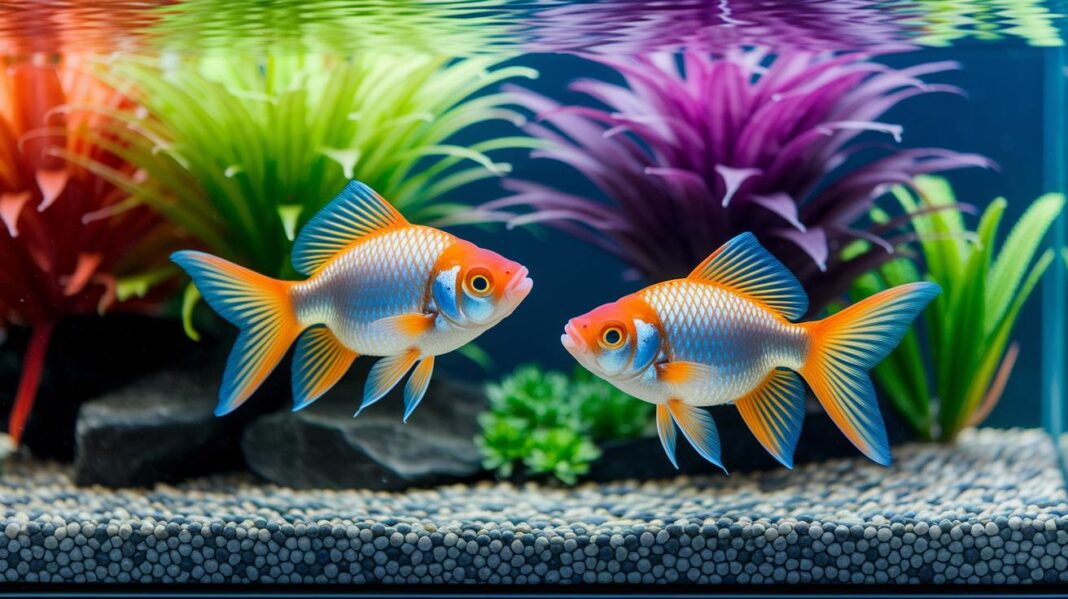

Have you ever thought that maybe your fish might be missing out by eating at odd times? It turns out that when they get fed really matters. Just like the gentle flow of water, feeding times can shape how well your fish use every bite of food to swim and play.
In snug, smaller tanks where snacks are offered all the time, fish digest their meals in a different way than in larger setups with set meal times. It’s like comparing a playful stream to a calm, steady river, each has its own rhythm that affects how lively your fish feel.
This chat breaks down the science behind meal timing and shows how even small shifts can boost your fish’s energy. Ever notice how a little change in your tank setup can bring more life and sparkle to your aquatic friends? It's amazing how the right food schedule can help your fish thrive, making your aquarium a little slice of calm water paradise.
How Feeding Frequency Directly Affects Fish Metabolic Rates
When fish meals are spaced differently, it changes the way they use energy and soak up food nutrients. In smaller tanks, fish can get little meals several times a day, much like nibbling on snacks throughout their time in the water. But in larger pond setups, they usually eat once or twice daily, which makes their digestion work a bit differently. Did you know young salmonids might be fed up to 24 times a day? It’s pretty amazing how well fish can adapt when their meals are timed just right.
Young fish often nibble on food continuously thanks to automatic feeders, they’re like tiny snack machines. As the fish grow, their bodies adjust and their meal schedule changes too. Growing fish might be fed 3 or 4 times a day, while fish that are almost ready for harvest usually get only once or twice. This careful plan makes sure the little ones get enough nourishment to grow fast without overloading the older fish, so they don’t get stressed out.
Every fish species has its own eating style, and that really affects how they process energy. For example, young salmon and trout seem to thrive on more frequent meals, compared to adults who might only get fed once or twice. Some species, like sturgeon, even have on-demand feeders, letting them decide when they’re hungry, which perfectly matches their needs.
By matching meal times with a fish’s natural digestion rhythm, we help them use energy better and absorb nutrients more efficiently. The fish become more active and their food is digested with ease, creating a healthier and more balanced aquatic world.
Physiological Mechanisms Behind Feeding Frequency and Digestion in Aquaria
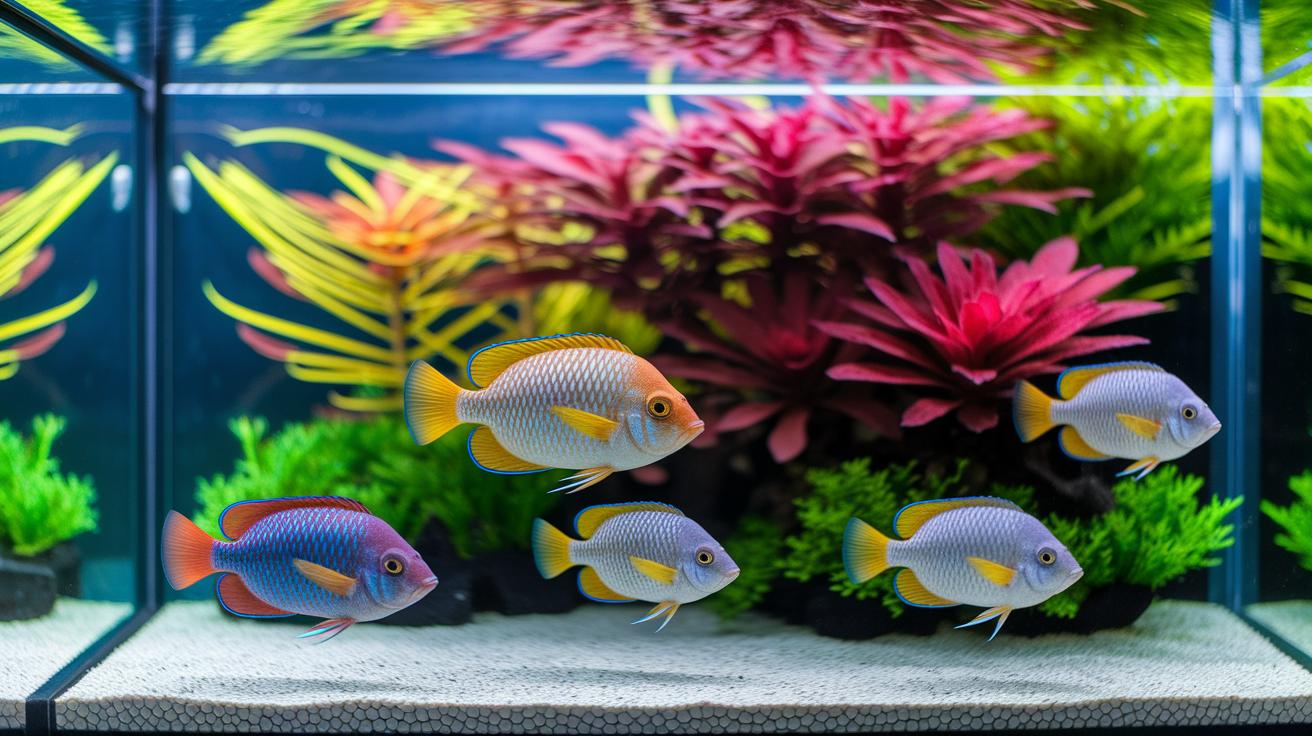
Feeding your fish on a regular schedule is like tuning into nature's heartbeat. When you set mealtimes just right, their bodies kick into gear, making enzymes that are perfect for breaking down proteins, fats, and vitamins. It’s as if their tummies are getting ready for a refreshing stream of nutrients each time you feed them.
Regular feeding also helps keep the food journey smooth through their digestive system. When meals come on time, the gentle flow of food ensures that fish absorb essential nutrients well, much like how a well-planned day helps us feel our best.
Even the type of food matters. Freeze-dried meals, for instance, hold on to key nutrients while supporting a steady, consistent digestion process. With set feeding times, fish get the predictable care they need, leading to balanced energy levels and a healthier overall routine.
Remember, syncing your fish’s mealtimes with their natural rhythm is like letting the soft ripple of water decide the pace, it can make your aquatic friends feel more vibrant and full of life.
Temperature, Dissolved Oxygen, and Feeding Frequency in Aquarium Metabolism
When the water is cool, your fish tend to slow down, eating less and digesting food more slowly. It's kind of like how we might feel a bit sluggish on a chilly morning, you know? In a cold tank, even well-fed fish might seem calm, showing just how much temperature influences their energy.
In warmer water, things change. Fish start to digest their food quickly, and it feels like their energy is revved up, making it easier for them to benefit from their meals. That's why feeding your fish regularly, especially when the water is warm, is so important. A steady routine in the right temperature helps them make the most of their nutrient-rich diet.
Oxygen in the water also plays a big part. After a meal, check the oxygen levels around 6 to 8 hours later because digestion needs a good supply of oxygen to work well. When seasonal changes cause shifts in water temperature, you might even notice changes in aeration. For example, in those warmer months, feeding your fish more often might mean you need extra aeration or a bit better filtration to keep the oxygen levels just right.
Tweak your feeding times a little and you might just create that perfect balance for your tank, ensuring your fish have a healthy metabolism and can process their food as smoothly as water over pebbles.
Overfeeding vs. Underfeeding: Feeding Frequency Implications for Metabolism and Water Quality
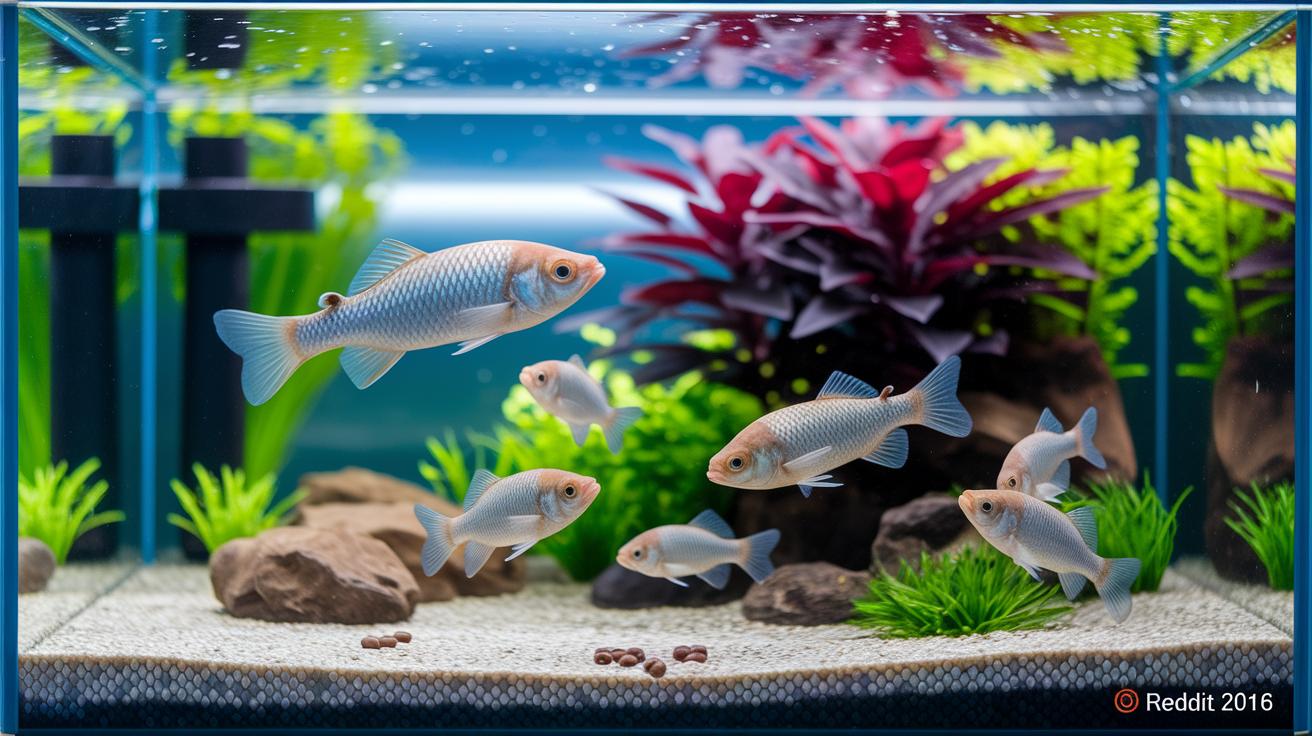
Feeding your fish too often can stir up troubles that ripple gently through your tank. When you serve them meals too frequently, they can’t digest all the extra food. Instead, it sinks to the bottom and starts to break down, much like uneaten dinner left out overnight that begins to spoil. Removing any leftovers within 10 to 15 minutes is a simple trick to keep ammonia levels low and your water sparkling.
On the flip side, not feeding enough is risky too. Fish that miss out on proper meals might grow slower or even lose body weight because their metabolism isn’t getting enough fuel. It’s a bit like skipping your own meals, you end up feeling weak and low on energy. Over time, these fish can also become more vulnerable to diseases, making them less resilient when the going gets tough.
Finding the right feeding balance is key to a happy, healthy tank. A well-planned schedule helps your fish use energy properly while keeping the water clear and inviting. Each fish gets just the right amount to thrive, ensuring your underwater world remains as peaceful and vibrant as a calm, flowing stream.
Practical Feeding Frequency Guidelines for Optimal Fish Metabolism in Aquariums
Begin with a feeding plan that matches your fish's age and type. Young fish might need as many as 24 meals each day, but older fish do best with just 1 to 3 feedings. Take tilapia or trout, for example, feeding them twice a day, once around 8 AM and again at 4 PM, helps fuel their fast growth.
Make sure each day's food amounts to about 1% to 5% of your fish’s body weight. Young fish need more food relative to their size compared to adults. A handy tip: try using commercial pellets that float or sink, and every so often toss in a little extra protein with treats like black soldier fly larvae or worms. For more on nutrients, check out guides like Balanced Fish Diet for Optimal Health.
Keep a close eye on your fish’s behavior. If they seem sluggish or you notice changes in their waste, it might be time to adjust how much or how often you feed them. Testing the water for ammonia, nitrites, and nitrates can really help fine-tune your feeding schedule. Remember, feeding too much or too little can affect water quality and slow down their growth.
| Fish Type | Feeding Frequency | Daily Feed % of Body Weight |
|---|---|---|
| Juveniles | Up to 24 times | Higher end (closer to 5%) |
| Fast-growing species | 2 times daily | Moderate (%) |
| Slower-growing species | 1 time daily | Lower end (closer to 1%) |
Plan each feeding as a way to boost their metabolism and keep the water balanced. This careful routine makes sure your aquatic friends stay lively and full of energy.
Final Words
In the action, we unraveled how feeding frequencies shape fish metabolism in aquariums. We looked at scheduling adjustments for various life stages and how water conditions and meal timings blend to create a healthy underwater scene. From overfeeding pitfalls to underfeeding challenges, our tips help keep your tank clean and lively. Knowing how feeding frequency affects fish metabolism in aquariums brings you one step closer to a balanced, vibrant aquatic home. Keep experimenting, stay attentive, and enjoy the splash of success in your tank!