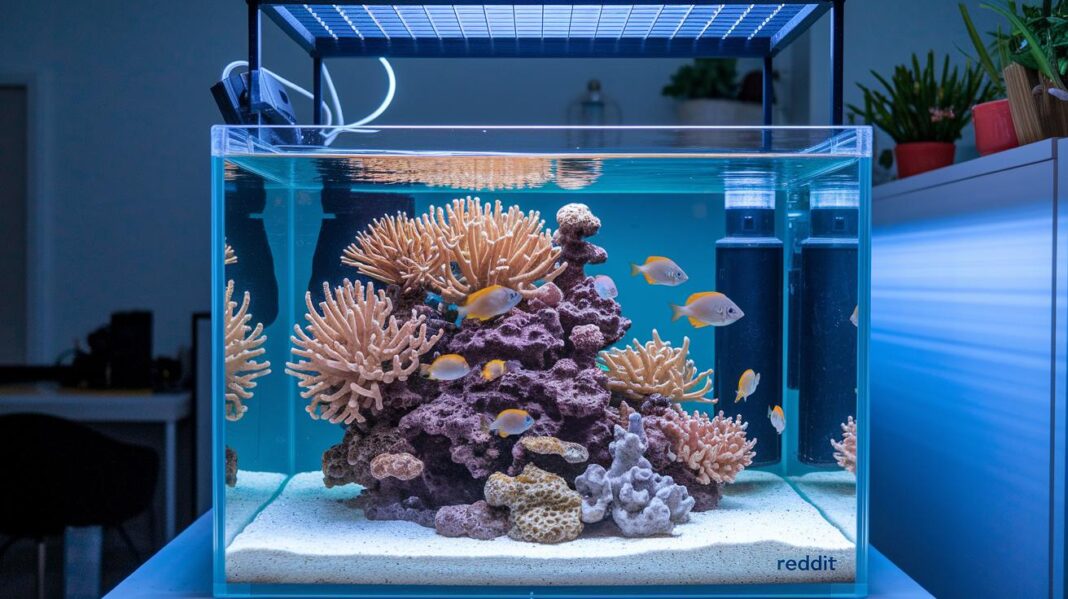

Have you ever thought about how the stuff in your filter might be shaping your aquarium’s health? Your tank’s filter is like a friendly guardian that keeps harmful substances out while letting fresh water flow in. Today, we’re diving into how mechanical, biological, and chemical media each play a key role, just like a team of little helpers working together in your tank. When you see how each part does its job, you'll understand how they all work to keep your fish and plants cheerful and shining bright. Get ready to explore how the perfect mix of filter media can create a balanced and lively underwater home.
Filter Media Fundamentals for Stable Aquarium Ecosystem Dynamics
Getting your aquarium water just right starts with choosing the perfect mix of filter media. When your filter removes nasty things like ammonia, nitrites, and nitrates, it makes maintenance way easier, almost cutting your cleaning time in half. Think of the filter system as the heart of your tank. It pumps fresh water and keeps harmful toxins at bay so your fish and plants can flourish.
Mechanical media, like sponges and filter floss, work as the first line of defense. They catch up to 75% of the organic particles before the water moves on to other cleaning steps. This means that the finer filters downstream don’t get clogged up too fast, keeping the water moving steadily. Fun fact: a well-kept mechanical barrier can save you hours of cleaning each week, leaving more time to enjoy your clear, sparkling tank.
Then come the biological and chemical media which work together to keep your water safe. Biological media, such as lava rock and ceramic rings, offer cozy homes for billions of helpful bacteria. These tiny critters turn harmful ammonia into nitrites and then into the less dangerous nitrates. Alongside, chemical media like activated carbon help by attracting and holding onto dissolved toxins, giving your tank a little extra protection. In short, picking the right mix of these media helps build a strong community of bacteria that keeps your water balanced and healthy.
| Function | Media Type |
|---|---|
| Traps solids | Mechanical |
| Converts nitrogenous waste | Biological |
| Adsorbs dissolved toxins | Chemical |
Mechanical Filter Media and Their Impact on Aquarium Ecosystem Dynamics

Sponges, filter floss, and diatomaceous earth each work a bit differently because of their unique pore sizes and flow resistance. Think of a sponge like a soft net that gently catches bits of debris before they sneak deeper into your filter system. This early catch keeps your water clear and helps protect other sensitive parts of the filtration process. Imagine a filter floss working quietly, almost like a soft brush dusting off a table, letting the rest of your filter do its job without being overwhelmed.
Cleaning your filter regularly is super important. When debris builds up, it can slow the water flow and upset the natural balance of your tank. A clogged filter might change how the rest of your system behaves, making it tougher for all the good bacteria to break down harmful stuff. A little extra cleaning care ensures your underwater world stays as clear and inviting as a crystal-clear stream.
Biological Filter Media Optimizing Aquarium Ecosystem Dynamics
Biological filter media like lava rock, ceramic rings, and scoria give friendly bacteria a cozy home. These bacteria work hard to change dangerous ammonia first into nitrite and then into a gentler nitrate. For instance, ceramic rings slowly invite these microbes over 4 to 6 weeks, setting up a calm cycle that helps keep your tank safe from high toxin levels.
The porous surface of these materials is like a secret garden where tiny spaces let bacterial colonies bloom. Whether they’re converting ammonia or breaking down nitrates, both types of bacteria depend on the nooks and crannies provided. This mini ecosystem plays a big part in keeping your water clean and clear.
When you pick the right filter media, you’re giving your aquarium a natural cleaning crew. Each little space supports more bacteria, which work together to keep the water balanced and healthy for your aquatic pals. Isn't it amazing how nature helps create a safe and stable home for your fish?
Chemical Filter Media Influences on Aquarium Ecosystem Dynamics

Chemical media such as activated carbon and zeolite help keep your tank water clean by grabbing dissolved organics and ammonia byproducts. Fresh media has plenty of open spots to trap these unwanted compounds, making your aquarium a balanced home for your fish. But as the media gets used up, its cleaning power fades, and harmful substances might begin to build up if you don’t swap it out on time.
Overusing these media or letting them sit too long can take away some of the tiny trace elements your tank needs. This can even throw off your water’s pH level and overall balance. Regular water changes and timely media replacement are like little maintenance check-ups for your aquarium, ensuring that your water stays happy and your fish and plants can grow strong.
Comparative Analysis of Filter Media Effects on Aquarium Ecosystem Dynamics
Imagine your aquarium as a little underwater world where each filter media plays its own special role. Mechanical media works like a sponge, gently scooping up unwanted bits of debris so your fish can swim in sparkling water. Biological media is like a cozy home for friendly bacteria, keeping the nitrogen cycle in balance and making sure your tank stays healthy. And chemical media acts a bit like a natural purifier, soaking up unwanted toxins to keep the water just right.
| Media Type | Role | Impact on Ecosystem Dynamics |
|---|---|---|
| Mechanical | Catches tiny particles much like a well-worn sponge | Clears up the water and cuts down on extra cleaning |
| Biological | Offers a home for helpful bacteria | Keeps the nitrogen cycle steady and maintains a balanced tank |
| Chemical | Collects dissolved toxins | Maintains a harmonious water chemistry by reducing impurities |
Maintenance Strategies and Media Aging in Aquarium Ecosystem Dynamics
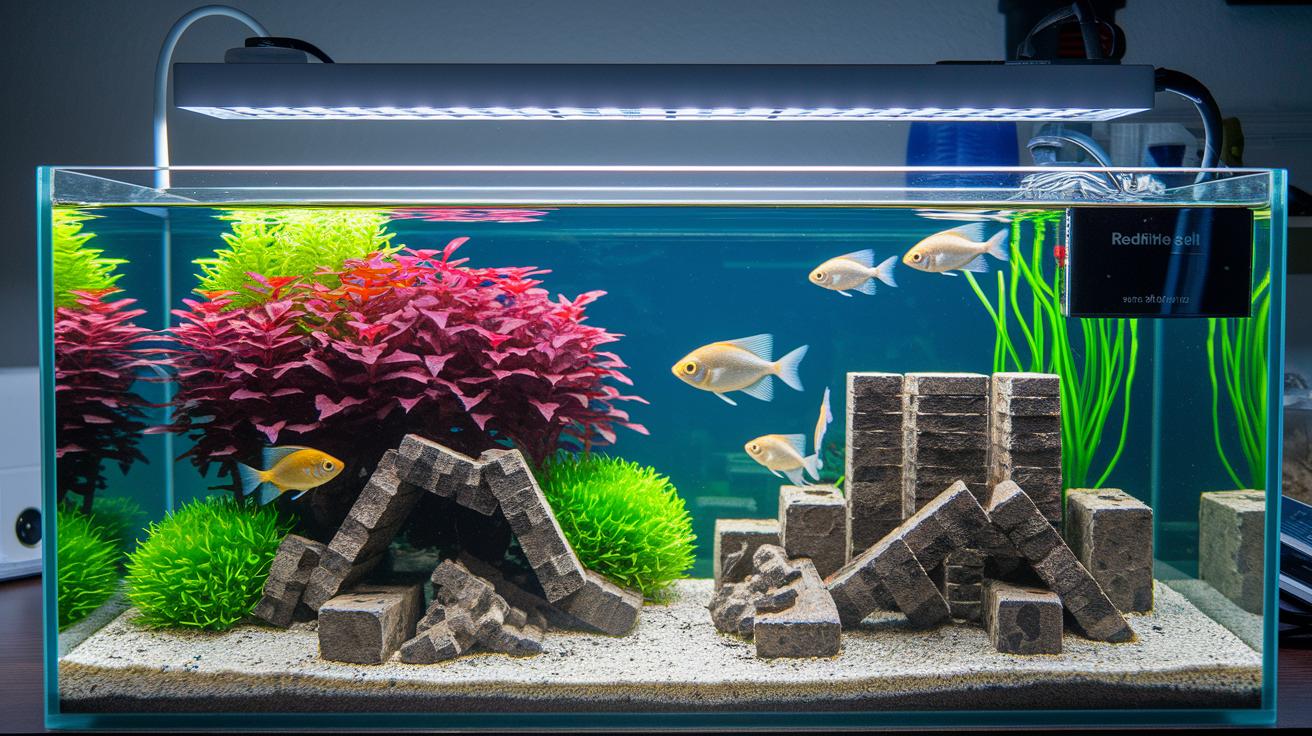
Filter media wears down over time. For example, ceramic rings can keep working for many years, while activated carbon usually needs to be swapped out each month. Gently rinsing these items with water from your tank helps keep the good bacteria intact, just like caring for a soft sponge. Using harsh chemicals can wipe out these helpful layers, so a mild rinse is always the way to go.
Keeping a regular routine is key to a stable tank. Changing about 25–30% of your water every two weeks helps control nitrate levels and maintain balance in the environment. Combined with timely cleaning and replacement of your filter media, these practices keep the natural bacteria in check. In the end, a little proactive care makes your aquarium a vibrant and safe home for both fish and plants.
Innovations and Eco-Friendly Filter Media for Future Aquarium Ecosystem Dynamics
New ideas are making waves in tank filtration, with cool options like 3D-printed bio-blocks, biochar alternatives, and even magnetized media. These products help trap toxins in your tank while stepping away from old-fashioned synthetic resins. Natural choices like diatomaceous earth and natural gravel work wonderfully and encourage a greener approach to fish care. This fresh method can give your fish a healthier environment and let your aquatic plants flourish by keeping water chemistry balanced and stable.
Aquarists are also loving the idea of custom media blends to fine-tune their tanks. By mixing different materials to meet your tank’s needs, you can create a filter that leaves a smaller mark on the environment. Upgrading your tank with these eco-friendly practices means less waste and fewer chemicals in the water. It’s a smart way to combine great performance with sustainability, setting a new standard for keeping your underwater home vibrant and safe for all its inhabitants.
Final Words
In the action, we covered how mechanical, biological, and chemical filter media work together to keep water clear and fish happy. We broke down their roles in removing waste, supporting beneficial bacteria, and controlling water chemistry. The conversation also touched on regular care and innovative, eco-friendly updates that boost filter media and its impact on aquarium ecosystem dynamics. Keep these ideas in mind as you fine-tune your tank for a bright, healthy underwater home. Enjoy watching your aquatic world thrive!