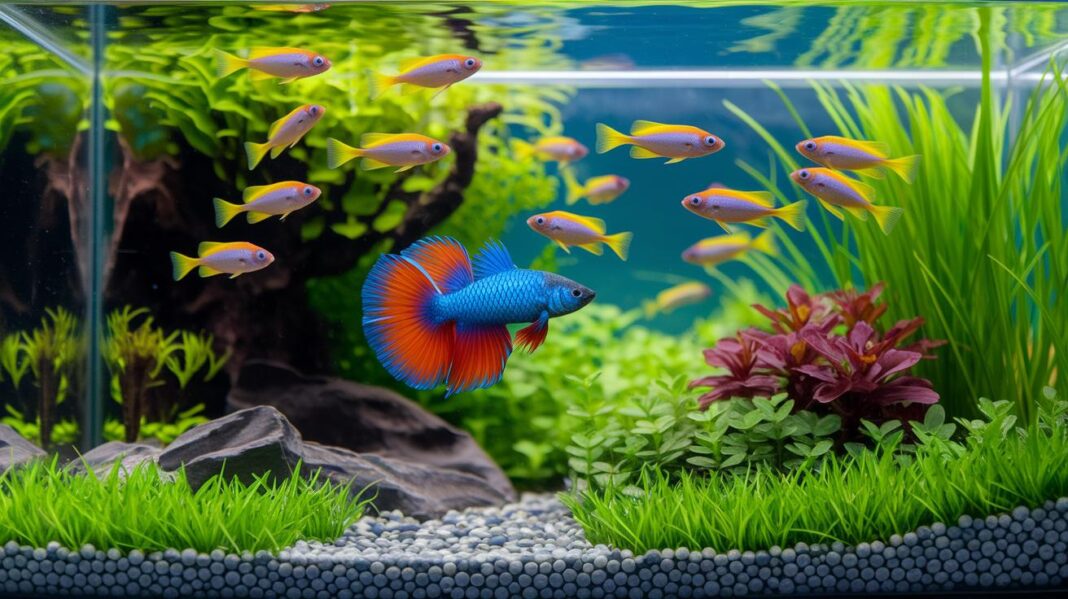

Ever wonder if your betta might be open to sharing its castle with other fish? At first, it might sound a bit scary, but choosing the right tank pals can create a lively, calm underwater neighborhood.
Picture each fish as a little burst of color, joining together like ripples in a gentle stream to form a balanced, soothing scene. In this guide, I share easy tips and real options to help you pick companions that match your betta's unique vibe.
Think of a well-planned tank like a warm, cozy cove where every fish finds its own comfy corner. Isn't it cool how a little planning can turn your aquarium into a vibrant haven where everyone feels right at home?
what fish can live with bettas: Colorful Pals
A calm and colorful community tank can really soothe a betta’s spirit, much like the gentle ripple of water on smooth stones. When fish float together peacefully, every species gets its own cozy space to swim, nibble, and hide. Each fish offers its unique personality, and picking friendly, low-key tank mates helps keep a betta’s natural need to claim its corner in check.
Some bettas might be cool with a lively crew, while others might prefer a quieter scene. Keep in mind that every betta is a bit different, so it’s always a good idea to watch how they interact when you add new friends. Here are ten excellent choices that not only bring bursts of color but also lend a helping fin with chores like algae control and cleaning up bits of food.
- Mystery Snails – Their tough shells offer protection and they munch on algae and leftover food, making tank cleanup a breeze.
- Ghost Shrimp – These little bottom-dwellers help keep algae in check, but stay alert as some bettas might get a bit nippy.
- Feeder Guppies – A single-gender group works best to avoid too much breeding and flashy fins that could stir up unwanted attention.
- Corydoras Catfish – Calm and friendly, these bottom feeders scoop up debris, keeping your tank neat.
- Harlequin Rasboras – Schooling in groups of five or more, they help balance out any hint of bulliness.
- Neon Tetras – These sparkling schooling fish add vibrant flashes of color and lively movement mid-water.
- Ember Tetras – Small and playful, keeping these in groups ensures a smooth blend with their tank mates.
- Clown Plecos – This tiny loricariid needs lots of little hideaways while quietly working on tank maintenance.
- Kuhli Loaches – Shy bottom dwellers that love a sandy spot to burrow and feel safe.
- African Dwarf Frogs – Peaceful amphibians that need a spot at the surface for air, enjoying the gentle company of their finned friends.
Ever notice how a well-planned community tank can feel like a little underwater paradise? So, take your time, watch for signs of harmony, and enjoy creating a lively aquatic home together.
Water Conditions for Fish Living with Bettas

Keeping the right pH is super important for your bettas and their tank mates. Most bettas do best when the water's pH is between 7.0 and 8.0. This range helps create a cozy, natural home where their delicate systems can thrive. For instance, if you test your water and see a pH of 7.5, that's like a gentle, steady current that keeps everyone safe.
Tropical water matters too. Bettas and many other fish feel right at home when the temperature stays between 72°F and 81°F. A gentle filter is a must for this setup. It moves the water around slowly, just like the calm flow of a little stream, so it doesn't disturb smaller or more sensitive fish.
Keeping water conditions stable helps all the fish feel relaxed and healthy. When the water stays steady, every fish, be it a betta or its speedy neighbor, can settle in without extra stress. This way, you set up a balanced, peaceful aquatic haven where every little fin can swim happily.
Tank Size and Setup for Bettas and Their Fish Companions
If you’re keeping a single betta, aim for at least 5 gallons. But once you add some friends, a 10-gallon tank becomes a must. This extra space lets your betta and friendly species like tetras or rasboras, which do best in groups of five or more, swim around comfortably, almost like having a little pond just for them. For a group of female bettas, imagine a long, horizontal setup in a 10-gallon tank so each fish can call its own corner. And if you have room for more, a 20-gallon tank gives everyone plenty of space to settle in.
When setting up your tank, think of it as creating your own underwater haven. A nice, soft floor of sand or fine gravel works wonders for bottom dwellers, making it feel like a cozy, natural bed. Then, sprinkle in some hiding spots with natural décor like caves, driftwood, or clusters of live plants. These little nooks break up the open water and give your fish a safe place to retreat. All in all, this careful setup helps every fish feel relaxed and right at home.
Managing Aggression Among Bettas and Tank Mates
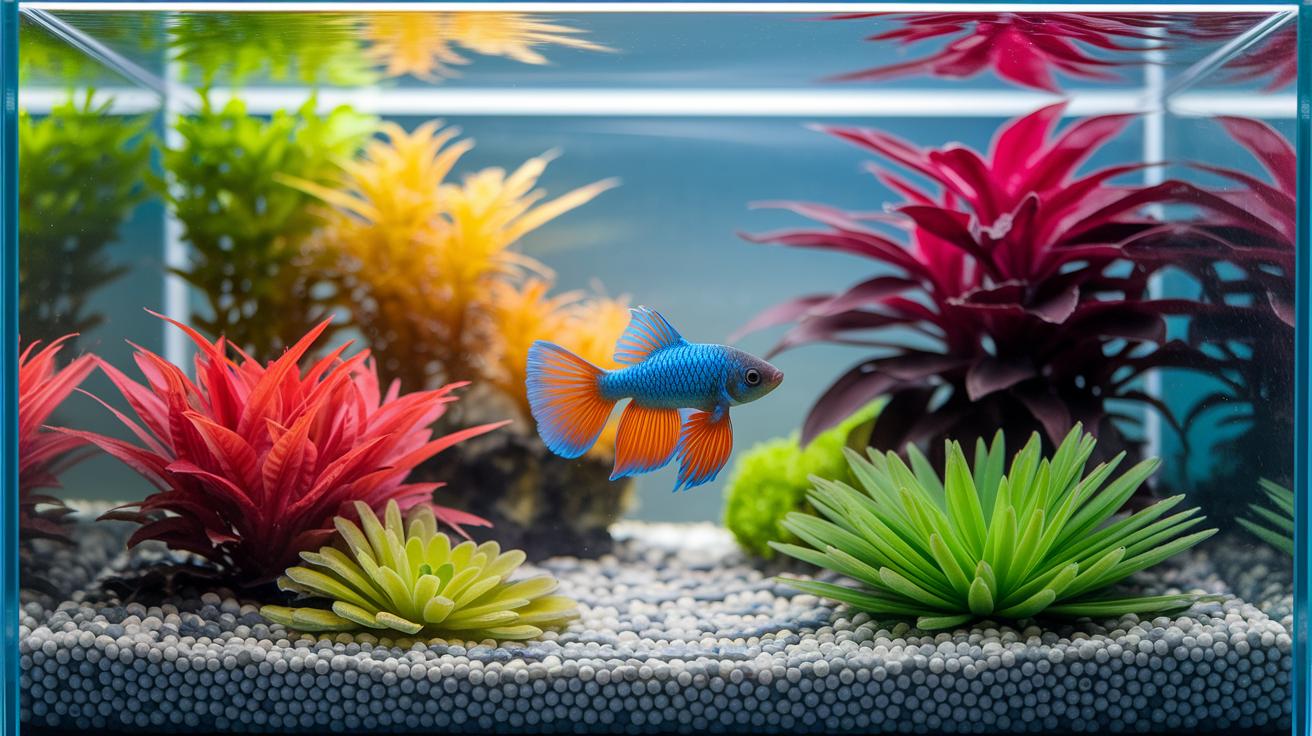
Bettas are naturally protective of their space. They guard their food, shelter, and even their mates, almost like they're setting up their own little kingdom. Sometimes, you might see one day that your betta is calm and friendly, and the next day it's acting like it owns the entire tank. It’s a bit like watching a pet with a mind of its own, one moment mellow, the next ruling the roost, especially when bright colors or extra movement catch its eye.
To keep the peace, it helps to choose tank mates that won’t stir up drama. Avoid fish with long, flashy fins that might tempt fin-nipping. Instead, go for bottom dwellers or small schooling fish that tend to move out of the betta’s way. Watch your fish every day, and if you spot signs of stress or extra aggression, have a backup plan ready, perhaps a divider or a quiet corner, so every fish can enjoy a calm space.
Steps for Introducing New Fish to a Betta Tank
Bringing new fish into your betta’s home takes a gentle, careful approach to keep everyone happy. Once your tank has finished cycling, it’s time to welcome new friends without upsetting the balance. Think of it like slowly mixing the perfect smoothie, each ingredient needs to blend in gradually. A drip acclimation process, for example, helps the new fish get used to the tank’s temperature and water conditions, much like settling into a warm, gentle bath.
-
First, set up a small quarantine tank for the new arrivals for 10 to 14 days. This temporary home helps keep diseases away and gives the fish time to adjust.
-
Next, test the water in both your main tank and the quarantine tank. Matching the water’s temperature and chemistry is like ensuring two streams merge smoothly, preventing any sudden shocks to the new fish.
-
Consider changing up some of the decorations in your main tank. Rearranging the layout can soften your betta’s sense of territory and make space for the newcomers.
-
Then, introduce the new fish slowly using a drip acclimation method over 30 to 60 minutes. This gentle, steady flow helps them adjust gradually, much like easing into a calm current.
-
When it’s time to add them to the main tank, keep the lights a bit dim. Soft lighting reduces stress and makes the environment feel like a peaceful evening tide.
-
Finally, watch your tank closely for the next 48 hours. If you notice any signs of bullying or stress, be ready to separate the fish to keep everyone safe.
Keep a backup plan handy and observe your tank each day. Even the best plans sometimes need a little wiggle room, so be prepared to step in if any fish find it hard to settle in. Enjoy the calm and fun of watching your aquatic family grow!
Aquascaping and Habitat Design for Betta Community Tanks

Imagine your tank as a magical underwater garden where every plant has a special role. Floating plants like Red Roof Floaters cast a soft, natural shade and offer snug spots for bettas to rest. They make your aquarium look lovely while giving your fish a safe, low-light haven to unwind. And then there are Marimo Moss Balls, they float in the water like little orbs, inviting bettas to graze while helping boost oxygen levels gently. Picture a betta drifting under a leafy canopy, feeling completely at ease.
In the mid-ground, plants like Java Fern and Anubias create cozy nooks perfect for timid residents such as kuhli loaches and shrimp. Their lush, leafy textures break up open water, reducing stress and easing any territorial tension among the tank mates. This thoughtful planting transforms your tank into a vibrant habitat filled with secret corners and calm retreats, ensuring that every fish finds its own space to thrive.
Final Words
In the action, we explored safe and interesting companions for bettas. We covered the best species choices, proper water conditions, tank size essentials, methods to reduce conflict, and thoughtful ways to introduce newcomers. Each section helped make it clear how to craft an inviting home where every fish finds comfort.
Remember, finding what fish can live with bettas is all about balancing care and understanding, so enjoy creating your lively underwater space. Keep experimenting and smiling at your vibrant aquarium moments.
FAQ
What fish can live with bettas in a tank?
The range of friendly companions for bettas includes schooling tetras (like Neon or Ember), small guppies, Corydoras catfish, Kuhli loaches, and even invertebrates such as ghost shrimp and mystery snails.
Can betta fish share a tank with other fish?
Betta fish can share a tank as long as their tank mates are calm and occupy different areas to avoid territorial conflicts, creating a peaceful environment for everyone.
How do tank mates for male and female bettas differ?
Both male and female bettas can enjoy the same peaceful companions, but proper tank setup with plenty of hiding spots is vital since individual behavior and space needs may differ slightly.
What is the best companion for a betta fish?
The ideal companions include peaceful, small schooling fish like tetras and guppies, along with bottom dwellers like Corydoras and Kuhli loaches that tend not to provoke betta aggression.
Which fish should bettas avoid living with?
Bettas should avoid fish with long, flowing fins or aggressive natures, as these can trigger fin-nipping or territorial behavior and disturb the calm of your aquatic setup.
Can bettas live in small tanks such as a 10-gallon or 2.5-gallon setup?
A 10-gallon tank can work for a betta with a few small, compatible species, while a 2.5-gallon setup is too small to provide the space and water quality needed for a healthy community.