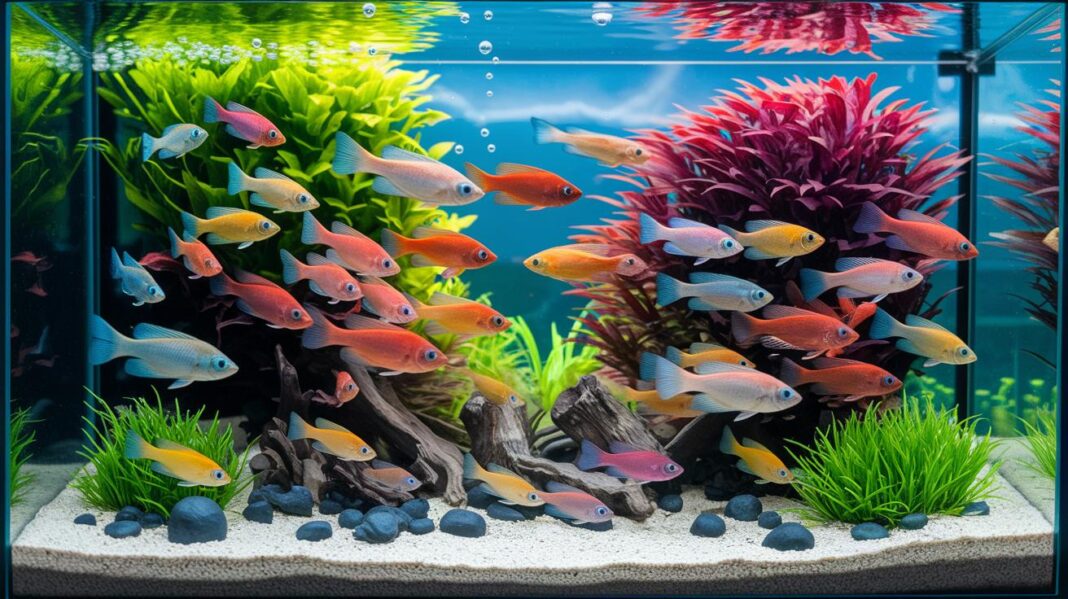

Ever thought about how a splash of color might bring your tank to life? Freshwater fish add charm and are easy to care for, making them ideal whether you're just starting out or have been caring for fish for a while. Imagine a tank filled with friendly fish, each one gracefully swimming through clear water like tiny rays of sunshine. Today, we'll dive into some fun species like Angelfish, Guppies, and Mollies that can brighten your tank and turn your everyday space into an enchanting underwater world.
Fundamentals of Freshwater Pet Fish: Top Beginner Species and Selection
Dive into your aquatic journey by choosing some easy, charming fish that can brighten up your tank. Freshwater Angelfish, with their 3–4 inch bodies and flowing fins that spread up to 12 inches, are a favorite. They come at a friendly price of around 25–50 cents each and do best when kept in small groups or pairs.
Fancy Guppies are a fun pick with a history spanning over 100 years and a burst of vivid colors. Their playful energy and uniquely shaped fins add life to any tank, imagine a bright spark turning your tank into a lively underwater scene, especially in a 10-gallon setup. They do well on a diet of flake food mixed with tiny pellets.
Mollies also make a wonderful choice for beginners. They are livebearers, meaning they give birth to free-swimming fry. Their distinct, sail-like dorsal fin and the way their little ones nibble on crushed flake food really add a touch of nature’s grace to your tank.
Tiger Barbs are full of energy and need the company of six or more fish to keep their nipping behavior under control.
Oscars, which are known for their friendly greetings when you approach the tank, need plenty of room, roughly a 75 to 125-gallon aquarium to feel at home.
There are also great options like Convict Cichlids, Mbuna Cichlids, Fancy Goldfish, and Betta splendens, each with its own personality. Betta splendens, for instance, prefer warm water between 78 and 82°F, which makes them a snug fit for a smaller 10-gallon tank.
Every one of these species brings its own charm and comes with straightforward care tips, making your fish-keeping adventure as smooth as a gentle stream.
Freshwater Pet Fish Aquarium Setup: Equipment and Cycling Procedures

If you're ready to dive into your freshwater adventure, the first step is gathering all the key gear your tank needs. Think of each item as a ripple that helps build your little underwater world. You’ll need a good tank, a sturdy stand, a cozy canopy, a reliable filter, a controller, a heater, and some test kits to keep an eye on your water’s health. For example, a well-priced 10-gallon tank with a basic filter and heater can be your perfect starting point. Feel free to check out our "freshwater aquarium supplies" for everything you need in one spot.
Maintaining clear, healthy water is all about understanding the nitrogen cycle. This natural process transforms harmful ammonia into nitrite and then into nitrate, sort of like turning rough currents into gentle streams. Use easy-to-read test kits to track these chemicals. I remember many aquarists wait around two weeks after cycling their tank, just to be sure that ammonia and nitrite levels have calmed down before introducing any fish. Keeping a close watch on these numbers ensures your fish feel safe and snug.
Another smart trick is to set up a quarantine system for any new fish. Think of it as a safe little cove, separate from your main tank, where new arrivals can get used to their new home without risking your established community. Our Acclimation Guide and Information Center give clear, step-by-step tips, from cycling your water to the best ways to quarantine new friends.
| Equipment | Purpose |
|---|---|
| Aquarium Tank | Houses the aquatic ecosystem |
| Filter System | Cleans the water by removing waste |
| Heater | Maintains stable water temperature |
And remember to check your water regularly. A few quick tests can catch any changes early, helping to keep your fish relaxed and thriving.
Feeding Freshwater Pet Fish: Diets and Schedules
Ever notice how guppies light up with a mix of high-quality flake food and tiny pellets? This tasty blend really brings out their bright colors and playful nature. Each fish loves a different kind of food to meet its needs. For example, mollies do best with herbivore pellets and algae rounds, which help their digestion and keep them swimming smoothly.
Oscars and angelfish enjoy a mix of pellets paired with a bit of live or frozen food sometimes. This little variety makes their meals feel like a fun adventure, mimicking the natural hunt for food. And for bettas, premium pellets sized just right for their small mouths are key, with an occasional live treat to make them feel extra special.
It’s a good idea to feed your fish once or twice a day in small amounts that they can finish in a few minutes. This simple trick stops overfeeding and keeps them healthy, making your tank feel as lively as a bright underwater stream.
Maintenance for Freshwater Pet Fish Tanks: Water Quality and Care Routines
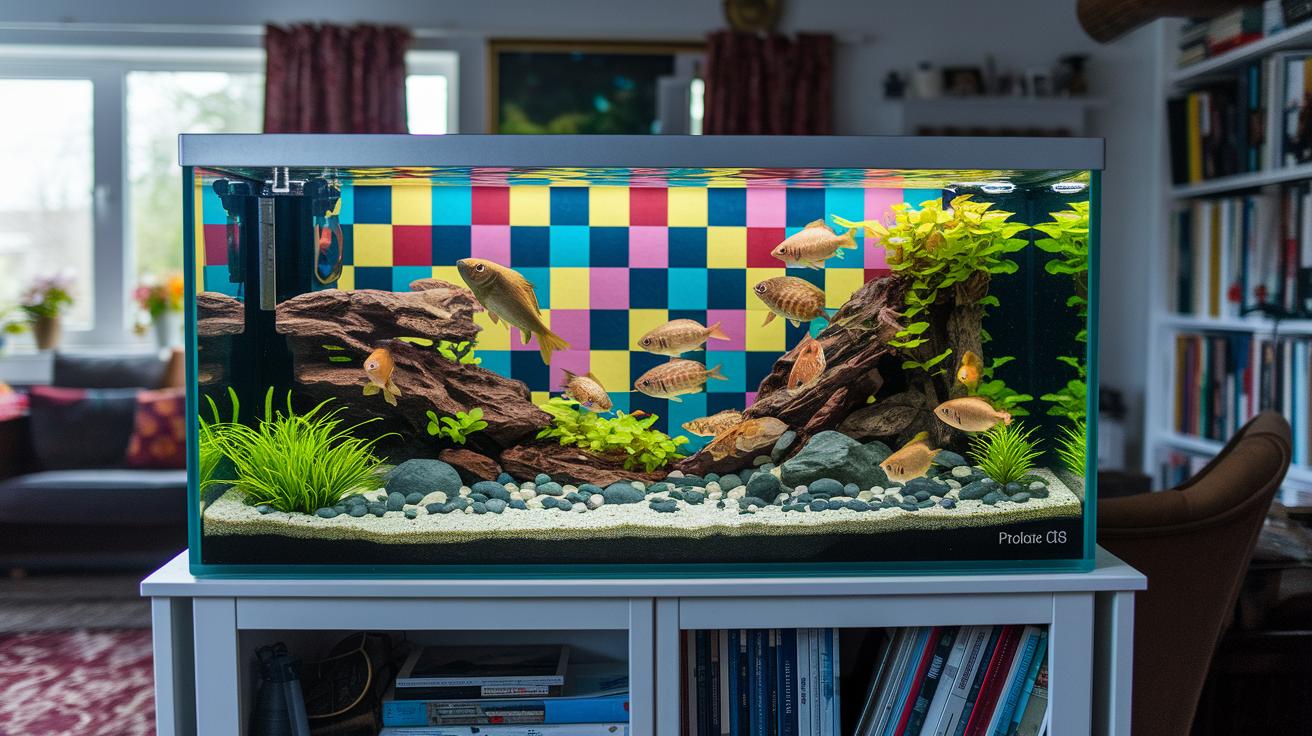
Start by setting up a regular routine to check your water. Using simple test kits to measure ammonia, nitrite, and nitrate is a great way to keep your tank happy and your fish feeling relaxed. I once heard a fellow aquarist mention, "A quick water check before feeding saves a lot of trouble later." It’s little habits like these that really make a big difference.
It’s also important to keep the water temperature steady between 78 and 82°F so your finned friends always feel secure. A temperature controller can do wonders by keeping that perfect range, and cleaning your filter routinely with the right products helps clear out waste. This not only keeps the water looking sparkling but also reduces buildup that could disturb your aquatic world.
Regular water changes are key to naturally removing toxins and topping up beneficial minerals. Here are some simple tasks you can follow:
- Test water parameters weekly
- Clean filter parts every two weeks
- Change 10–20% of the water each week
| Task | Frequency |
|---|---|
| Water Testing | Weekly |
| Filter Cleaning | Biweekly |
| Water Change | Weekly |
By sticking to a regular maintenance plan, you protect your fish from harmful toxin spikes and keep their home clear. Checking your equipment each week helps you spot problems before they get too big. This routine not only makes each tank view calm and safe, but it also creates a soothing environment for your aquatic family.
Freshwater Pet Fish Compatibility: Building a Harmonious Community Tank
Choosing the right friends for your freshwater tank is a lot like planning a cheerful little underwater party. Start by picking fish that naturally get along and share similar care needs. For example, Tiger Barbs are full of energy and might nip at each other’s fins if they’re not with enough friends. Keeping them in groups of six or more helps mellow out any rough spots. On the flip side, Angelfish enjoy being with one or two companions, and their gentle glide adds a calm charm to the tank.
Next, think about Convict Cichlids. They can be quite entertaining, but they also have a keen sense of territory and might claim a small patch as their own. Even though they’re tiny, they need enough space so they don’t take over your aqua home. Similarly, Mbuna cichlids require water that’s on the harder and more alkaline side, so it’s important to match them with fish that enjoy the same water style.
Then there are the Betta males. They dazzle with their bright colors and independent spirit, yet they tend to be aggressive with other Bettas. This means it’s best to let a Betta male have his own space. Always keep an eye on your fish for signs of stress, a fish that hides too often or loses its color might be letting you know that the community tank isn’t working out.
| Fish Type | Tank Recommendation |
|---|---|
| Tiger Barbs | Keep in groups of six or more |
| Angelfish | House in pairs or small groups |
| Betta Males | Keep them alone |
Taking a few moments to watch your tank and notice little changes can really help maintain a happy and peaceful underwater world. Next time you see your fish darting around, you might
Breeding Freshwater Pet Fish: Techniques for Livebearers and Egg Layers
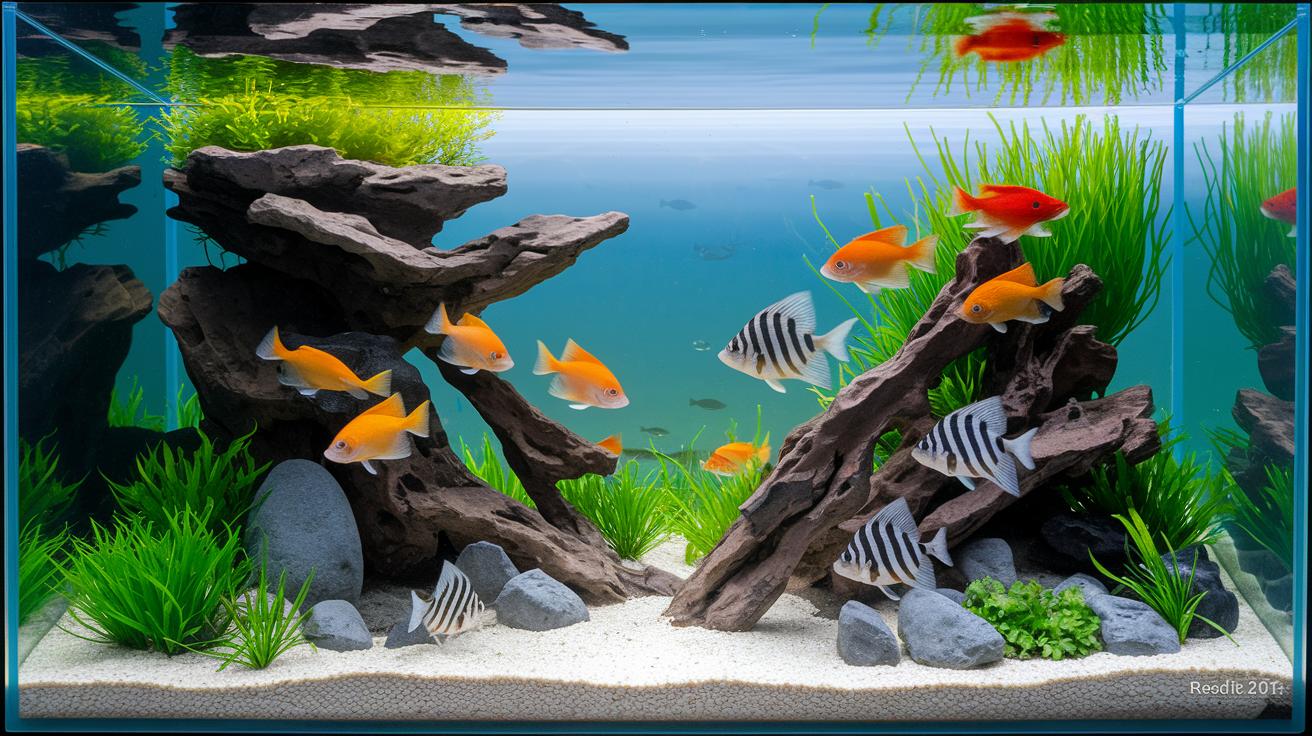
When it comes to livebearers like mollies, having a special breeding tank really makes all the difference. Mollies give birth to little free-swimming fry that soon start nibbling on finely crushed flake food. A calm, quiet tank with a steady temperature helps the parent fish care for their young. I like to use a separate tank with a gentle filter so that the water moves softly, giving the fry a peaceful place to grow.
Egg layers like convict cichlids require a different touch. These fish are very protective of their eggs and fry, so it’s important to add plenty of safe hiding spots and keep the water super clean. Since these cichlids can be a bit territorial, planning ahead by moving the offspring to a new home can help reduce any unwanted aggression and ensure they grow strong and healthy.
Key points:
- Set up a quarantine area for any new breeders.
- Follow acclimation steps and keep a close eye on water quality.
With a little patience, careful organization, and a willingness to learn at every step, you'll start to see your tank come alive with energy and color. And honestly, watching your fish thrive feels like witnessing a beautiful underwater dance.
Advanced Freshwater Pet Fish Selection: Exotic and Large-Scale Species
If you love the thrill of a vibrant tank, then adding exotic fish like Oscars can be a real treat. These beautiful fish grow past 12 inches and need a spacious home, think at least 75 gallons, but ideally closer to 125 gallons so they can swim freely and feel right at home. Keeping tabs on the water quality is key, as a tank that’s as lively as yours demands extra care.
Another fun choice is the colorful Mbuna cichlid from Lake Malawi. These little swimmers, ranging from 2 to 8 inches, thrive in water that’s on the hard and alkaline side, much like the water back in their native lands. They need steady water conditions to show off their brilliant colors and spirited moves.
You don’t have to spend a fortune to give your tank a stylish look either. Simple decor choices, like smooth, natural rocks and pieces of faux driftwood, can bring a delightful charm to your aquarium without breaking the bank. It’s like adding those finishing touches to your favorite room.
Choosing these exotic fish lets you create a tank that’s not only stunning to look at, but also perfectly tuned to the unique needs of each species. It really makes caring for your aquatic pals feel like putting together a living masterpiece.
Final Words
In the action of setting up a vibrant tank, we explored key steps for choosing the right freshwater pet fish, selecting essential supplies, and managing feeding plans. We also covered cleaning routines, matching fish personalities, and even arranging breeding setups. Each tip was shared like friendly words over a quiet water exchange. Your tank is now closer to being a safe, lively haven for your aquatic friends. Here's to enjoying every moment as you see your underwater world flourish!
FAQ
Where can I buy freshwater pet fish, including exotic species, online or near me?
The inquiry about purchasing freshwater pet fish, including exotic options, means you can find them at local pet shops or through trusted online vendors selling a range of species.
What does a freshwater aquarium fish list with pictures include, especially featuring Siamese fighting fish, goldfish, tetra, and guppy?
The mention of a fish list with pictures covers popular names like Siamese fighting fish, goldfish, tetra, and guppy, which helps you visually compare their colors and sizes for easier selection.
What are considered the best freshwater pet fish for beginners?
The discussion on the best freshwater pet fish for beginners highlights species like guppies, goldfish, and tetras that combine ease of care with attractive features, making them ideal for new fish keepers.
What freshwater fish is noted as the easiest to keep?
The point about the easiest freshwater fish to keep focuses on hardy species such as guppies and tetras, which thrive with basic care routines and minimal space requirements.
What freshwater fish, if any, help clean my tank or are recognized as clean species?
The question on cleaning the tank with freshwater fish notes that most fish don’t actively clean your tank; while some algae-eating species can reduce algae buildup, regular tank maintenance remains essential.