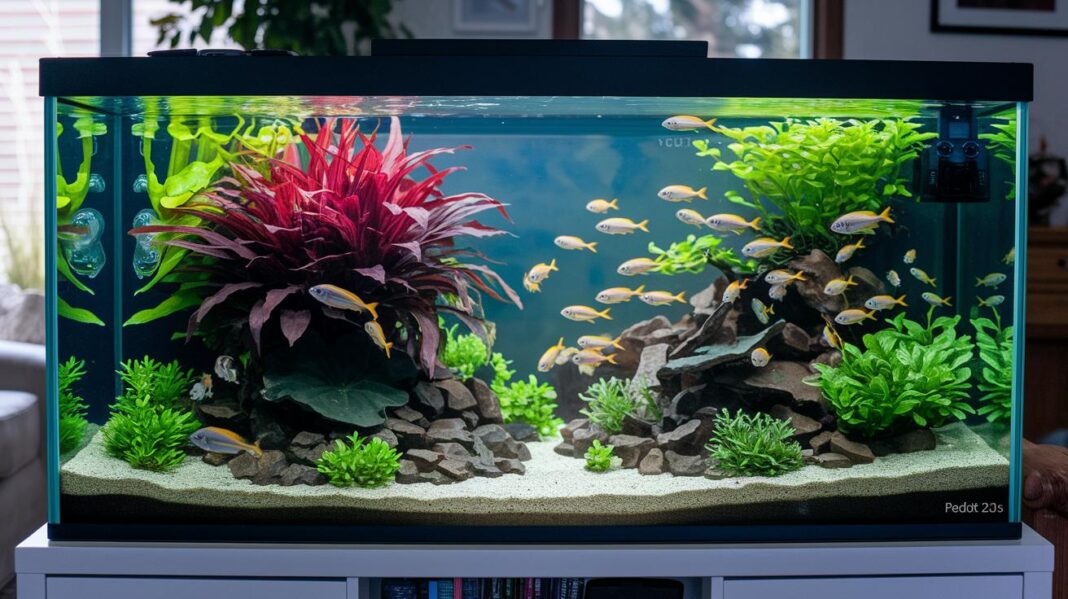

Ever think about how a tiny crew of bacteria can transform your aquarium? It's like having little helpers that turn harmful chemicals into safe compounds, creating a cozy home for your fish.
A thriving tank depends on these busy workers to keep the water clear and balanced, just like a calm lagoon where every ripple matters. Today, I want to share how a simple boost with these additives can make your aquarium a safer, easier-to-care-for underwater retreat.
Stick around and see how a small change can really make waves in your aquatic world.
How Biological Additives Improve Aquarium Ecosystem Enhancement
A healthy tank needs a friendly army of good bacteria to keep everything in balance. When you set up a new aquarium, there aren’t always enough of these tiny helpers around. These bacteria work fast, turning harmful ammonia first into nitrite and then into nitrate over 10 to 20 days. Think of them like a little crew turning bad waste into safe nutrients.
The best growth happens when the water is warm, between 24°C and 28°C. Keeping it below 26°C also helps stop algae from growing too much. The water should have a steady pH between 6.5 and 8.5 and at least 2 mg/L of dissolved oxygen. These live bacteria lower the chance of sudden ammonia or nitrite spikes while keeping the water clear and pH stable. With a good team like this, your filtration system gets a useful partner, making your tank easier to care for.
Using biological additives gives these bacteria a head start. Even a small dose can speed up the colonization process, creating a safer, balanced home for your fish, shrimp, or snails. By nurturing these microorganisms early, you set up an ecosystem that protects its inhabitants and keeps your water sparkling clear.
Key Types of Biological Additives for Aquarium Water Quality Enhancement
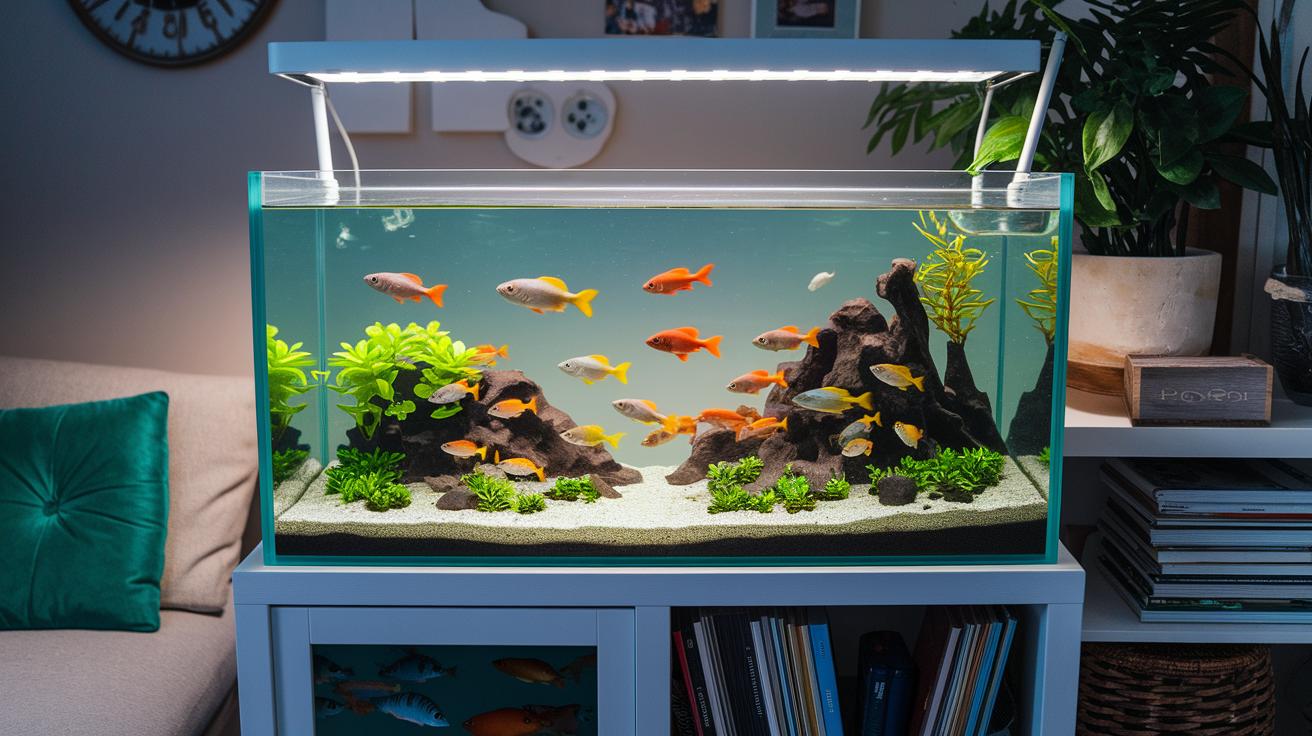
Starter bacteria products introduce helpful nitrifiers that quickly settle into your filter. They work like tiny cleaning crews, turning dangerous ammonia into milder compounds in about 10 to 20 days. This jump-starts your tank, letting the overall setup relax and find its balance sooner. Enzyme compounds act like a gentle scrub brush inside your tank, breaking down leftover food and plant bits about 50% faster than nature would on its own.
Probiotic supplements add a layer of good microbes that gently push out the harmful ones. They help create a balanced, thriving community inside your tank where pesky pathogens struggle to gain a foothold. This not only keeps your water clearer but also supports the health of your fish and plants.
Live cultures are another neat additive that settle into the tank’s substrate and filter. They help recycle nutrients throughout your tank, which in turn boosts both the bacteria and your aquatic plants. This means your plants can drink in nutrients more easily, keeping the whole ecosystem lively and strong.
If you’re looking for even quicker results, try using mature filter media from an established aquarium to kick things off in your new tank. This media is already full of beneficial microbes, so it seeds your setup and speeds up the process of making the water friendly for your fish.
For enzyme supplements and bacterial cultures, you can check out aquarium supplies online if you need them.
| Type | Function | Typical Onset Time |
|---|---|---|
| Starter Bacteria | Helps set up nitrification in filter media | 10-20 days |
| Enzyme Supplements | Breaks down organic waste quickly | Immediate to a few days |
| Probiotic Supplements | Adds friendly microbes to outcompete bad bacteria | Within days |
| Live Cultures | Settles into substrate and boosts nutrient recycling | 10-20 days |
Optimal Dosage and Dosing Schedules for Beneficial Microbial Additives
Getting the dosage right is like finding the perfect current in your favorite aquarium, it makes life better for your fish. The right amount of these tiny helpers speeds up the nitrogen cycle, which is just a fancy way of saying they help control harmful ammonia and nitrite. Start with a basic dose of 5 mL for every 10 gallons, following the instructions on the bottle. Even a small dose can shave the tank setup time from 4–6 weeks to just 10–20 days. This quick boost helps protect your fish during those early, sensitive days.
After the first week of dosing every day, you shift into a maintenance mode. At this point, cut back the dosage to about 2–3 mL per 10 gallons once a week or every other week. Keep a close eye on your water by checking for ammonia and nitrite every day at first. When things start to look stable, a weekly check is usually enough to make sure your beneficial bacteria are happy and balanced.
Key instructions include:
- Use 5 mL per 10 gallons daily for the first 7 days.
- Switch to 2–3 mL per 10 gallons weekly or every other week.
- Monitor ammonia and nitrite levels every day at the start, then weekly once stabilized.
Selecting and Safely Using Eco-Friendly Biological Additives in Aquaria

When choosing a boost for your tank, stick with options that help good bacteria thrive without using antibiotics or harsh chemicals. You want to support the natural balance in your water, not knock it all out. Always check the labels and go for products made with natural ingredients.
Be wary of anything that promises super fast cleaning or requires heavy-duty UV sterilizers or carbon filters right after you add it. These strong treatments can wash away the lively microbes that help your tank settle into balance. Instead, let your good bacteria find their place in the filter and gravel.
If your fish get sick, you might want to move them to a separate hospital tank while treating them. This helps protect the friendly ecosystem in your main display from any strong medications. That way, your tank stays a healthy home for both fish and plants.
By picking eco-friendly additives and using them carefully, you can keep your water quality steady and build a strong, natural environment for your aquatic friends. Stick to gentle care and let nature do its magic.
Contaminant Management: Waste Breakdown, Ammonia and Nitrite Control with Biological Additives
Enzyme additives work like a friendly cleanup crew, quickly breaking down leftover food and waste. When you add one to your tank, it speeds up the natural decomposition process, helping your water stay fresh and safe.
Bacteria-based additives are just as hardworking. They help lower ammonia levels in less than 24 hours by changing waste into gentler compounds. Then, over the next 48 to 72 hours, these helpful bacteria turn nitrite into something less harmful. It's like they’re creating a natural filter in your tank!
Even the live cultures in these products add a special touch. They form a thin biofilm on your tank’s surfaces, which acts as extra filtration and supports the natural recycling of nutrients.
Key benefits include:
- Quick breakdown of organic waste
- A drop in ammonia levels within 24 hours
- Conversion of nitrite to safer compounds in 48–72 hours
- Extra filtering support from live cultures and biofilm formation
Step-by-Step Integration of Biological Additives for Enhanced Filtration and Nutrient Cycling
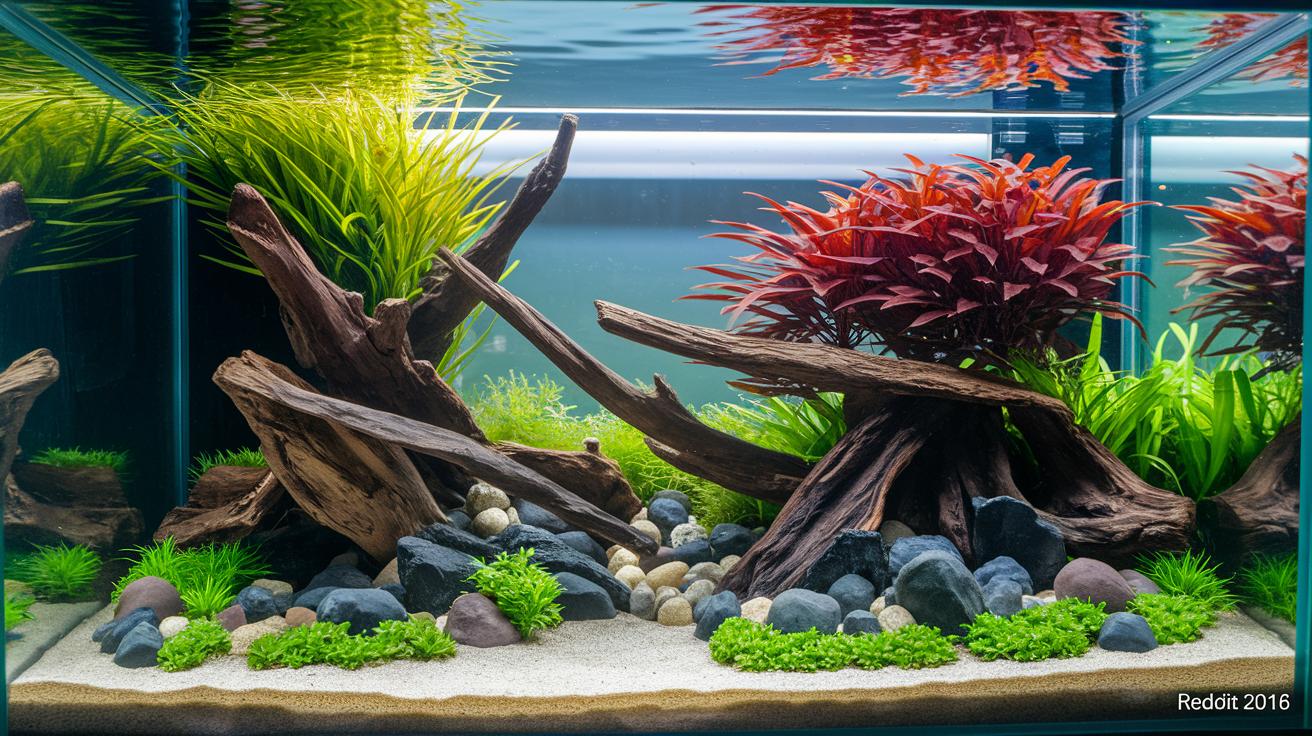
Start by arranging your rocks, wood, and plants to create a little slice of nature in your tank. Make sure these elements let the water flow just right so gentle ripples help keep at least 2 mg/L of oxygen in the water.
Fill your tank with water and turn the filter on right away. This gets the water moving fast, which wakes up the helpful bacteria and brings in fresh oxygen.
For the next seven days, add your starter bacteria and enzyme mix every day. This friendly mix quickly builds a colony of microbes that transform harmful ammonia and nitrite into safer substances, laying a strong foundation for good nutrient cycling.
Gently clean your filter media using trusted aquarium cleaning supplies. Doing this removes extra debris without disturbing the beneficial bacteria clinging to the media.
Check your water each day for ammonia (NH₃/NH₄⁺) and nitrite (NO₂⁻) levels. Keep testing until both numbers hit zero, which shows your biological additives are working perfectly.
After day ten, introduce some algae eaters like snails or shrimp. Then, over the next two weeks, add fish slowly so the still-growing bacterial community isn’t overwhelmed.
Once everything in your tank is stable, switch to a monthly dosing routine. This helps keep your water clear and your aquatic friends happy by maintaining a balanced ecosystem throughout the tank.
Long-Term Aquarium Ecosystem Stability and Aquatic Plant Growth Support with Biological Additives
Every month, enzyme-based conditioners help recycle nutrients and give your aquatic plants a natural boost. When you add these conditioners to your routine, it's like feeding your plants a gentle dose of natural vitamins, helping them grow strong and healthy.
Keeping your tank water just right, between a pH of 6.5 and 8.5 and a temperature of about 24 to 26 °C, helps the good bacteria thrive. This steady process, which you might call nitrate sorting, makes sure your tank stays balanced and clear. For more friendly advice, check out our sections on additives, nutrient cycling, and easy tank care routines.
Final Words
In the action, our guide showed how biological additives boost waste breakdown, nitrite control, and plant nutrition. We walked through setting up cultures, dosing schedules, and choosing safe, eco-friendly products to keep your tank sparkling and balanced.
Every step was geared to build a thriving underwater world. Keep the water clear and stress-free by using biological additives to enhance aquarium ecosystems, and enjoy watching your aquatic pets thrive.
FAQ
What is aquarium bio media, including bio media for saltwater aquariums and biofiltration media?
Aquarium bio media are materials that host helpful bacteria, which convert harmful waste into less dangerous compounds. They work in both freshwater and saltwater tanks to keep water clean and balanced.
How does biological filtration benefit the aquarium environment and what benefits do bio media offer?
Biological filtration uses beneficial bacteria to change toxic ammonia into safer chemicals. This process helps maintain clear water, stable pH, and lowers daily upkeep by naturally breaking down fish waste.
Can I add a biological booster when fish are already in the tank?
Adding a biological booster with fish in your tank supports beneficial microbes that quickly process waste. This safe upgrade improves water quality without putting stress on your aquatic friends.
How do I create a self-sustaining ecosystem aquarium?
Creating a self-sustaining ecosystem aquarium means setting up the right substrate, plants, and bio media to support useful bacteria. With proper water conditions and gentle fish introduction, the tank balances naturally.