

Ever wondered if you could set up a little underwater paradise that pretty much takes care of itself? A bioactive aquarium makes that dream come true. It’s like giving your tank a bit of nature’s magic, where small tweaks here and there, plus a few quick spot checks, keep everything running smoothly. Imagine a gentle world under the water where fish glide past leafy plants and friendly little critters help out, all working together like a well-rehearsed dance.
Stick with this guide and you’ll learn simple steps that bring you closer to pure aquatic bliss. It’s all about combining nature with a smart plan, so your underwater retreat stays as calm and inviting as a lazy river on a sunny day.
Fundamentals of Bioactive Aquarium Maintenance
Maintaining a bioactive tank is a real treat if you love fish but have a busy life. When you set up a self-sustaining aquarium, you only need to check in every now and then, while your fish happily swim in a natural environment. For example, doing a water test once a week can spot little changes early, just like catching a small ripple before it becomes a big wave. This simple check helps you avoid issues like wilting plants and funky odors.
A clever tank setup mixes nature with smart planning. Make sure your gravel, water, and plants all work together in harmony. This way, you can enjoy the calming beauty of your aquarium without needing to fuss over it every day.
• Substrate base (the gravel or sand at the bottom)
• Water quality and key factors
• Proper aquarium lighting
• Live plants that naturally filter the water
• A cleanup crew like snails or shrimp
Keeping a bioactive aquarium is all about creating a steady, natural home for your fish. Pick a tank that fits your space, usually between 30 and 200 gallons. Use some basic tools to track pH, temperature, ammonia, and other important elements. With regular care, your tank encourages strong plants that clean the water and support tiny, helpful microbes. In the end, you get a peaceful underwater world where nature works its magic while you sit back and enjoy every vibrant moment.
Substrate Formulation and Layering in Bioactive Aquaria
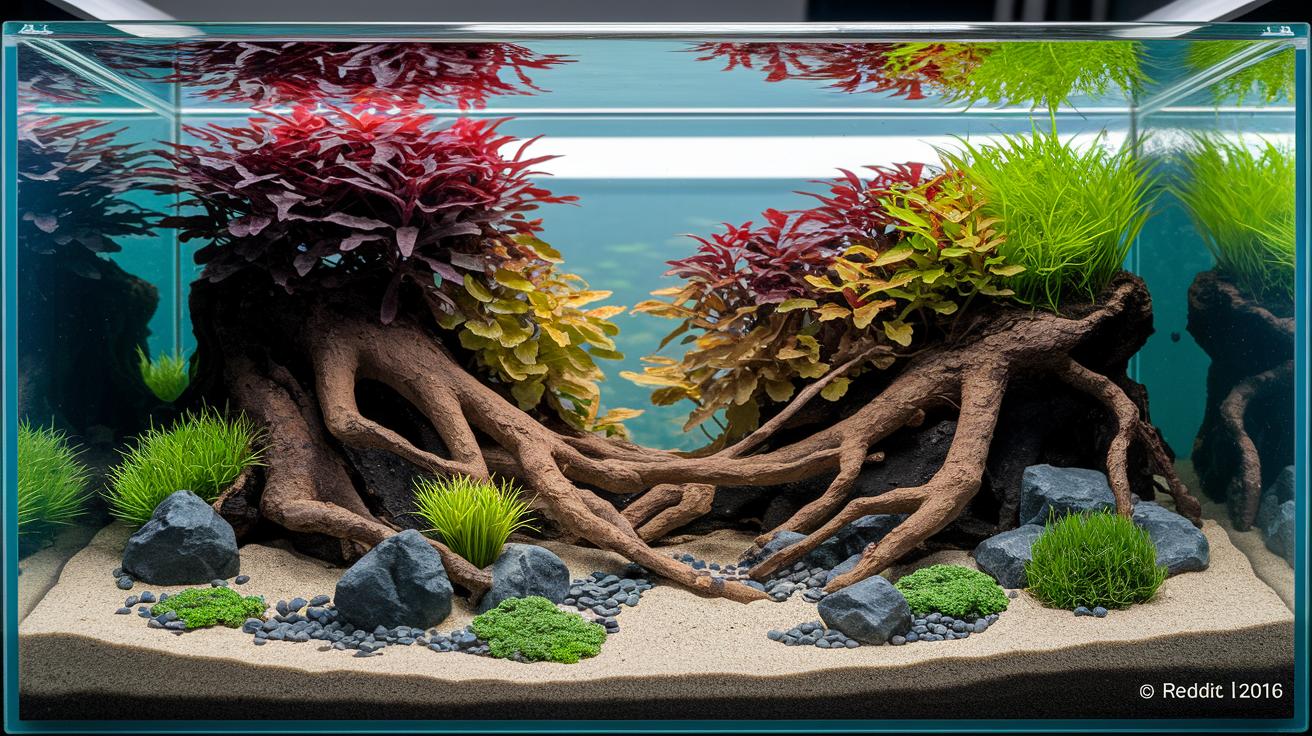
Creating a lively bioactive aquarium is like building a mini underwater garden where every layer plays a special role. You want a substrate that feels natural and welcoming to your plants and the tiny, good bacteria that keep the water clear. Think of it as laying down a soft, nutrient-rich blanket at the bottom of your tank, one that helps your aquatic world flourish with every ripple.
Primary Nutrient-Rich Soil Layer
Begin with a base of nutrient-packed soil that’s about 1.5 to 2 inches deep. Choose a soil loaded with organic goodness that also helps balance the water’s pH, much like how a good foundation supports a house. If you can find soil made specifically for aquarium plants, that’s even better, as it adds an extra boost for your green friends. And if you drop in a cup of substrate from another well-established tank, you help jumpstart the growth of beneficial bacteria right away.
Sand and Gravel Capping
Now, gently spread a thin layer of fine sand over the rich soil. This sand acts like a gentle cover, keeping the soil steady and in place. Then, add a final layer of decorative gravel. This top layer not only gives your tank a natural and inviting look, but it also improves water flow and adds stability for everything living inside. It’s like putting the perfect finishing touches on your underwater masterpiece.
A neatly layered substrate helps plant roots spread out and lets beneficial bacteria thrive, keeping your tank water sparkling clear. Ever notice how calming it feels to watch your aquarium? That peaceful scene starts at the very bottom where all the magic happens.
Establishing Biological Cycles and Beneficial Microorganisms in a Bioactive Aquarium
When fish waste and bits of decaying matter break down in your tank, they let out ammonia. This ammonia isn’t good news if it builds up, as it can quickly turn harmful to your aquatic friends. Fortunately, helpful bacteria come along like little cleaning crews, working steadily to change that ammonia into safer compounds. It’s a bit like watching a gentle current clear away debris, and regular test kit checks help you know when to tweak your care routine.
These friendly bacteria start by turning ammonia into nitrite and later into nitrate. It’s important to set up your tank with a bit of patience, often giving it several weeks before you add any fish. You can even speed things up by adding substrate or water from a well-established aquarium. It really is nature’s own way of purifying the water, creating a balanced ecosystem that keeps your tank clear and safe.
Keeping an eye on what’s happening in your tank is key. By testing for ammonia, nitrite, and nitrate, you can see how well your little bacteria helpers are doing their job. With that information, you can adjust your tank routine to keep everything running smoothly, like tuning a fine instrument in a calm underwater symphony.
- Ammonia builds up, and the first helpful nitrosomonas bacteria begin their work
- Nitrite starts showing up as nitrobacter bacteria settle in
- Nitrate appears, making room for plants to help or for natural denitrification to kick in
Integrating Live Plants and Microfauna in a Bioactive Aquarium

Picking out the right water plants is both fun and crucial for a thriving bioactive aquarium. Fast-growing stem and floating plants help soak up ammonia and nitrates, keeping harmful wastes in check and making your water cleaner. A friend once mentioned how a grouping of floating plants turned their tank into a little, lively pond. By choosing a mix of species, you not only boost water quality but also invite friendly bacteria to settle in and help out.
Next, give your plants a strong start with nutrient-rich substrates and add fertilizers like Leaf Zone or Flourish. These provide important trace elements, such as iron and manganese, that keep plants healthy and vibrant, just like adding the right spices to your favorite meal. Adjust the amount based on how your plants react, and you'll find your aquarium naturally filtering its own water while looking beautiful.
Once your plants have grown strong and the helpful bacteria are thriving, it’s time to add the cleanup crew. Small creatures like snails and shrimp work quietly to control algae and keep the water clear. Their steady work ensures that every element in your tank contributes to a balanced, peaceful underwater world.
Routine Maintenance: Water Parameter Calibration and Organic Filtration in a Bioactive Aquarium
Keeping your aquarium happy and healthy is a bit like tending a little underwater garden. Regular check-ups help you see if your tank is doing well, and using nature’s helpers, like plants that clean the water, keeps things running smoothly. Think of balancing your water like feeling your aquarium’s pulse, making sure each part is just right. Setting your LED lights on for about 6 to 10 hours a day creates a cozy home for plants, which in turn soak up any extra nutrients. A simple weekly check helps keep the water just right, so both fish and plants feel their best. Watching pH, temperature, ammonia, nitrite, and nitrate is like a gentle check-up, catching small changes before they become big problems.
| Parameter | Ideal Range | Testing Frequency |
|---|---|---|
| pH | 6.5–7.5 | Weekly |
| Temperature | 72–78 °F | Weekly |
| Ammonia | 0 ppm | Weekly |
| Nitrite | 0 ppm | Weekly |
| Nitrate | <20 ppm | Weekly |
Routine care goes beyond just testing the water. Every month, swapping out about 10% of the water helps keep toxins from building up from fish waste and old plant bits. Cleaning your filter on the outside once a month also stops gunk from piling up. With nature doing its part by having plants filter the water, you get a gentle, eco-friendly system that lets your aquarium work in harmony. It’s like watching a quiet magic show right in your living room!
Troubleshooting Common Issues in a Bioactive Aquarium Setup

If you see too much algae in your tank, it might mean there's extra light or too many nutrients floating around. Algae can quickly cover surfaces like a green curtain, blocking out light for your plants. And if you spot yellowing leaves, it could be that your plants aren’t getting the right amount of nutrients or fertilizer. Try shortening the light period or adjusting the nutrients, this change can help bring back a clear, balanced environment.
When there are too many fish or lots of decaying matter in your aquarium, ammonia levels can spike. This can stress out your fish, and you might even see them gasping at the surface because of low oxygen. A good step is to ease up on the number of fish and add some gentle aeration, think of it like adding a little extra breeze underwater. And don’t forget, checking your water parameters regularly can help you catch these issues before they become big problems.
If the water starts looking cloudy, it might be a sign of a bacterial bloom. This happens when waste and organic bits build up and overwhelm your tank’s natural filtering power. A partial water change and a quick filter clean can help clear things up. Keeping an eye on your water and testing it often will keep your tank feeling as calm and balanced as a quiet pond.
Advanced Techniques: Nutrient Cycling, Carbon Dosing, and Ecosystem Balance in Bioactive Aquaria
Using CO₂ injection or liquid alternatives like Flourish Excel is a neat trick to help plants grow strong while keeping the tank's pH steady. Regular carbon dosing gives plants a constant supply of carbon, making it easier for them to grab all the nutrients they need. It’s a lot like how nature swaps goodies in wild waters, creating a cozy home for both plants and little critters.
A smart fertilization routine is another must-try tip. Adding trace-element supplements, like those with iron and manganese, helps your plants get the essential nutrients they need. Setting up a regular schedule for these doses keeps everything balanced without overwhelming the tank. This way, your underwater garden stays vibrant and avoids nutrient spikes that might invite pesky algae.
Taking care of the tiny microbes in your tank is just as important. Keeping the right balance of bacteria helps break down fish waste and decaying bits, which then gives a boost back to your plants. Little helpers like snails or shrimp chip in by tidying up organic matter and supporting healthy bacterial cycles. It’s like having a team of tiny recyclers that keeps your tank running smoothly.
All these techniques, when combined, create a strong and balanced ecosystem. With steady carbon dosing, thoughtful fertilization, and a busy microbial community, your tank will enjoy long-term stability and lush, happy plants.
Final Words
In the action of setting up a bioactive aquarium, we touched on substrate layering, proper water testing, and selecting live plants with a cleanup crew to keep your tank balanced. We explored biological cycles, routine maintenance, and smart troubleshooting methods.
Our guide to maintaining a bioactive aquarium gives you clear steps to build and care for a healthy underwater world. Enjoy watching your aquatic space thrive and become a peaceful haven for your finned friends.
FAQ
Frequently Asked Questions
Guide to maintaining a bioactive aquarium reddit / diy
The guide to maintaining a bioactive aquarium covers regular water testing, substrate care, live plant nurturing, and a cleanup crew to keep your aquatic space balanced and healthy.
What is a bioactive terrarium and what materials are needed?
The bioactive terrarium builds a natural ecosystem with live plants, organic substrate, natural enclosure materials, and a cleanup crew to maintain a self-sustaining habitat.
How often to water a bioactive terrarium?
The frequency of watering a bioactive terrarium depends on keeping the substrate properly moist; generally, a light mist every few days maintains the needed humidity without overwatering.
How to make a bioactive snake enclosure?
The method to make a bioactive snake enclosure includes using a nutrient-rich substrate, live plants, natural hide spots, and a cleanup crew, all arranged to mimic the snake’s natural environment for comfort.
Are bioactive enclosures hard to maintain?
The ease of maintaining a bioactive enclosure comes from regular monitoring and routine care; simple practices like periodic water changes and substrate checks make upkeep manageable.
How often do you change bioactive substrate?
You rarely need to replace the bioactive substrate; let the natural cycle build beneficial bacteria, refreshing only if you notice nutrient imbalances or other issues.
How often should I clean a bioactive tank?
The cleaning routine for a bioactive tank involves light maintenance, typically once a month or with weekly spot cleaning, to preserve the built ecosystem without disturbing beneficial bacteria.
How long do bioactive terrariums last?
The lifespan of a bioactive terrarium can extend for many years when properly maintained; a stable ecosystem and regular care support a long-lasting, self-sustaining environment.
What is the best cleanup crew for a bioactive terrarium?
The best cleanup crew for a bioactive terrarium usually consists of snails and shrimp, as they effectively consume debris and algae, keeping the enclosure neat and balanced.