

Have you noticed green clumps settling in your tank, like tiny underwater patches? When water, light, and nutrients aren’t in harmony, algae can multiply quickly. Sometimes, just a small tweak in your light schedule is enough to clear things up.
Today, we’re sharing easy tips to help you figure out what might be causing those unwanted algae blooms. With these simple steps, you can rebalance your tank and enjoy a calm, beautiful view with your fish.
troubleshooting algae issues in aquarium maintenance: Bright
Algae blooms can be a sign that your aquarium’s water, light, and nutrients aren’t in harmony. When water, sunlight, and nutrients mix in the wrong way, algae can start growing too fast and upset the balance of your tank. One aquarist even found that by shortening the time the lights were on, the water cleared up, and that shows how important it is to get your settings just right.
To figure out what’s causing the algae, start by checking a few key things. Think of it like following a little treasure map where each clue brings you closer to clear, calm water. Taking a careful look at your tank’s environment is a smart way to stop algae in its tracks.
- Lower the light intensity and cut down the daily light time.
- Feed your fish a bit less and remove any food that isn’t eaten within five minutes.
- Change 25–50% of the water every week to wash away extra nutrients.
- Test for phosphates and nitrates to keep an eye on nutrient levels.
- Clean up the tank by scrubbing decorations, scraping the glass, and vacuuming the gravel well.
- Add algae-eating fish like Plecostomus, Otocinclus, or Siamese Flying Fox to help keep algae under control.
By following these simple steps, you create a clear routine that tackles each imbalance one by one. Keeping a record of your tests and adjustments can help you notice changes over time. Soon, you’ll be back to enjoying the sparkling, peaceful beauty of your aquarium, like watching sunlight dance over gentle waves.
Identifying Common Algae Types for Effective Aquarium Maintenance
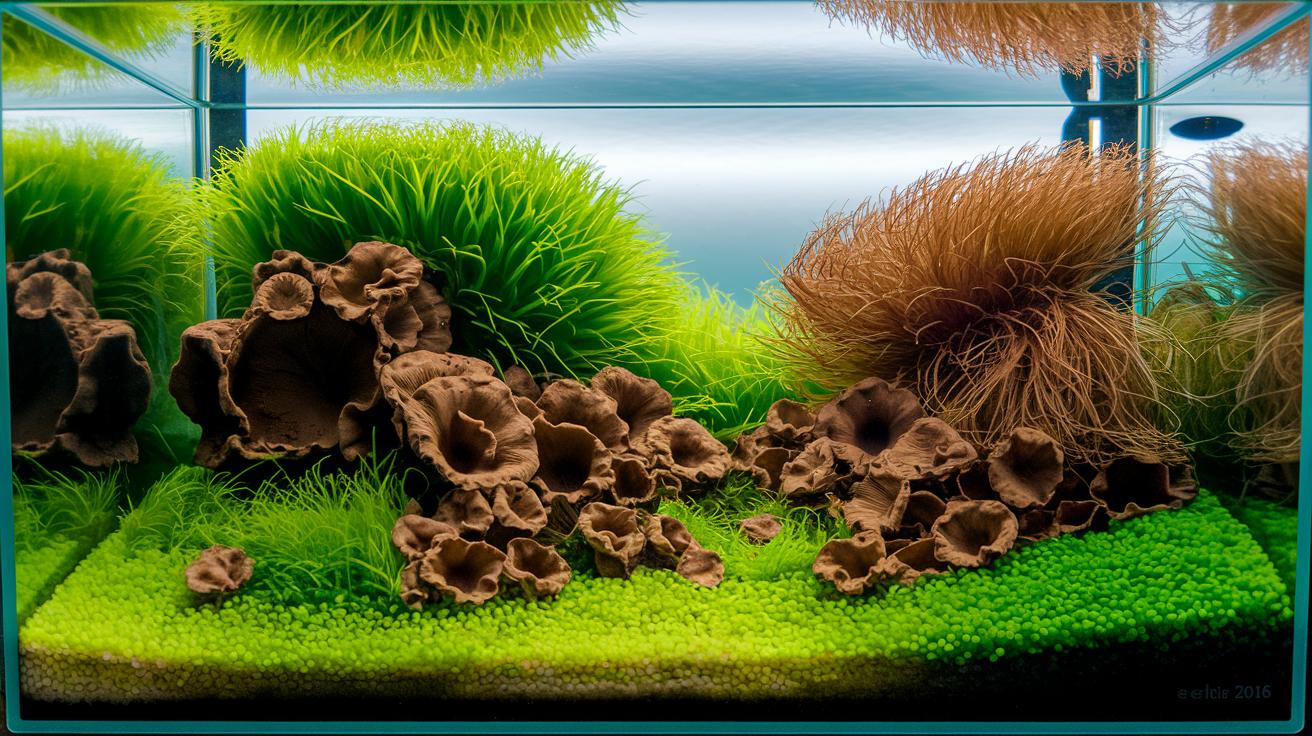
Knowing which algae is hanging out in your tank is like having a little map for its care. Each type tells you a different part of your tank’s story, letting you know if you need to adjust the light, food, or cleaning routine to keep your water clear and balanced.
Hair Algae
Hair algae show up as long, thread-like green strands that twist around your plants and decorations. They grow when your tank gets too much light or extra nutrients. It’s like your tank is gently hinting that you might want to dial back on the feeding or light a bit.
Brown Algae (Diatoms)
Brown algae have a soft, dusty look that coats surfaces like a thin film. You often see them in a new tank, and they usually wipe away easily. Their presence is just your aquarium’s way of settling into its new home as it finds a steady balance.
Blue-Green Algae (Cyanobacteria)
Blue-Green algae form slimy mats that spread quickly over surfaces. Their fast growth means your tank might be getting too many nutrients or too much light. Think of it as your underwater world giving you a gentle nudge to check the balance in your setup.
Black Beard Algae (BBA)
Black Beard algae appear as dark, fuzzy patches that cling stubbornly to plants and hard surfaces. They pop up when there are swings in CO₂ levels or an excess of organic waste, making them tricky to remove. It’s like your tank is dealing with a bit too much mood swing, and it needs your attention.
Green Water
Green water algae are tiny, free-floating cells that give your water a cloudy, green tint. When they bloom suddenly, it’s a clear sign that nutrients and bright lights have pushed your tank too far. That’s your cue to dive in and check your water parameters to restore a happy balance.
Diagnosing Underlying Causes of Algae Issues in Aquarium Maintenance
Your aquarium is like a gentle underwater dance where lighting, nutrients, and water chemistry all move in harmony. When one of these elements falls out of step, algae can start to grow much faster than you’d like. Too much light or extra nutrients can create the perfect setting for algae blooms, much like adding too much salt can spoil your favorite dish. A balanced light schedule, careful feeding, and regular cleaning go a long way to keep your water clear and serene.
Using a test kit is a practical way to see what’s really happening under the surface. It’s like checking your recipe while you cook, measure phosphates and nitrates to understand nutrient levels, then take a look at the pH, hardness, and alkalinity to ensure your water feels just right. If you see a spike in nutrients or an unusual pH change, it might mean your tank’s balance is off. For instance, higher phosphates could be a sign of overfeeding, and a shift in pH might point to other chemical imbalances.
Once you have your test results, compare them to your tank’s ideal levels. If you notice high nitrate levels combined with too much light, it’s a clear sign that excess nutrients are fueling unwanted algae growth. By focusing on these details, you can pinpoint exactly what needs adjusting, and soon, your underwater world will regain its perfect, balanced flow.
Manual and Mechanical Algae Removal Techniques in Aquarium Maintenance
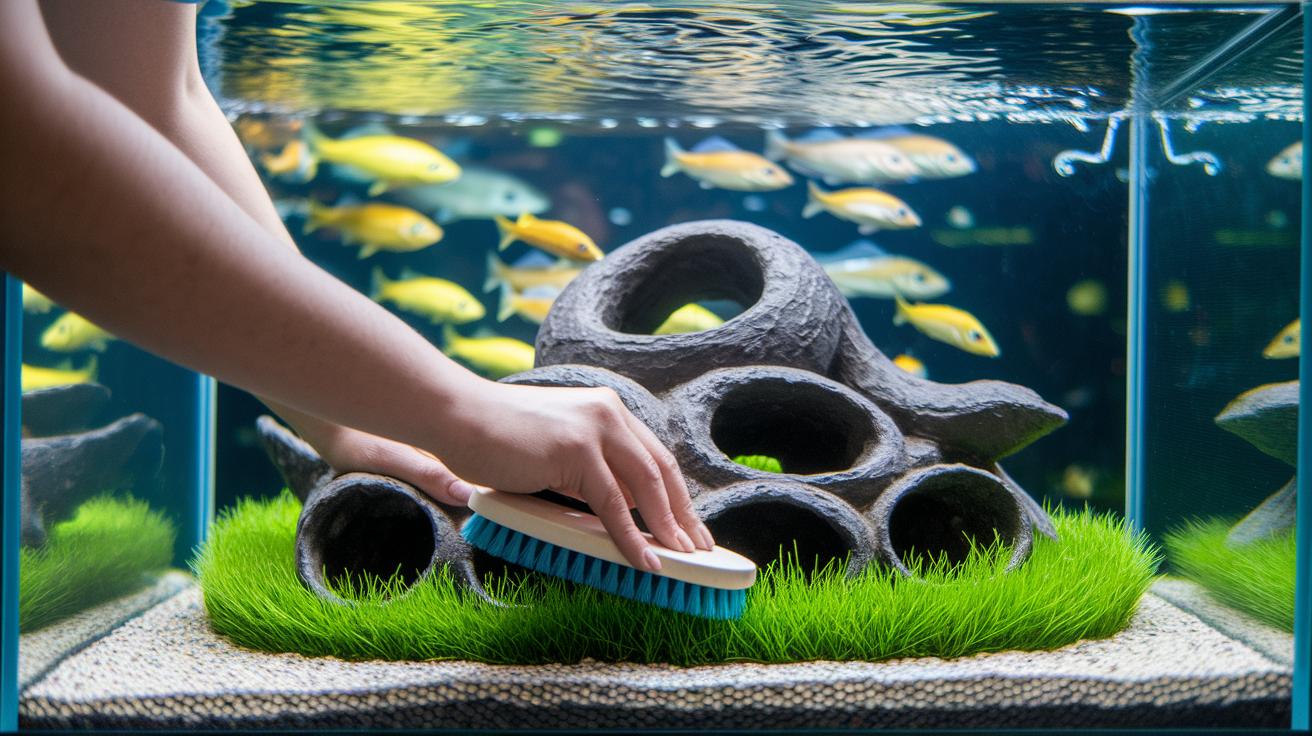
Keeping your aquarium clear and inviting is a hands-on adventure. By gently removing algae yourself, you can quickly clear away buildup before needing harsher treatments. It’s like gently wiping mist from a window, suddenly, everything shines. For example, a soft brush on your décor or a careful scrape along the glass instantly brings out the natural beauty of your tank, almost like dusting off a beloved keepsake.
| Removal Method | Description |
|---|---|
| Scrubbing Décor | Using a soft brush, gently remove algae from your plants and ornaments. |
| Glass Scraping | With a blade or scraper, clear the thin algae film from your tank walls. |
| Gravel Vacuuming | Vacuum your substrate to pick up leftover particles and algae bits. |
| Biofilm Scraper | Focus on those stubborn spots in corners with a special scraper. |
Safety is always a top priority when you clean your aquarium. Always rinse your tools in some tank water to keep your fish and plants safe. Wearing gloves when scrubbing or scraping helps, and it’s a good idea to check that no sharp edges are left on your tools. By setting aside a little time each week, you can maintain a healthy, balanced aquarium where algae stays under control and your aquatic friends thrive.
Chemical and Natural Treatment Options for Algae in Aquarium Maintenance
Sometimes, a gentle dip in the form of a low-dose bleach solution or a sparing algaecide can help tame pesky Black Beard Algae. Think of it like giving your sensitive aquatic friend a tiny, careful bath. You start with a little mix and watch closely how your tank responds, much like testing a small ripple in a quiet pond before letting the whole current flow.
Then there’s nature’s own cleaning crew. Adding fish that love to nibble on algae, like Plecostomus, Otocinclus, or even Siamese Flying Fox, can keep your tank naturally tidy. These fish are like little janitors who graze away the extra algae, letting your plants and fish enjoy the clear, calm waters without too much fuss.
You can also mix the two approaches for the best results. Use chemical touches only when you really need to, and lean on your algae-eating friends and healthy plant growth most of the time. This way, you create a balanced tank where both your fish and plants have the best chance to thrive, just like a peaceful underwater garden.
Equipment and Maintenance Guidelines to Prevent Algae Regrowth in Aquarium Maintenance
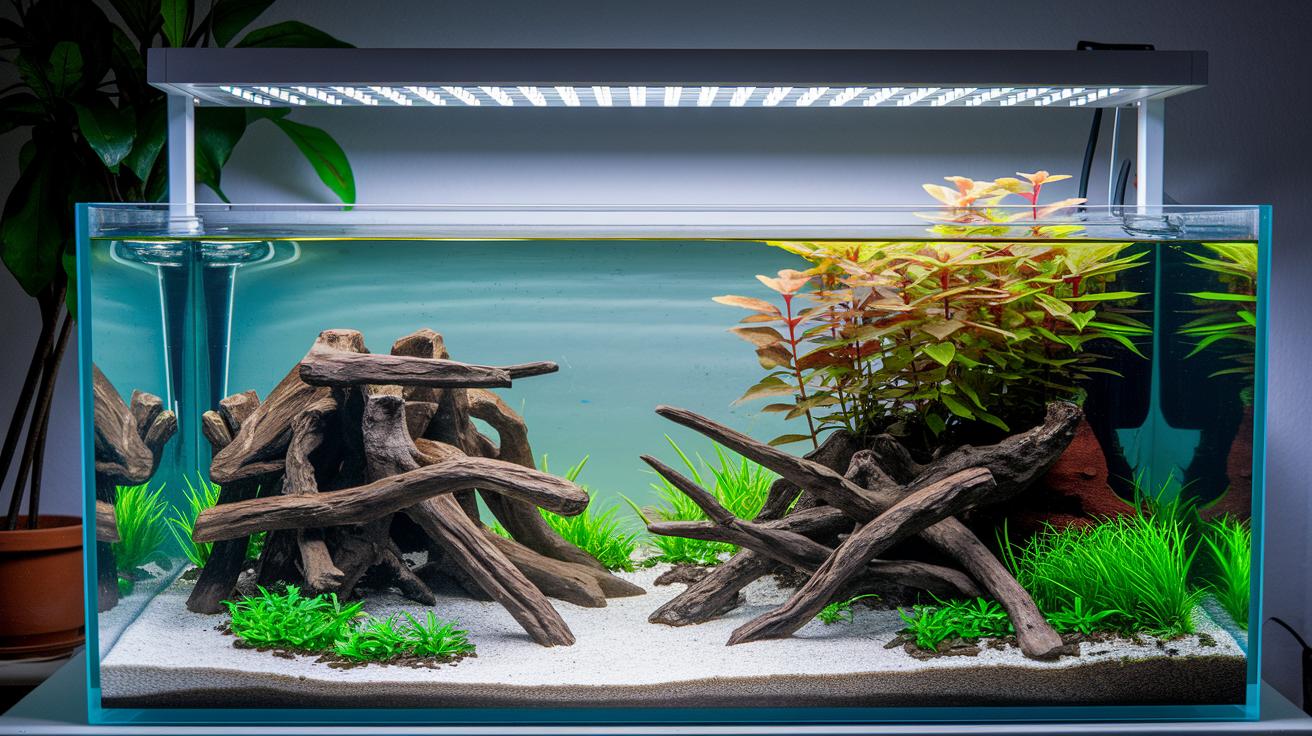
Canister, hang-on, and power filters work like the unsung heroes of your aquarium. They each play a special role: the mechanical media catches floating debris, the chemical media soaks up dissolved organics (those tiny leftovers), and the biological media helps beneficial bacteria thrive. Cleaning your filters every month is like giving your tank a little refresh, keeping extra nutrients at bay and making sure everything flows smoothly.
Keeping an eye on your filter is a bit like watching the gentle ripple of water over smooth stones. If you ever spot even a little bit of algae, take a moment to check each part of your filter to make sure it’s working as it should. Adjusting cleaning times or replacing worn parts can bring your filtration back into balance, ensuring your tank stays clear, healthy, and full of life.
Lighting Adjustments for Managing Algae in Aquarium Maintenance
When it comes to keeping algae under control, your choice of lighting plays a major role. Using LED or fluorescent lights with adjustable settings is like having a tool to set the perfect mood for your aquatic friends. Try setting your timer for 8 to 10 hours each day so your tank doesn’t get too much light. LED fixtures even let you change the color spectrum, letting you mimic the soft glow of dawn and the gentle hues of dusk. It’s a bit like tuning a musical instrument to keep your tank’s natural rhythm steady.
Another easy trick is to keep your tank away from direct sunlight. Natural light can push your aquarium past its comfort zone, just like too many nutrients can spark unwanted algae blooms. Think of blackout covers as cozy curtains that protect your aquatic world from harsh rays. This simple step prevents sudden bursts of light and helps create calm, steady water conditions for your fish and plants.
Preventative Strategies and Routine Planning for Algae-Free Aquarium Maintenance
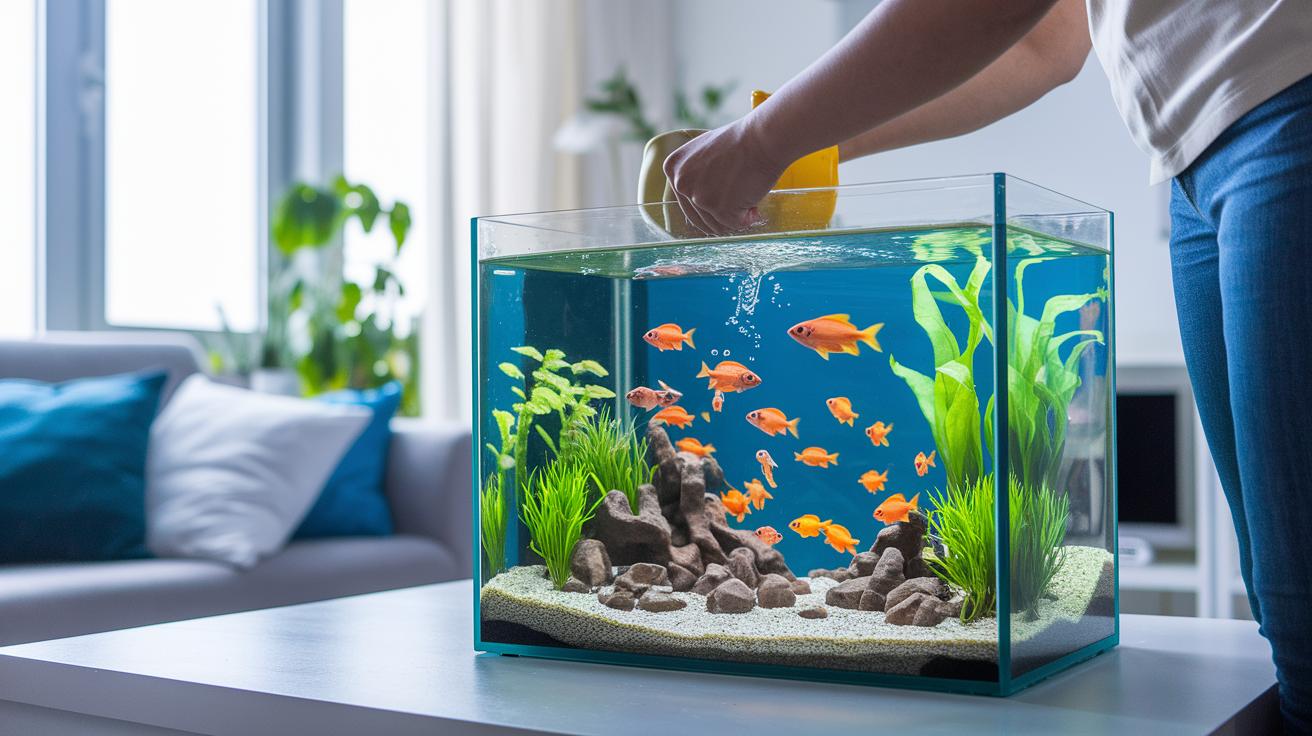
Start your week by giving your fish tank a little refresh. Keep it simple, do a water change, vacuum the substrate, and check your equipment. Think of these weekly tasks as setting up a smooth stage for your little underwater world. When you change the water, pause for a moment to check for stray debris that can add extra nutrients. It's a bit like giving your favorite plant a cool, refreshing drink on a warm day. Jot down any unusual happenings in a simple log to help you plan ahead each month.
Then, once a month, dive a bit deeper. Scrub your tank walls, test the water quality, and trim back any plants that have grown too much. Write down what you do and notice any changes in your log. This monthly check helps you spot spots that need extra care while giving you a sneak peek into long-term trends. Think of it as keeping a diary for your aquarium, each note guiding you to keep your water clear and your fish happy.
Final Words
In the action, we explored every step, from managing light levels and nutrient balance to hands-on cleaning and careful filter upkeep, to promote a safe, vibrant tank setting. We walked through practical fixes and smart tests to keep your aquatic home in check, using clear, step-by-step advice.
With careful troubleshooting algae issues in aquarium maintenance, you'll soon see your underwater habitat thrive. Keep nurturing your system with steady care and watch as your little water world flourishes.
FAQ
Q: How to get rid of algae in fish tank naturally and fix algae problems in a fish tank?
A: Managing algae naturally involves reducing light exposure, cutting back on feeding, performing regular water changes, and adding algae eaters like Siamese algae eater or Amano shrimp to help keep the algae in check.
Q: What are the common types of aquarium algae, such as green fuzz, brown, blue-green, and brush algae?
A: Typical algae types include hair algae, diatoms (brown algae), blue-green algae (cyanobacteria), and black beard algae, each with its own appearance and growth patterns to help you identify them.
Q: How to stop green algae in a fish tank?
A: Stopping green algae involves reducing the light period, lowering nutrient levels, and manually removing algae, along with maintaining balanced water quality through regular cleaning and water changes.
Q: Why does my fish tank get algae quickly after cleaning?
A: Rapid algae growth after cleaning is usually due to excess nutrients, slight imbalances in water chemistry, and high light intensity, which can stimulate algae blooms if not managed well.
Q: What kills algae but not fish?
A: Certain low-dose algaecides and natural treatments, including the introduction of algae-eating species, work to target algae without harming fish when used correctly and with careful dosing.
Q: What color light stops algae growth?
A: Adjusting tank lighting to a blue-white spectrum with controlled intensity and duration can help limit algae growth, as algae thrive with too much light exposure.
Q: What algae-eaters can help control algae in an aquarium?
A: Adding algae-eating species such as Siamese algae eater, Amano shrimp, some types of fish, guppies, and even Siamese fighting fish can naturally assist in controlling algae levels in your tank.