

Ever wonder if your tank water needs a refresh? Some people like to change nearly all the water twice a week for that crisp feel, while others stick to a gentle change once a month. Your fish and how filled your tank is can really change what works best for you.
In this guide, we share easy, practical tips to help you find the perfect water change routine. Keeping your water clean not only makes your fish feel comfy but also turns your tank into a lively, healthy home.
Optimal Aquarium Water Change Frequency
When it comes to keeping your aquarium healthy, how often you change the water can make a big splash. Some people refresh as much as 75% of the tank twice a week, while others swap out just 10% once a month. For many tanks, a good rule of thumb is a 50% water change every one to three months to keep pesky nitrate levels below 80 ppm. Just picture a busy underwater community, refreshing more than half the water every two weeks feels as refreshing as taking a cool sip on a warm day.
The number of fish you have really guides how often you need to change the water. In a tank bursting with life, a heavy change of over 50% every two weeks helps clear out waste. For a moderately stocked tank, a six-week interval can be just right. And if you’re keeping fewer fish, you might even extend the change to about five months. Another handy tip is to give your tank a 50% change when your nitrate reading reaches 80 ppm or more.
For tanks with fast-growing fish, a weekly change keeps the water crystal clear and the fish happy. Lighter setups often do well with changes every two to four weeks. This thoughtful approach to water changing not only keeps your tank safe but also makes it a lively haven where your fish can truly shine.
Factors That Influence Aquarium Water Change Frequency

When it comes to picking the right schedule for changing your aquarium water, there are a few things to keep in mind. Your water source, the decorations you choose, and even how well your filter works all make a difference. For example, if your tank has Seiryu stone, you’ll want to do a water change of around 30%. This helps keep the water’s carbonate levels steady and safe for your fish.
If your tap water brings along some heavy metals, doing smaller changes, about 10 to 20% at a time, can help keep your fish away from any sudden stress. When you have a busy tank filled with fast-growing fish and plenty of food, waste builds up quickly. In these cases, a weekly water change helps clear things out and keeps the water sparkling. But if your tank is lightly stocked or the fish are slower growing, you might get by with a change every two to four weeks.
Here are some quick takeaways:
| Scenario | Water Change Recommendation |
|---|---|
| Tanks with Seiryu stone | About 30% |
| Taps with heavy metals | 10-20% |
| Busy tanks with lots of growth or heavy feeding | Weekly changes |
| Slow or lightly stocked tanks | Every 2-4 weeks |
Keep in mind that how your filter performs and how you care for your substrate can also affect when it’s time for a water change. Watching your water clarity and testing its balance are simple ways to know if your tank needs a bit of a refresh sooner rather than later. Isn’t it amazing how a little care can make your aquatic world feel so calm and inviting?
Recommended Aquarium Water Change Schedules by Tank Type
For tropical freshwater tanks, your water change schedule needs to match how many fish call your tank home. If you're running a busy aquarium with lots of fish, you might want to swap out more than half the water every two weeks. In a moderately stocked tank, a water change every six weeks could do the trick. And if your tank has just a few residents, you might only need a change every five months. Imagine watching your fish glide through perfectly clear water because the schedule was just right for them.
Goldfish bowls need a bit of extra attention. Since they hold a small amount of water and the waste builds up quickly, changing 10-30% of the surface water either daily or weekly can help keep those nitrates at bay.
When it comes to saltwater reef setups, many aquarists stick with a weekly refresh where they change out 10-20% of the water. This gentle routine helps keep nitrate levels low and the water’s salt content just right, much like softly stirring the water to mix everything evenly.
For breeding tanks, especially when feeding young fry, a complete water change of 50-100% is often recommended. This usually happens when the tap water fits the ideal conditions, ensuring the little ones have a fresh and healthy start.
Step-by-Step Aquarium Water Change Procedures
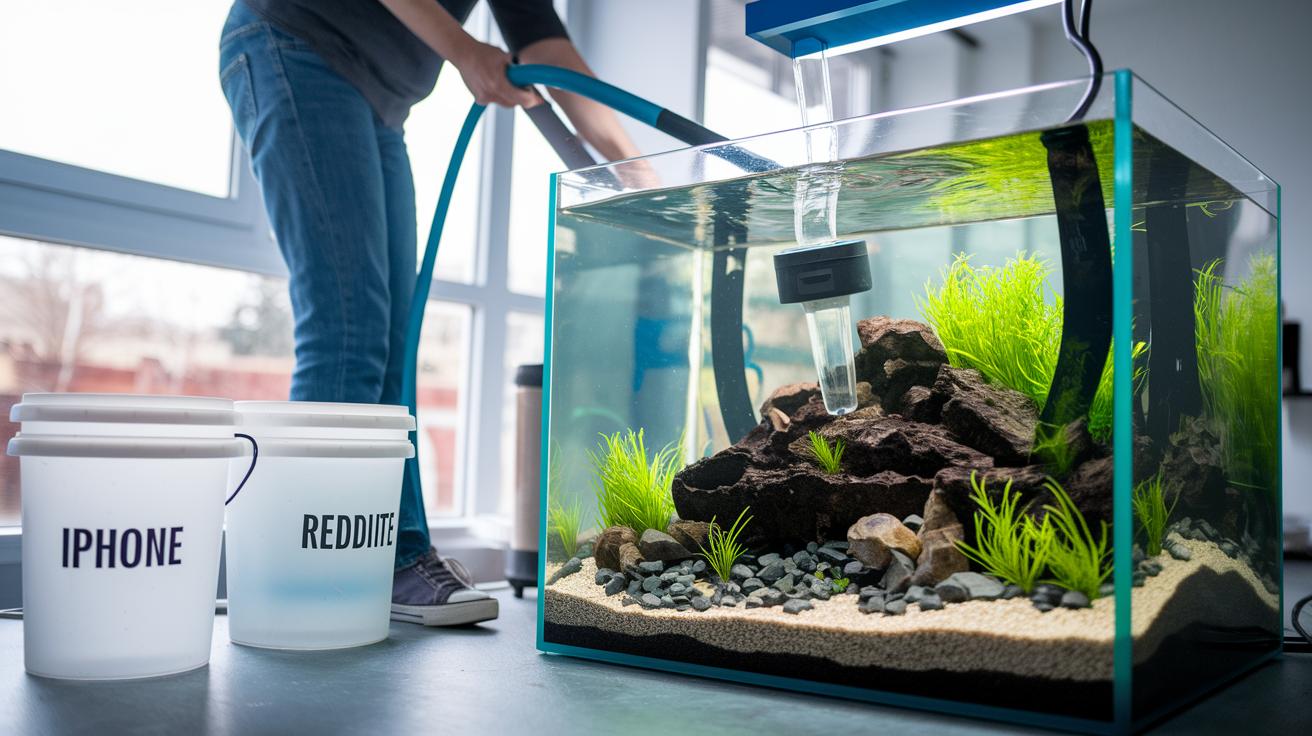
First, get your tank ready by switching off the heater, pump, and filter. Think of it like pausing your favorite movie at a key moment, so nothing gets in the way during your water change.
Next, grab all your tools. Set up your siphon hose with buckets that have clear labels so you know how much water you're taking out. It’s like lining up your fishing gear for a smooth outing.
Then, start siphoning by using a gravel vacuum attached to your hose. This gentle action helps remove water and cleans the little nooks in your substrate, just like tidying a cozy corner of your underwater world.
After that, prepare a container of fresh water at the same temperature as your tank. Matching the temperature is key, it stops your fish from getting a chilly shock, keeping them comfy and happy.
Slowly refill the tank with your fresh, warm water. Let it settle in like gentle ripples on a sunny day. Once everything looks calm, switch your equipment back on and make sure the filter is humming along nicely.
Finally, take a quick look around your aquarium. Check that everything feels balanced and natural. Ever notice how a tidy tank makes your fish seem even more lively? Enjoy the process, knowing that regular water changes keep your aquatic world inviting and serene.
Monitoring Aquarium Water Quality Between Changes
Keeping your tank healthy is as easy as checking your water quality every now and then. Test kits help you keep track of things like ammonia, nitrite, and nitrate, those are key clues to how clean your water stays. Sure, they might not catch every bit of hidden organic waste, but if you see a reading like "nitrate at 75 ppm, ammonia and nitrite at 0 ppm," it's a good sign your water is looking great. Regular checks let you notice any trends and decide if a full or partial water change is needed.
Using your test kit each week gives you a little snapshot of your tank's overall well-being. When numbers start to stray, say, the nitrate slowly climbs to 80 ppm or you catch even a hint of ammonia or nitrite, it’s time to think about a water refresh. Even if the kit misses some organic waste, routine water changes help clear out any buildup that could stress your fish.
Quick tips for keeping your water in check:
- Keep nitrate levels below 80 ppm.
- Make sure ammonia and nitrite stay at zero.
- Test weekly to see how things are trending.
For more details on choosing the right test kits and understanding their limits, check out "what aquarium test kits do you need for proper water quality" at https://sweetfysh.com?p=2105.
Common Mistakes and Best Practices in Aquarium Water Changes
Skipping water changes might seem like a shortcut some seasoned aquarists take, but it can be risky. Many think that avoiding water changes keeps fish healthy, yet over time, unwanted chemicals like nitrate and ammonia build up and stress your fish.
Changing all the water at once is another trap to avoid. Imagine suddenly plunging your fish into a completely different environment, it's much like flipping off the lights during your favorite movie. Instead, try swapping out 30–50% of the water steadily, which keeps the environment calm and balanced.
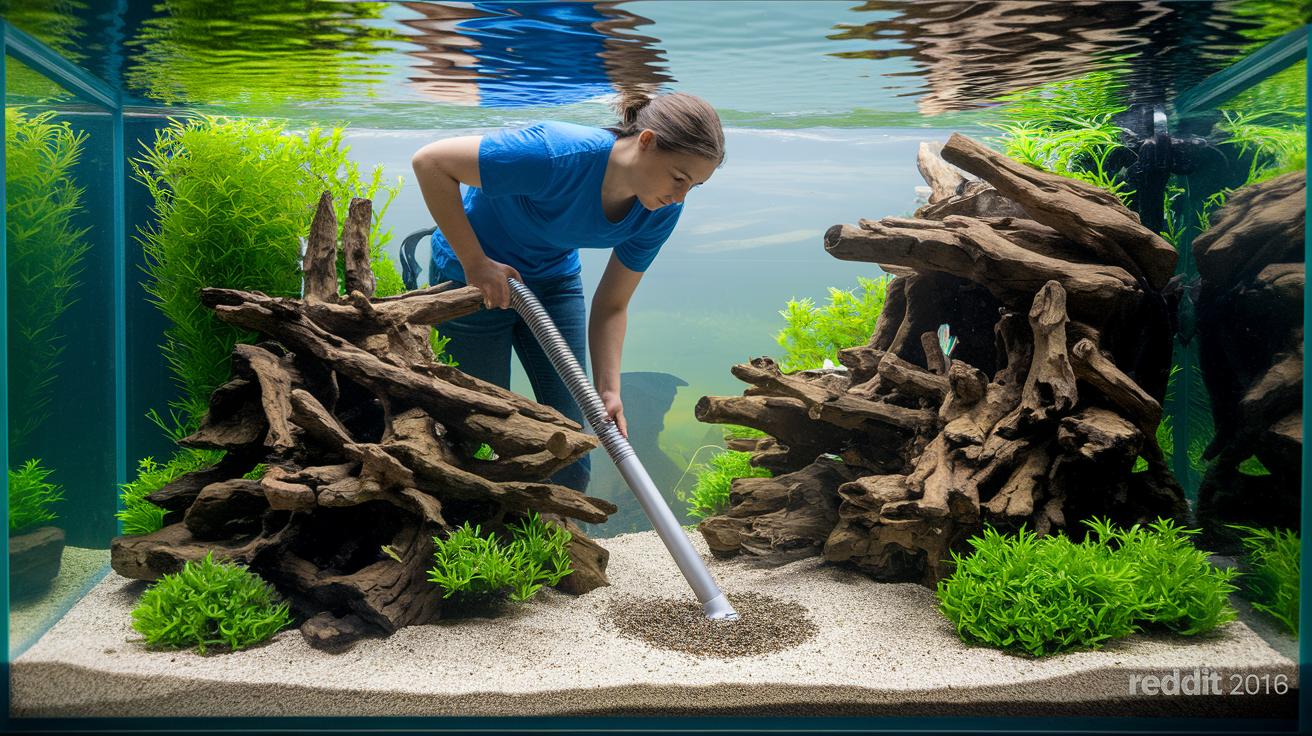
When cleaning the substrate, remember that your gravel is home to many friendly bacteria. Cleaning every bit at once can wash away these tiny helpers and disrupt the natural cleaning cycle. Instead, gently vacuum small areas to remove extra waste while preserving those important bacterial colonies.
Quick tips for success:
- Don’t do full water exchanges all at once.
- Stick to regular, moderate partial changes.
- Clean the substrate carefully to keep beneficial bacteria safe.
DIY Tips and Tools for Efficient Aquarium Water Changes
Gravel-vacuum siphons are amazing time-savers for small to medium tanks. Using one feels like giving your tank a fresh splash as it removes water along with hidden debris. It’s like watching a gentle stream clear away the little nooks where waste hides.
You might enjoy setting up your own bucket-and-hose system with clear volume marks. Picture it as having a built-in measuring guide, like following a favorite cookie recipe that tells you just how much water to swap out. It's a simple trick that makes water changes a bit more predictable and fun.
Pre-mixing your replacement water in a large container is another handy trick. Adjust the temperature, remove chlorine, and then slowly pour it back into your tank. This little step not only speeds up the process but also keeps things just right for your fish.
If you have a larger setup, you might even consider an auto top-off system. This smart tool helps keep your water level steady without having to fill up manually all the time.
Quick tips for a smooth water change:
- Use a gravel-vacuum to clean every corner.
- Mark your buckets to measure precisely.
- Pre-mix and treat your water before adding it back in.
Final Words
In the action, we explored everything from water change frequency to step-by-step methods and testing kits to keep your tank clean and balanced. We broke down schedules for various setups, heavy, moderate, and light, and shared simple tips to maintain clarity and chemical balance.
This guide also highlighted common mistakes to avoid and offered practical DIY tools for a smooth routine. Remember, understanding how often should you change aquarium water ensures a secure, thriving environment for your aquatic pets. Enjoy your time by the tank!
FAQ
How often should you change aquarium water, whether you have a filter, goldfish bowl, or a tank without one?
The aquarium water change frequency means tanks with filters can have a 50% change every 1–3 weeks, while tanks without filters or small bowls may need frequent, smaller top-off changes to keep nitrate levels in check.
Can I change aquarium water everyday?
The daily water change question means you can top off water every day if needed, but complete changes too often may shock beneficial bacteria and stress fish. Always follow guidelines based on tank load.
How often should you change aquarium filter pads?
The filter pad question means you change them when they look clogged—usually every few weeks to a month helps keep water flow optimal without removing helpful bacteria.
How can I tell if my fish tank needs a water change?
The sign of needing a water change means cloudy water, elevated nitrate levels, or excess fish waste indicate it’s time to refresh the water for a healthier tank.
What happens if you don’t change water in a fish tank?
The outcome of skipping water changes is rising levels of nitrates, ammonia, and waste, which can stress fish and create unsafe conditions over time.
Are water changes stressful for fish?
The stress on fish question means gradual, well-planned water changes cause minimal stress while supporting a stable environment; sudden large changes can stress them out.
How often should I change my fish filter?
The fish filter maintenance question means following manufacturer guidelines—typically every few months—keeps filtration effective and maintains the beneficial bacteria balance.